

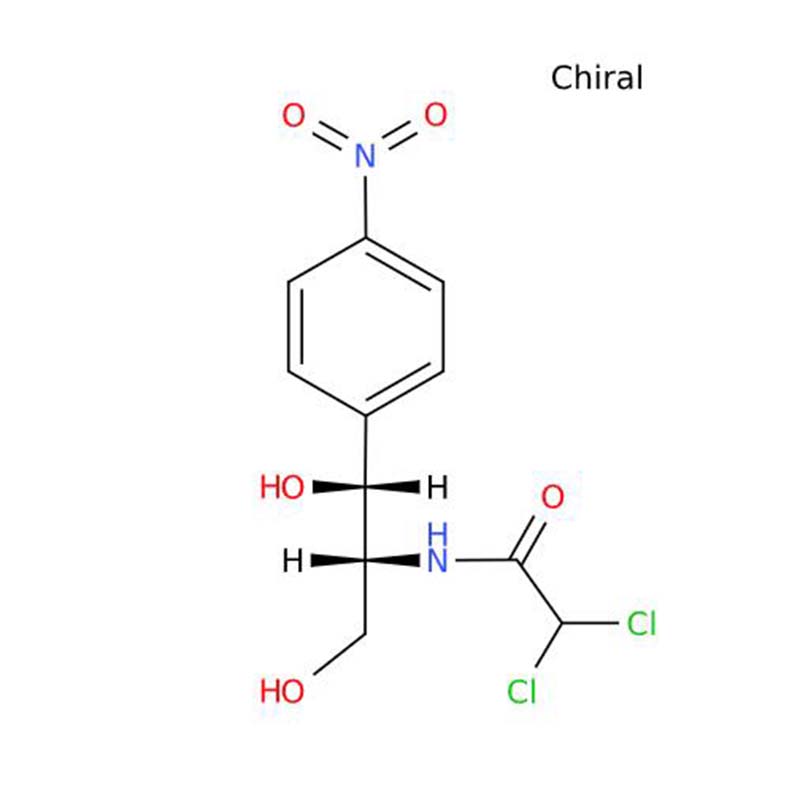
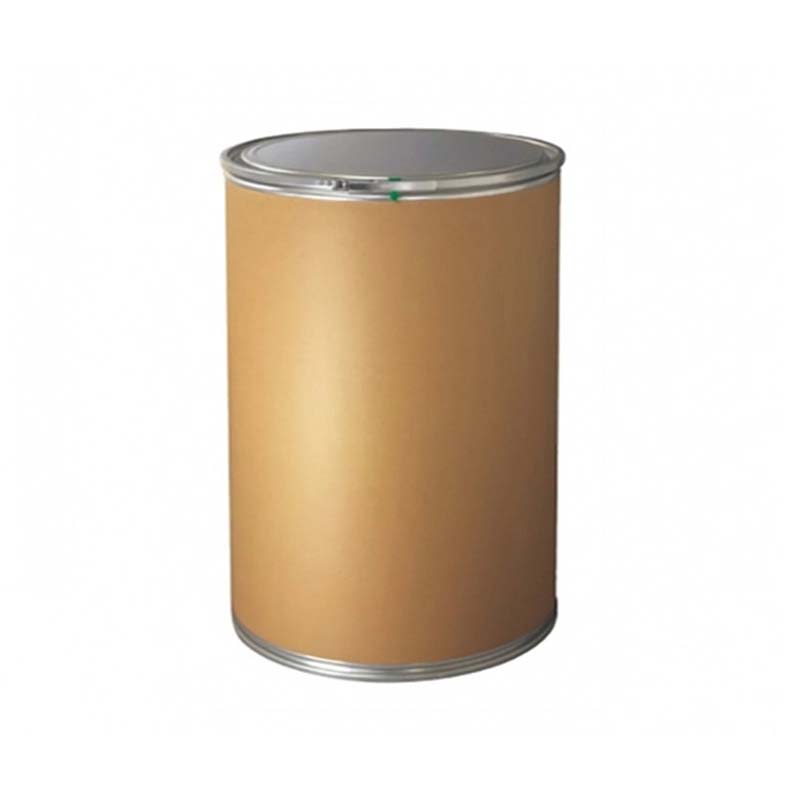
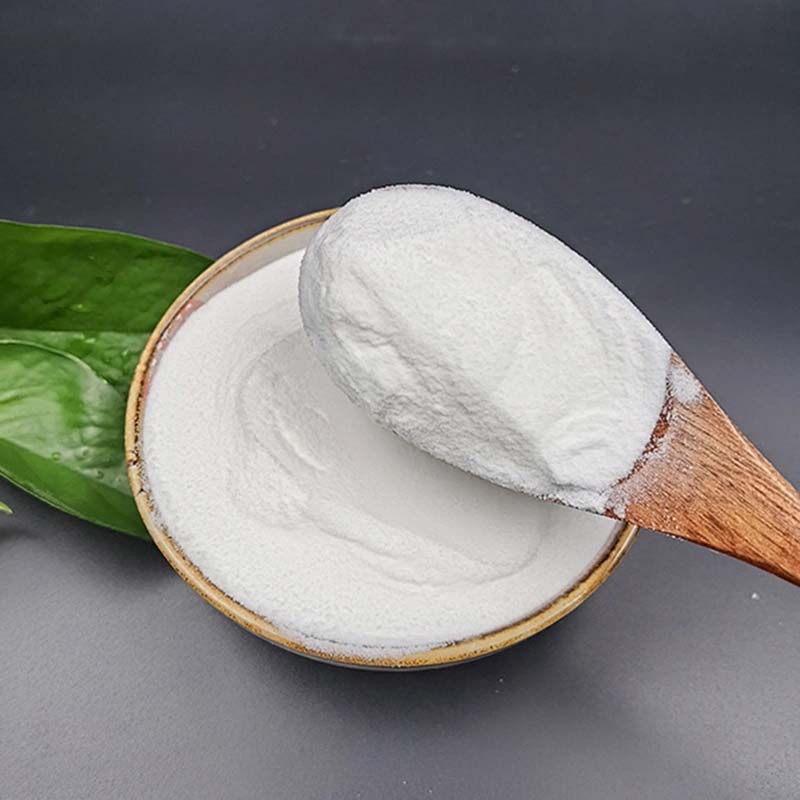
Chloramphenicol CAS No.:56-75-7
Full-Spectrum Bacteriostatic Performance
Solubility & Environmental Stability
Stereoisomer Potency Gap
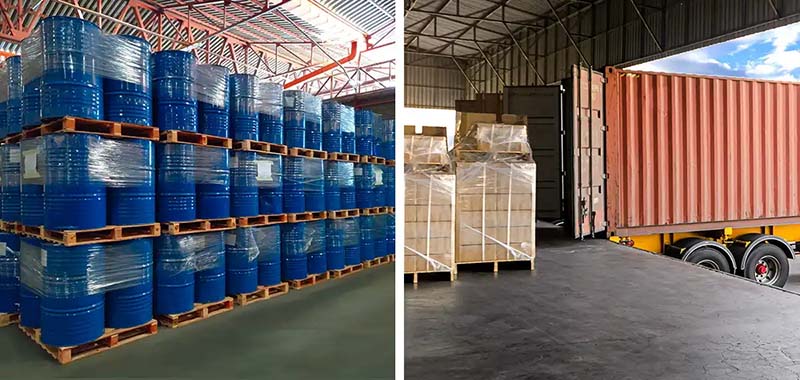
Clinical Application & Storage Specifications
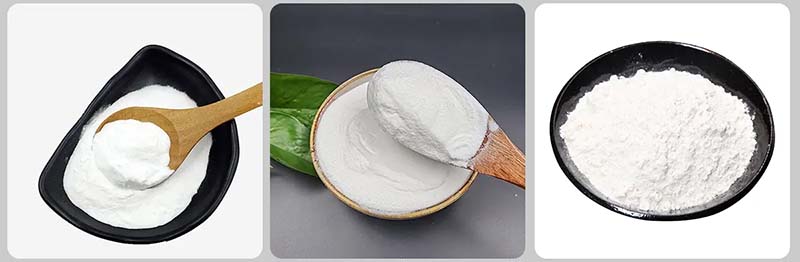
This antibiotic maintains stable chemical properties in neutral and slightly acidic water solutions, yet its antibacterial strength degrades rapidly in alkaline surroundings. Industrial synthetic chloramphenicol belongs to racemate mixtures, containing both active L-isomer and ineffective D-isomer. Given that the D-isomer has zero bacteriostatic capacity, synthetic finished products only deliver 50% of the antibacterial efficiency of natural chloramphenicol.
Parameters
Melting point | 148-150 °C(lit.) |
alpha | 19.5 º (c=6, EtOH) |
Boiling point | 644.9±55.0 °C(Predicted) |
density | 1.6682 (rough estimate) |
refractive index | 20 ° (C=5, EtOH) |
Fp | 14 °C |
storage temp. | Keep in dark place,Inert atmosphere,2-8°C |
solubility | absolute ethanol: soluble5-20mg/mL (as a stock solution) |
form | |
pka | 11.03±0.46(Predicted) |
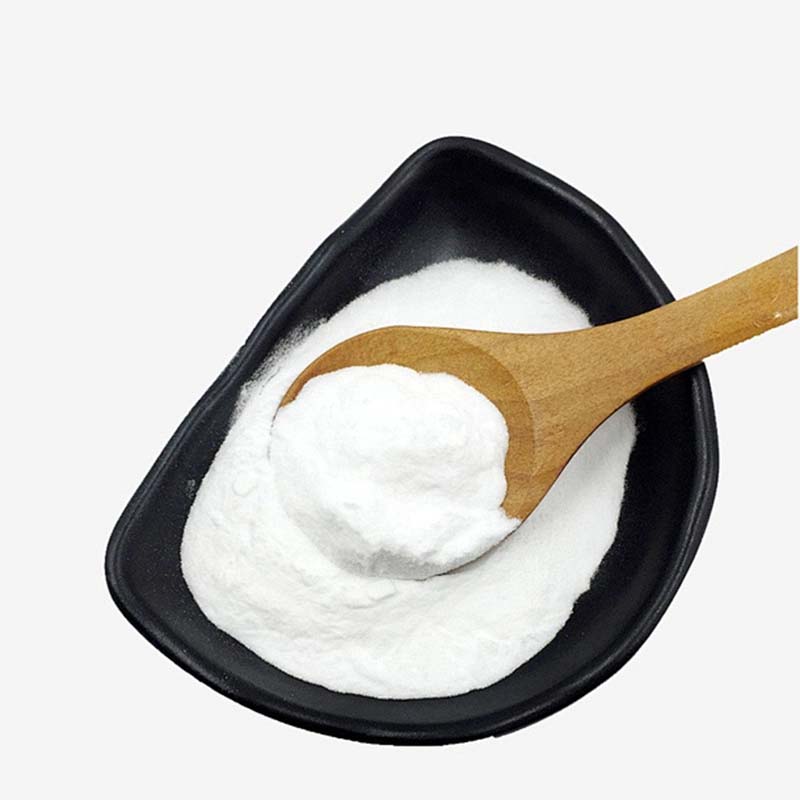
color | white |
Water Solubility | 2.5 g/L (25 º C) |
Merck | 142077 |
BRN | 2225532 |
BCS Class | 3 |
InChIKey | WIIZWVCIJKGZOK-RKDXNWHRSA-N |
LogP | 1.14 |
CAS DataBase Reference | 56-75-7(CAS DataBase Reference) |
NIST Chemistry Reference | Chloramphenicol(56-75-7) |
IARC | 2A (Vol. Sup 7, 50) 1990 |
EPA Substance Registry System | Chloramphenicol (56-75-7) |
Safety Information
Hazard Codes | T,F |
Risk Statements | 45-11-39/23/24/25-23/24/25 |
Safety Statements | 53-45-16-36/37 |
RIDADR | 2811 |
WGK Germany | 3 |
RTECS | AB6825000 |
F | 45726 |
TSCA | Yes |
HazardClass | 3 |
HazardClass | IRRITANT |
HS Code | 29414000 |
Hazardous Substances Data | 56-75-7(Hazardous Substances Data) |
Toxicity | LD50 oral in rat: 2500mg/kg |