I. Overview of Fundamental Properties
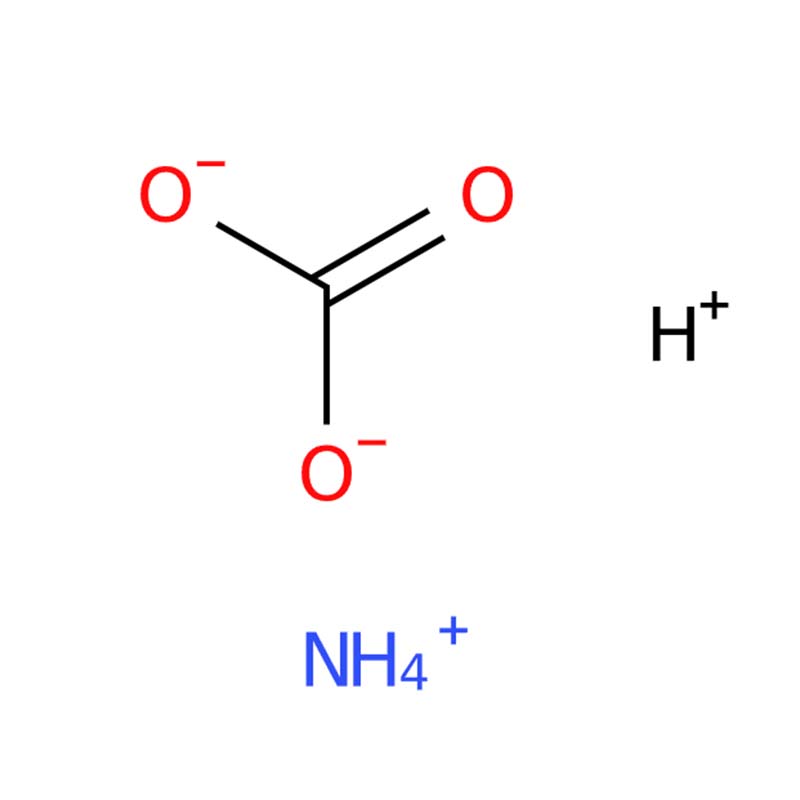
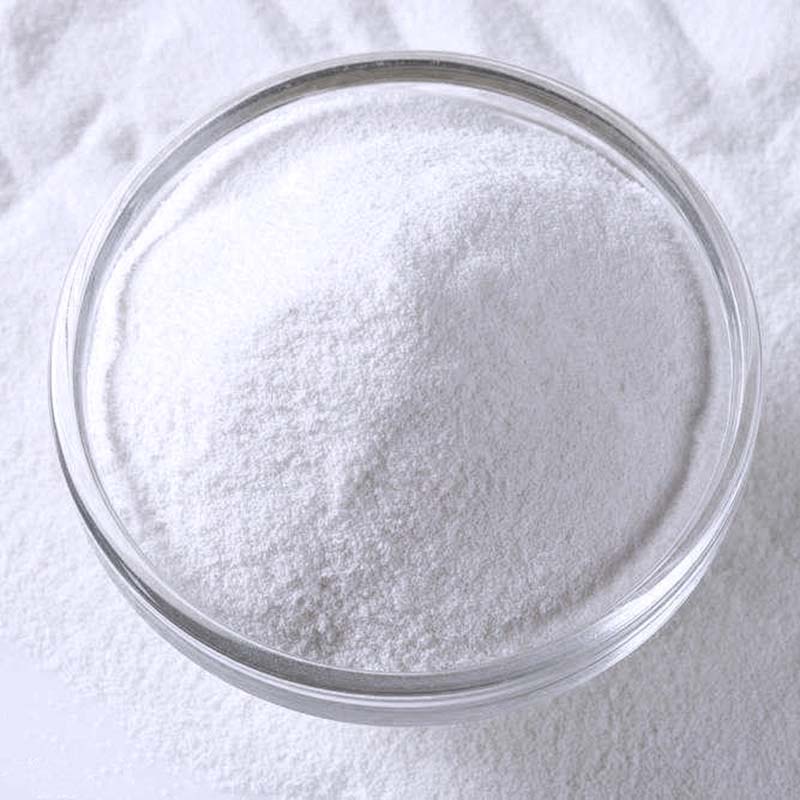
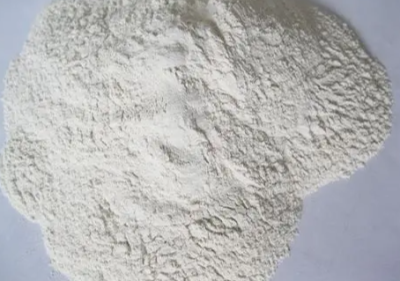
Chemically marked as NH₄HCO₃, ammonium bicarbonate also goes by two popular aliases: hartshorn salt and baker’s ammonia. This inorganic substance exists as white crystal grains or fine powder, carrying a sharp, irritating ammonia scent. Though it can stay stable under regular room temperature, the compound breaks down effortlessly once the surrounding temperature climbs over roughly 36°C or humidity surges. The decomposition process generates three gaseous substances: ammonia, carbon dioxide, alongside water vapor. This distinctive breakdown trait makes the chemical highly applicable for multiple manufacturing fields.
Besides thermal reactivity, it dissolves readily inside water to form a faintly alkaline liquid. As a versatile foundational chemical feedstock, it also acts as a permitted auxiliary ingredient in food processing production lines.

II. Core Physical & Chemical Characteristics
| Property | Parameter & Description |
| Chemical Formula | NH4HCO3 |
| Molar Mass | 79.06 grams per mole |
| Physical Form | White crystalline solid or fine powdery substance |
| Smell | Intense, irritating ammonia-like smell |
| Bulk Density | Roughly1.586 g/cm3 |
| Water Solubility (20℃ ambient) | Around 22 grams per 100 mL water; solubility rises as temperature climbs |
| pH Value (1% water solution) | Near 7.8, presenting weak alkalinity |
| Chemical Behaviors | Undergoes violent reactions with acidic substances to generate carbon dioxide gas; when mixed with alkaline materials, it releases ammonia; it also decomposes gradually under humid atmospheric conditions |

III. Main Application Scenarios
Food Processing (Major Usage Scenario)
It functions as a chemical raising agent, also named baker’s ammonia, widely added into baked snacks like crisp biscuits and crackers. Once heated, the compound breaks down to release ammonia and carbon dioxide; these gaseous byproducts inflate dough fast, yielding fluffy, honeycombed finished goods. Since all decomposed substances can fully volatilize after baking, this additive is mostly adopted for low-moisture food items that demand crispness or undergo high-temperature baking procedures.
Agricultural Production
It works as a fast-acting nitrogenous fertilizer for farmland. It will not leave acid residues after absorption, compatible with most soil types and cash crops. To cut down ammonia escape into the air, farmers need to bury the fertilizer deep into topsoil and fully cover it with earth after spreading.
Chemical Manufacturing
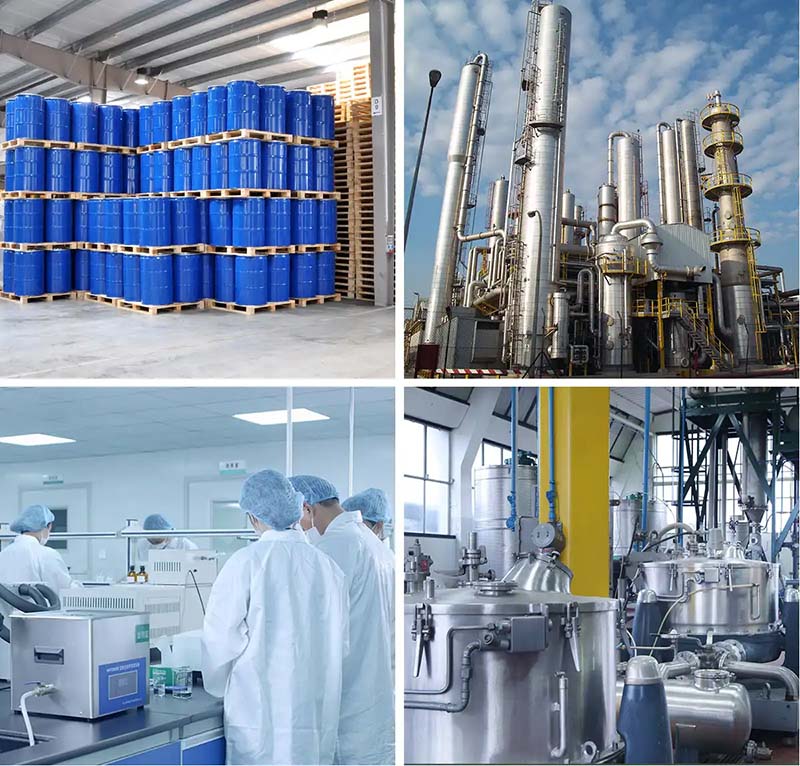
This compound acts as a foundational feedstock to synthesize multiple ammonium derivatives, including ammonium carbonate and ammonium sulfate. It also participates in the fabrication of carbonate compounds, foam plastic materials and rubber goods.
Medicine & Lab Analytical Supplies
It can be adopted as a production feedstock or synthetic intermediate during drug manufacturing. In laboratory environments, it serves as a standard analysis reagent and pH buffering medium.
Fire Suppression Materials
It is one of the core ingredients in certain dry-powder fire suppression mixtures.
Miscellaneous Industrial Utilization
It also sees wide deployment across ceramic shaping, hide tanning, textile dyeing and other manufacturing sectors.
Storage Requir
IV. Storage & Operational Specifications
ements
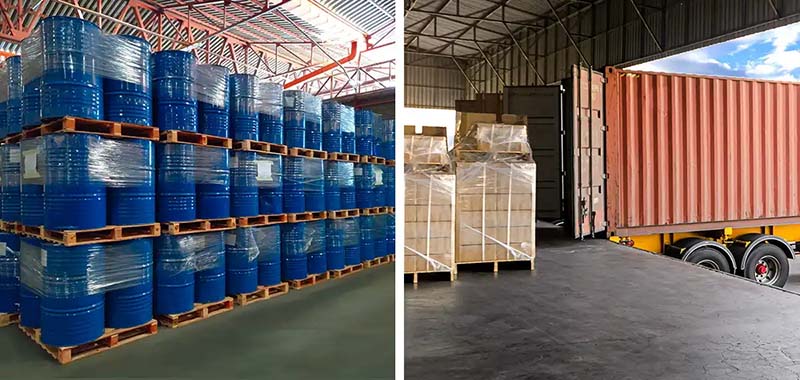
Keep the goods inside cool, arid warehouses fitted with sufficient air circulation. Indoor temperature must stay under 30°C, while relative humidity ought to be controlled lower than 75%. Keep packages away from direct sunlight and any heat-emitting equipment.
Packaging Standards
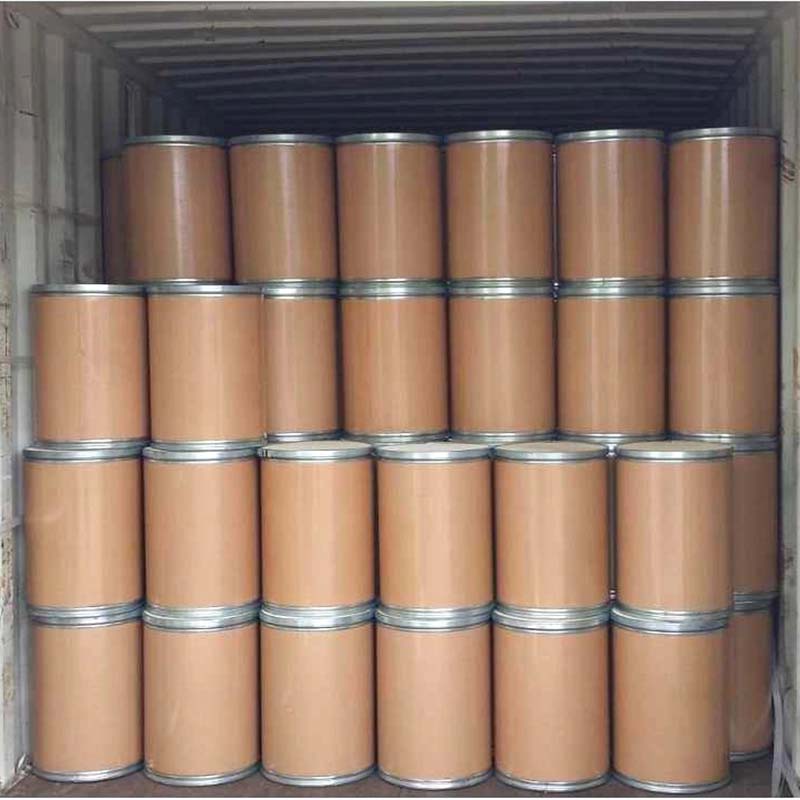
Seal products inside woven bags lined with plastic film or sealed plastic vessels, which can stop the chemical from drawing moisture and reacting with ambient air.
Operational Safety Guidelines
All on-site staff need to equip dust-proof respirators, anti-corrosion safety eyewear and latex gloves, to avoid breathing in powder particles and direct skin exposure.
Move packages gently during shipment and loading to avoid package rupture and material leakage.
Install localized air exhaust equipment at workstations to stop gaseous ammonia buildup in confined spaces.
Do not stockpile or ship this chemical alongside concentrated acids, strong alkaline agents or damp raw materials.
Leakage Disposal Procedures
Use clean shovels to gather spilled solids and transfer them into dry, sealed containers. Flush the contaminated ground with abundant running water repeatedly. The diluted wastewater after cleaning can be drained into factory sewage treatment pipelines.