

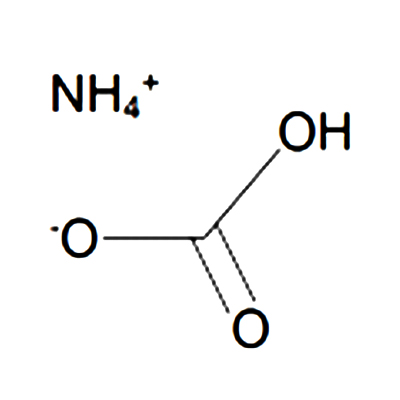
Ammonium Bicarbonate CAS : 1066-33-7
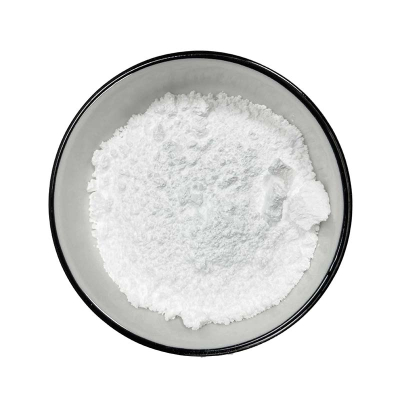
Ammonium Bicarbonate (NH₄HCO₃), commonly known as hartshorn or powdered baking ammonia, is a white crystalline compound. Its key property is thermal decomposition, rapidly releasing ammonia, carbon dioxide, and water vapor when heated. This makes it widely useful as a leavening agent in the food industry (e.g., for cookies, crackers) and as a fast-acting nitrogen fertilizer in agriculture. It is unstable at room temperature and must be stored sealed in a cool, dry place.
I. Basic Characteristics Overview
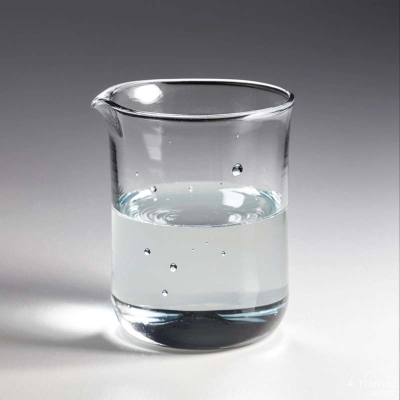
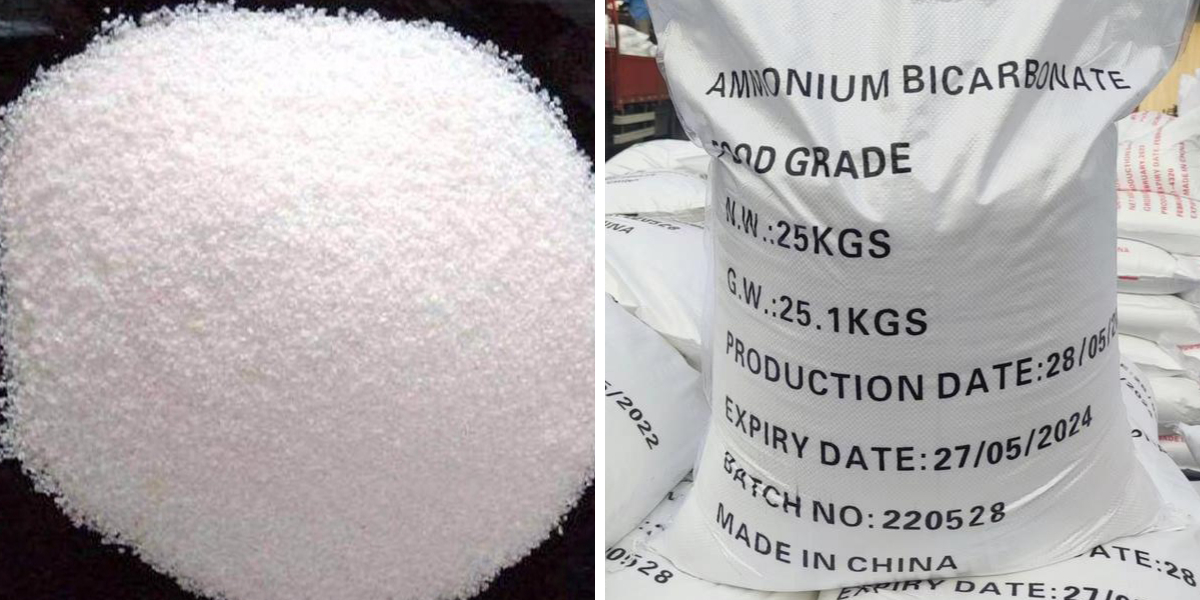
Ammonium bicarbonate (NH₄HCO₃), commonly known as "hartshorn" or "baking ammonia," is a white crystalline or powdery inorganic compound. It possesses a strong, pungent ammonia odor. While relatively stable at room temperature, it readily decomposes when exposed to elevated temperatures (above approximately 36°C) or humid environments, releasing ammonia, carbon dioxide, and water vapor. This decomposition property gives it unique value across various industrial sectors. It is soluble in water, yielding a weakly alkaline solution, and serves as an important basic chemical raw material and food additive.
II. Key Physical & Chemical Properties
| Property | Value / Description |
Chemical Formula | NH₄HCO₃ |
Molecular Weight | 79.06 g/mol |
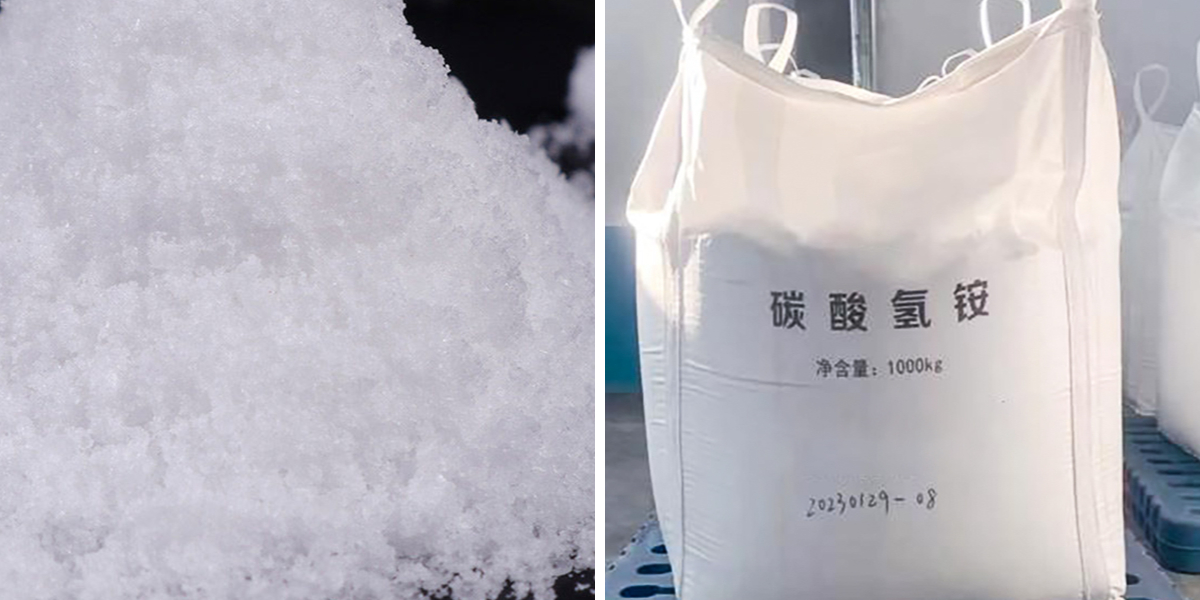
Appearance | White crystals or powder |
Odor | Strong, pungent ammonia odor |
Density | Approx. 1.586 g/cm³ |
Solubility in Water (20°C) | Approx. 22 g/100 mL; increases with temperature |
pH (1% aqueous solution) | Approx. 7.8 (weakly alkaline) |
Thermal Stability | Unstable; begins decomposing at ~36°C: NH₄HCO₃ → NH₃↑ + CO₂↑ + H₂O |
Chemical Properties | Reacts vigorously with acids, releasing CO₂; reacts with bases, releasing NH₃; decomposes slowly in moist air. |
III. Primary Application Fields
Food Industry (Primary Application): Used as a leavening agent ("baking ammonia") in baked goods such as cookies and crackers. The ammonia and carbon dioxide gas produced upon thermal decomposition cause dough to expand rapidly, creating a light, porous texture. As its decomposition products are volatile, it is typically used in low-moisture products requiring a crisp texture or those baked at high temperatures.
Agriculture: Employed as a nitrogen fertilizer. It acts quickly, leaves no acidic residue, and is suitable for various soils and crops. However, it requires deep application and soil coverage to prevent ammonia volatilization losses.
Chemical Industry: Serves as a basic raw material for producing other ammonium salts (e.g., ammonium carbonate, ammonium sulfate), carbonates, foamed plastics, and rubber.
Pharmaceuticals & Reagents: Used as a raw material or intermediate in pharmaceutical manufacturing and as an analytical reagent and buffer in laboratories.
Firefighting: A component in some dry powder fire extinguishing agents.
Other Uses: Utilized in ceramics, leather tanning, dyeing, and other industries.
IV. Storage & Handling
Storage Conditions: Must be stored in a cool, dry, and well-ventilated warehouse. The ambient temperature should not exceed 30°C, and relative humidity should be kept below 75%. Protect from direct sunlight and heat sources.
Packaging: Should be sealed in plastic-lined woven bags or plastic containers to prevent moisture absorption and contact with air.
Handling Precautions:
Operators must wear dust masks, chemical safety goggles, and rubber gloves to prevent inhalation and skin contact.
Handle with care during transport to prevent packaging damage.
Work areas should have effective local exhaust ventilation to prevent ammonia vapor accumulation.
Avoid storage and transport with strong acids, strong bases, or moist substances.
Spill Response: Collect spilled material with a clean shovel into a dry, covered container. Rinse the spill area thoroughly with large amounts of water. Diluted wastewater can be directed to the wastewater system.