

"Liquid Gold" and "Industrial Vitamins": How Tiny Resins Underpin the Future of Advanced Manufacturing?
Resin, a seemingly ordinary chemical term, is stepping from behind the scenes to center stage. It is no longer just the raw material for plastic bottles or packaging film but has become the "industrial vitamin" for national strategic industries ranging from 5G communications and aerospace to new energy vehicles—used in small amounts yet indispensable, determining the performance ceiling of the final product.
01 The Strategic Cornerstone: An Underestimated "Key Player"
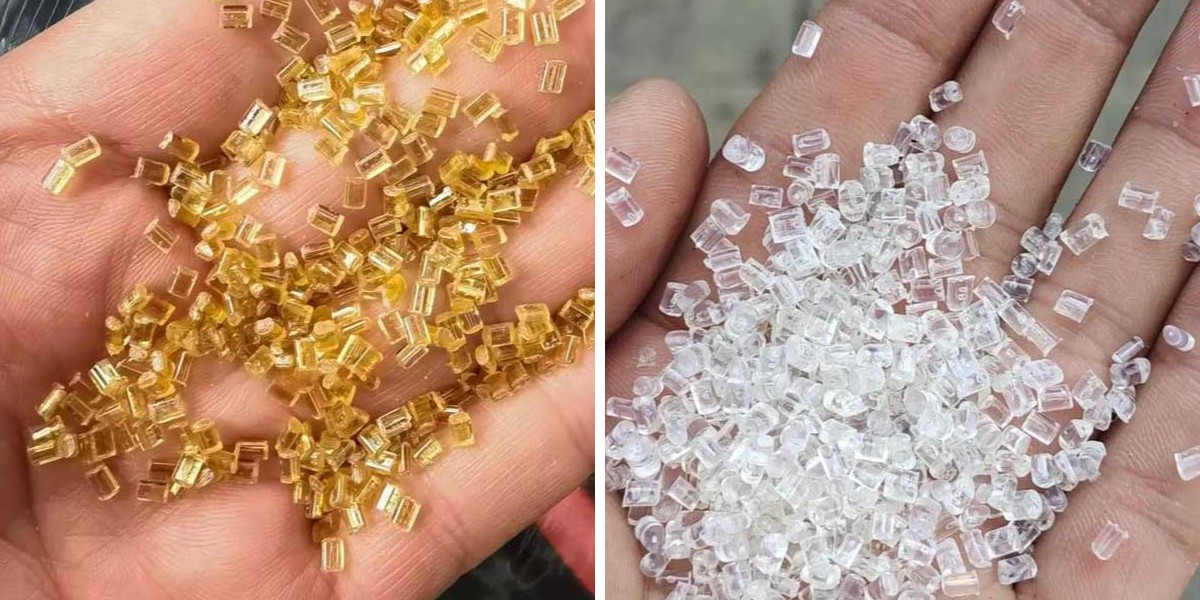
Resins, especially synthetic resins, constitute the absolute majority of polymer materials. Acting as adhesives, matrices, or coatings, they impart the final form and properties to materials. Their importance is first reflected in their irreplaceable pervasiveness.
From chip packaging to aircraft wings, hardly any field in modern manufacturing can do without resin. In carbon fiber composites, resin serves as the matrix, accounting for about 30%-40% of the volume but can contribute up to 60%-70% of the cost, directly determining the composite's final heat resistance, toughness, and processability.
02The Future Battle: A Material Revolution Beyond Tradition
The importance of resin will be infinitely magnified in the industries of the future. It is evolving from a passively processed material to an actively designed functional solution.
In the fields of artificial intelligence and computing power, as data center server transmission rates advance toward 400Gbps or even 800Gbps, near-demanding requirements are placed on the dielectric properties of circuit board resins. Developing resins with even lower loss becomes the physical foundation supporting computing power upgrades.
In aerospace, next-generation aircraft pursue higher weight reduction efficiency and extreme environmental adaptability. This has spurred the need for high-temperature resins that can withstand long-term use above 300°C, as well as liquid molding resins suitable for integrally forming large components.
In healthcare, biocompatible resins can be used to manufacture biodegradable medical devices and drug delivery carriers, while intelligent hydrogel resins can respond to changes in the human body's environment, providing material tools for precision medicine.
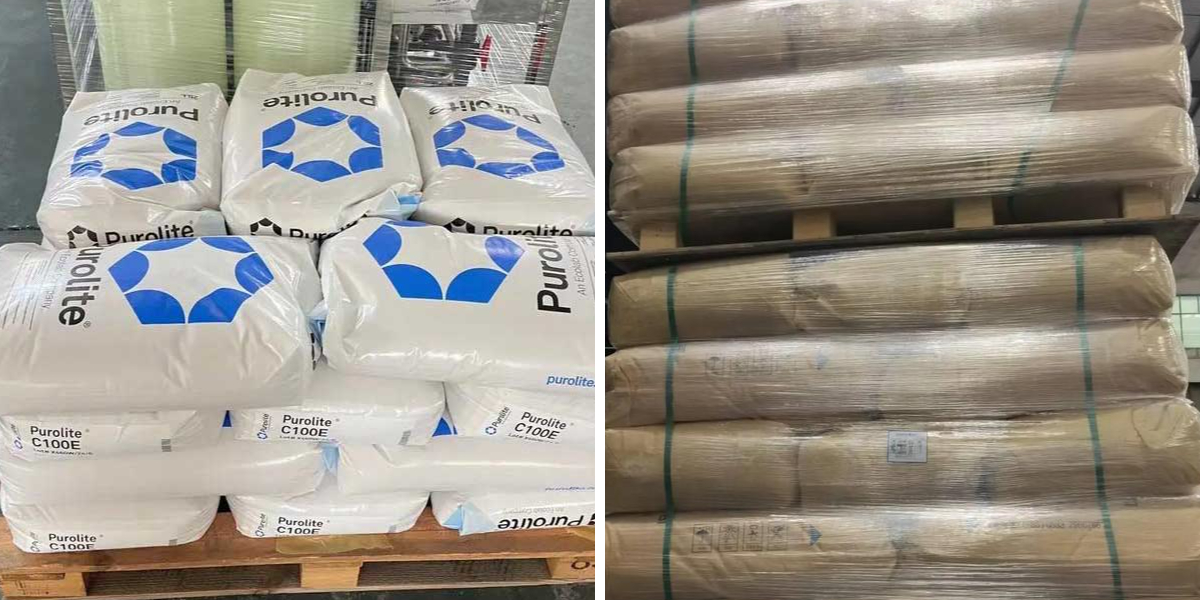
The cutting-edge of resin technology is moving in several key directions:
Intelligence and Functionality: For instance, the resins used for 3D printing are no longer limited to model making. They have evolved into engineering resins with high toughness, high temperature resistance, or rubber-like elasticity, which can be directly used to manufacture car hinges that can withstand tens of thousands of opening and closing tests, or high-pressure seals.
Ultimate performance breakthrough: To meet the demands of fields such as aerospace and new energy, high-performance products like liquid molding resins that can withstand temperatures above 300℃ and are suitable for the manufacturing of large-scale integrated components are becoming the focus of research and development.
Greenification and Bio-based Transformation: In response to environmental protection demands, the industry is vigorously developing poly(lactic acid) (PLA) resins and bio-based non-toxic resins made from raw materials such as corn starch, in order to replace traditional petroleum-based products.
In summary, resin has evolved from a basic material to a key enabler for achieving lightweighting, high performance, precision, and greenness in products. It plays an indispensable role in both major industrial equipment and everyday technological products.