I. Basic Characteristics Overview
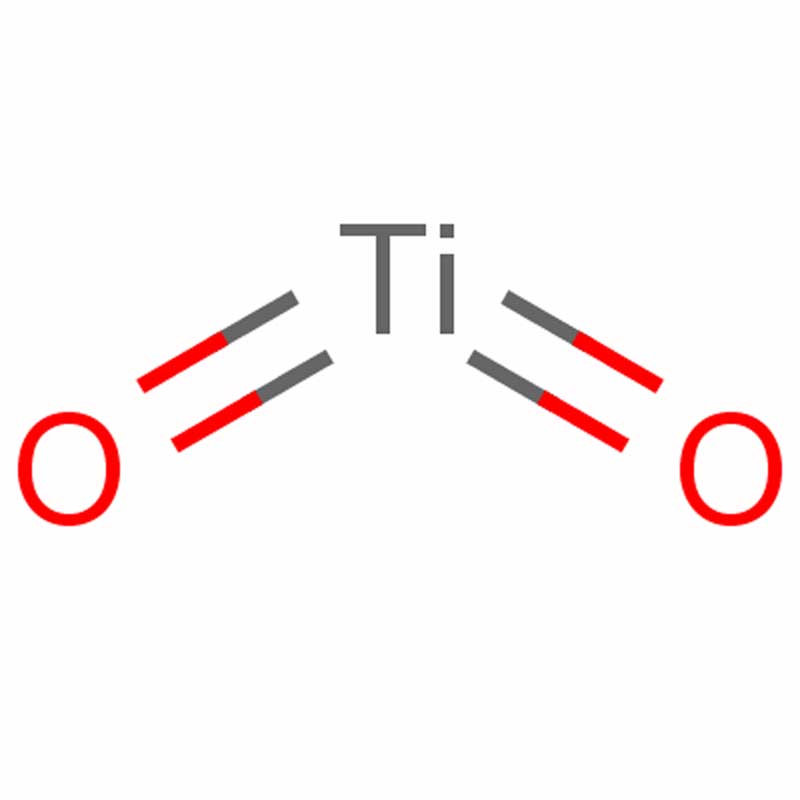
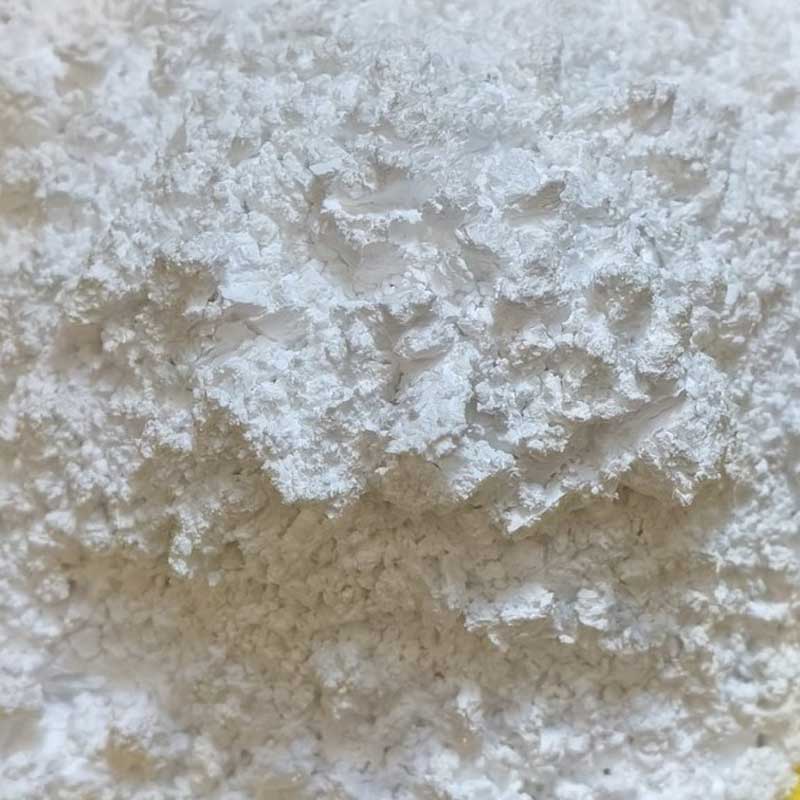
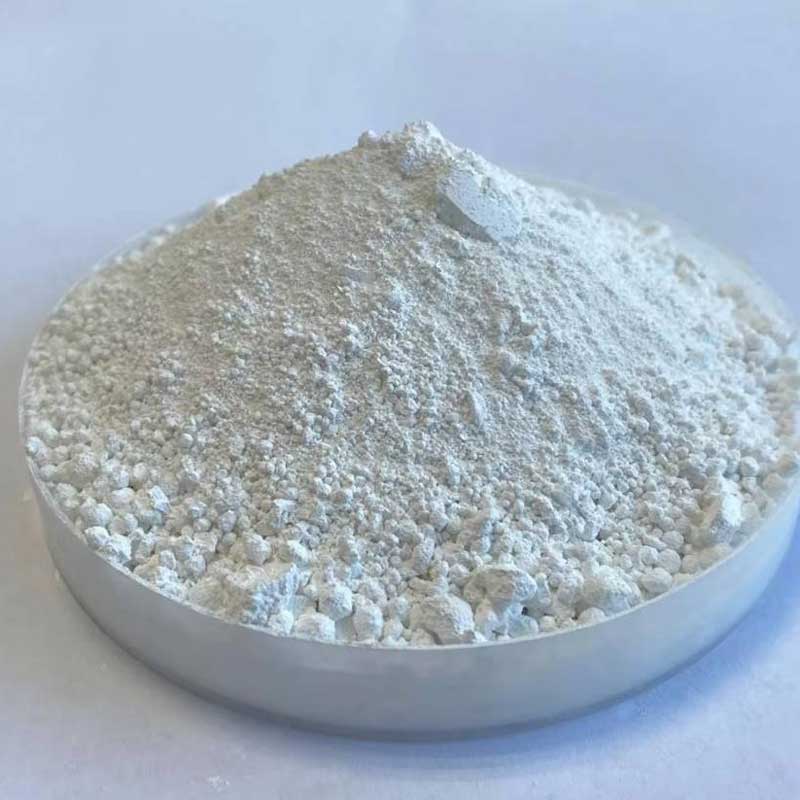
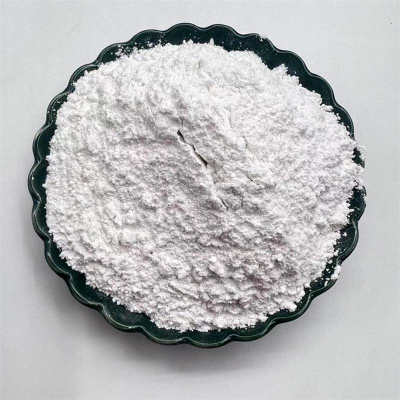
Titanium dioxide, commonly known as titanium white, is the most superior white pigment currently available, often hailed as the "King of White Pigments." It exhibits extremely stable chemical properties, being insoluble in water, dilute acids, and organic solvents, with strong resistance to light, heat, and weathering. It possesses a very high refractive index (Rutile: ~2.76, Anatase: ~2.55), excellent whiteness, opacity (hiding power), and tinting strength. Its physical form is typically a white powder. It is primarily classified into two main crystal types based on application: Rutile (R-Type) and Anatase (A-Type), which differ significantly in weather resistance, photoactivity, and application fields. Titanium dioxide is an indispensable key raw material in industries such as coatings, plastics, and papermaking.
 CAS : 13463-67-7")
II. Key Physical & Chemical Properties
| Property | Rutile Type | Anatase Type |
|---|
| Chemical Formula | TiO₂ | TiO₂ |
| CAS Number | 1317-80-2 (Often grouped under 13463-67-7) | 1317-70-0 (Often grouped under 13463-67-7) |
| Crystal Structure | Tetragonal, dense structure | Tetragonal, relatively open structure |
| Density | ~4.26 g/cm³ | ~3.90 g/cm³ |
| Refractive Index | ~2.76 | ~2.55 |
| Mohs Hardness | 6.0-7.0 | 5.5-6.0 |
| Dielectric Constant | 114-117 (parallel to c-axis) | 48 (along a-axis) |
| Weather Resistance | Excellent, low photoactivity, resists chalking | Poorer, higher photoactivity, prone to chalking |
| UV Shielding | Strong (absorbs mainly UVA/B) | Strong (absorbs mainly UVB) |
| Thermal Stability | Very stable, M.P. ~1855°C | Transforms irreversibly to rutile at ~915°C |
| Key Chemical Properties | Chemically inert, insoluble in water, dilute acids/bases; soluble in strong alkalis, hydrofluoric acid, or hot concentrated sulfuric acid at high temperatures. |
|
III. Primary Application Fields
Coatings Industry (Largest Market): As a white pigment and opacifier, it is the core raw material for producing paints, latex paints, automotive coatings, industrial finishes, and powder coatings. Rutile type, due to its superior weatherability, is mainly used for exterior coatings; Anatase type is often used for interior coatings.
Plastics Industry: As a white pigment and UV screener, used in PVC, PE, PP, and other plastic products to enhance whiteness, brightness, weatherability, and anti-aging properties.
Paper Industry: As a filler and coating pigment to increase paper opacity, whiteness, and gloss, improving printability.
Ink Industry: Used in the production of various white and colored inks, providing high opacity and vibrant color.
Chemical Fiber Industry: As a delustrant, added to rayon, polyester, and other synthetic fibers to eliminate harsh gloss and create a texture closer to natural fibers.
Other Advanced Applications:
Ceramics & Enamels: As an opacifier in glazes.
Cosmetics: Used in foundations, sunscreens, etc. (typically using nano-grade or specially coated grades).
Food & Pharmaceuticals: As a food colorant (CI 77891) and pharmaceutical excipient (e.g., tablet coating), requiring compliance with strict standards.
Catalysis & Environmental Protection: Anatase-type TiO₂ is used in photocatalytic applications for air purification, water treatment, self-cleaning surfaces, etc.
IV. Storage & Handling
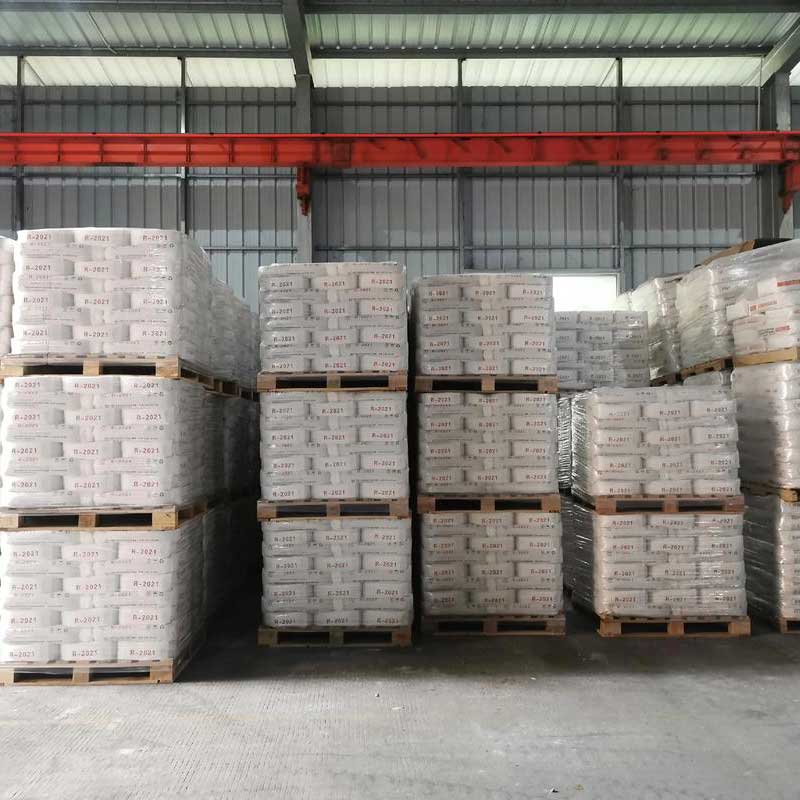
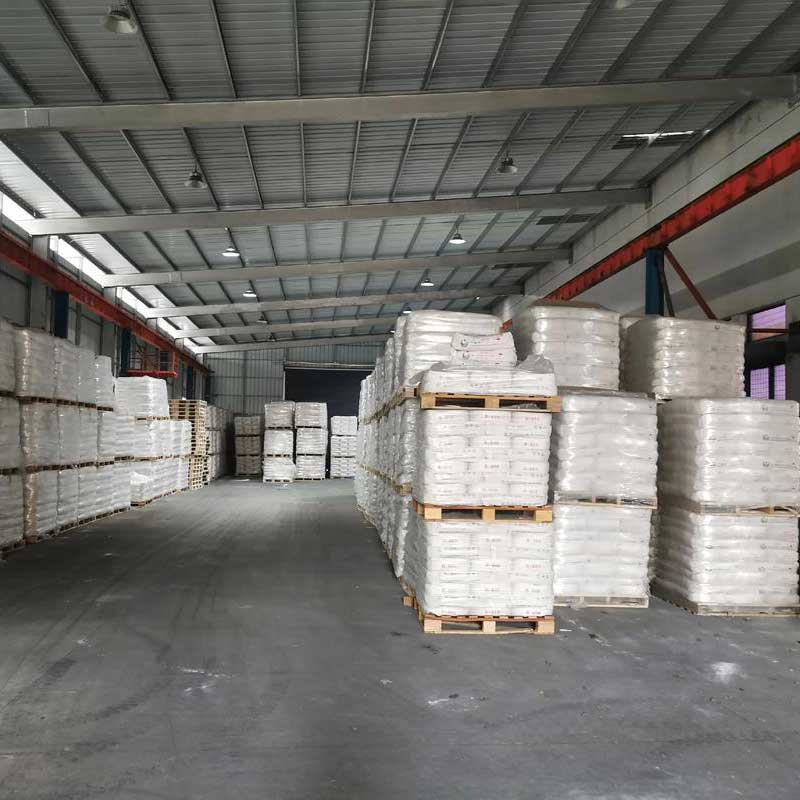
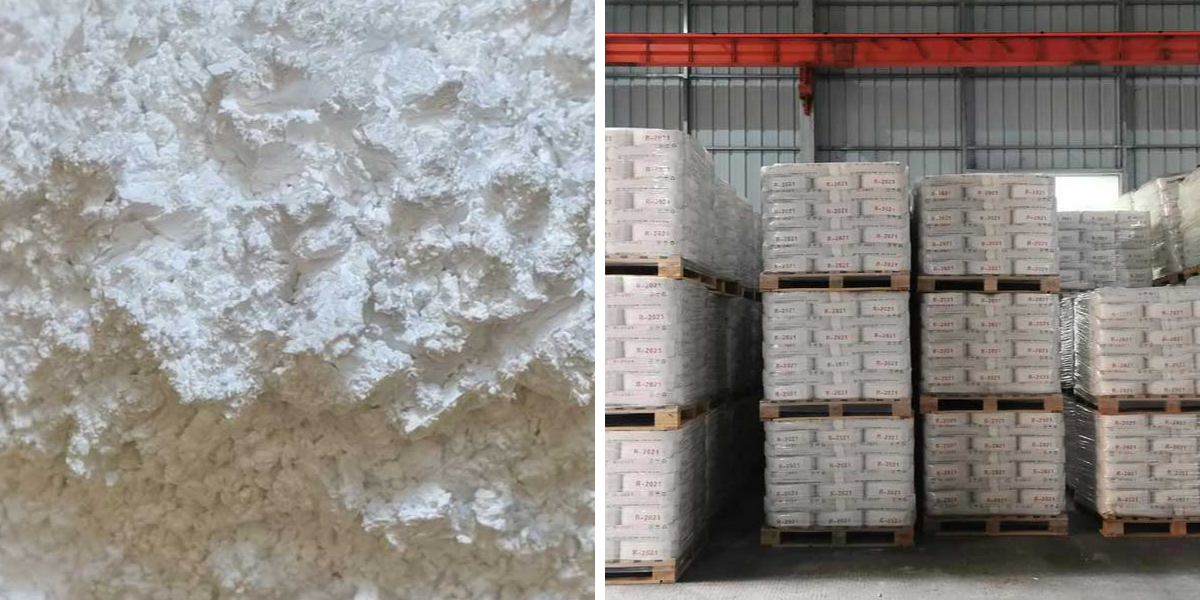
Storage Conditions: Should be stored in a cool, dry, and well-ventilated warehouse. Moisture must be strictly prevented to avoid caking. Keep away from flammable materials, acids, and alkalis.
Packaging: Typically packaged in woven bags or paper bags with inner plastic liners, or in bulk bags (FIBCs), ensuring moisture-proof sealing.
Handling Precautions:
Although non-toxic, long-term inhalation of high concentrations of dust may cause pneumoconiosis (titanosis). Wear a dust mask (N95 or higher) during handling, and safety glasses if necessary.
Use local exhaust ventilation to control dust. Avoid creating dust clouds.
Keep the workplace clean to prevent dust accumulation.
Spill Response: Collect spilled material using non-sparking tools and place it in a sealed container. Clean the area with a damp cloth or a specialized vacuum cleaner (explosion-proof type) to avoid raising dust. Rinse the area thoroughly with plenty of water.