

Polypropylene (PP) Prices Surge 30% in a Week: A Tale of Two Extremes in Profitability Between Oil-Based and Coal-Based Production
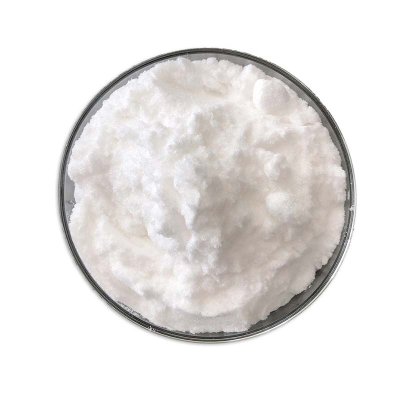
Driven by ongoing tensions in the Middle East and the peak demand season, the domestic polypropylene (PP) market has experienced a dramatic price surge. Latest market data shows that as of March 12, the average price of PP raffia in China reached 8,657 RMB/ton, up 1,163 RMB/ton from the previous week—a single-week increase of 15.52%. Compared to late February, cumulative gains have exceeded 30%.
However, beneath this broad-based rally lies a striking divergence in profitability across different production processes. Oil-based PP producers remain mired in losses, while coal-based PP producers have seen theoretical profits skyrocket nearly 13-fold.
Cost-Driven Divergence: Surging Oil Prices vs. Stable Coal Prices
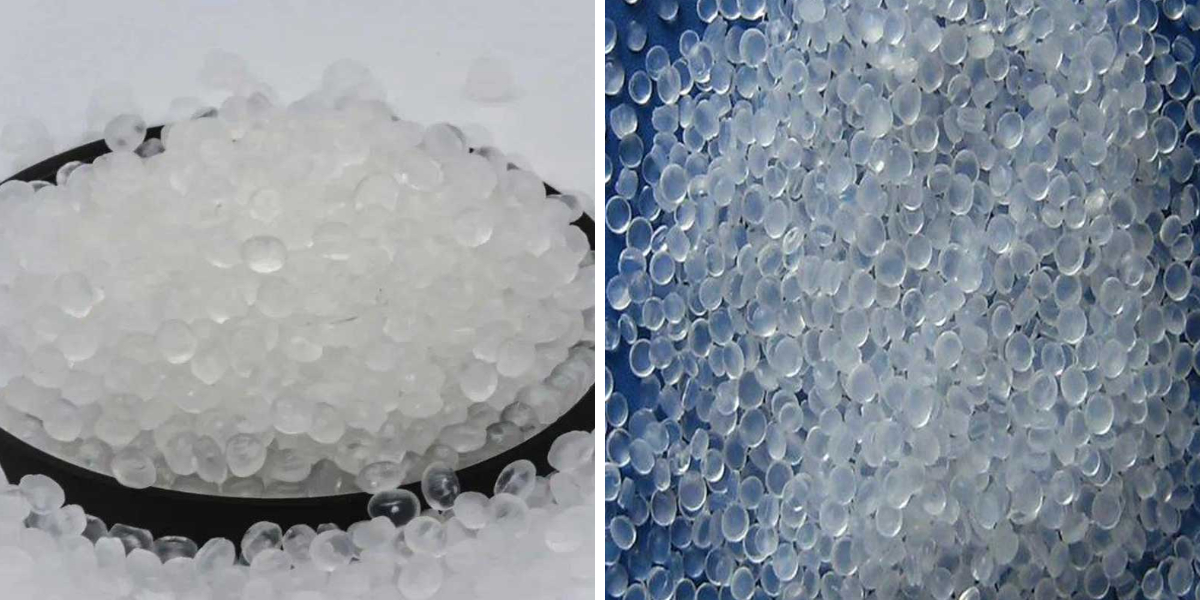
The core driver behind this PP price surge is the sharp volatility in international oil prices. Escalating geopolitical conflicts have sparked widespread concerns over crude oil supply, sending global oil prices soaring and directly pushing up the costs of upstream feedstocks such as naphtha, propane, and propylene.
As the dominant production route in China's PP supply structure—oil-based processes account for over 27 million tons of annual capacity—PP prices show a strong correlation with crude oil movements.
However, lofty oil prices are eroding the profit margins of oil-based producers. According to data from Longzhong Information, although the theoretical profit for domestic oil-based PP improved by about 200 RMB/ton during the week of March 6–12, it remained deep in negative territory at -628 RMB/ton. Industry estimates suggest that when crude oil prices reach $90–$100 per barrel, the cost of oil-based PP can hit approximately 8,980–9,700 RMB/ton—meaning that even after the recent price hikes, oil-based producers are still struggling to break even.
In stark contrast to the "high-cost predicament" of the oil-based route, coal-based polypropylene producers are enjoying a rare profitability bonanza. With coal prices remaining relatively stable and cost-side fluctuations limited, coal chemical companies have been able to translate product price increases directly into profits.
Longzhong Information data shows that theoretical profits for domestic coal-based PP surged by 1,414.7 RMB/ton this week to reach 1,524 RMB/ton—a staggering increase of 12.9 times. Multiple executives from coal chemical companies have noted that while downstream product prices have fluctuated recently, coal procurement prices have remained stable, resulting in limited cost-side changes.
Supply Contraction and Demand Recovery Create Perfect Storm
Behind this price rally, fundamental shifts in supply and demand cannot be overlooked. On the supply side, multiple PP production units—including those at Tianjin Bohua, CNOOC Shell, Zhejiang Petrochemical, Yulong Petrochemical, and Maoming Petrochemical—have recently undergone maintenance or reduced operating rates. Combined with a sharp decline in import arrivals, domestic PP market supply has contracted significantly.
On the demand side, the traditional "Golden March and Silver April" peak season has provided strong support. Downstream enterprises have resumed operations en masse, with demand gradually recovering in sectors such as express delivery logistics, food packaging, daily chemicals, home appliances, and new energy. Operating rates in segments like woven fabrics and BOPP films are accelerating. Industry insiders report strong bullish sentiment in the market.
Industry Structure Poised for Reshaping
Notably, this price volatility is quietly reshaping the competitive landscape of the chemical industry. Multiple industry observers point out that the trend of declining domestic PP production is likely to continue. Although downstream demand continues to be constrained by high raw material prices, the arrival of the traditional peak season could create supply shortages in the polypropylene market.
In this environment, coal chemical companies are well-positioned to capture greater cyclical dividends thanks to their Outstanding cost advantages. Industry analysis suggests that when crude oil prices remain elevated, the cost advantages of coal-to-olefins production will further amplify, potentially even opening up export market opportunities. A recent research report from Industrial Securities suggests that if Middle East tensions persist, the competitiveness of the region's petrochemical industry could come under pressure. Domestic enterprises utilizing coal-based routes may benefit from expanded export market access, potentially alleviating some domestic oversupply pressures.
However, oil-based producers continue to face severe challenges. Despite significant product price increases, cost-side pressures remain unresolved, with most enterprises still struggling below the breakeven point. Market observers note that if crude oil prices remain persistently high, some high-cost production capacity may face pressure to reduce output or even shut down, potentially accelerating industry consolidation.
Market Outlook: Strong Momentum Likely to Continue, Coal-Based Advantages to Persist
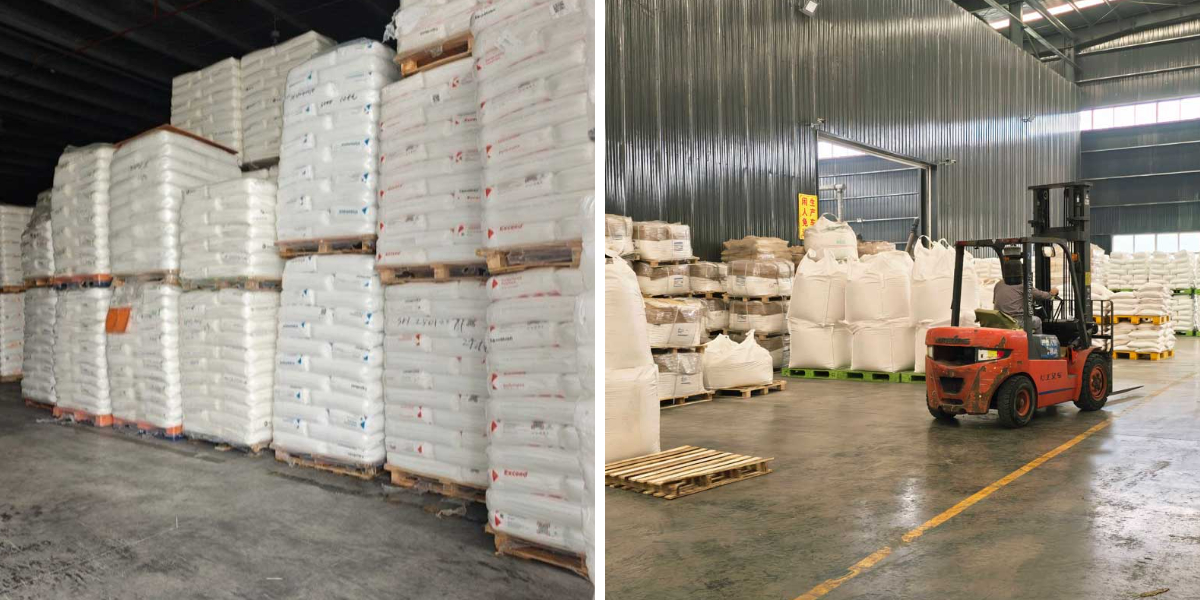
Looking ahead, market consensus suggests that the strong price momentum for PP is likely to continue in the short term. From a cost perspective, geopolitical factors remain unresolved, making it difficult for international oil prices to decline in the near term. From a supply perspective, ongoing maintenance schedules at domestic facilities will limit incremental market supply. From a demand perspective, the traditional peak season continues to provide support.
In this environment, the cost advantages of coal-based PP will remain prominent. Industry insiders note that compared to crude oil, coal—as a domestically advantaged resource—exhibits relatively stable price fluctuations, giving coal chemical enterprises natural advantages in raw material cost control. As PP prices remain elevated, the profit margins of coal-based producers are expected to expand further.
For oil-based producers, the ability to emerge from loss territory largely depends on the subsequent trajectory of international oil prices. If geopolitical tensions ease and oil prices retreat, oil-based PP producers may see profitability recover. Conversely, if oil prices remain persistently high, oil-based producers could face extended periods of earnings pressure.