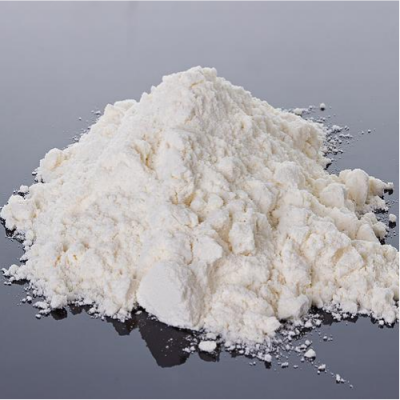


Soaring Oil Prices Shake Chemical Market! Leading PVA Producer Announces Price Hike: All Varieties Up by 2,000 RMB/Ton
As geopolitical conflicts continue to escalate, international crude oil prices have once again breached the $100 per barrel mark for the first time in nearly four years, rapidly transmitting cost pressures down the chemical industry chain. On March 8th, a leading domestic enterprise in the PVA (Polyvinyl Alcohol) industry issued a price adjustment notice, announcing a unified price increase of 2,000 RMB per ton for all its PVA product varieties, effective March 9th.
Cost Pass-Through: Oil Breaks Triple Digits, Downstream Feels the Squeeze
The direct driver of this price hike stems from the surge in upstream raw material costs. On the evening of March 8th, driven by ongoing military conflicts involving the US, Israel, and Iran, international crude oil futures prices broke through the $100 per barrel mark for the first time since mid-2022. Data showed that light sweet crude (WTI) futures for April delivery on the New York Mercantile Exchange once soared to $111.24 per barrel, a spike of 22.38%.
As an important chemical product downstream of oil, PVA prices are highly correlated with crude oil trends. A relevant company representative explained to reporters, "The reason for the price increase is the rising cost of upstream raw materials; price adjustments follow market trends." A source from the company's marketing center further noted that PVA's upstream raw materials include vinyl acetate and ethylene, both derived from crude oil, indicating cost pressures are progressively transmitting along the industrial chain.
Market Reaction: Downstream Cautious, Industry Follows Suit
Faced with this sudden and significant price adjustment, downstream customers are generally adopting a cautious stance. The company stated that market volatility is currently high. Since downstream clients held inventory before the Lunar New Year, they are currently adopting a wait-and-see approach regarding the price changes. However, industry insiders anticipate that this price increase will likely impact prices in downstream sectors such as construction, textiles, and new materials.
This PVA adjustment is not an isolated incident. A research report from GF Securities pointed out that the ongoing geopolitical tensions between the US and Iran is one of the main factors driving recent increases in chemical product prices. In the first week of March (March 2nd to March 6th), out of the 336 chemical products tracked, the number of products with rising prices reached 195, accounting for as much as 58%. Data from BOCI Securities also shows that among the 100 chemical varieties it tracks, 68 saw price increases, with naphtha, phenol, and dichloromethane among the top gainers.
Besides PVA, several other categories such as chromium chemicals, polyurethanes, amino acids, and dyes have also seen price adjustments. BASF recently announced a price increase of up to 20% for its antioxidant, processing aid, and light stabilizer product portfolios used in plastics applications globally. This indicates that the cost pressure triggered by oil prices is spreading widely throughout the chemical industry.
Leader's Position: World's Largest PVA Producer Adjusts Prices
This company is not only a leader in the domestic PVA industry but also one of the world's largest PVA producers by capacity. It holds over 30% of the domestic market share and accounts for more than 25% of exports, with its products widely used in construction, textiles, new materials, papermaking, and other fields.
According to the company's 2025 semi-annual report disclosed during the reporting period, the company's PVA product output was 152,700 tons, a year-on-year increase of 33.17%; it achieved sales revenue of 1.333 billion RMB, a year-on-year increase of 24.58%, translating to an average PVA selling price of approximately 8,730 RMB per ton. Data from Bailing Yingwei (BaiChuan Info) this February showed the average market price for PVA had already risen to 10,076 RMB per ton. This current increase of 2,000 RMB per ton, an increase of nearly 20% , will significantly impact the market landscape.
Future Outlook: Geopolitics Dominates, Volatility Intensifies
Analysts point out that the shipping difficulties in the Strait of Hormuz are at the core of the current supply tightness. Due to blocked passages in the strait caused by the conflict, major oil producers like Iraq, Kuwait, and the UAE have been forced to reduce output because of insufficient storage capacity, further exacerbating the supply shortage.
Opinions diverge regarding the future price trajectory. On one hand, geopolitical risks continue to ferment, with strong expectations of supply-side contraction. On the other hand, it remains to be seen whether downstream demand can absorb the continuously rising costs. An analyst who spoke on condition of anonymity noted that China imports about 20% of its crude oil from the Middle East and possesses relatively strong strategic petroleum reserves. "By releasing our strategic petroleum reserves to counter the supply-side shock, we will be less affected compared to Japan or South Korea, so there's no need for excessive pessimism."
The company, for its part, stated that this price adjustment aims to alleviate cost pressures and ensure stable product supply. The company will dynamically optimize its business strategy based on raw material price fluctuations. As geopolitical conflicts persist and crude oil prices remain high, the wave of price increases in the chemical market may have only just begun.