

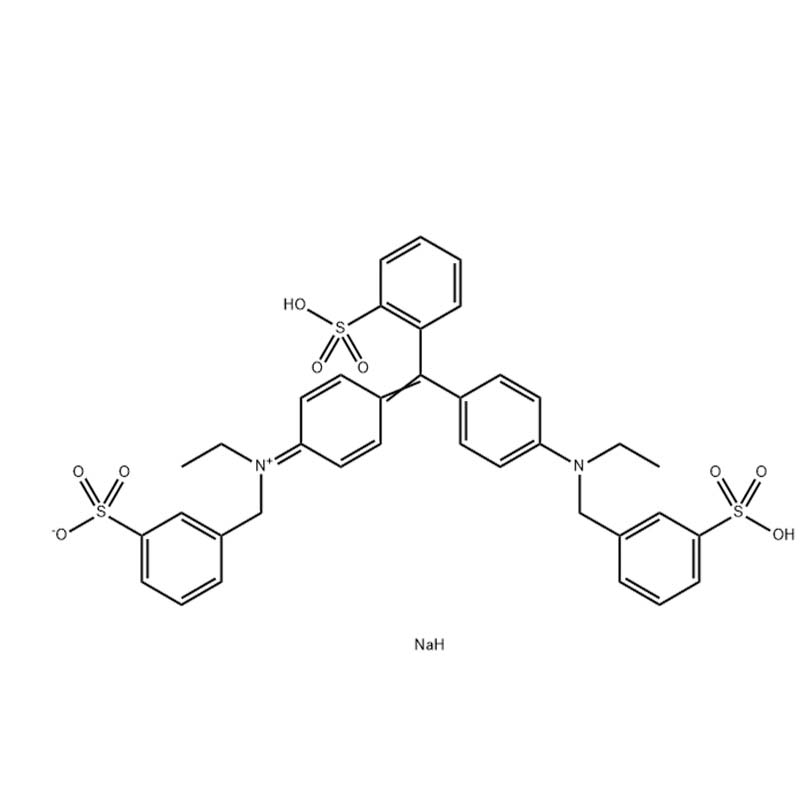
Erioglaucine disodium salt
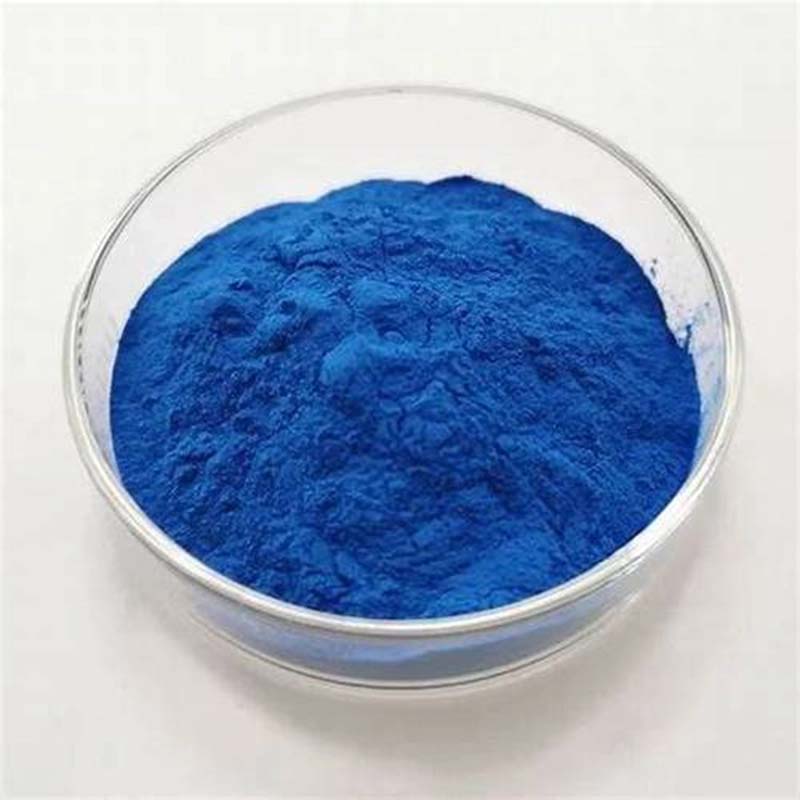
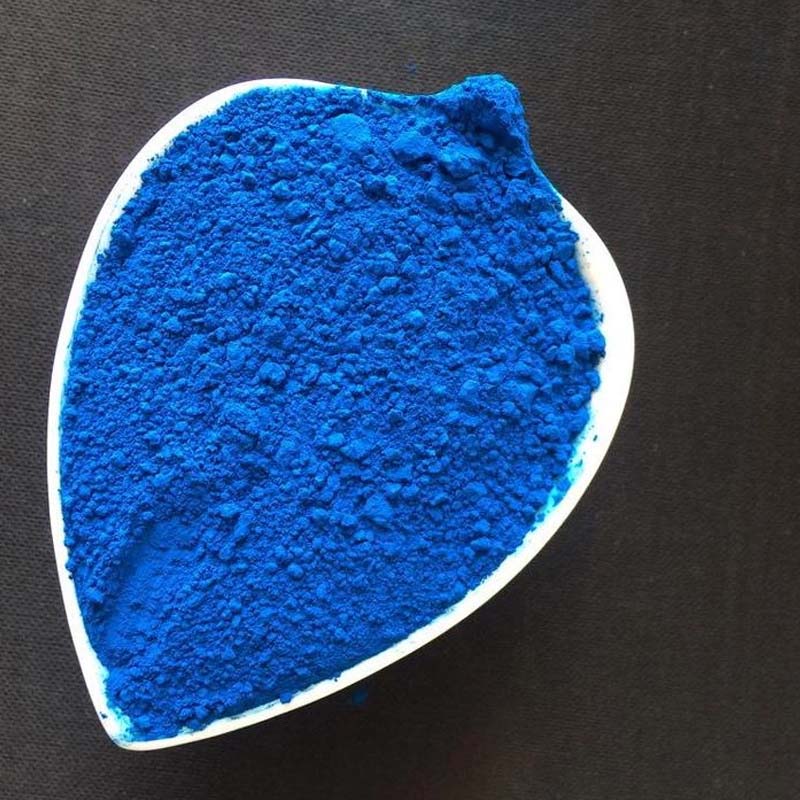
Vivid Blue Color: Brilliant Blue produces an intense and uniform blue shade, making it well-suited for applications requiring vibrant color presentation in food and beverage products.
Water Solubility: It is highly water-soluble, which contributes to its functional versatility across a broad spectrum of liquid and solid formulations.
Stability: The colorant demonstrates notable stability under exposure to light and heat, particularly in neutral to alkaline conditions, enabling it to retain its color integrity under typical processing and storage conditions.
Widely Approved: Brilliant Blue holds approvals from major international regulatory bodies and is commonly utilized in food, beverage, and pharmaceutical industries worldwide.
1. Product Overview
Erioglaucine disodium salt, most commonly known as Brilliant Blue FCF or FD&C Blue No. 1, is a synthetic triarylmethane dye belonging to the class of acid blue colorants. It is one of the most widely used blue colorants globally, serving as a food additive (E133), pharmaceutical excipient, cosmetic colorant, and important biological stain.
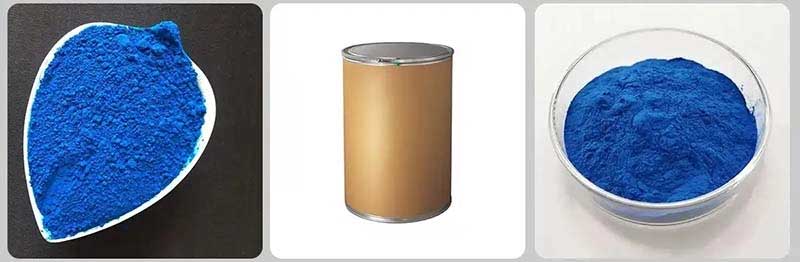
Its chemical formula is C₃₇H₃₄N₂Na₂O₉S₃ with CAS number 3844-45-9 and Color Index number 42090. The product appears as a reddish-violet to deep purple crystalline powder or fine crystalline powder, producing a brilliant blue solution when dissolved in water.
As a classic and extensively applied blue dye, Erioglaucine disodium salt is valued for its vibrant color, excellent stability, and established safety profile, making it an indispensable coloring agent in the food, pharmaceutical, cosmetic, and life science research sectors.
2. Key Features
Globally Certified Classic Blue — Recognized as FD&C Blue No. 1 and E133, it is one of the most widely accepted blue colorants by regulatory bodies worldwide, meeting stringent standards across food, pharmaceutical, and cosmetic industries.
Vibrant and Stable Hue — Produces a bright, clear greenish-blue color with maximum absorption at approximately 625-630 nm. Exhibits good stability to light, heat, and pH variations, ensuring consistent color throughout product shelf life.
High Purity and Tinctorial Strength — High-purity grades achieve specific absorbance (E¹%₁cm) values of ≥1000, meaning very low addition levels achieve desired coloring effects—offering excellent cost-effectiveness with minimal impact on final product properties.
Excellent Water Solubility — Readily soluble in water (up to 1 mg/mL or higher), facilitating direct incorporation into aqueous systems such as beverages, gels, and water-based coatings.
Multifunctional Versatility — Serves both as an approved food colorant and as a validated biological stain with established applications in histology, microbiology, and life sciences research.
Customizable Specifications — Available in multiple purity grades (Pure, Biological Stain, Food Grade) and packaging sizes to meet diverse requirements from R&D to industrial production.
3. Technical Specifications with Explanations
| Parameter | Typical Value/Specification | Description & Significance |
|---|---|---|
| Molecular Formula | C₃₇H₃₄N₂Na₂O₉S₃ | Core identifier for chemical structure; used for molecular weight calculations and stoichiometry. |
| Molecular Weight | Approximately 792.84 - 792.85 g/mol | Essential for quantitative calculations in formulation and analysis. Minor variations between sources are normal. |
| CAS Number | 3844-45-9 | Universal chemical substance identifier. |
| Color Index (C.I.) No. | 42090 | Internationally recognized dye classification number for industrial applications. |
| EINECS Number | 223-339-8 | European inventory identifier. |
| Appearance | Reddish-violet to deep purple crystalline powder | Visual quality indicator. Should be uniform in color, free from lumps and visible impurities. |
| Melting Point | 283 °C (decomposes) | Characteristic physical constant. Decomposition at melting point indicates thermal instability at high temperatures. |
| Purity/Dye Content | Grade-dependent (Biological Stain, Pure, Food Grade) | Core specification. Higher purity means fewer impurities. Biological Stain grade has strict limits on specific impurities for clear staining backgrounds. |
| Maximum Absorbance (λmax) | Approximately 625 - 630 nm | Critical spectral property. Used for qualitative and quantitative analysis; ensures pure color hue. λmax deviation may indicate impurities or quality issues. |
| Specific Absorbance (E¹%₁cm) | ≥ 1000 (at λmax) | Key quality parameter. Absorbance of 1% (1g/100ml) solution in 1cm path length. Higher values indicate stronger tinctorial strength and better cost-effectiveness. |
| Loss on Drying | ≤ 10% (105°C) | Measures moisture and volatile content. Critical for stability and accurate weighing. |
| Solubility | Water: Soluble (1 mg/mL or higher) Ethanol: Soluble Vegetable Oils: Insoluble | Determines application range and formulation approach. Water solubility enables aqueous system use; oil insolubility limits direct use in pure oil systems. |
| Absorbance Ratio (P-15/P+15) | 1.10 to 1.25 | Spectral quality control parameter detecting specific byproducts; ensures batch-to-batch color consistency. |
4. Applications
Food & Beverage Industry
Food Colorant — As E133, widely used in beverages, candies, jellies, ice cream, bakery products, and dairy. Often combined with other colorants (e.g., Tartrazine, Sunset Yellow) to create shades from green to purple.
Pharmaceutical & Personal Care
Tablet Coatings & Capsules — Colors pharmaceutical tablet coatings and hard gelatin capsules for product identification and improved appearance.
Cosmetics — Coloring agent in personal care products (shampoos, body washes, mouthwashes) and cosmetics (eye shadows, nail polishes).
Life Sciences Research & Diagnostics
Biological Stain — Used in histology and microbiology for staining solution preparation.
Behavioral Research — Safe tracer dye for studying feeding behavior in model organisms like Drosophila (fruit flies) by observing abdominal coloration.
Parasitology — Staining egg masses of root-knot nematodes (Meloidogyne incognita) for microscopic counting and observation.
Diagnostic Reagents — Color component or background dye in certain IVD kits.
Industrial Applications
Water-Based Inks & Coatings — Used in writing inks, inkjet printing inks, and various water-based coatings.
pH Indicator — Can function as an acid-base indicator due to its triarylmethane structure.
5. Product Grade Comparison
| Parameter/Grade | Food Grade | Pure Grade | Biological Stain Grade | Analytical Standard |
|---|---|---|---|---|
| Core Standard | Meets FAO/WHO, China GB 1886.217, etc. | General laboratory synthesis & analysis | Biologically tested for staining performance | High-precision quantification, instrument calibration |
| Dye Content (Typical) | ≥85% | ≥90% | ≥90% | ≥95% (HPLC) |
| Specific Absorbance (E¹%₁cm) | ≥1000 | ≥1000 | ≥1000 | Strictly specified range |
| Critical Parameters | Heavy metals (Pb, As, Hg) limits, uncombined intermediates | IR spectrum, UV spectrum, loss on drying | Staining clarity, specific byproduct control | Exact content, HPLC purity |
| Primary Applications | Food, pharmaceutical, cosmetic coloring | Routine lab staining, teaching demos, chemical synthesis | Histology staining, microbiology, research behavioral assays | HPLC quantitative analysis, standard curves, QC |
| Packaging | 1 kg, 5 kg, 25 kg food-grade packaging | 5 g, 25 g, 100 g glass bottles | 5 g, 25 g, 100 g glass bottles | 100 mg, 250 mg ampoules or vials |
6. Purchasing & Selection Guide
Select by Application Area
Food/Pharmaceutical Manufacturers — Must select Food Grade. Require official Certificates of Analysis and compliance documentation meeting relevant regional regulations.
Research & Teaching Laboratories — For routine staining or chemical synthesis, Pure Grade offers excellent cost-effectiveness. For tissue section staining or microbiological studies requiring minimal background interference, choose Biological Stain Grade for clear, reliable results.
Analytical Testing Laboratories — Require Analytical Standards for instrument calibration and quantitative method development to ensure accurate results.
Monitor Critical Spectral Parameters
For all blue color applications, verify supplier-provided λmax (maximum absorbance) and E¹%₁cm (specific absorbance) . λmax should be within 625-630 nm, and E¹%₁cm should be ≥1000—these ensure proper color hue and tinctorial strength.
Verify Solubility Requirements
This product is water-soluble, slightly soluble in ethanol, and insoluble in oils. For purely oil-based systems, consider using the aluminum lake form (Blue 1 Lake) instead.
Regulatory Compliance Verification
Colorant regulations vary by region (US FDA for FD&C Blue No. 1, EU for E133, China GB 2760). Verify supplier can provide documentation supporting compliance with your target market's requirements.
7. Frequently Asked Questions (FAQ)
Q: Are Erioglaucine disodium salt, Brilliant Blue FCF, and FD&C Blue No. 1 the same thing?
A: Yes, absolutely. These are different names for the same chemical substance. Erioglaucine disodium salt is the chemical name, Brilliant Blue FCF is the common name, FD&C Blue No. 1 is the US regulatory designation, and E133 is the EU food additive number.
Q: Is this blue colorant safe?
A: Yes, it is widely recognized as safe globally. FD&C Blue No. 1 and E133 have undergone rigorous evaluation by authoritative bodies including the US FDA and European Food Safety Authority (EFSA) and are approved for use in foods, drugs, and cosmetics when used within specified limits.
Q: How can I verify the quality of my Erioglaucine disodium salt?
A: Evaluate through these key indicators:
Appearance: Uniform reddish-violet to deep purple powder, free from lumps
Color Hue: Prepare dilute aqueous solution (e.g., 0.001%)—should be bright blue. Verify λmax within 625-630 nm
Tinctorial Strength: Measure specific absorbance (E¹%₁cm)—higher values indicate stronger coloring power; quality products require ≥1000
Certification: Request Certificate of Analysis (COA) verifying purity, loss on drying, heavy metals, and other critical parameters
Q: Can it be used for blue beverages?
A: Yes, this is one of its most common applications. Due to its excellent water solubility, it readily dissolves in water to provide stable, bright blue coloration for soft drinks, cocktails, juices, and other beverages.
Q: How should Erioglaucine disodium salt be stored?
A: Store in a tightly sealed container in a cool, dry, well-ventilated area, protected from direct sunlight and away from strong oxidizing agents. After opening, use promptly and reseal tightly to prevent moisture absorption and contamination. Under recommended conditions, shelf life is typically at least 24 months.
8. Delivery, Certification & Service
Delivery Capabilities
Inventory Status: Common sizes (25 g, 100 g, 1 kg) available from regional warehouses. Bulk quantities (5 kg, 25 kg) require advance confirmation with sales team.
Sample Program: Small samples available for testing and formulation validation for research institutions and manufacturers.
Packaging Options:
Research quantities: 5 g, 25 g, 100 g amber glass bottles
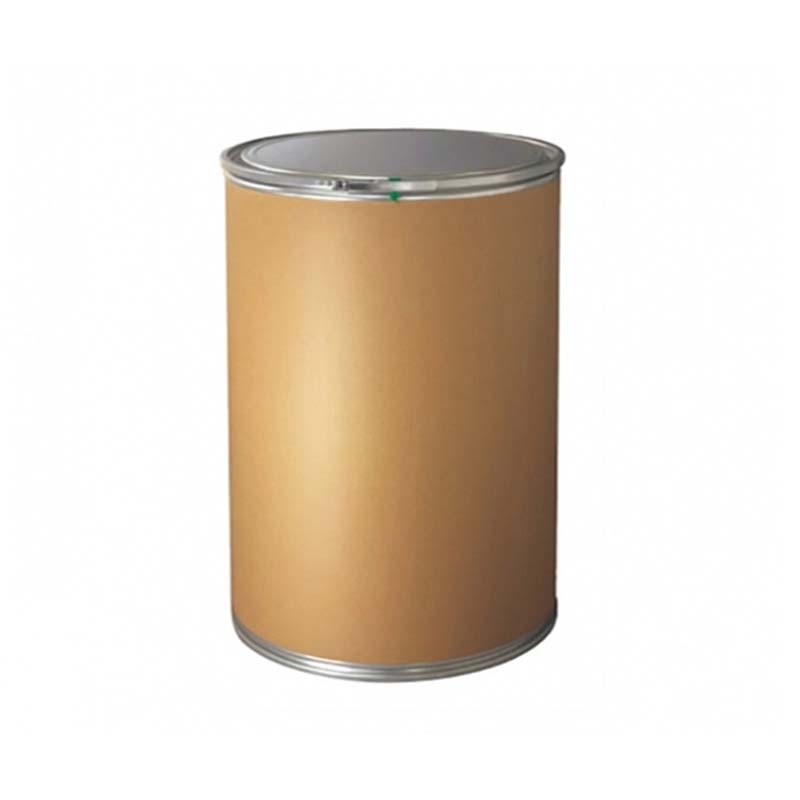
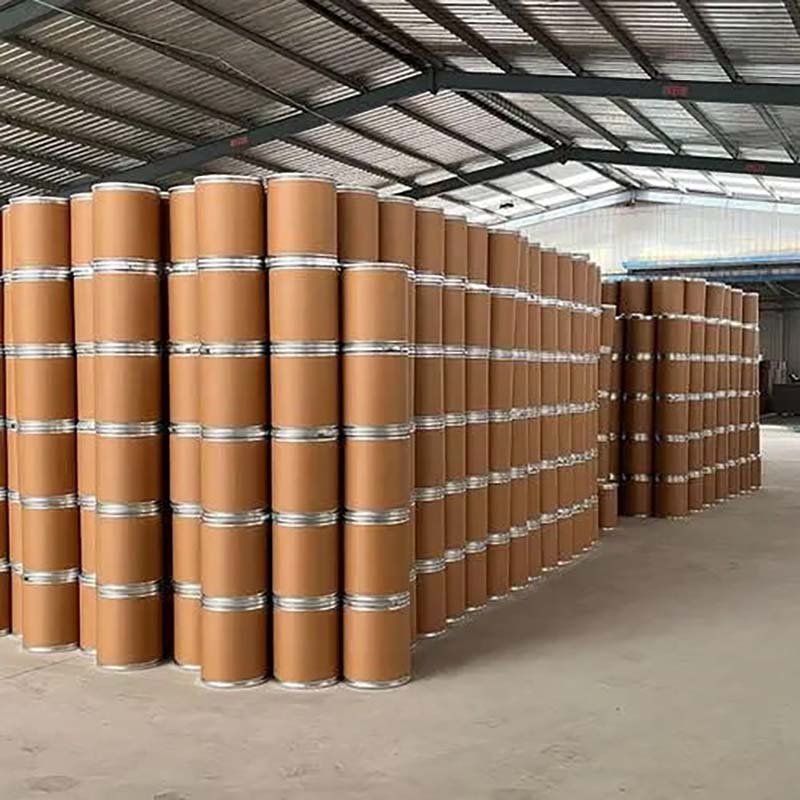
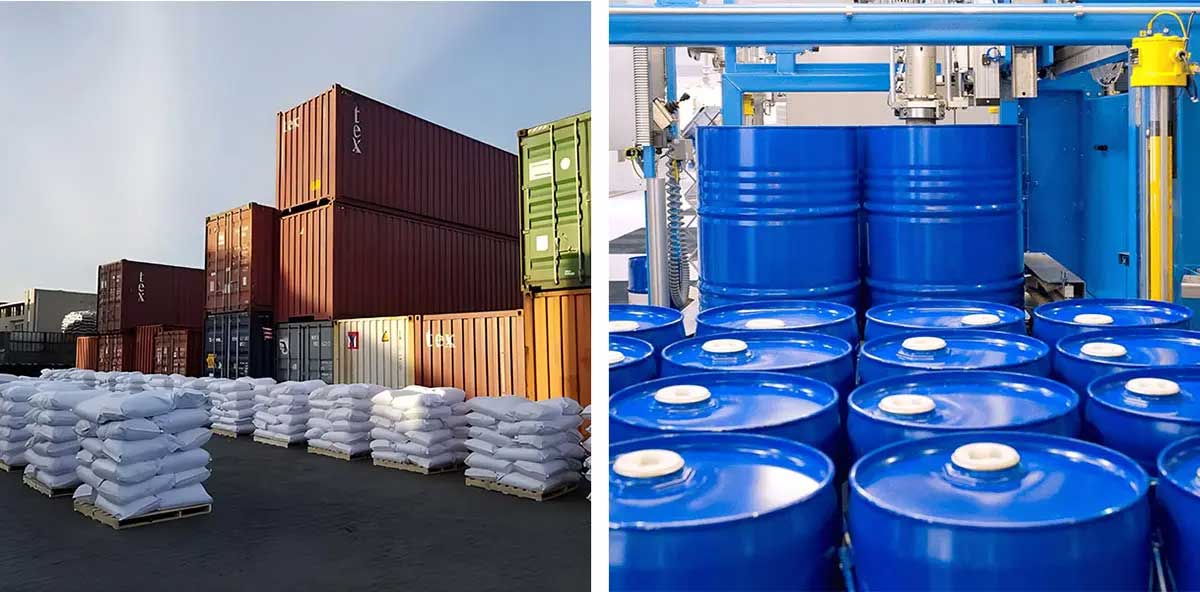
Industrial quantities: 1 kg, 5 kg foil bags or fluorinated bottles; 25 kg fiber drums with inner polyethylene liner
Shipping: Non-hazardous material; standard freight shipping available (express, LTL, full truckload)
Quality Certifications
ISO 9001:2015 certified manufacturing facilities (select grades)
Food Grade products manufactured under GMP (Good Manufacturing Practice) requirements
Certificate of Analysis (COA) provided with each batch, documenting appearance, content, λmax, E¹%₁cm, loss on drying, heavy metals, and other critical parameters
Safety Data Sheet (SDS) available in multiple languages
Third-party test reports (e.g., SGS) available upon request
Pharmacopoeia compliance testing (USP/EP) available for specific requirements
Technical Support & Services
Technical Consultation: Chemist and food science expert team available for online consultation on dissolution, color matching, formulation compatibility, and analytical method development.
Custom Services: Customized packaging specifications and quality standards available for long-term partnership customers.
Regulatory Support: Documentation packages for product registration in target markets available upon request.
Documentation Available
Certificate of Analysis (COA)
Safety Data Sheet (SDS/MSDS)
Technical Data Sheet (TDS)
Food Grade specification and compliance statements
Method validation reports (for analytical standards)