

Aspartame
High-Intensity Sweetening Capacity: Aspartame demonstrates 150-200 times the sweetness intensity of sucrose, enabling significant usage reduction while maintaining cost-efficiency in product formulations.
Favorable Organoleptic Characteristics: Provides a clean sweet taste profile without undesirable aftertaste, particularly effective in enhancing citrus and fruit-flavored beverages and food products.
Non-Cariogenic and Calorie-Reduction Properties: Contributes to calorie control in dietary regimens and presents no cariogenic risk, making it suitable for weight management and diabetic-friendly products.
Enhanced Safety Profile: Exhibits comparatively lower toxicity parameters relative to alternative artificial sweeteners, establishing a favorable safety margin for consumer applications.
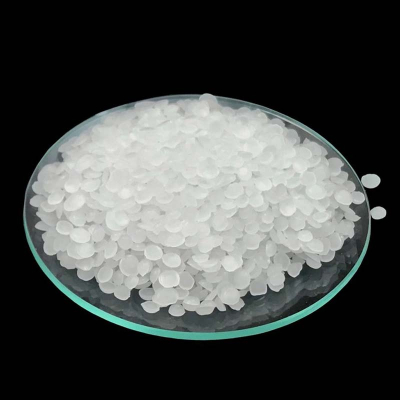
Aspartame is a synthetically produced sweetening agent categorized as an amino acid dipeptide derivative. Initially identified in 1965 during pharmaceutical research targeting ulcer treatments, this compound exhibits several notable characteristics: its high potency sweetness (150-200 times greater than sucrose) enables minimal usage quantities, it delivers an agreeable flavor profile, and it effectively enhances citrus and fruit flavor notes.

Melting point | 242-248 °C |
alpha | 15.5 º (c=4, 15N formic acid) |
Boiling point | 436.08°C (rough estimate) |
density | 1.2051 (rough estimate) |
refractive index | 14.5 ° (C=4, 15mol/L Formic Acid) |
storage temp. | 2-8°C |
solubility | Sparingly soluble or slightly soluble in water and in ethanol (96 per cent), practically insoluble in hexane and in methylene chloride. |
pka | pKa 3.19±0.01 (H2O t=25.0 I=0.100(NaCl))(Approximate);7.87±0.02(H2O t=25.0 I=0.100(NaCl))(Approximate) |
form | |
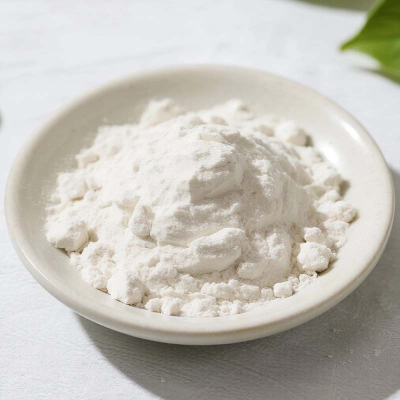
color | White |
PH | pH(8g/l, 25℃) : 4.5~6.0 |
Odor | odorless with a sweet taste |
biological source | mouse |
Water Solubility | Soluble in formic acid, dimethyl sulfoxide. Sparingly soluble in water and ethanol. |
Merck | 14,839 |
BRN | 2223850 |
Sequence | H-Asp-Phe-OMe |
Stability: | Stable. Incompatible with strong oxidizing agents. |
InChIKey | IAOZJIPTCAWIRG-QWRGUYRKSA-N |
LogP | 0.542 (est) |
CAS DataBase Reference | 22839-47-0(CAS DataBase Reference) |
EPA Substance Registry System | L-Phenylalanine, L-.alpha.-aspartyl-, 2-methyl ester (22839-47-0) |
Safety Information
Safety Statements | 22-24/25 |
WGK Germany | 2 |
RTECS | WM3407000 |
TSCA | Yes |
HS Code | 29242990 |
Hazardous Substances Data | 22839-47-0(Hazardous Substances Data) |
Toxicity | TDLo orl-wmn: 3710 mg/kg:SKN AIMEAS 104,207,86 |

The substance additionally supports caloric reduction initiatives, presents no cariogenic risks, and demonstrates reduced toxicity compared to alternative artificial sweeteners such as saccharin. These attributes have facilitated its extensive incorporation into beverage formulations, diabetic dietary products, and weight management supplements. Historically, aspartame served as a fundamental component in mainstream carbonated beverage recipes.