U.S. Designates Phosphorus and Glyphosate as Strategic Materials
On February 18, 2026, former President Trump signed an executive order invoking the Defense Production Act, officially designating phosphorus and glyphosate herbicides as matters of national security priority. The White House explicitly stated that any disruption to the supply of these materials would pose a substantial threat to U.S. national security. It is worth noting that as early as November 2025, the U.S. Geological Survey (USGS) had, for the first time, added phosphate to its list of critical minerals, laying the groundwork for this policy upgrade.
Industry Chain Analysis: Tight Phosphate Rock Supply-Demand Balance Underpins Sector Strength
From a fundamental perspective, the tight supply-demand balance in the domestic phosphate rock market provides strong support for the high of the entire industrial chain.
Resource Endowment and Supply Constraints: China's phosphate rock resources are characterized by a structural shortage of rich ores and an abundance of lean ores. Years of high-intensity mining have led to a continuous decline in minable grades, with mining difficulty and costs trending upwards. Compounding this, stringent environmental policies and heightened safety production regulations have forced a significant number of small and medium-sized producers out of the market. The lengthy lead times for new capacity additions further constrain effective supply growth. According to data from Longzhong Information, as of January 2026, the average spot market price for 30% grade phosphate rock in China has been consolidating at a high of 1,000 RMB/ton for nearly three years.
Key Product Spotlight: Dynamics in Glyphosate, Phosphate Fertilizers, and New Materials
Glyphosate – The Strategic Position of the World's Largest Supplier
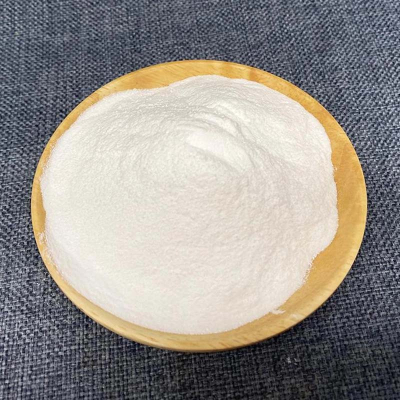
As a critical end-product of the phosphorus chemical chain, glyphosate is synthesized from phosphate rock via intermediates like yellow phosphorus and phosphorus trichloride. Valued for its efficiency, low toxicity, and broad-spectrum non-selective herbicidal properties, it is the herbicide of choice for major field crops such as corn, soybeans, cotton, and wheat, making it an essential agricultural input.
From a production capacity perspective, China supplies approximately 70% of the world's glyphosate technical concentrate, with a highly concentrated industry structure. Data from the China Pesticide Information Network indicates that the top four domestic producers account for over 70% of the nation's capacity. The current market exhibits a "reluctance to sell at low prices" sentiment. Longzhong Information reports that spot quotes for 95% glyphosate technical concentrate remain in the 23,500 to 24,000 RMB/ton range, primarily supported by persistently tight supply and upward cost pressures.
Phosphate Fertilizers – Demand Support from Spring Plowing Preparations
As one of the three primary single-nutrient fertilizers, phosphate fertilizers represent the most significant downstream outlet for phosphate rock. According to JCL Energy, persistently high prices for key raw materials like sulfur are exerting considerable pressure on production costs for phosphate fertilizers, strengthening producers' resolve to maintain firm price quotes. With the peak season for spring plowing fertilizer applications approaching, downstream demand is gradually being released. The market is expected to maintain its high-level consolidation, though mid-to-long-term trends will depend on raw material cost fluctuations and the impact of policy measures.
New Energy Materials – The Emerging Variable from the Energy Storage Sector
Driven by the explosive growth of the new energy vehicle and energy storage markets, demand for phosphorus-containing new energy materials is rising significantly. Estimates from Guosen Securities suggest that if global energy storage battery shipments reach 600GWh, 800GWh, and 983GWh in 2025, 2026, and 2027 respectively, the corresponding demand for phosphate rock could account for 4.7%, 5.9%, and 7% of China's projected domestic production. Crucially, the production of energy-storage-grade iron phosphate requires high-purity raw materials. Suitable high-grade phosphate rock resources are comparatively scarce, positioning companies with access to quality mines and integrated "mine-to-chemical" production capabilities advantageously in the new energy materials sector.