

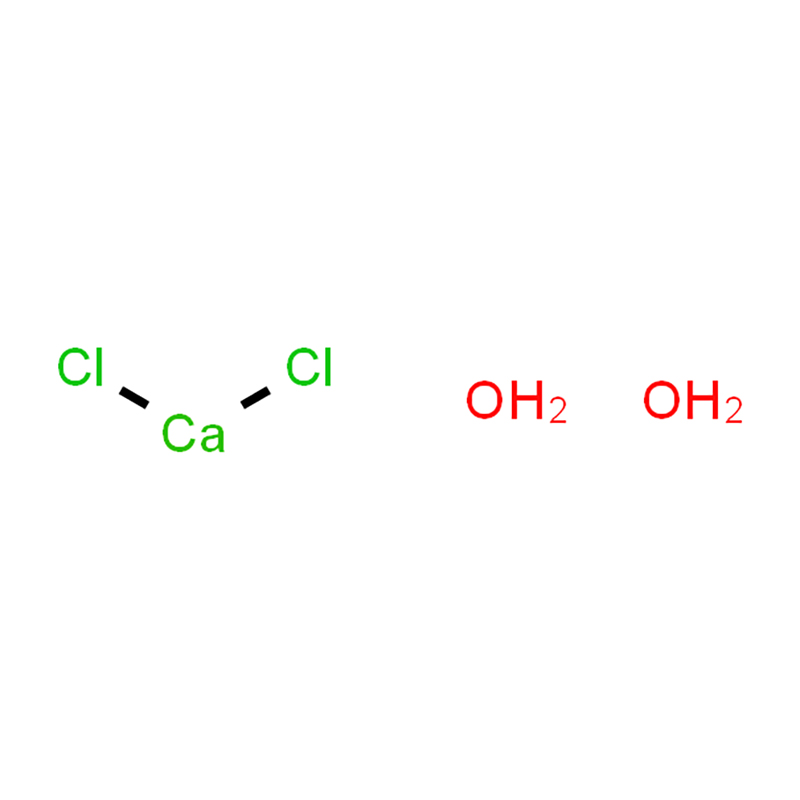
Calcium Chloride (CaCl₂) CAS: 10043-52-4
Ammonium bicarbonate (NH₄HCO₃), commonly known as hartshorn or baking ammonia, is a white crystalline compound. Its defining characteristic is thermal instability; it decomposes rapidly when heated, releasing gases. This property makes it essential as a leavening agent in the food industry for products like crackers and cookies, and as a fast-acting nitrogen fertilizer in agriculture. Due to its instability, it must be stored sealed in a cool, dry place.
I. Basic Characteristics Overview
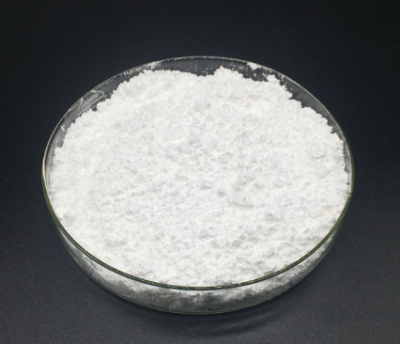
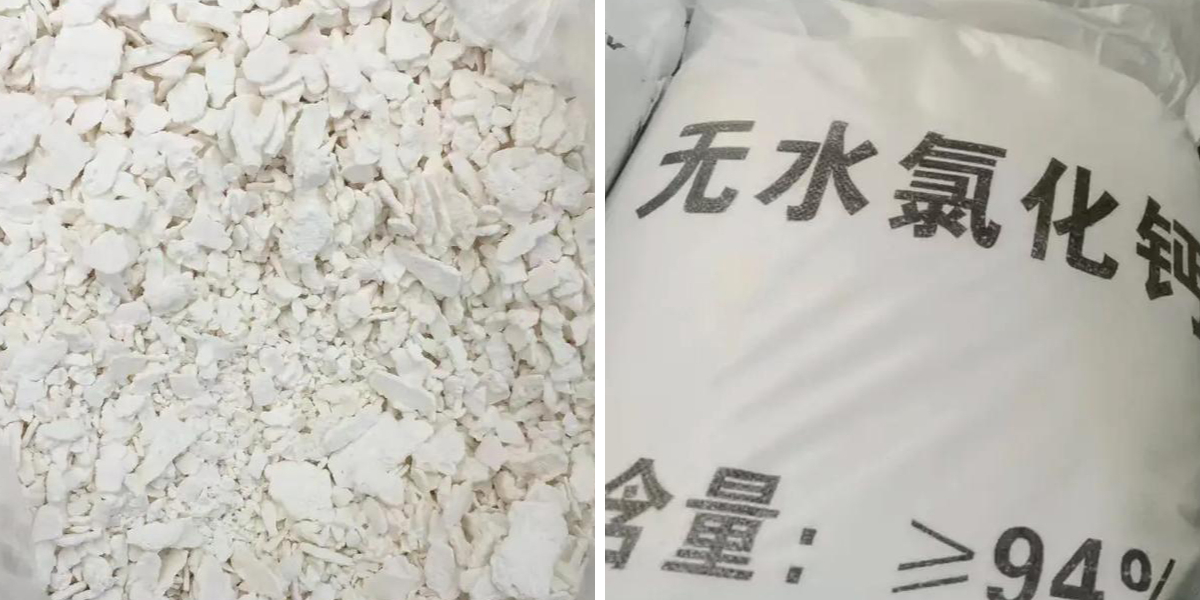
Calcium chloride (CaCl₂) is an inorganic salt composed of chlorine and calcium, commonly found in anhydrous, dihydrate, and hexahydrate forms. This compound appears white or off-white in color and can be solid (lumps, granules, flakes, or powder). Its notable properties include extremely high hygroscopicity, exothermic dissolution in water, high solubility, and the ability to significantly depress the freezing point of water. It is non-flammable, relatively chemically stable, but corrosive. It is widely used in industrial, food, pharmaceutical, and road maintenance applications.
II. Key Physical & Chemical Properties
| Property | Anhydrous Calcium Chloride (CaCl₂) | Dihydrate Calcium Chloride (CaCl₂·2H₂O) |
|---|---|---|
| Chemical Formula | CaCl₂ | CaCl₂·2H₂O |
| Molecular Weight | 110.98 g/mol | 147.01 g/mol |
| Appearance | White porous granules/powder | White or off-white flakes/granules |
| Odor | Odorless | Odorless |
| Density | 2.15 g/cm³ | 1.85 g/cm³ |
| Melting Point | 772 °C | 176 °C (decomposes with loss of water) |
| Boiling Point | >1600 °C | - |
| Solubility in Water (20°C) | Very high (~74.5 g/100 mL) | Very high (~97 g/100 mL, varies little with temperature) |
| pH (1M Solution) | Approx. 5.5 - 9.0 | Approx. 5.5 - 9.0 |
| Hygroscopicity | Extremely high; commonly used as a desiccant | High |
| Key Characteristics | Strong hygroscopicity, exothermic dissolution, low freezing point solutions, corrosive nature. |
III. Primary Application Fields
Roads & Transportation: Used as a de-icing agent and antifreeze on roads and sidewalks because it significantly lowers the freezing point of water and releases heat, rapidly melting snow and ice and preventing re-freezing.
Desiccant: Due to its extreme hygroscopicity, it is used to dry gases (e.g., N₂, O₂, H₂), hydrocarbons, and various organic liquids.
Construction Industry: As a concrete additive (accelerator), it speeds up cement hydration and hardening, increases early strength, and is used for freeze protection in winter construction.
Food Industry: As a food additive (firming agent, stabilizer, thickener; INS 509), used in tofu coagulation, electrolyte replenishment in sports drinks, crispness retention in canned vegetables, etc.
Oil & Gas: Used as an additive in drilling and completion fluids to control density and inhibit clay swelling.
Water Treatment & Refrigeration: Used as brine in refrigeration systems; and as a flocculant and calcium ion supplement in water treatment.
Other Fields: Used in tire ballast, dust control, chemical production (as a calcium source), etc.
IV. Storage & Handling
Storage Conditions: Must be stored in a cool, dry, and well-ventilated warehouse. Due to its extremely high hygroscopicity, packaging must be tightly sealed to prevent contact with air. It is recommended to use woven bags with inner polyethylene liners or waterproof containers.
Handling Precautions:
Operators should wear dust masks, protective goggles, and anti-corrosion gloves to avoid dust inhalation and skin contact.
The substance is corrosive to metals (especially when wet); prolonged contact with equipment should be avoided.
Dissolution is strongly exothermic. When preparing solutions, slowly add the product to water with stirring. Never add water to the solid product to prevent violent spattering.
Avoid storage and transport with strong oxidizers and strong acids.
Spill Response: Collect spilled material with a dry, clean shovel and place it in a sealed container. Rinse the contaminated area thoroughly with plenty of water. Due to its deliquescent nature, clean up promptly to prevent the formation of corrosive solutions.