

2-Phenoxyethanol (Pharmaceutical Grade)CAS:122-99-6
Antimicrobial Performance
Toxicological & Compatibility Advantages
Regulatory & Market Edge
Wide-Ranging Application Scenarios
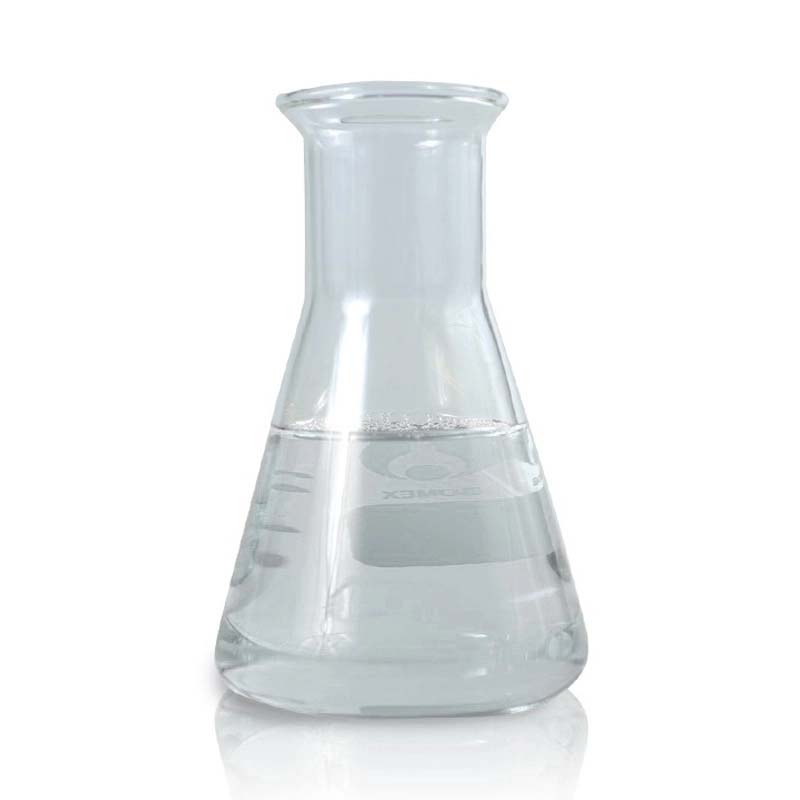
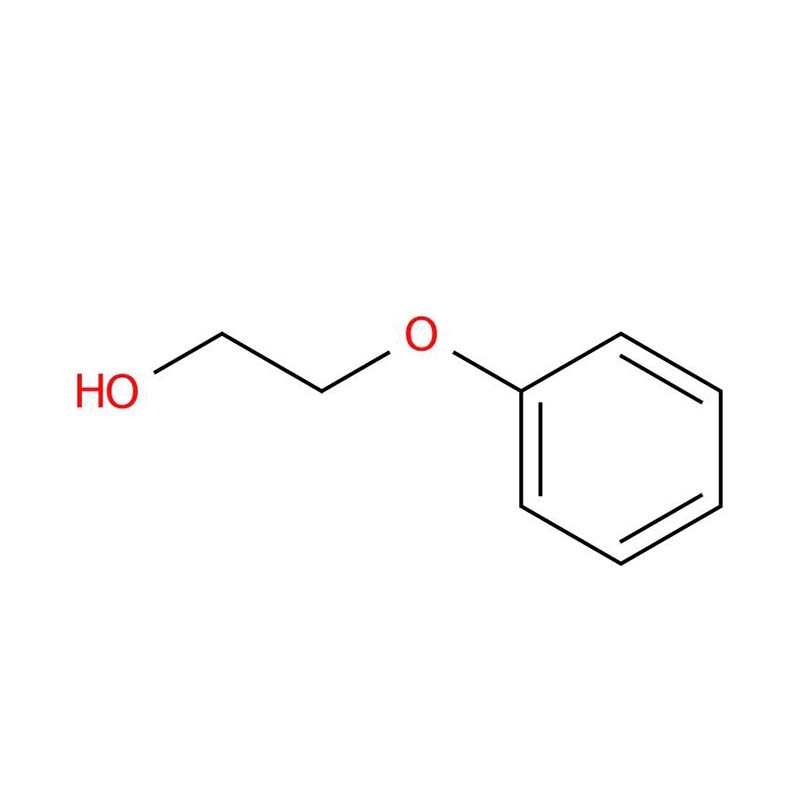
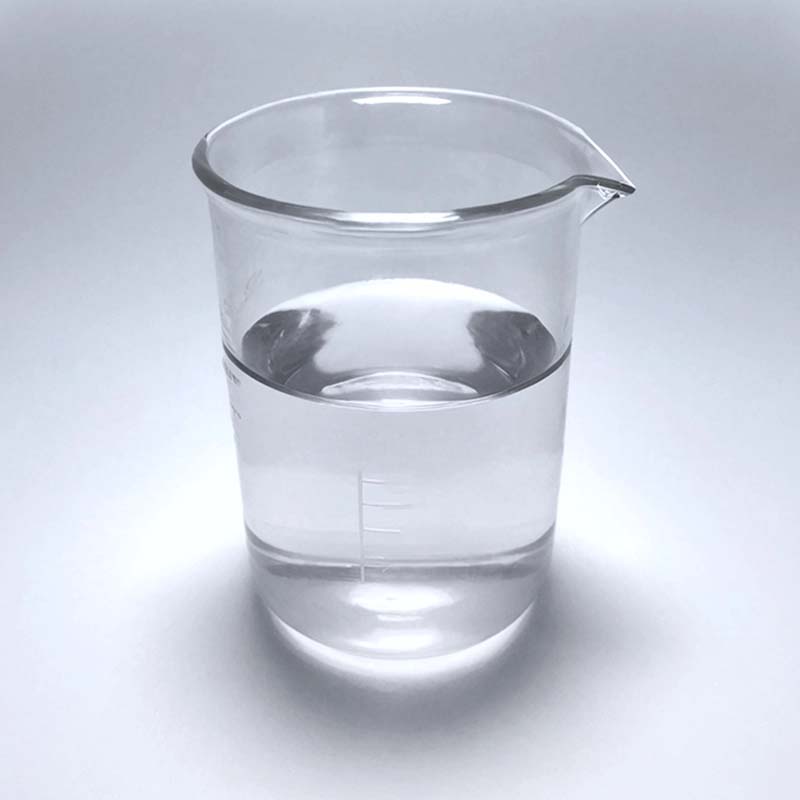
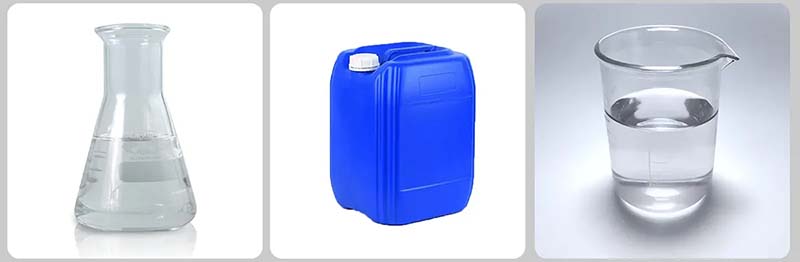
As a type of glycol ether derivative, 2‑phenoxyethanol is widely incorporated into dermatological preparations and cosmetic goods such as topical ointments, body lotions and sun care items. This transparent viscous liquid comes with powerful bacteriostatic and fungistatic capabilities, making it a high‑efficiency preservative for daily personal care supplies. Its antibacterial effects can be further boosted when compounded synergistically with quaternary ammonium salts.
Chemical Characteristics
| Parameter | Specification |
|---|---|
| Melting point | 11–13 °C |
| Boiling point | 247 °C |
| Density | 1.102 g/mL (25 °C) |
| Vapor density | 4.8 (relative to air) |
| Vapor pressure | 0.01 mmHg (20 °C) |
| Refractive index | n₂₀/D = 1.539 |
| FEMA Number | 4620 |
| Flash point | Above 230 °F |
| Storage requirement | Keep below 30 °C |
| Solubility | Fully miscible to form clear, pale yellow or colorless solutions |
| pKa (calculated) | 14.36±0.10 |
| Physical form | Liquid |
| Appearance | Transparent and colorless |
| Specific gravity | 1.109 (20/4℃) |
| Scent | Mild floral aromatic smell |
| pH Value | 7 (10 g/L aqueous solution, 23 °C) |
| Explosion range | 1.4–9.0% volume fraction |
| Odor classification | Floral |
| Water solubility | 30 g/L at 20 °C |
| Merck Index entry | 14,7257 |
| BRN registry number | 1364011 |
| InChIKey | QCDWFXQBSFUVSP-UHFFFAOYSA-N |
| LogP value (23℃) | 1.2 |
| CAS No. | 122-99-6 |
| NIST Reference | 2-Phenoxyethanol (122-99-6) |
| EPA Registry Name | Ethylene glycol monophenyl ether (122-99-6) |
Safety Information
| Hazard classification labels | Xn, Xi |
| Risk phrases | R22, R36 |
| Safety operation advice | S26 |
| German water hazard grade (WGK) | 1 |
| RTECS code | KM0350000 |
| Autoignition temperature | 535 °C (DIN 51794 standard) |
| Hazard property classification | Skin irritant |
| TSCA registration status | Approved |
| HS tariff code | 29094990 |
| Toxicity metrics | Oral LD50 (rabbit): 1850 mg/kg; Dermal LD50 (rabbit): over 2000 mg/kg |
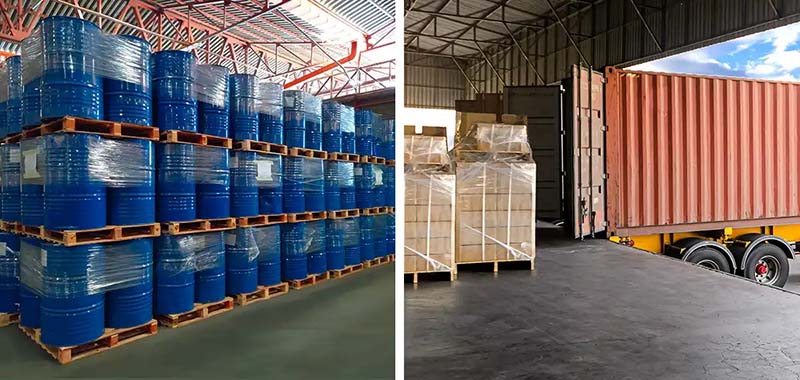
Apart from daily beauty products, the substance acts as a potent preservative for biological reagents and pharmaceutical formulations like vaccines and parenteral injections, which suppresses microorganism reproduction and prolongs product storage duration.
With mild irritation effects and well-controlled skin permeation, its favorable toxicological traits allow application in both external and injectable drug systems.
It has become a mainstream replacement for parabens to ease regulatory concerns about endocrine interference. International guidelines generally restrict its content within 1.0% in cosmetic formulas to secure consumer safety without weakening preservation efficiency.