


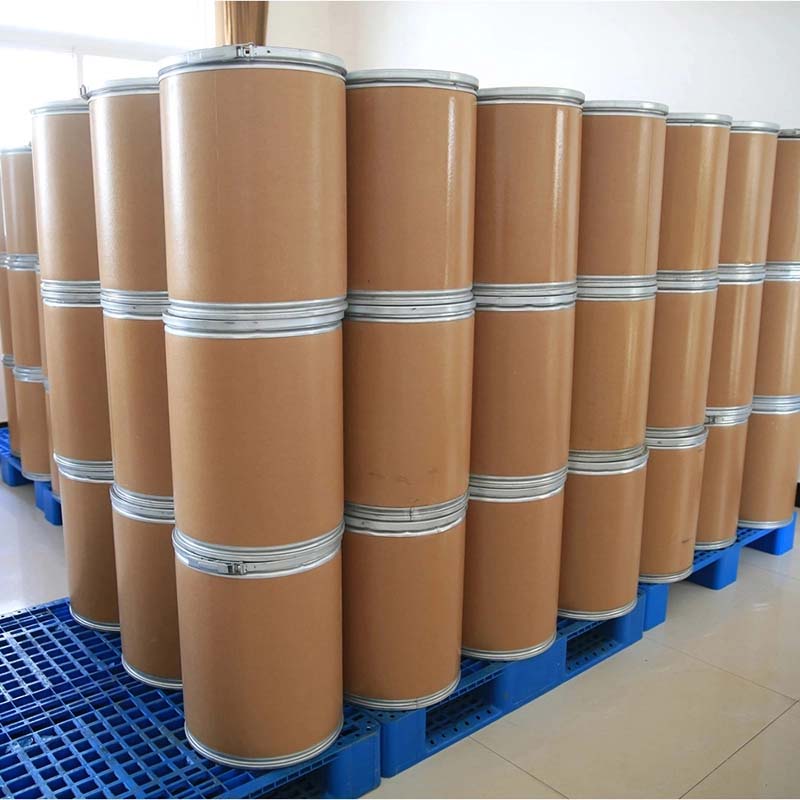
Hydrogenated castor oil
Clear Viscous Appearance: Exhibits as a transparent, viscous liquid ranging from virtually colorless to pale yellow with excellent clarity.
Pleasant Sensory Traits: Possesses a subtle aroma accompanied by a delicate, faintly spicy flavor profile.
Versatile Solubility: Demonstrates solubility in ethanol and limited miscibility in aliphatic hydrocarbon solvents.
Stable at Room Temperature: Remains in a stable liquid state without phase separation under standard ambient storage conditions.
1. Product Overview
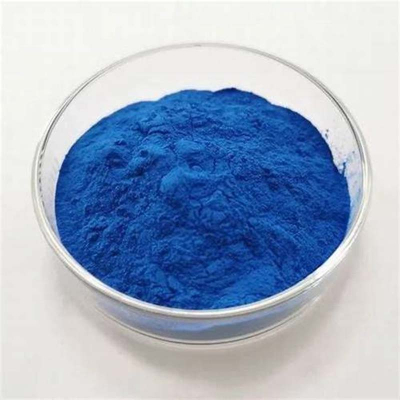
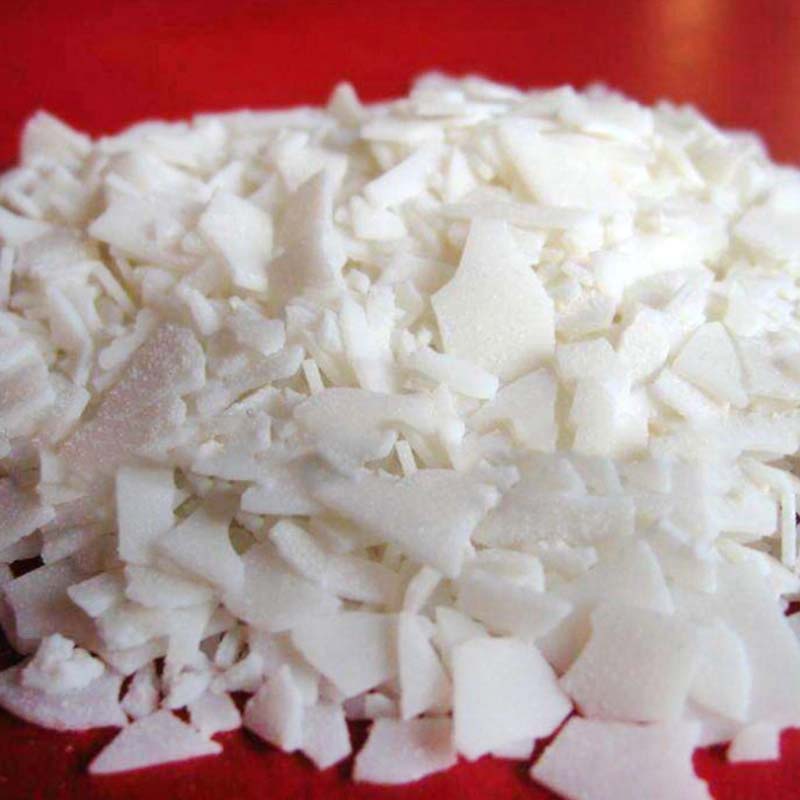
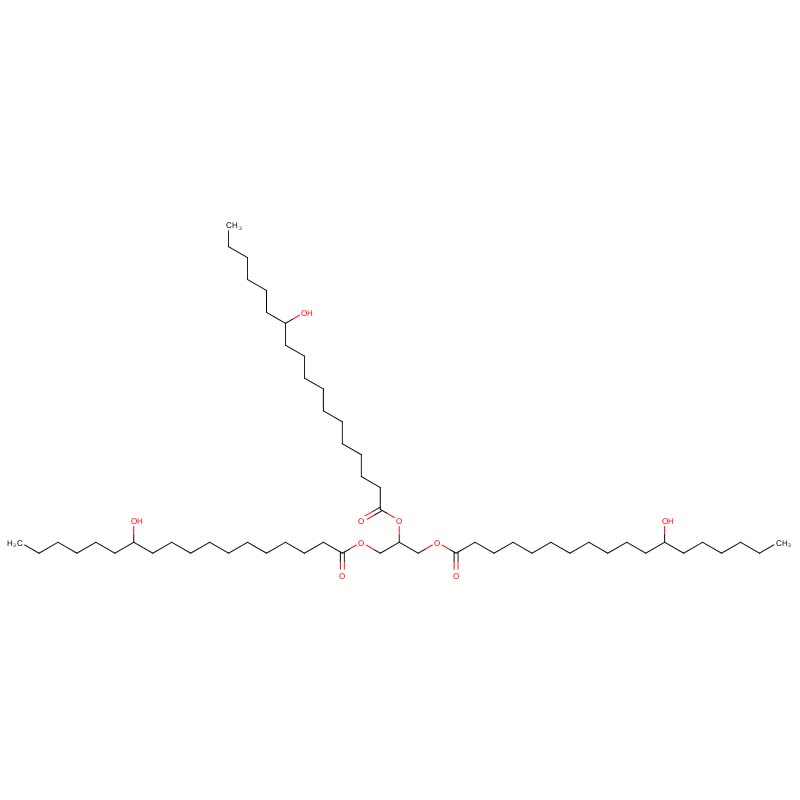
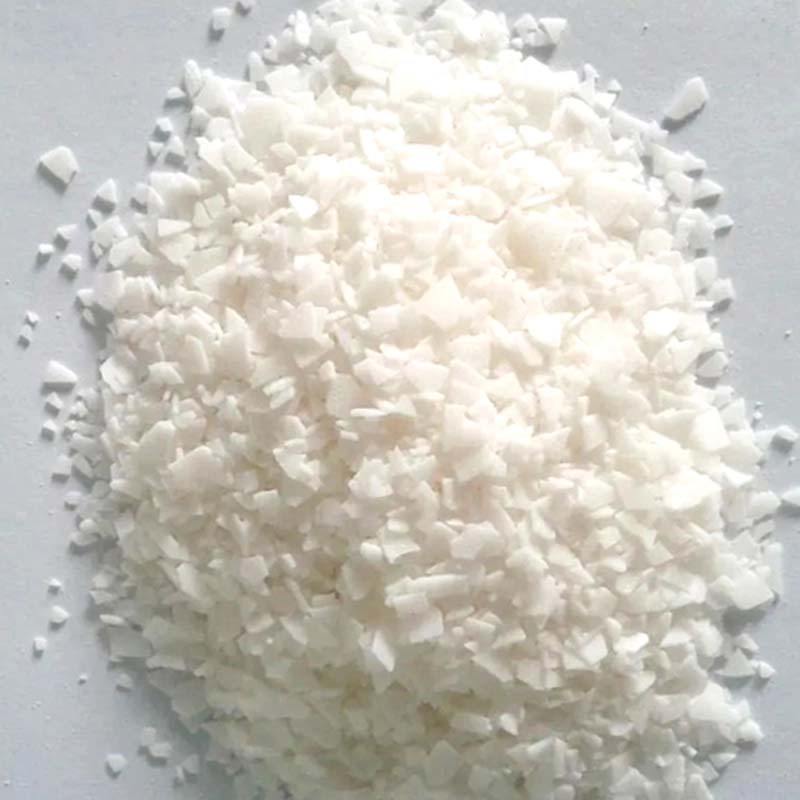
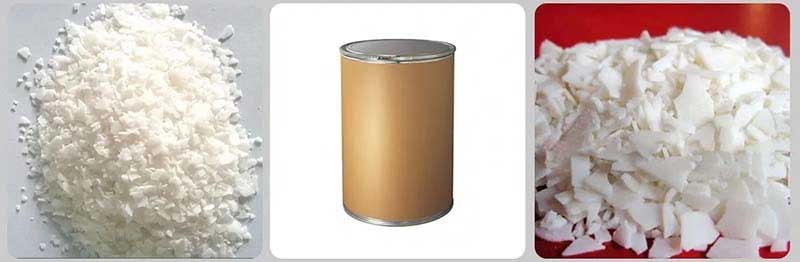
Hydrogenated Castor Oil (HCO) is a naturally derived waxy solid produced by the catalytic hydrogenation of castor oil . It consists primarily of triglycerides of 12-hydroxystearic acid, formed by saturating the unsaturated double bonds of ricinoleic acid present in castor oil . The product appears as a white to pale yellow waxy solid, flakes, or powder .
Recognized as a versatile organic wax and rheology modifier, HCO retains the valuable hydroxyl functionality of castor oil while achieving higher melting point and stability through hydrogenation. This unique combination of properties makes it essential across numerous industries, including cosmetics, personal care, pharmaceuticals, coatings, plastics, and lubricants .
As a renewable, bio-based chemical, hydrogenated castor oil serves as an indispensable natural ingredient in modern industrial formulations, valued for its exceptional thickening, gelling, film-forming, and lubricating properties .
2. Key Features
Natural & Renewable Origin: Derived from the castor plant, HCO is a bio-based material with a Renewable Carbon Index exceeding >95% , aligning with green chemistry and sustainability initiatives .
High Melting Point & Thermal Stability: Hydrogenation significantly increases the melting point to 85-88°C , far above that of regular castor oil, making it a solid at room temperature and suitable for heat-stable formulations .
Exceptional Thickening & Gelling Properties: When dissolved in the oil phase upon heating and cooled, it forms a network structure that significantly increases viscosity and consistency, imparting excellent texture and stability to creams, sticks (e.g., lipsticks, deodorant sticks), and ointments .
Excellent Film-Forming & Water Resistance: Forms a smooth, glossy film on surfaces with good water resistance and moisturizing properties, widely used in coatings, leather care, and skincare products .
High Safety & Regulatory Acceptance: Approved by the FDA for food contact materials . Its derivatives (e.g., PEGylated forms) are considered safe under current use conditions by the Cosmetic Ingredient Review (CIR) panel . Meets USP/NF standards for pharmaceutical applications .
Multifunctional Additive Properties: Functions as an anti-caking agent in powders, improving flow and release properties ; as a lubricant and mold release agent in plastics processing ; and as a thickener in lubricating grease manufacturing .
3. Technical Specifications with Explanations
Based on USP29-NF24 and relevant industrial standards:
| Parameter | Typical Value/Specification | Description & Significance |
|---|---|---|
| CAS Number | 8001-78-3 (Hydrogenated Castor Oil) / 8031-45-6 (sulfonated derivatives) | Universal chemical identifiers . |
| Primary Component | Glyceryl tri-12-hydroxystearate | Core functional component after hydrogenation; determines high melting point and waxy characteristics. |
| Appearance | White to pale yellow powder, flakes, or waxy solid | Visual quality indicator; different physical forms suit different processing needs . |
| Melting Point | 85 – 88 °C | Core specification. Solid below this temperature, liquid above; critical for its function as a structuring agent and thermal behavior . |
| Hydroxyl Value | 154 – 162 mg KOH/g | Key functional parameter. Measures hydroxyl group content; directly affects reactivity (e.g., with isocyanates) and compatibility in polar systems . |
| Iodine Value | ≤ 5 | Core purity indicator. Measures degree of unsaturation; very low value indicates complete hydrogenation, chemical stability, and oxidation resistance . |
| Saponification Value | 176 – 182 mg KOH/g | Reflects average molecular weight of triglycerides; used to verify product purity and consistency . |
| Free Fatty Acids | ≤ 1.1 mL (0.1 N NaOH/20g) | Controls free fatty acid content; low value prevents rancidity and ensures product stability and odor purity . |
| Density | ~0.99 g/cm³ (25°C) | Slightly lighter than water; used for volume-to-weight conversions . |
| Particle Size (D50) | 8.0 – 12.0 μm (micronized grade) | Particle size distribution for micronized products; affects dispersion in coatings, powders, and final tactile feel . |
| Biodegradability | Meets OECD 301 standards | Readily biodegradable under specified conditions; good environmental compatibility . |
4. Applications
Cosmetics & Personal Care
Color Cosmetics: As a structuring agent and thickener, widely used in lipsticks, lip balms, foundation sticks, eye shadow sticks, and mascaras to provide excellent moldability, thermal stability, and smooth application .
Skin Care Products: In creams, sunscreens, and body lotions as a viscosity modifier, film former, and emollient. Improves texture, provides a silky feel, and forms a protective film on skin, enhancing water resistance .
Hair Care: Provides hold and shine in styling products like hair waxes and pomades.
Other: Functions as a pigment dispersant, ensuring uniform dispersion of pigments in the oil phase.
Pharmaceutical & Veterinary
Pharmaceutical Excipient: Used as a tablet lubricant, sustained-release matrix material in oral solid dosage forms. Its high melting point enables use in hot-melt extrusion formulations.
Long-Acting Injectables: In veterinary medicine, used to prepare long-acting injectable formulations. Combined with hydrophobic carriers, it can delay drug release for prolonged effects .
Ointment Base: Serves as an oil phase component in semi-solid preparations.
Plastics & Polymer Industry
Plastic Lubricant & Mold Release Agent: In PVC, polyolefins, and other plastics processing, acts as an internal and external lubricant, improving melt flow, preventing melt fracture, and facilitating mold release .
Bioplastics: Functions as a processing aid and modifier for bio-based plastics, enhancing processability and flexibility .
Coatings & Inks
Coating Additive: In water-based and solvent-based coatings, serves as a rheology modifier, anti-settling agent, and matting agent, improving storage stability and application performance .
Printing Inks: Acts as a thickener and gelling agent, controlling rheology and thixotropy for improved print clarity .
Powder Coatings: Functions as a flow aid and anti-caking agent, preventing caking and improving spray efficiency .
Lubricating Greases & Industrial Oils
Grease Thickener: Reacts with metal hydroxides (lithium, calcium) to form 12-hydroxystearate soaps—the core raw material for high-performance general-purpose greases (e.g., lithium grease) .
Metalworking Fluids: Used as a lubricity and anti-corrosion additive.
Agriculture & Fertilizers
Fertilizer Anti-Caking Agent: As a coating agent or anti-caking agent for granular fertilizers, preventing moisture absorption and caking during storage and transport, maintaining granule flowability .
Seed Coating: Acts as a binder and controlled-release agent in seed treatment formulations, helping active ingredients adhere to seeds while providing some water resistance .
Food & Food Contact Applications
Food Contact Materials: FDA-approved for use in paper, paperboard, and polymer materials intended for food contact, as an additive or coating . Its sulfonated derivatives are also used in food contact paper manufacturing .
Food Additive: May be used as an anti-caking or surface treatment agent in some regions (subject to local regulations).
5. Product Grade Comparison
| Parameter/Grade | Industrial Grade (Flakes/Solid) | Micronized Grade (Powder) | Pharmaceutical Grade (USP/NF) | Cosmetic Grade |
|---|---|---|---|---|
| Core Standard | General industrial specifications | Specific particle size requirements | Meets USP/NF standards | Meets cosmetic ingredient specifications |
| Physical Form | Flakes, blocks, granules | White fine powder | Flakes or powder | Flakes, powder, or granules |
| Melting Point | 85-88°C | 85-88°C | 85-88°C | 85-88°C |
| Particle Size (D50) | Not applicable | 8.0 – 12.0 μm (max < 31 μm) | Not applicable | Customizable |
| Critical Parameters | Melting point, acid value, iodine value, saponification value | Particle size distribution, bulk density, flowability | Heavy metals, microbial limits, purity | Color, odor, heavy metals |
| Primary Applications | Grease manufacturing, plastics processing, rubber, industrial coatings | Powder coatings, fertilizer anti-caking, seed coating, premium inks | Oral solid dosage forms, long-acting injections, pharmaceutical excipients | Lipsticks, foundations, skincare, hair waxes |
| Typical Suppliers | Acme Hardesty Co. et al. | Micro Powders (NATUREFINE H325) et al. | Merck, BASF et al. | Croda, Ashland et al. |
| Certifications/Sustainability | Standard | Renewable Carbon Index >95%, biodegradable | USP/NF, GMP | Sustainable castor oil certifications |
6. Purchasing & Selection Guide
Select by Physical Form
Flakes/Blocks/Solid:
Advantages: Lower cost, convenient packaging and transport, suitable for large-scale melting processes.
Disadvantages: Difficult to disperse uniformly when added directly to powder mixtures.
Suitable for: Grease production, plastics processing, formulations requiring heating in the oil phase.
Micronized Powder:
Advantages: Fine particle size (5-15 μm) , easy dry blending with other powders at room temperature, excellent dispersion, provides smooth tactile feel and glossy appearance .
Disadvantages: Higher processing cost, larger surface area requires protection from moisture.
Suitable for: Powder coatings, fertilizer anti-caking, seed coating, premium cosmetic powder formulations, dry blends .
Select by Purity & Application Standard
Industrial Grade: Cost-effective choice for grease, plastics, industrial coatings where purity requirements are less stringent.
Cosmetic Grade: Must select Cosmetic Grade. Focus on whiteness, odor (odorless or faint characteristic odor), and heavy metal content to ensure no adverse impact on finished product sensory quality and safety .
Pharmaceutical Grade (USP/NF) : Essential for oral solid dosage forms, sustained-release materials. Must meet pharmacopoeia standards. Request Drug Master File (DMF) and cGMP compliance documentation from suppliers .
Key Performance Indicator Verification
Melting Point (85-88°C) : Ensures structuring and thermal stability in final products .
Hydroxyl Value (154-162) : Critical for chemical reactions (e.g., lithium grease preparation, polyurethane synthesis) determining formulation stoichiometry .
Iodine Value (≤5) : Key indicator of oxidative stability and hydrogenation completeness; lower values mean greater stability and aging resistance .
Particle Size Distribution: For micronized grades, verify D50 and maximum particle size meet application requirements (e.g., spray coating processes) .
7. Frequently Asked Questions (FAQ)
Q: What is the difference between hydrogenated castor oil and regular castor oil?
A: Regular castor oil is a liquid vegetable oil primarily composed of ricinoleic acid (containing unsaturated double bonds). Hydrogenated castor oil is produced by hydrogenation, which saturates the unsaturated bonds, resulting in a solid waxy material . This process increases the melting point and oxidation resistance, transforming the liquid oil into a solid wax with thickening and film-forming properties.
Q: What role does hydrogenated castor oil play in lipsticks?
A: It serves as a critical structural backbone in lipsticks. As a thickener and gelling agent, it raises the melting point and hardness, preventing deformation or melting in warm environments. It also aids in uniform pigment dispersion and contributes to smooth application and good gloss .
Q: Is hydrogenated castor oil biodegradable?
A: Yes. As a plant-derived natural derivative, hydrogenated castor oil is considered readily biodegradable. It meets OECD 301 biodegradability testing standards .
Q: How do I incorporate hydrogenated castor oil into my formulation?
A: Due to its high melting point (85-88°C), it must be incorporated by heating.
Oil Phase Addition: Combine with oil phase ingredients and heat together to 90-95°C until completely melted and dissolved, then proceed with emulsification or mixing.
Cannot be dissolved in cold water or room-temperature oils, as it will remain as solid particles and fail to provide thickening or structuring effects.
Q: What storage conditions are required for hydrogenated castor oil?
A: Store in sealed containers in a cool, dry, well-ventilated area, protected from direct sunlight and away from strong oxidizing agents . Micronized grades, with their larger surface area, are more prone to moisture absorption and require extra care in sealing . Under proper conditions, shelf life is typically 2-3 years.
Q: Can it be used in vegan or natural cosmetics?
A: Yes. Hydrogenated castor oil is 100% plant-derived and therefore suitable for vegetarian and vegan cosmetics. Many suppliers also offer sustainably certified castor oil products meeting natural and organic cosmetic standards .
8. Delivery, Certification & Service
Delivery Capabilities
Inventory Status: Regular flakes and micronized grades available from regional warehouses.
Sample Program: Small quantities (e.g., 500g) available for formulation testing and evaluation.
Packaging Options:
Industrial grade: 20 kg multi-ply paper or woven bags, 25 kg fiber drums
Micronized grade: 15 kg or 20 kg fiber drums or paper bags with polyethylene liner
Custom packaging: Available for volume customers
Shipping: Non-hazardous material; standard freight shipping available (express, LTL, full truckload)

Quality Certifications
ISO 9001:2015 certified manufacturing facilities
Pharmaceutical Grade produced under cGMP (current Good Manufacturing Practices)
Certificate of Analysis (COA) provided with each batch, documenting appearance, melting point, acid value, iodine value, saponification value, hydroxyl value, particle size (where applicable)
Safety Data Sheet (SDS) available in multiple languages
Third-party test reports (e.g., SGS) available upon request
Additional certifications available:
Non-GMO declaration
Allergen statement
Halal certificate
Kosher certificate
Sustainable castor oil certification
Technical Support & Services
Technical Consultation: Application specialist team available for online consultation on product selection, heating/dissolution procedures, formulation optimization (thickening, gelling), and process adaptation
Custom Services: Tailored particle size specifications, quality standards, and packaging options for qualified long-term customers
Regulatory Support: Documentation packages for product registration in target markets
Documentation Available
Certificate of Analysis (COA)
Safety Data Sheet (SDS/MSDS)
Technical Data Sheet (TDS)
Product Specification (PS)
Certificate of Origin (COO)
Halal certificate
Kosher certificate
Sustainable castor oil certification
Pharmaceutical excipient documentation (DMF, where applicable)