

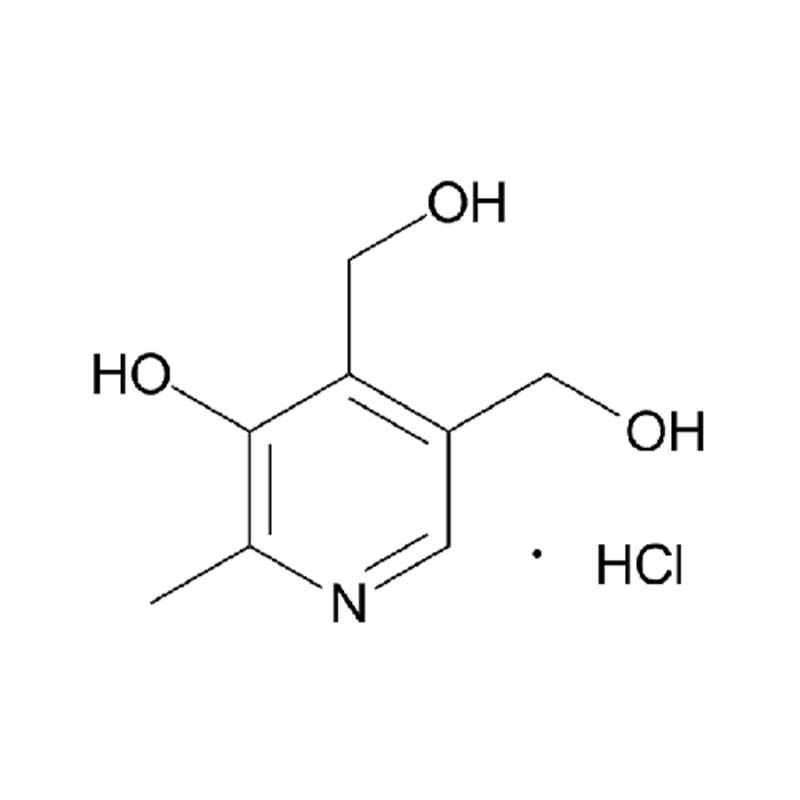
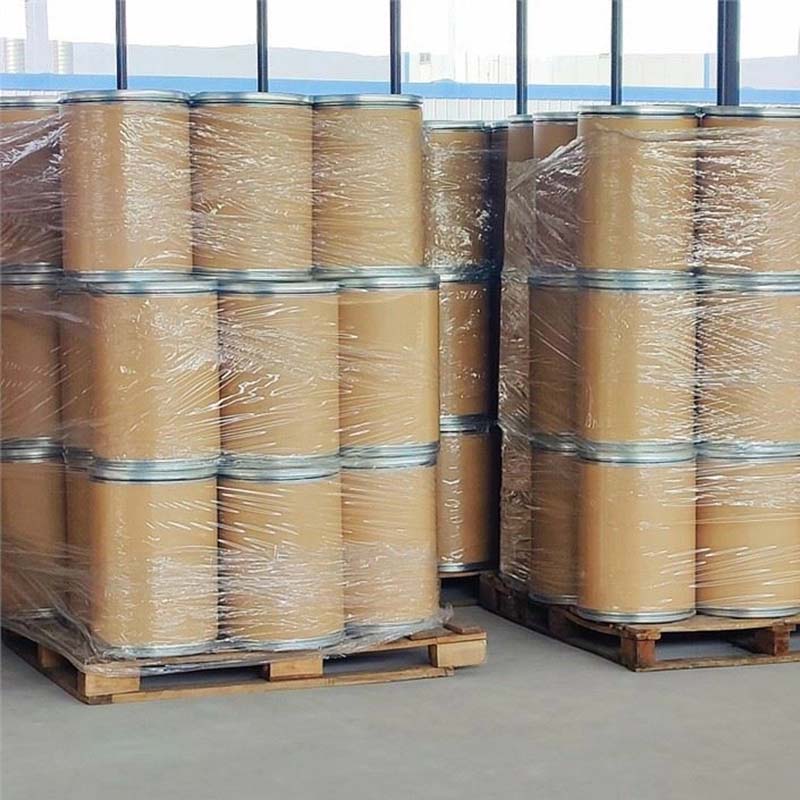
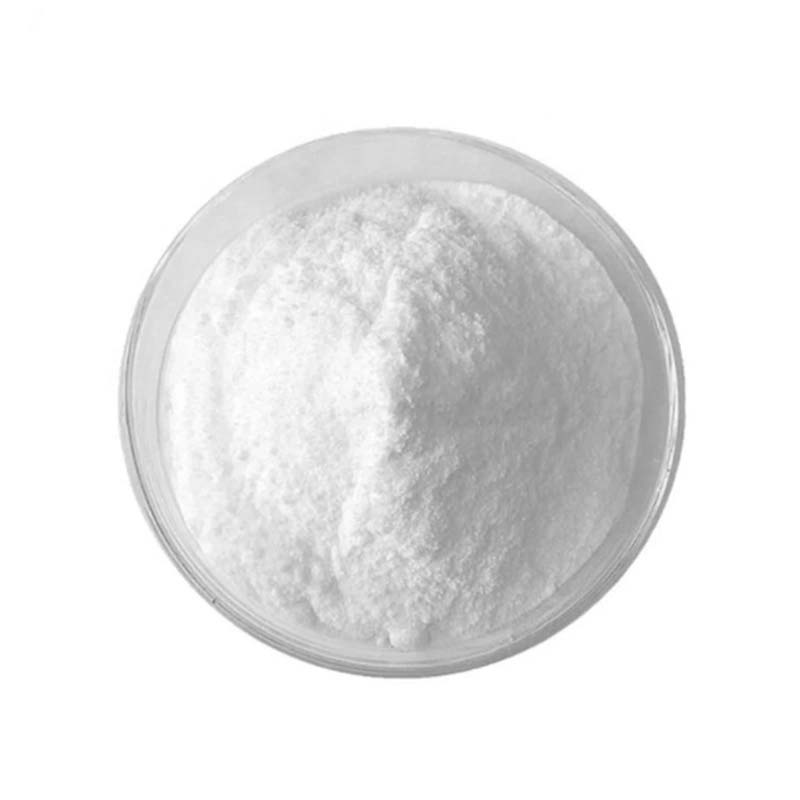
Pyridoxine hydrochloride CAS NO:58-56-0
Facilitates Body Metabolism
Alleviates Deficiency-Related Ailments
Maintains Normal Neural Function
Good Stability & Wide Applicability
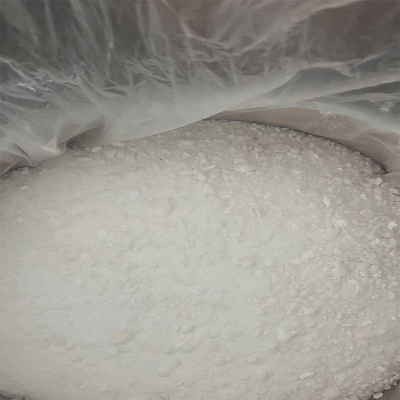
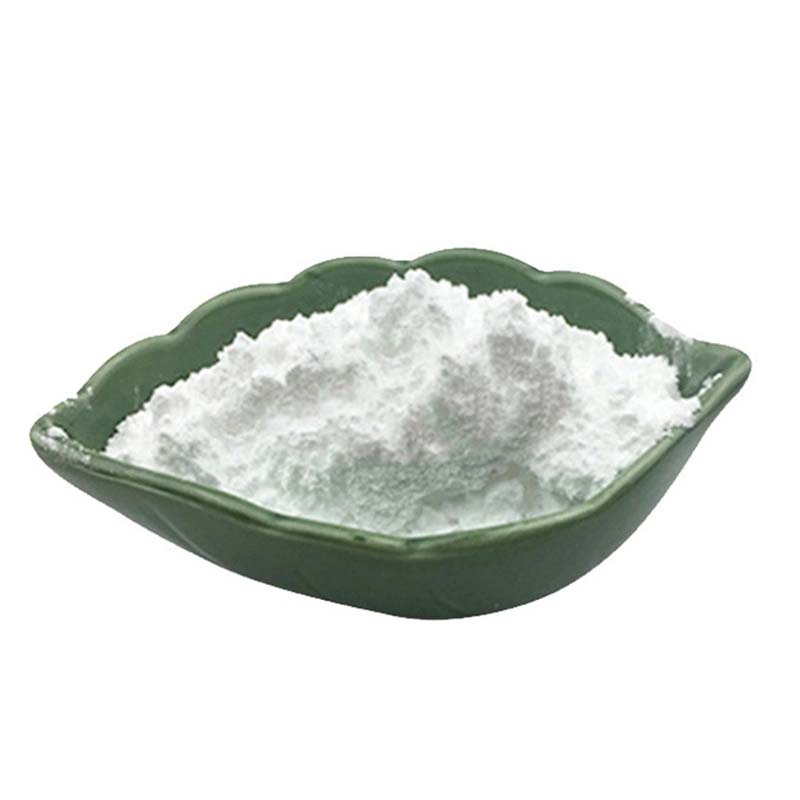
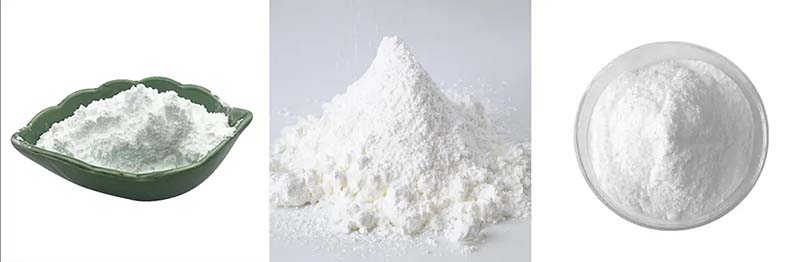
This hydrochloride derivative exists as crystalline powder ranging from white to pale yellow, and thermal decomposition occurs within the temperature range of 204–206°C. It dissolves readily in water, ethanol and acetone, yet barely dissolves in ether. The compound carries an acidic, bitter flavor. Though stable under regular ambient surroundings, it will slowly degrade upon light exposure and possesses sublimation properties.
Melting point | 214-215 °C(lit.) |
density | 1.2784 (rough estimate) |
vapor density | 7.1 (vs air) |
refractive index | 1.5800 (estimate) |
Fp | 9℃ |
storage temp. | room temp |
solubility | H2O: 0.1 g/mL at 20 °C, clear, colorless |
form | Crystalline Powder |
color | White to almost white |
PH Range | 3.2 |
biological source | synthetic (organic) |
Water Solubility | 0.1 g/mL (20 ºC) |
Sensitive | Light Sensitive |
Merck | 147982 |
BRN | 3632435 |
BCS Class | 1 |
Stability: | Stable. Protect from air and light. |
LogP | -1.098 (est) |
CAS DataBase Reference | 58-56-0(CAS DataBase Reference) |
EPA Substance Registry System | 5-Hydroxy-6-methyl-3,4-pyridinedimethanol, hydrochloride (58-56-0) |
Safety Information | |
Hazard Codes | Xi,T,F |
Risk Statements | 36/37/38-39/23/24/25-23/24/25-11 |
Safety Statements | 26-37/39-45-36/37-16-7-24/25 |
RIDADR | UN1230 - class 3 - PG 2 - Methanol, solution |
WGK Germany | 2 |
RTECS | UV1350000 |
F | 45879 |
TSCA | Yes |
HS Code | 29362500 |
Hazardous Substances Data | 58-56-0(Hazardous Substances Data) |

A distinct reddish-brown tint will form after mixing the product with ferric chloride test solution. This nutrient can be naturally extracted from rice bran, various vegetables, yeast, molasses and fatty raw materials. For industrial chemical synthesis, methyl methoxyacetate, acetone and ethyl cyanoacetate are adopted as starting materials.
Clinically, it can prevent and relieve morning sickness in pregnancy, vomiting induced by radiation therapy, toxic side effects from isoniazid, as well as stomach discomfort caused by anti-tumor drugs. Besides, it can be used as auxiliary treatment for pellagra and other certain nutrient deficiency disorders.