

Ferric chloride CAS:7705-08-0
Extremely strong flocculation and sedimentation capabilities: Ferric chloride hydrolyzes in‑water into highly‑adsorptive iron‑hydroxide colloids to trap suspended particles, colloids and phosphates. Its flocs are denser and settle quicker than aluminium‑based flocculants.
Moderate oxidizing property: Ferric ions moderately oxidize copper and iron metals. It suits PCB copper etching with fast, controllable reactions.
Lewis acid catalysis: Anhydrous ferric chloride is a typical Lewis‑acid catalyst for chlorination, Friedel‑Crafts alkylation and acylation.
Hygroscopicity: It readily absorbs moisture and deliquesces in air. Sealed storage is necessary, yet this property facilitates fast dissolution in water.
Product Details
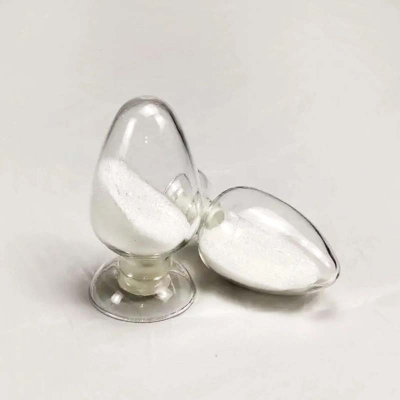
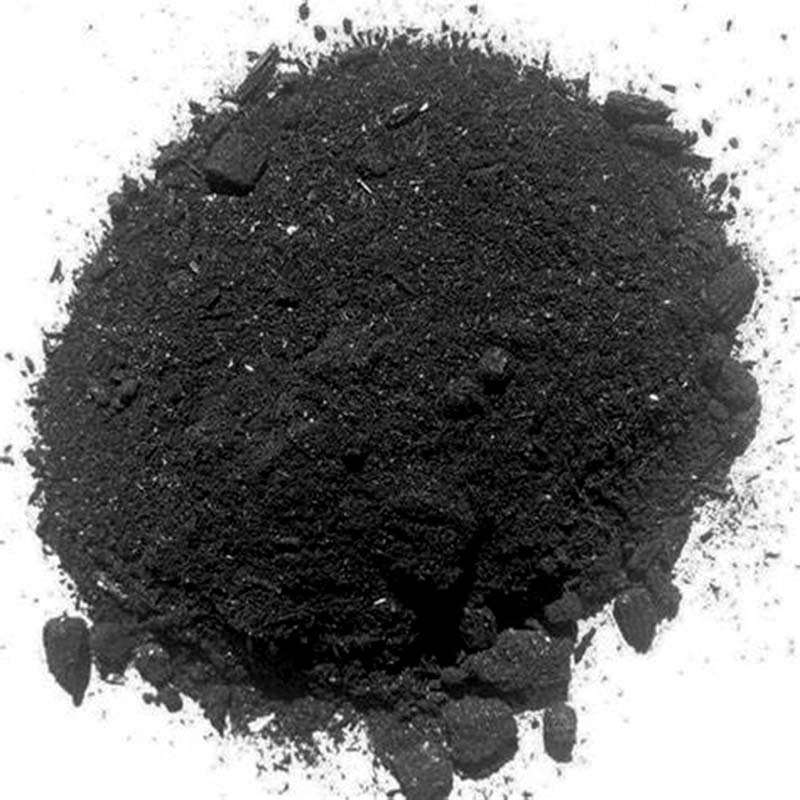
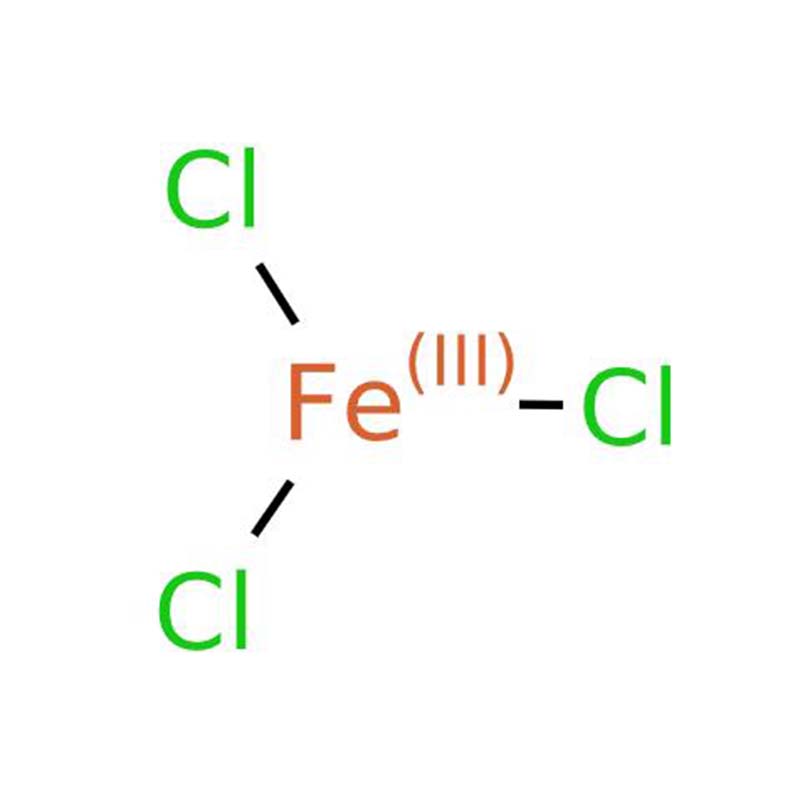
Iron(III) chloride (FeCl₃, molecular weight: 162.20), also called ferric chloride, is a covalent inorganic compound. The anhydrous product occurs as black‑brown crystals or flakes. As an essential industrial basic chemical, it is widely applied in water‑treatment coagulation, circuit‑board etching and organic‑synthesis catalysis.
| Project | Parameters |
| CAS Number | 7705-08-0 |
| Chemical Formula | FeCl₃ |
| Appearance | Black-brown crystalline powder or block-like (the blocks are often dark green or reddish-brown and have a reflective surface) |
| Melting point | 306℃ (for the anhydrous form), 37℃ (the hexahydrate loses its crystalline water) |
| Boiling point | 316 - 319℃ (Decomposition) |
| Density | 2.8 - 2.9 g/cm³ (Solid) |
| Solubility | Soluble in water, ethanol, acetone, and ether. When dissolved in water, it releases a large amount of heat and the solution turns brown. |
Main Uses
Water treatment field Sewage purification: Coagulates domestic and industrial wastewater to remove heavy metals and suspended solids. Phosphorus removal: Removes phosphorus via iron‑phosphate precipitation in municipal wastewater. Drinking water treatment: Acts as a coagulant for high‑turbidity raw water.
Electronics and Metal Processing PCB Etching: Etches copper‑clad boards to form circuit patterns for PCBs. Metal etching: Performs surface patterning etching on stainless steel, titanium alloys and other metals.
Chemical Catalysis and Synthesis Catalyst: Catalyses synthesis of dichloroethane, vinyl chloride and other organics. Analytical reagent: Detects phenols in laboratories through colour reaction with Fe³⁺.
Other applications
Dyeing: Used as textile mordant and oxidant to enhance dye‑fiber adhesion.
Construction: Added to concrete for improved corrosion and water resistance.
Pharmaceuticals and pigments: Produces iron‑oxide‑red‑type pigments and partial pharmaceutical raw materials.
Safety, Storage and Transportation
Ferric chloride belongs to Class 8 corrosive dangerous goods, with UN No.1773 for solid form and UN No.2582 for its solution. It is highly irritating and corrosive to skin, eyes and respiratory tract and may trigger severe chemical burns. Inhalation of its dust injures mucous membranes and may induce chemical pneumonia. It is toxic to aquatic organisms and direct discharge into water should be prohibited.
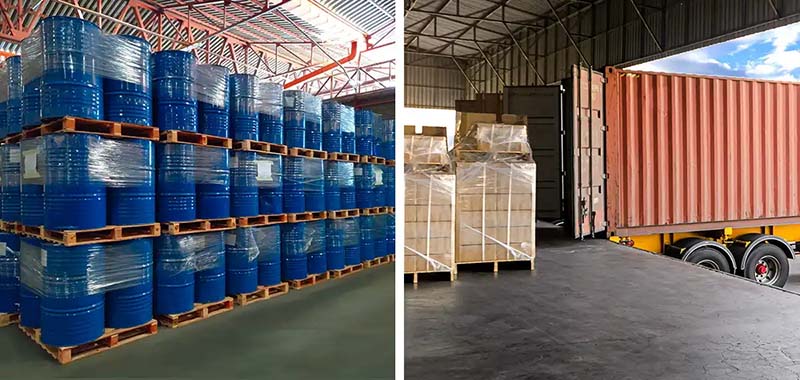
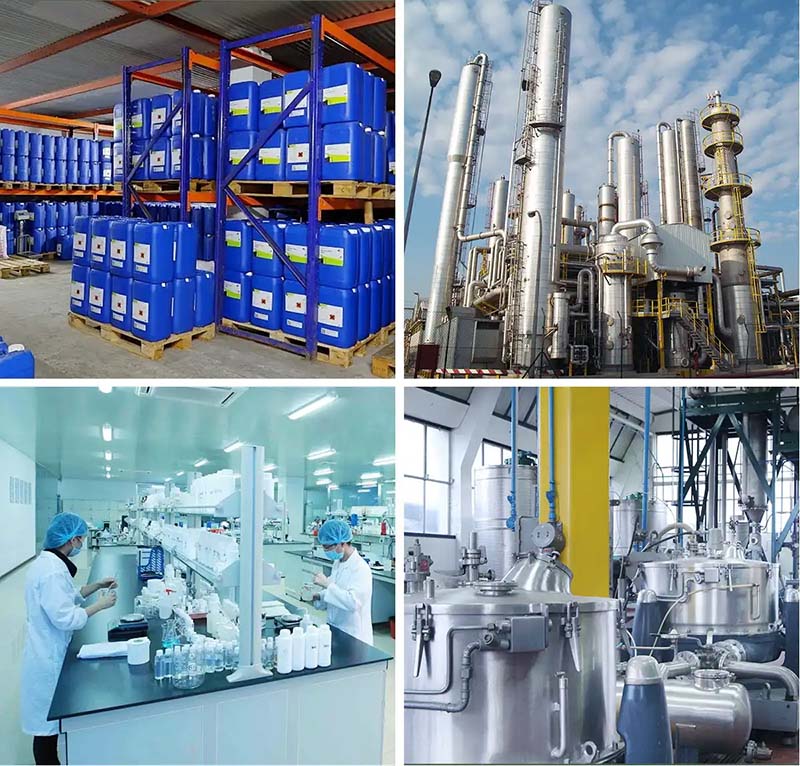
Operations shall be conducted in dry, well‑ventilated areas with tightly‑sealed containers to avoid moisture absorption. Keep it apart from strong oxidants and reactive metal powders to prevent hazardous reactions. Operators need rubber gloves, chemical goggles and protective garments.
For emergencies, take off contaminated clothes and flush skin with ample water for over 15 minutes upon skin contact. In case of eye exposure, hold eyelids open and rinse with running water or saline before prompt medical treatment.