

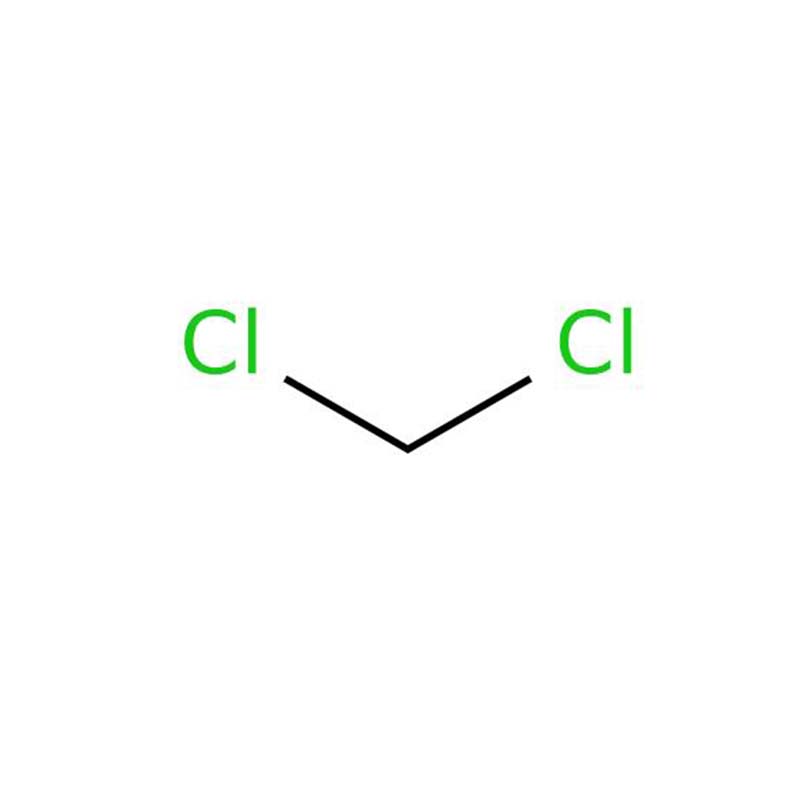
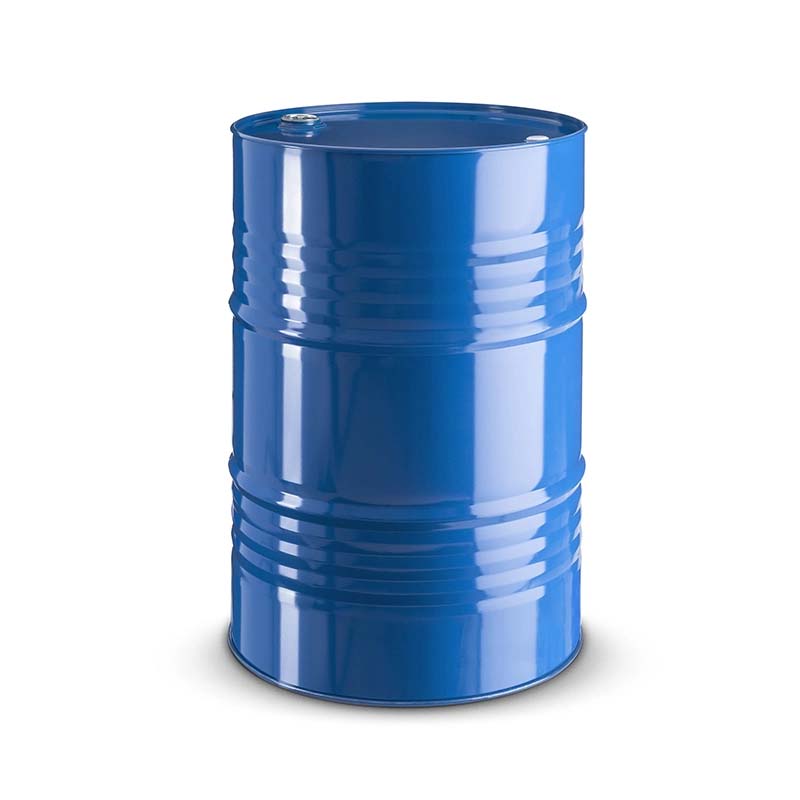
Dichloromethane CAS:75-09-2
Excellent dissolving ability: It dissolves polymers including acrylic, polyurethane and epoxy resins, and dissolves acrylic resins more rapidly than acetone.
Low boiling point and volatility: With a boiling point of 39.8 ℃ and high volatility, it can be readily separated from finished products in paint stripping, foaming and extraction to shorten drying time.
Relative safety (low toxicity): Less toxic than chloroform and carbon tetrachloride (rat oral LD50 ≈1.6 g/kg) and non‑flammable, it serves as an alternative chlorinated solvent.
Excellent recyclability: Its purification consumes only 60% energy of trichloroethylene, conforming to green chemistry and circular‑economy requirements.
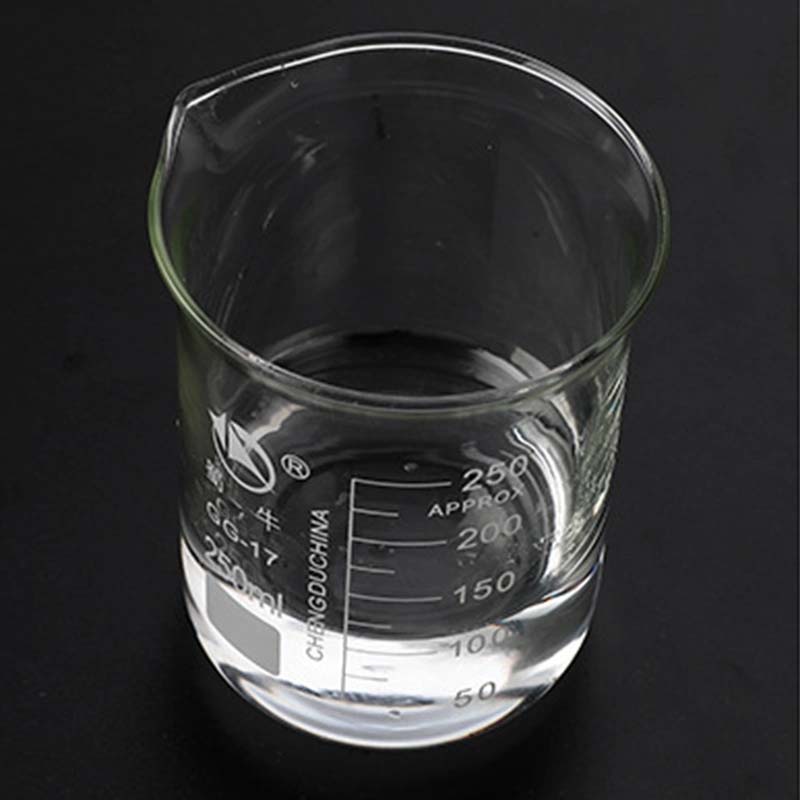
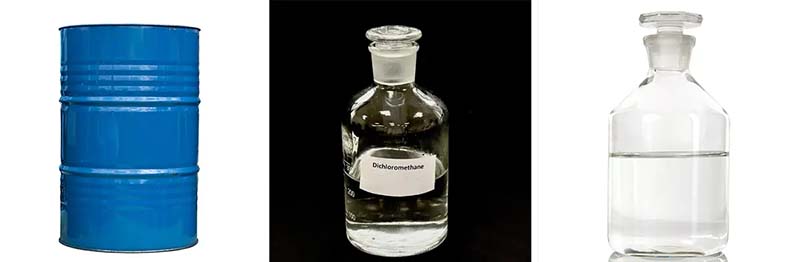
Dichloromethane, abbreviated DCM and also named methylene chloride (misnomer: methyl vinyl chloride), is a colourless and clear liquid. Boasting strong volatility, it gives off a unique sweet‑pungent smell comparable to ether. While it is typically categorised as a non‑flammable solvent with a low boiling point at ambient temperature, combustion can occur if it comes into contact with high‑temperature naked flames.
Key parameters
| Parameter Categories | Indicator value |
| Melting point | -96.7 ℃ |
| Boiling point | 39.8 ℃ |
| Flash point | No (Not flammable, but it can catch fire under certain conditions) |
| Ignition temperature | 556 - 615 ℃ |
| Explosion limit | 12% - 19% (V/V) |
| Relative density (water = 1) | 1. 33 ( heavier than water ) |
| Relative vapor density (air = 1) | 2. 93 ( heavier than air ) |
| Saturated vapor pressure | 46.5 kPa (20℃) |
| Solubility | Slightly soluble in water, soluble in ethanol, ether and various organic solvents. |
Main purpose
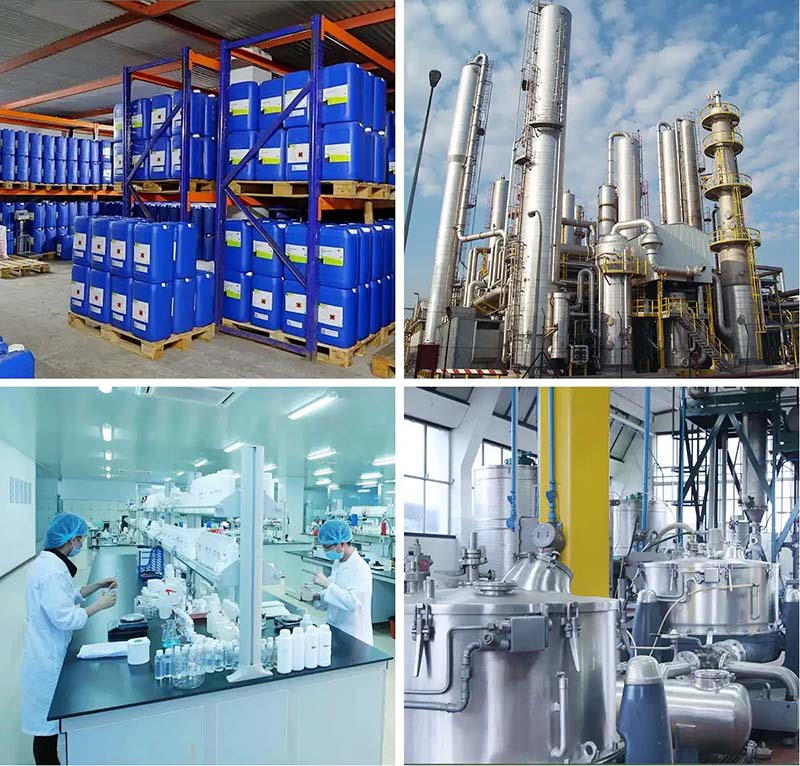
It is widely used as an industrial solvent and extractant for dissolving resins, coatings and rubber, as well as for coffee decaffeination, flavor and pharmaceutical ingredient extraction. In fine chemical synthesis, it acts as a key reaction medium and intermediate for manufacturing antibiotics, pesticides and adhesives. It has been applied as a foaming agent for flexible polyurethane foam and in the production of cellulose acetate films. High-purity dichloromethane is also used in the electronics industry for chip cleaning and photoresist removal, and for metal surface degreasing and paint stripping.
Regulations and Safety Precautions
Classified as IARC Group 2A (probable human carcinogen), dichloromethane is listed in China’s toxic‑hazardous pollutants and key new‑pollutant control lists.
Exposure mainly takes place through inhalation and skin contact. It exerts anaesthetic effects: high concentrations cause dizziness and confusion, and long‑term exposure may damage the central nervous system, liver and dry out skin. Occupational limits are 200 mg/m³ (China MAC) and 50 ppm (ACGIH).
In case of accidents, flush eyes with water, wash contaminated skin with soapy water, transfer affected persons to fresh air, and induce vomiting with warm water for ingestion before seeking urgent medical care.
Non‑flammable at room temperature, it decomposes into toxic phosgene and hydrogen chloride under flame or high heat. Water mist, foam, carbon dioxide or sand shall be used for fire‑fighting.