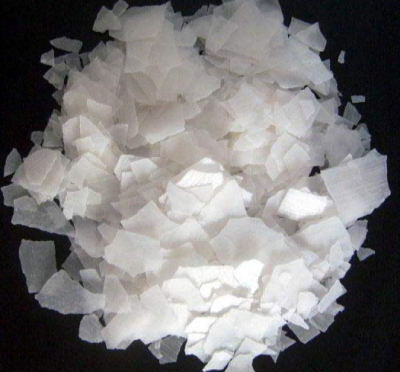


Paclitaxel
Targeted Mechanism: This agent selectively binds to polymerized microtubules, facilitating their stabilization and consequently disrupting normal cellular division processes.
Therapeutic Efficacy in Oncology: Demonstrates confirmed clinical effectiveness against multiple malignancies including ovarian carcinoma, breast cancer, non-small cell lung cancer, colorectal cancer, and other solid tumors.
Cell Cycle Intervention: Induces cell cycle arrest specifically during the mitotic phase, thereby inhibiting malignant cell proliferation and tumor growth.
Clinical Validation: Extensively employed in advanced cancer treatment protocols, with well-documented efficacy demonstrated through Phase II and III clinical trial investigations.
1. Product Overview
Paclitaxel is a diterpenoid natural product originally isolated from the bark of the Pacific yew tree (Taxus brevifolia). It is one of the most important and widely used chemotherapeutic agents in modern oncology, belonging to the taxane class of antineoplastic drugs .
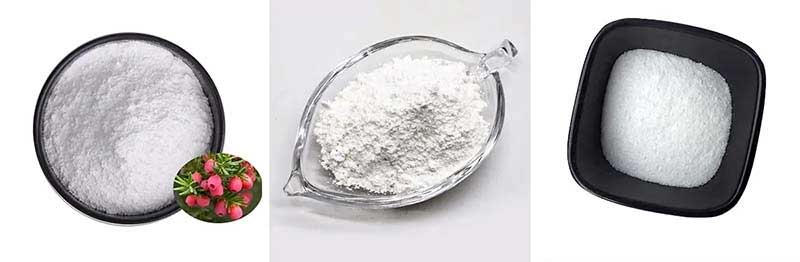
Its chemical formula is C₄₇H₅₁NO₁₄ with CAS number 33069-62-4 and molecular weight of 853.9 g/mol. The product is a white to off-white crystalline powder with high lipophilicity and poor aqueous solubility.
Paclitaxel represents a landmark achievement in natural product drug discovery. Following its initial isolation in 1967 and elucidation of its unique mechanism of action in 1979, it was developed into a clinically approved therapeutic by Bristol-Myers Squibb and launched under the brand name Taxol® in 1993 . Today, it is produced via semi-synthesis from 10-deacetylbaccatin III, a precursor extracted from renewable yew plant resources, addressing the original supply sustainability concerns .
As a cornerstone of chemotherapy regimens, paclitaxel is essential in treating multiple solid tumors and is included in the World Health Organization's Model List of Essential Medicines.
2. Key Features
Unique Microtubule-Stabilizing Mechanism: Unlike other antimitotic agents that inhibit microtubule polymerization, paclitaxel promotes microtubule assembly and stabilizes them against depolymerization, disrupting the dynamic equilibrium essential for cell division .
Broad-Spectrum Anticancer Activity: Demonstrates efficacy against ovarian, breast, lung cancers, and AIDS-related Kaposi's sarcoma, with documented activity in numerous other malignancies .
Multi-Phase Cell Cycle Activity: Blocks cells primarily in the late G2 and M phases, but also exhibits effects in interphase through nuclear-cytoskeletal disruption .
Multiple Cell Death Induction: Triggers various cell death pathways including apoptosis, pyroptosis, ferroptosis, and necroptosis, contributing to its therapeutic efficacy .
Established Clinical Utility: Extensively validated through decades of clinical use with well-characterized dosing schedules, toxicity profiles, and combination regimens .
Multiple Formulations Available: Available in conventional Cremophor EL-based formulation and advanced formulations like albumin-bound paclitaxel (Abraxane®) that eliminate solvent-related toxicities .
Medical Device Applications: Beyond oncology, paclitaxel-coated balloons and stents are used in treating peripheral arterial disease (PAD) to prevent restenosis .
3. Technical Specifications with Explanations
| Parameter | Typical Value/Specification | Description & Significance |
|---|---|---|
| CAS Number | 33069-62-4 | Universal chemical identifier |
| Molecular Formula | C₄₇H₅₁NO₁₄ | Complex diterpenoid structure with a taxane ring system |
| Molecular Weight | 853.9 g/mol | Used for stoichiometric calculations and formulation |
| Appearance | White to off-white crystalline powder | Visual quality indicator |
| Melting Point | 213-216°C (decomposes) | Characteristic physical constant |
| Solubility | Water: Practically insoluble Ethanol: Soluble Organic solvents: Soluble in DMSO, methanol, acetonitrile | High lipophilicity necessitates solubilizing agents (Cremophor EL) or advanced formulations |
| Partition Coefficient (log P) | 3.0 | High lipophilicity influences distribution and protein binding |
| Protein Binding | 89% | Extensively bound to plasma proteins |
| Metabolism | Hepatic via CYP2C8 and CYP3A4 | Major pathway for elimination; drug-drug interaction potential |
| Half-Life | 9.9 hours (3-hour infusion) | Nonlinear pharmacokinetics; dose and schedule dependent |
| Elimination | 71% feces (120 hours, 5% unchanged) 1.3-12.7% urine as unchanged drug | Primarily biliary excretion |
| Cross Blood-Brain Barrier | No | Limited CNS penetration |
4. Applications
Oncology Indications
Core Approved Indications :
Ovarian Cancer: First-line treatment in combination with cisplatin for advanced carcinoma; second-line therapy for metastatic disease
Breast Cancer: Adjuvant treatment of node-positive breast cancer (sequential to doxorubicin-containing regimens); treatment after failure of combination chemotherapy for metastatic disease or relapse within 6 months of adjuvant therapy
Non-Small Cell Lung Cancer (NSCLC) : First-line treatment in combination with cisplatin for patients not candidates for curative surgery/radiation
AIDS-Related Kaposi's Sarcoma: Second-line treatment
Additional Uses (Supported by Clinical Guidelines) :
Gynecological cancers (cervical, endometrial, fallopian tube, primary peritoneal)
Head and neck cancer
Esophageal and gastroesophageal junction cancer
Bladder cancer
Germ cell tumors
Thyroid cancer
Thymoma
Ewing's sarcoma
Merkel cell carcinoma
Melanoma
Cancer of unknown primary origin
Interventional Cardiology & Vascular Surgery
Paclitaxel-Coated Balloons: Used in peripheral arterial disease (PAD) to treat atherosclerotic lesions in the femoropopliteal artery. The drug is delivered locally to prevent scar tissue formation and restenosis .
Paclitaxel-Eluting Stents: Provide sustained drug release to maintain arterial patency after stent implantation .
5. Formulation & Product Comparison
| Parameter | Conventional Paclitaxel | Albumin-Bound Paclitaxel (Abraxane®) |
|---|---|---|
| Formulation | Cremophor EL (polyoxyethylated castor oil) + ethanol | Albumin-bound nanoparticles |
| Concentration | 6 mg/mL | Lyophilized powder for reconstitution |
| Administration | IV infusion over 1-24 hours with in-line filter | IV infusion over 30 minutes, no filter required |
| Premedication | Required: Dexamethasone + antihistamines + H2 antagonists to prevent hypersensitivity | Not required for hypersensitivity prevention |
| Dosing | 135-175 mg/m² every 3 weeks; weekly regimens available | 260 mg/m² every 3 weeks (breast); 100 mg/m² weekly (NSCLC, pancreatic) |
| Key Advantage | Decades of clinical experience, well-characterized | Eliminates Cremophol-related toxicities, higher tolerated dose, no premedication |
| Primary Indications | Ovarian, breast, NSCLC, Kaposi's sarcoma | Breast, NSCLC, pancreatic adenocarcinoma |
6. Dosing & Administration Guide
Standard Dosing Regimens
| Indication | Regimen | Dosing Schedule |
|---|---|---|
| Ovarian Cancer | 135-175 mg/m² IV | Every 3 weeks (with cisplatin) |
| Breast Cancer | 175 mg/m² IV | Every 3 weeks |
| NSCLC | 135 mg/m² IV | Every 3 weeks (with cisplatin) |
| Kaposi's Sarcoma | 135 mg/m² IV | Every 3 weeks; or 100 mg/m² every 2 weeks |
| Weekly Regimen | 80-100 mg/m² IV | Weekly (various solid tumors) |
Premedication Requirements
Standard 3-Week Regimen Premeds:
Dexamethasone 20 mg PO 12 and 6 hours prior OR 20 mg IV 30 minutes prior
Diphenhydramine 25-50 mg IV/PO 30-60 minutes prior
Ranitidine 50 mg IV or Famotidine 20 mg IV 30-60 minutes prior
Weekly Regimen Premeds (30-60 minutes prior):
Dexamethasone 10 mg IV
Diphenhydramine 25-50 mg IV/PO
Ranitidine 50 mg IV or Famotidine 20 mg IV
Dosage Adjustments for Toxicity
| Toxicity | Recommended Action |
|---|---|
| Febrile neutropenia | Reduce dose by 20% |
| Grade 4 neutropenia (≥5-7 days) | Reduce dose by 20% |
| Grade 4 thrombocytopenia | Reduce dose by 20% |
| Grade 3 neurotoxicity | Reduce dose by 20% |
| Grade 4 neurotoxicity | Discontinue |
| Cystoid macular edema (any grade) | Discontinue |
Administration Requirements
Dilution: Must be diluted prior to IV infusion
Filtration: Administer through in-line filter ≤0.22 μm
Sequence: When combined with platinum compounds, administer paclitaxel first
Infusion Solution Stability: 27 hours at room temperature (25°C) under ambient lighting
Storage: Store vials in original packaging at 15-30°C, protected from light
7. Safety & Tolerability Profile
Contraindications
Severe hypersensitivity to paclitaxel or polyoxyethylated castor oil (Cremophor EL)
Baseline neutrophil count < 1,500 cells/mm³ (solid tumors)
Baseline neutrophil count < 1,000 cells/mm³ (AIDS-related Kaposi's sarcoma)
Pregnancy (Category D)
Most Common Adverse Effects
| Adverse Effect | Incidence | Characteristics |
|---|---|---|
| Alopecia | 93% | Rarely permanent |
| Peripheral Neuropathy | 64% (severe 4%) | Dose-related and cumulative; presents as numbness, tingling, burning pain in glove-and-stocking distribution; usually improves/disappears months after treatment |
| Musculoskeletal Pain | 54% (severe 12%) | Appears 2-3 days after administration, resolves within days; NSAIDs effective |
| Nausea/Vomiting | 44% | Low emetogenic potential |
| Hypersensitivity | 40% (severe 1%) | Occurs in early courses, within first hour of infusion; prevented by premedication |
| Diarrhea | 25% | May be severe |
| Edema | 21% | |
| Fatigue | 17% | |
| Myelosuppression | Grade 4 neutropenia 27% | Dose and schedule-dependent; non-cumulative |
Serious Adverse Events [citation]
| Event | Notes |
|---|---|
| Anaphylaxis | 2% of patients; may be fatal |
| Cardiovascular | Hypotension (11%), arrhythmia (3%), bradycardia (usually asymptomatic) |
| Peripheral Neuropathy | Can be dose-limiting; mild symptoms usually reversible |
| Cystoid Macular Edema | Rare; reversible upon discontinuation |
| Interstitial Pneumonitis | Rare |
| Radiation Recall | Enhanced radiation injury to tissues; may occur weeks to months after radiation |
Special Populations
HIV Patients: Toxicity may be more severe, especially febrile neutropenia and infections
Prior Anthracycline Exposure: Congestive heart failure risk (including LVEF decrease) reported
8. Regulatory Status & Approvals
Global Regulatory Approvals
| Region/Country | Approved Indications | Identifier |
|---|---|---|
| United States (FDA) | Ovarian, breast, NSCLC, Kaposi's sarcoma | NDA 020262 |
| European Union (EMA) | Ovarian, breast, NSCLC, Kaposi's sarcoma | EMEA/H/C/000259 |
| Saudi Arabia (SFDA) | Ovarian, breast, NSCLC, Kaposi's sarcoma | Paclitaxel Kabi, 6 mg/mL |
| Taiwan | Ovarian, breast, NSCLC, Kaposi's sarcoma | BB21157221 (Taxol®) |
| Japan (PMDA) | Multiple solid tumors |
Key Regulatory Notes
Medical Device Applications: Paclitaxel-coated balloons and stents for PAD are regulated as medical devices. FDA has extensively reviewed safety data and concluded that current evidence does not support an excess mortality risk with these devices .
Post-Marketing Safety: An FDA meta-analysis in 2019 identified a potential late mortality signal with paclitaxel-coated devices. Subsequent analyses with longer follow-up (including SWEDEPAD, VOYAGER PAD, and updated RCT meta-analyses) have not confirmed this risk. FDA continues to recommend routine patient monitoring and discussion of benefits/risks .
9. Drug Interactions
Major Metabolic Interactions
| Drug Class/Agent | Effect | Clinical Implication |
|---|---|---|
| CYP2C8 Inhibitors (gemfibrozil, etc.) | May increase paclitaxel exposure | Monitor for increased toxicity |
| CYP3A4 Inhibitors (ketoconazole, erythromycin, etc.) | May increase paclitaxel exposure | Monitor for increased toxicity |
| CYP2C8/3A4 Inducers (rifampin, carbamazepine, etc.) | May decrease paclitaxel exposure | Potential for reduced efficacy |
Sequence-Dependent Interactions
Cisplatin/Carboplatin: Administer paclitaxel first to minimize myelosuppression
Doxorubicin: Administer paclitaxel after doxorubicin to avoid reduced doxorubicin clearance
10. Delivery, Certification & Service
Supply Chain Information
API Sources: Multiple qualified manufacturers worldwide
Finished Product: Available as 30 mg/5 mL, 100 mg/16.7 mL, 300 mg/50 mL vials (conventional); lyophilized powder for albumin-bound formulation
Storage Requirements: 15-30°C, protect from light
Shelf Life: Typically 24-36 months under proper storage

Quality Certifications
Certificate of Analysis (COA) provided with each batch
Safety Data Sheet (SDS) available in multiple languages
Product Specification (PS) documenting purity, identity, and strength
Certificate of Origin (COO) available upon request
Regulatory Documentation Available
Drug Master File (DMF) access for pharmaceutical manufacturers
GMP compliance documentation
REACH/TSCA compliance statements
Export documentation for international shipping