


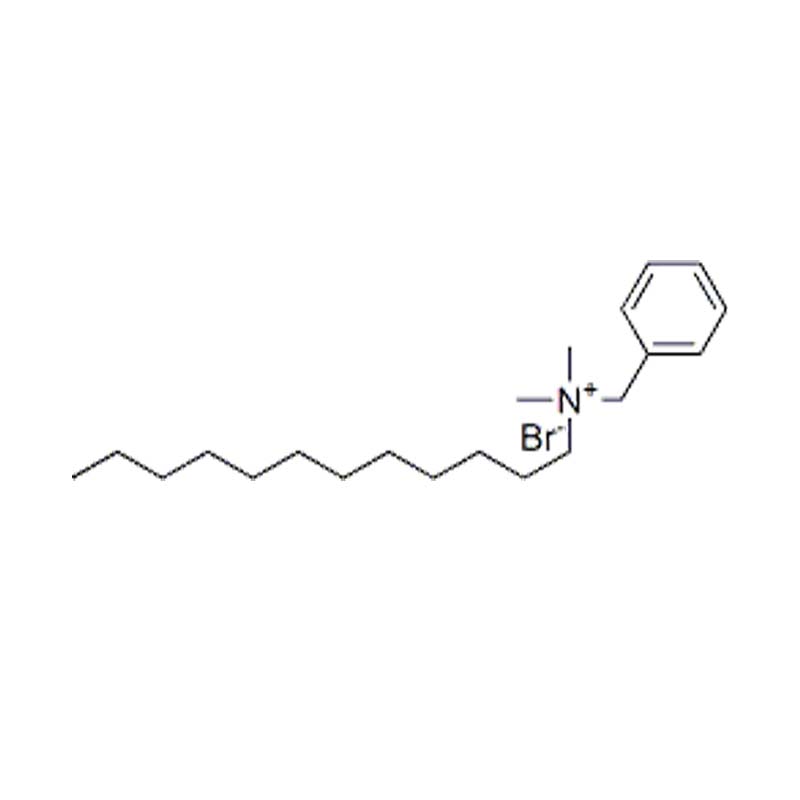
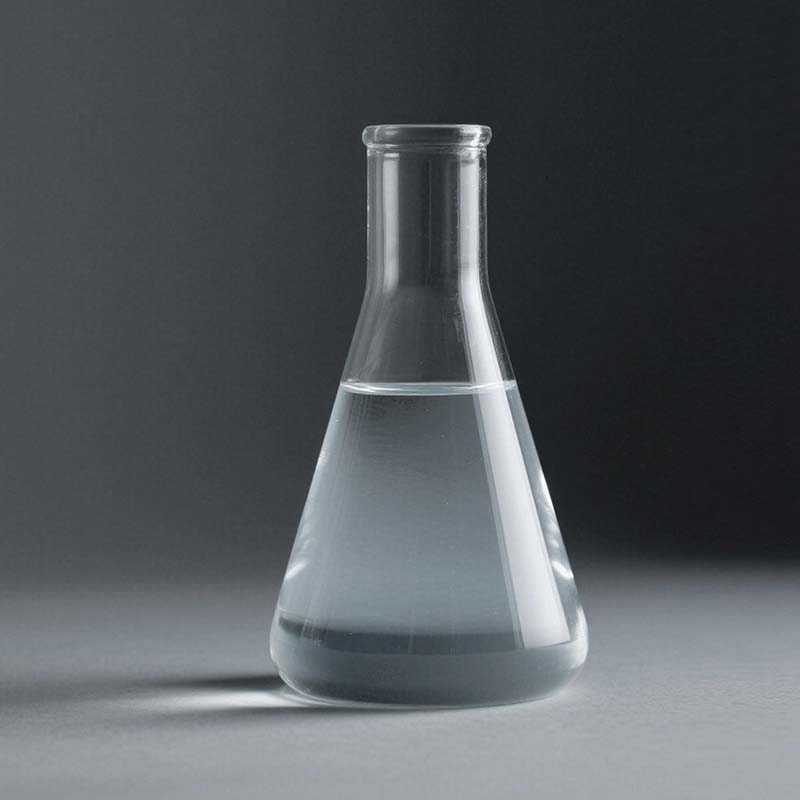
BENZALKONIUM BROMIDE BAC B80%
Specified Concentration: Supplied at a high concentration of 80% to ensure consistent and reliable efficacy.
Superior Solubility Profile: Exhibits excellent solubility in both water and ethanol, facilitating easy formulation.
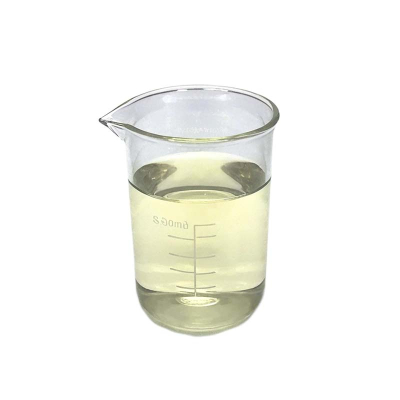
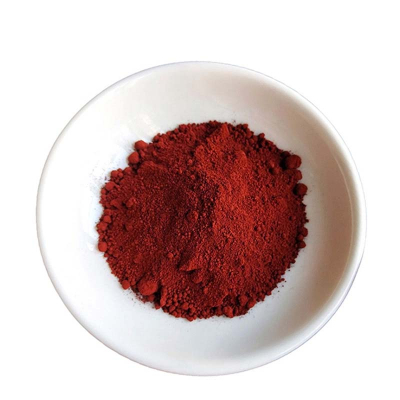
Handling and Appearance: Provided as a colorless to pale yellow viscous liquid or crystalline powder for convenient use.
Stable and Mild Formulation: Features an alkaline aqueous solution with a mild odor, lacking strong irritants for user-friendly application.
1. Product Overview
Benzalkonium Bromide, commonly known as BAC, is a quaternary ammonium compound (QAC) and cationic surfactant belonging to the broad-spectrum disinfectant family. Its chemical name is alkyldimethylbenzylammonium bromide, with the general formula C₆H₅CH₂N⁺(CH₃)₂R Br⁻ (where R represents a mixture of alkyl chains ranging from C₈H₁₇ to C₁₈H₃₇), and CAS number 91080-29-4.
BAC B80% refers to a concentrated liquid formulation containing approximately 80% active benzalkonium bromide, with the remaining components primarily consisting of water and/or solubilizers to ensure product stability and optimal flow characteristics.
As a highly effective disinfectant and preservative, Benzalkonium Bromide demonstrates excellent biocidal activity against both Gram-positive and Gram-negative bacteria, as well as efficacy against fungi and certain enveloped viruses. Its mechanism of action involves disrupting the cytoplasmic membrane of microorganisms, altering permeability, causing leakage of intracellular components, and ultimately leading to cell death.
The product typically appears as a pale yellow to colorless viscous liquid with a faint aromatic odor and an extremely bitter taste. It exhibits excellent water solubility and surface-active properties, making it invaluable across medical, industrial, agricultural, and household applications.
2. Key Features
Broad-Spectrum Antimicrobial Efficacy — Exhibits rapid and potent killing activity against a wide range of microorganisms including Gram-positive bacteria, Gram-negative bacteria, fungi, algae, and certain viruses.
Cationic Surfactant Properties — Provides excellent penetration, emulsification, wetting, and detergency that synergistically enhance antimicrobial activity. Also functions as a fabric softener and antistatic agent.
High Concentration, Superior Economy — The B80% specification represents a concentrated format offering significant advantages in packaging efficiency, reduced transportation costs, and lower storage requirements compared to diluted alternatives. Users can conveniently dilute to desired working concentrations.
Stable Performance, Easy Formulation — Readily soluble in water and ethanol. Aqueous solutions demonstrate excellent stability under heat and light exposure, maintaining activity across a broad pH range (acidic to alkaline environments).
Favorable Safety Profile — At recommended usage concentrations, exhibits low skin and mucosal irritation with no documented teratogenic or carcinogenic effects. Compared to phenolic or aldehyde disinfectants, offers a milder odor profile and improved environmental compatibility.
Multi-Industry Approvals — Widely accepted for medical device disinfection, food processing facility sanitation, agricultural bactericidal applications, and as a preservative in cosmetics and personal care products.
3. Technical Specifications with Explanations
| Parameter | Typical Value/Specification | Description & Significance |
|---|---|---|
| Appearance | Pale yellow to colorless transparent viscous liquid | Visual quality indicator. Product should be clear without precipitation or phase separation. Color intensity may vary with raw materials and processing without affecting primary performance. |
| Active Matter Content | 80% ± 2% | Core specification. Indicates the percentage of active benzalkonium bromide. This concentrated format requires dilution to final use concentrations (typically 0.1% - 0.5%). Accurate content ensures precise formulation. |
| Alkyl Chain Distribution (C12, C14, C16, C18) | Customizable ratios (e.g., C12:40%, C14:50%, C16:10%) | Critical performance parameter. The alkyl chain profile directly influences antimicrobial activity, foaming characteristics, water solubility, and biodegradability. C12-C14 chains typically provide optimal bactericidal and fungicidal activity. Customization available for specific applications. |
| Free Amine & Amine Salts | ≤ 1.5% | Indicates residual raw materials from synthesis. Low free amine content signifies higher purity, contributing to reduced odor and improved sensory properties in finished products. |
| pH Value (1% Aqueous Solution) | 6.0 - 8.0 (Neutral to slightly alkaline) | Reflects product acidity/alkalinity. Near-neutral pH minimizes skin irritation and material compatibility issues (metals, fabrics), enabling broad application versatility. |
| Color (APHA) | ≤ 100 | Quantitative measure of color intensity. Lower APHA values indicate lighter color, critical for colorless or lightly colored end products (cosmetics, disinfectant wipes). |
| Sulfated Ash/Residue on Ignition | ≤ 0.5% | Represents inorganic impurities (metal salts) remaining after high-temperature combustion. Low ash content indicates minimal inorganic contamination, essential for precision chemical applications. |
| Water Content | Approximately 20% (balance to 100%) | Benzalkonium bromide naturally exists as a solid/semi-solid. B80% formulation incorporates water/solvents to achieve 80% active content, facilitating liquid handling and pumping. Consistent water content ensures batch-to-batch active uniformity. |
4. Applications
Medical & Healthcare Disinfection
Medical Device Sterilization — Immersion disinfection of surgical instruments, endoscopes, plastic and rubber products (note: corrosion inhibitors may be required for metals)
Skin & Mucous Membrane Disinfection — Diluted for pre-surgical skin preparation, injection site antisepsis, and wound irrigation (strict concentration control required)
Environmental Surface Disinfection — Wiping or spraying of floors, walls, and work surfaces in hospitals, clinics, and laboratories
Industrial & Institutional Applications
Food Processing Facilities — Sanitation of processing equipment, conveyor belts, containers, and pipelines, meeting food-grade hygiene requirements
Animal Husbandry & Aquaculture — Disinfection of farming environments, drinking water systems, milking equipment, and aquaculture water treatment
Water Treatment — Algicide and bactericide for industrial cooling water systems and oilfield injection water to control microbial and algal growth
Agricultural Applications
Seed Treatment — Immersion disinfection of crop seeds to prevent seed-borne diseases
Produce Preservation — Diluted spraying or dipping of fruits and vegetables for extended shelf life
Personal Care & Household Products
Cosmetic Preservative — Antimicrobial preservation in shampoos, conditioners, body washes, hand soaps, and wet wipes
Fabric Softener/Antistatic Agent — Cationic surfactant component in laundry care products providing softening and static control
Pet Care — Environmental disinfection, pet accessory cleaning, and medicated shampoos
5. Product Grade Comparison
| Parameter/Grade | BAC 50% | BAC 80% (This Product) | BAC 90% | Custom Chain Distribution |
|---|---|---|---|---|
| Active Matter | 50% ± 2% | 80% ± 2% | ≥90% (Paste/Solid) | 80% or specified |
| Physical Form | Low viscosity liquid | Medium viscosity liquid | High viscosity paste/waxy solid | Medium viscosity liquid |
| Typical Chain Ratio (C12/C14/C16) | 40/50/10 | 40/50/10 | 50/40/10 or 60/30/10 | Customizable per request |
| Dissolution Rate | Rapid | Rapid | Requires heating | Rapid |
| Primary Advantages | Easy handling, ready-to-use | Cost-effective, reduced logistics costs | Ultra-high purity, premium applications | Optimized for specific microbes or formulations |
| Typical Applications | Routine environmental disinfection, general cleaners | Medical device disinfection, industrial water treatment, cosmetic preservation, agricultural disinfection | Medical-grade disinfectants, premium personal care, pharmaceutical excipients | Targeted antimicrobial formulations, specialty foam/solubility requirements |
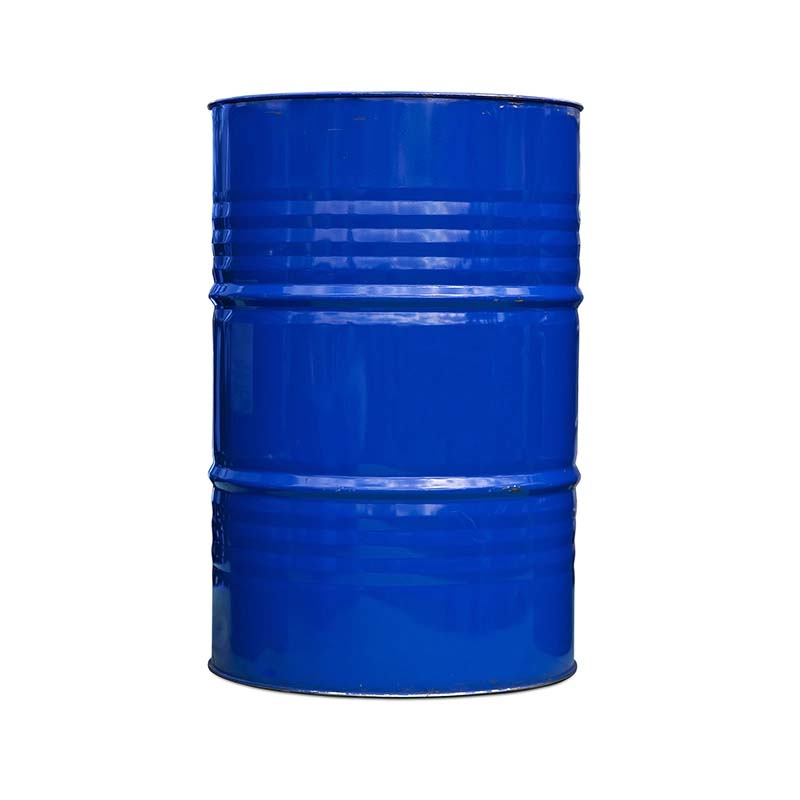
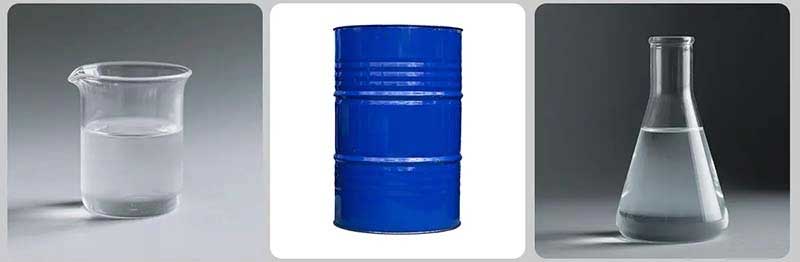
| Packaging | 25 kg drum, 200 kg drum | 25 kg drum, 200 kg drum, 1000 kg IBC | 25 kg drum, 50 kg drum | As specified |
6. Purchasing & Selection Guide
Select by Active Content
High-Volume Industrial Users (water treatment facilities, chemical manufacturers) — BAC 80% offers optimal economy, minimizing transportation and storage costs for concentrated active material.
Direct Dilution Applications — If preparing ready-to-use disinfectants with minimal dilution steps, BAC 50% may provide greater operational convenience.
Premium Medical/Pharmaceutical Applications — For products demanding absolute purity, BAC 90% (paste/solid) is the preferred choice.
Select by Alkyl Chain Distribution
Optimal Antimicrobial Activity — Choose C12/C14 dominant profiles (e.g., 40/50/10 or 50/40/10) for maximum bactericidal and fungicidal efficacy.
Fabric Softening/Antistatic Applications — Higher C16/C18 ratios may provide enhanced performance. Consult our technical experts for customized chain distribution optimization.
Formulation Compatibility Considerations
Benzalkonium Bromide is a cationic surfactant and is incompatible with anionic surfactants (soap, sodium lauryl sulfate/SDS) and high concentrations of nonionic surfactants. Charge neutralization or micelle formation can significantly reduce or completely neutralize antimicrobial activity. Always conduct compatibility testing before formulation.
Regulatory Compliance
Verify that your application complies with relevant local regulations (e.g., China Disinfection Technical Standard, US EPA, EU BPR). We provide comprehensive technical documentation and regulatory support files.
7. Frequently Asked Questions (FAQ)
Q: What is the difference between Benzalkonium Bromide (BAC) and Benzalkonium Chloride (BAC)?
A: Both are quaternary ammonium disinfectants with similar structures and properties. The key difference lies in the anion: Bromide vs. Chloride. Benzalkonium Bromide is sometimes considered slightly more potent under certain conditions and is typically supplied as a liquid concentrate for easier handling. Benzalkonium Chloride has broader global adoption in consumer disinfectants and preservatives. Selection depends on application preferences and formulation requirements.
Q: How do I dilute 80% BAC to a 0.1% working solution?
A: Use the dilution formula: C₁V₁ = C₂V₂.
Example: To prepare 1000 ml of 0.1% working solution:
V₁ = (0.1% × 1000 ml) / 80% = 1.25 ml
Add 1.25 ml of 80% BAC to approximately 998.75 ml of water and mix thoroughly. Always wear protective gloves when handling concentrated material.
Q: Is Benzalkonium Bromide effective against SARS-CoV-2 (COVID-19 virus)?
A: According to the US EPA and global health authorities, certain quaternary ammonium compounds (including specific formulations of benzalkonium chloride/bromide) have demonstrated efficacy against enveloped viruses, including coronaviruses. BAC disrupts the viral lipid envelope, causing inactivation. Always verify specific product label claims and review authoritative efficacy test reports.
Q: Why did my Benzalkonium Bromide solution develop precipitation or turbidity?
A: Possible causes include:
Hard Water — Calcium/magnesium ions may react with quaternary ammonium compounds, forming insoluble precipitates. Use deionized or softened water.
Anionic Contamination — Introduction of soap, detergents, or other anionic surfactants.
Low Temperature Storage — High-concentration BAC may thicken or separate at low temperatures; gentle warming and mixing typically restores uniformity.
Q: What factors affect Benzalkonium Bromide's antimicrobial activity?
A: Key influencing factors include:
pH — Enhanced activity in alkaline environments
Organic Load — Proteins, serum, and organic matter can consume disinfectant, reducing efficacy
Temperature — Increased temperature enhances killing rate
Water Hardness — May reduce activity; softened water recommended
8. Delivery, Certification & Service
Delivery Capabilities
Inventory Status: BAC B80% maintained in consistent stock availability
Sample Program: 500g-1kg samples available for qualification
Small Quantities: 25 kg packages for R&D and small-scale validation
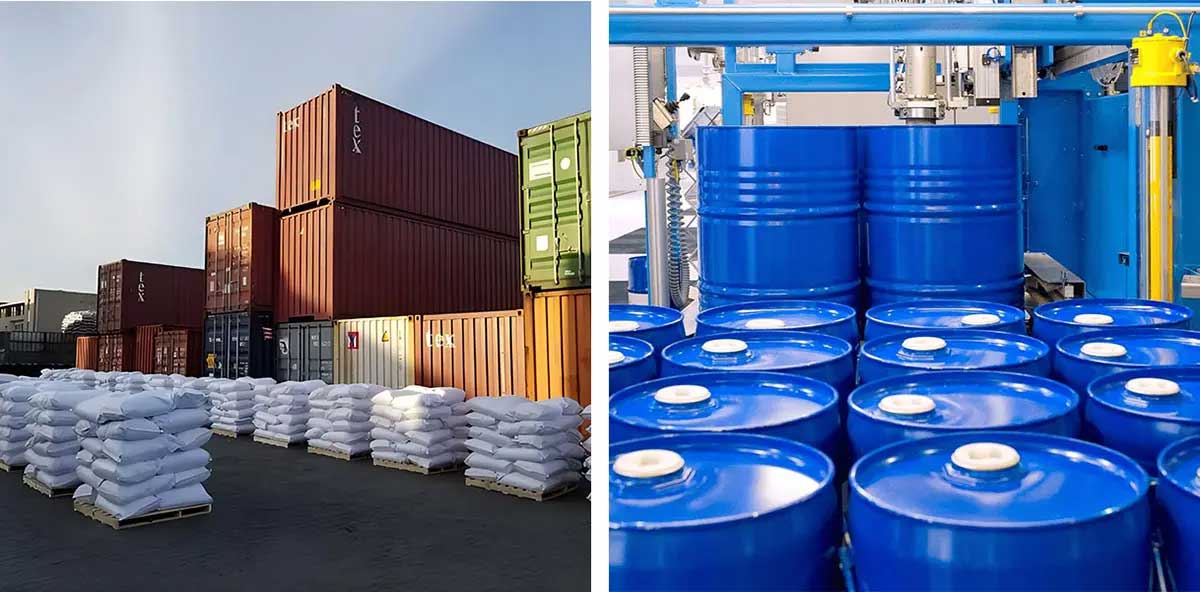
Bulk Quantities: 200 kg drums, 1000 kg IBC totes for industrial volumes
Logistics: Not classified as dangerous goods for transport (verify with current SDS). Standard freight shipping available (express, LTL, full truckload)
Quality Certifications
ISO 9001:2015 certified manufacturing facilities
Certificate of Analysis (COA) provided with each batch, detailing active content, chain distribution, pH, and other critical parameters
Safety Data Sheet (SDS) available in multiple languages
Pharmacopoeia Compliance — Testing available to USP/EP standards upon request
Regulatory Support — Documentation for EPA, BPR, and China Disinfection Standard compliance
Technical Support & Services
Expert Consultation: Surfactant specialists available for formulation assistance, dilution guidance, and regulatory compliance support
Custom Manufacturing: Tailored alkyl chain distributions (e.g., C12-50%, C14-50%), custom active concentrations, and OEM packaging services available
Application Support: Formulation compatibility testing and optimization guidance
Documentation Available
Certificate of Analysis (batch-specific)
Safety Data Sheet (SDS/MSDS)
Technical Data Sheet (TDS)
Regulatory compliance documentation
Stability data upon request