

Poly(vinyl alcohol) CAS:9002-89-5
Environmentally friendly and non‑toxic: This non‑toxic, odour‑free product can biodegrade under both aerobic and anaerobic conditions, presenting low environmental impact.
Biocompatibility: It features favourable biocompatibility without skin irritation. It is widely adopted as pharmaceutical excipients for artificial tears, sustained‑release capsules and medical dressings.
Multifunctional adjustable: Abundant hydroxyl groups (-OH) on molecular chains allow easy chemical modification including esterification, etherification and acetalization, which can derive multiple resins such as polyvinyl butyral (PVB).
Polyvinyl Alcohol (PVA/PVOH) is a synthetic water‑soluble linear polymer obtained via polyvinyl acetate alcoholysis. It is divided into partially‑alcoholyzed and fully‑alcoholyzed grades according to its degree of alcoholysis.
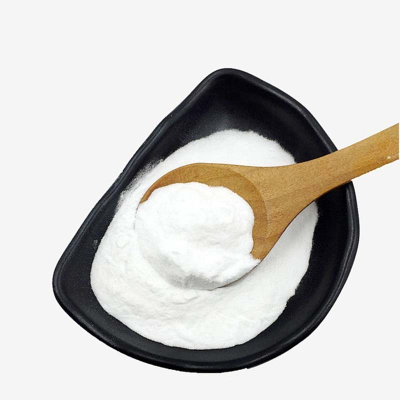
PVA is white to milky‑white powder, floccules or granules. Non‑toxic, odourless and pollution‑free, it delivers outstanding film‑forming, adhesive and oil‑resistant performance, and ranks among the earliest industrially manufactured synthetic polymers.
CAS Registry Number: 9002-89-5
Molecular formula: -CH2CHOH-n (where n represents the degree of polymerization)
EINECS Number: 209-183-3 4
| Parameter Categories | Specific indicators and scope | Instructions and Notes |
| Molecular weight | Extremely extensive (9k ~ 200k+ Da) | Low molecular weight is used for adhesives, while high molecular weight is used for high-strength films. For example, common specifications include 9k-10k, 89k-98k, etc. |
| Degree of alcoholysis | Partial hydrolysis (87-89%) and complete hydrolysis (98-99+) | The degree of alcoholysis affects water solubility and crystallinity. Some partially alcoholysis types are more sensitive to cold water, while fully alcoholysis types have higher strength. |
| Melting point | 230℃ ~ 240℃ | Decomposition and melting occur simultaneously within this temperature range. |
| Glass transition temperature | 75℃ ~ 85℃ | At this temperature, the material transitions from the glassy state to the high elastic state. |
| Viscosity (4%solution) | 4.0 ~ 65.0 mPa·s (cP) | It covers various specifications of low, medium, and high viscosities to meet different industrial needs. |
| Flash point | 79℃ | It has a certain flammability and should be kept away from fire sources. |
| Density | 1.27 - 1.31 g/cm³ (solid) |
Main Uses
Textiles and Fibers: Used as yarn sizing agents to boost yarn wear‑resistance and tensile strength; major raw material for vinylon fiber.
Building and Adhesives: Makes eco‑friendly adhesives (107 glue), interior‑exterior wall coatings, and wood‑paper binders.
Polymers and Chemicals: Works as dispersant/stabilizer for vinyl chloride suspension polymerization; synthesizes polyvinyl formal and polyvinyl butyral.
Medicine and Cosmetics: Serves as pharmaceutical film‑former, gelling and sustained‑release material; used in artificial‑tear lubricants and mask substrates.
Packaging and Agriculture: Produces laundry‑pod water‑soluble films and agricultural soil conditioners.
Emerging field: Applied in 3D‑bioprinting scaffolds, anti‑crystallization stabilizers for drug delivery and biocompatible polymer production.
Core characteristics
Water solubility: PVA’s key property. Fully‑alcoholyzed PVA dissolves fully in hot water at 80‑90 ℃, whereas partially‑alcoholyzed grades (e.g., 88% degree of alcoholysis) are cold‑water‑soluble.
Chemical tolerance: It shows good resistance to oils and most organic solvents, yet is susceptible to strong acids, strong bases and some salts like borax and phosphates.
Film formation and adhesion: Its transparent, tough film features high light transmittance and good gas‑barrier performance, with strong adhesion to hydrophilic substrates such as paper and fibers.
Thermal stability: PVA gradually discolors above 100 ℃ in air. Dehydration‑etherification at 160‑170 ℃ destroys water‑solubility, and thermal decomposition takes place over 200 ℃.