


Nonylphenol Ethoxylate
Excellent Surfactant Performance: This surfactant demonstrates powerful detergency, efficient wetting, and stable emulsification across diverse formulations.
Broad Industrial Utility: It is extensively utilized in a range of industries including detergents, agrochemicals, coatings, textile processing, and personal care products.
Effective in Complex Systems: Its reliable performance under varying conditions—from industrial to household applications—is ensured by high chemical stability and functional adaptability.
Customizable Ethoxylation Levels: The ethoxylation degree can be precisely adjusted to achieve desired solubility and tailor performance characteristics for specific formulation needs.
1. Product Overview
Nonylphenol Ethoxylate (NPE) is a major class of nonionic surfactants produced by the addition polymerization of nonylphenol with ethylene oxide. The general chemical formula is C₉H₁₉-C₆H₄-O-(CH₂CH₂O)n-H (where n represents the molar number of ethylene oxide adducts). CAS numbers vary depending on the degree of ethoxylation, with common examples including 9016-45-9 (polymer), 127087-87-0, 68412-54-4, among others.
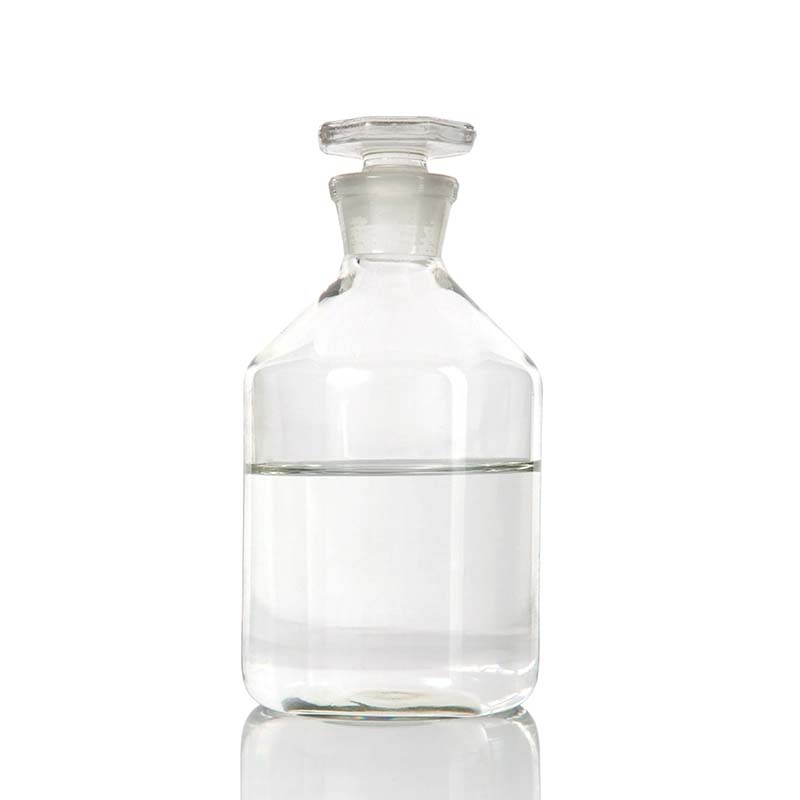
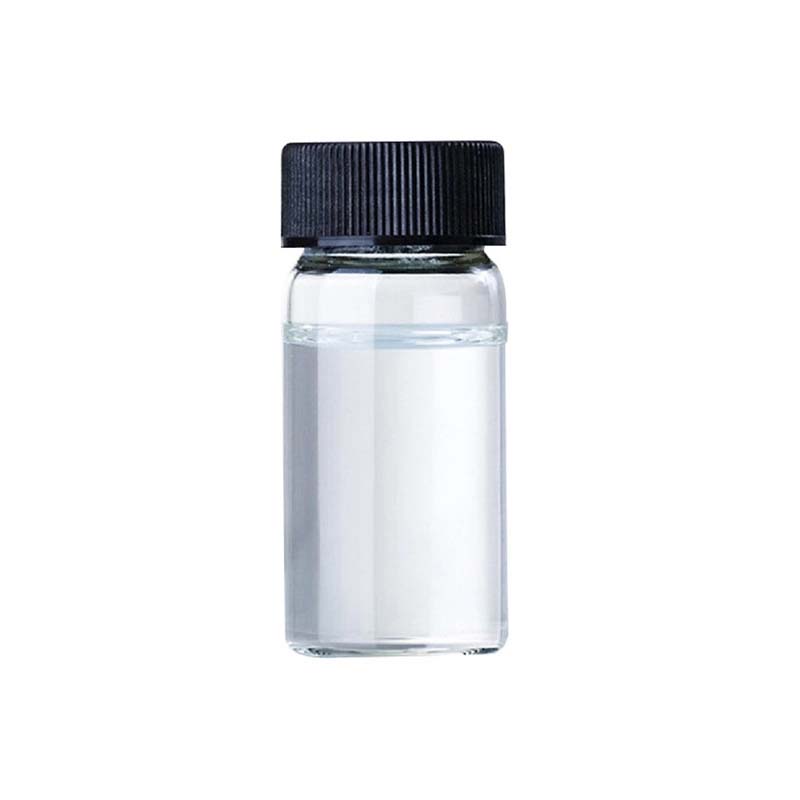
Depending on the degree of ethoxylation, NPEs range from colorless transparent liquids (low ethoxylation) to white or pale yellow waxy solids (high ethoxylation). Their defining characteristic is the optimal balance between the lipophilic group (nonylphenol) and the hydrophilic group (polyoxyethylene chain). By adjusting the ethylene oxide molar number (n value), a series of products from oil-soluble to water-soluble can be obtained to meet diverse industrial application requirements.
As a quintessential nonionic surfactant, NPE exhibits excellent wetting, penetration, emulsification, dispersion, and detergency properties. It demonstrates resistance to acids, alkalis, and hard water, and can be effectively combined with various surfactants. Historically, it has been widely applied across numerous industrial sectors including textiles, printing and dyeing, petroleum, pesticides, leather, papermaking, and construction materials.
2. Key Features
Adjustable HLB Value: By controlling the ethylene oxide adduct number (n typically ranging from 4-40), HLB (Hydrophilic-Lipophilic Balance) values from 8 to 18 can be achieved, precisely matching requirements from W/O (water-in-oil) to O/W (oil-in-water) emulsifiers.
Excellent Chemical Stability: Resistant to strong acids, strong alkalis, and high electrolyte concentrations. Maintains surface activity even under harsh chemical conditions, making it suitable for specialized formulations such as acidic cleaners and alkaline degreasers.
Superior Compatibility: Blends well with anionic, cationic, and other nonionic surfactants for synergistic effects, widely used in complex formulation systems.
Multifunctionality: Combines wetting, penetration, emulsification, dispersion, solubilization, and detergency functions—one product addressing multiple process requirements.
Comprehensive Product Range: Available in multiple specifications including TX series (TX-4, TX-7, TX-10, TX-15) and NP series (NP-8, NP-9, NP-10) covering diverse industrial applications.
Cost-Effective: Compared to specialty surfactants, NPE offers superior cost-performance ratio, maintaining excellent functionality while controlling formulation costs.
3. Technical Specifications with Explanations
| Parameter | Typical Value/Specification (NP-9/TX-10 Example) | Description & Significance |
|---|---|---|
| Molecular Formula | C₉H₁₉-C₆H₄-O-(CH₂CH₂O)n-H | n = average molar ethoxylation number; key parameter distinguishing different grades |
| CAS Number | 9016-45-9 (polymer) / 127087-87-0 / 68412-54-4 | Different CAS numbers correspond to different ethoxylation degrees or production processes |
| Appearance | Colorless to pale yellow transparent liquid (low n value) or white to pale yellow waxy solid (high n value) | Visual quality indicator; physical form varies by grade |
| Active Matter Content | ≥99% | Core specification. High content indicates high purity, strong surface activity, and minimal impurities |
| Cloud Point | 52°C - 67°C (1% aqueous solution) | Critical performance parameter. Characteristic value indicating temperature-dependent water solubility; determines applicable temperature range and HLB range |
| HLB Value | 12.0 - 13.5 (NP-8/NP-9/NP-10) | Numerical measure of hydrophilic-lipophilic balance; guides emulsifier selection |
| pH Value (1% aqueous solution) | 5.0 - 8.0 | Reflects acidity/alkalinity; neutral range ensures broad applicability and stability |
| Color (Pt-Co) | ≤ 50# - 100# | Quantitative color measure; lower values indicate lighter color and higher quality |
| Water Content | ≤ 0.5% - 1.0% | Moisture control critical for stability and accurate formulation |
| Flash Point | > 100°C (closed cup) - 238°C | High flash point indicates low fire risk during storage and processing |
4. Applications
Textile & Dyeing Industry
Scouring Agents & Detergents: Removes natural impurities (oils, waxes) and soils from fabrics; provides excellent wetting and penetration properties
Leveling Agents & Dispersants: Promotes uniform dye distribution during dyeing, preventing uneven coloration and improving color fastness
Softening Agents: Certain grades used for fabric softening and hand feel improvement
Industrial Cleaning & Household Detergents
Hard Surface Cleaners: Formulated into cleaners for metal, glass, ceramic, and floor surfaces; removes oil and dust
Acid/Alkaline Cleaners: Excellent acid/alkali resistance makes them suitable for industrial descaling and dairy equipment cleaning
Vehicle Cleaners: Car wash solutions, degreasers
Dry Cleaning Aids: Additives enhancing detergency in dry cleaning formulations
Pesticide & Fertilizer Industry
Emulsifiers: Emulsifies pesticide active ingredients (e.g., emulsifiable concentrates) in water, forming stable emulsions for uniform efficacy
Wetting Agents & Penetrants: Reduces surface tension of spray solutions, enhancing spread and penetration on plant leaves, improving pesticide utilization
Petroleum & Metallurgical Industry
Oilfield Chemicals: Crude oil demulsifiers, drilling fluid emulsifiers, oil recovery aids
Metalworking Fluids: Emulsifiers and lubricants in cutting fluids and rolling oils, providing cooling and lubrication
Polymer Materials & Coatings
Emulsion Polymerization Emulsifiers: Primary or auxiliary emulsifiers in acrylic, vinyl acetate, and other emulsion polymerization systems, stabilizing the polymerization process
Coating Additives: Wetting dispersants, stabilizers, and color developers in water-based coatings; improving pigment dispersion and storage stability
Other Industrial Applications
Paper Industry: Resin dispersants, deinking agents
Leather Industry: Emulsifiers for leather degreasing and fatliquoring processes
Construction Materials: Components in concrete admixtures for improved workability
5. Product Grade Comparison
NPE grades vary based on ethylene oxide adduct number (n value), creating a series of products with distinct properties:
| Grade/Type | Ethylene Oxide Adducts (n value) | HLB Value (approx.) | Cloud Point (1% aqueous) | Physical Form | Key Characteristics & Applications |
|---|---|---|---|---|---|
| NP-4 / TX-4 | 4 | 8-9 | Insoluble in water, soluble in oil | Colorless to pale yellow oily liquid | Oil-soluble. W/O emulsifiers, defoamers, dispersants; dry cleaning detergents, pesticide emulsifier components |
| NP-7 / TX-7 | 7 | 11-12 | Approx. 20-30°C | Colorless to pale yellow oily liquid | Dual oil/water solubility. Good emulsification and wetting; pesticide emulsification, textile pretreatment, metal cleaning |
| NP-8 | 8 | 12.4 | 70-80°F (21-27°C) | Colorless to pale yellow oily liquid | Excellent wetting, penetration, emulsification; household/industrial cleaners, pesticide adjuvants, emulsion polymerization |
| NP-9 / TX-9 | 9 | ~13.0 | 52-58°C | Colorless to pale yellow oily liquid | Most versatile grade. Water-soluble; textile scouring, hard surface cleaning, metal cleaning, cosmetics |
| NP-10 / TX-10 | 9.5-10 | 13.1-13.5 | 52-62°C | Colorless to pale yellow viscous liquid | Most versatile grade. Excellent detergency, emulsification, dispersion, wetting; synthetic detergents, industrial auxiliaries |
| NP-15 / TX-15 | 15 | 14-15 | >75°C | Pale yellow gel (below 20°C) | High HLB. High-temperature stability; emulsifiers, dispersants, leveling agents for elevated temperatures |
| NP-40 / TX-40 | 40 | >17 | >85°C | White to pale yellow waxy solid | Very high HLB. Strong hydrophilicity; dispersants, emulsifiers in high-electrolyte systems; emulsion polymerization stabilizers |
6. Purchasing & Selection Guide
Select by HLB Value and Cloud Point
Emulsification Applications:
W/O (water-in-oil) emulsions: Choose low HLB grades (e.g., NP-4)
O/W (oil-in-water) emulsions: Choose HLB 8-16 grades (e.g., NP-7 through NP-15)
Optimal emulsification occurs when HLB matches the required HLB value of the oil phase
Cleaning/Wetting Applications:
Typically select grades with HLB 12-15 and appropriate cloud point (e.g., NP-9, NP-10)
These provide optimal wetting, penetration, and detergency from ambient to moderate temperatures
High-Temperature Processes:
Select grades with cloud point exceeding process temperature (e.g., NP-15, NP-40)
Prevents surfactant precipitation and performance loss at elevated temperatures
Select by Application Area
Textile Processing: NP-7, NP-9, NP-10 for scouring, dyeing, washing
Pesticide Emulsification: NP-4, NP-7, NP-10 combinations based on pesticide properties
Industrial Cleaning: NP-8, NP-9, NP-10 preferred for acid cleaning, alkali cleaning, metal cleaners
Emulsion Polymerization: High HLB grades NP-10, NP-15, or NP-40 as emulsifiers
Environmental & Regulatory Compliance
⚠️ Important Regulatory Notice:
Nonylphenol ethoxylates (NPEs) and their degradation product nonylphenol (NP) are recognized as environmental endocrine disruptors
The EU has strictly restricted NPE use in detergents, textiles, and consumer products (REACH SVHC list)
Verify compliance with local regulations for your target market (EU REACH, US EPA, China's "Priority Control New Pollutants List 2023")
Quality Considerations
Ensure active matter content ≥99% for high purity
Low impurity levels minimize side reactions and impact on finished product performance
7. Frequently Asked Questions (FAQ)
Q: What is the relationship between Nonylphenol Ethoxylate (NPE) and Nonylphenol (NP)?
A: NPE is the ethoxylation product of NP with ethylene oxide. In the environment, NPE biodegrades by losing its polyoxyethylene chain, regenerating NP. NP is considered more environmentally hazardous than NPE, exhibiting estrogenic effects and bioaccumulation potential, making it a priority controlled substance internationally.
Q: Why is Nonylphenol Ethoxylate facing increasing environmental restrictions?
A: Primarily because its degradation product, nonylphenol (NP), is confirmed as an environmental endocrine disruptor with toxic effects on aquatic organisms. NP is persistent in the environment and bioaccumulative. Consequently, the EU, US, China, and other regions have implemented regulations restricting or prohibiting NPE in certain consumer products (household detergents, textiles).
Q: Are TX-10 and NP-10 the same product?
A: Generally yes, they refer to the same product. Both indicate nonylphenol ethoxylate with approximately 10 moles ethylene oxide. TX and NP series are different naming conventions used by various manufacturers or in different regions. The TX series name originates from early commercial brands like "Triton X-100" and is widely used in Chinese markets. Technically and functionally, they are essentially identical.
Q: How do I select the appropriate NPE grade based on cloud point?
A: Cloud point is the temperature at which nonionic surfactants become insoluble and turn cloudy in aqueous solution. Always ensure your application temperature is below the cloud point to maintain complete solubility and optimal surface activity. For example, if your cleaning process operates at 40°C, select a grade with cloud point above 50°C (e.g., NP-10).
Q: What are safe alternatives to Nonylphenol Ethoxylate?
A: In applications facing regulatory restrictions, common environmentally friendly alternatives include:
Fatty alcohol ethoxylates
Isomeric alcohol ethoxylates
Alkyl polyglycosides (APGs)
These nonionic surfactants offer comparable surface activity with superior biodegradability and non-toxic degradation products.
8. Delivery, Certification & Service
Delivery Capabilities
Inventory Status: Common grades (NP-7, NP-9, NP-10, TX-10) available from regional warehouses for rapid dispatch
Sample Program: 500g-1kg samples available for research institutions and manufacturers for formulation testing and performance evaluation
Packaging Options:
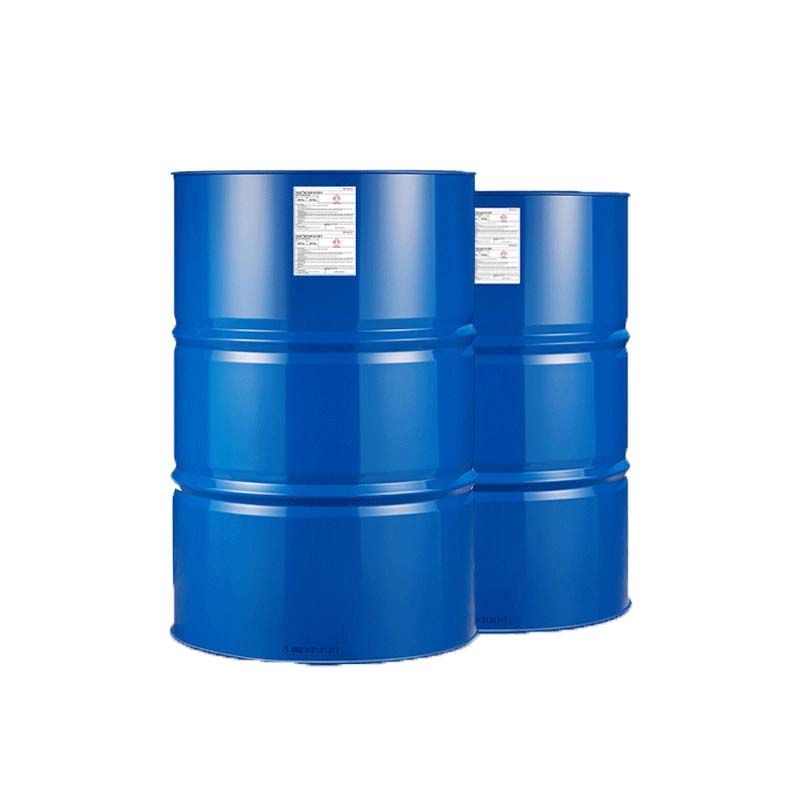
Small quantities: 1 kg, 5 kg fluorinated bottles or aluminum foil bags
Industrial quantities: 200 kg steel drums, 1000 kg IBC totes
Custom packaging: Available for volume customers
Shipping: Non-hazardous material; standard freight shipping available (express, LTL, full truckload)

Quality Certifications
ISO 9001:2015 certified manufacturing facilities
Certificate of Analysis (COA) provided with each batch, documenting appearance, active matter content, cloud point, pH, color, water content, and other critical parameters
Safety Data Sheet (SDS) available in multiple languages
Third-party test reports (e.g., SGS) available upon request
Additional documentation: Non-GMO declaration, allergen statement available
Regulatory compliance documents: REACH, RoHS compliance statements available upon request
Technical Support & Services
Technical Consultation: Application specialist team available for online consultation on product selection, formulation optimization, process adaptation, and regulatory compliance
Custom Services: Tailored ethoxylation degrees and quality specifications for long-term partnership customers
Regulatory Support: Documentation packages for product registration in target markets, including updated information on EU REACH (SVHC list) and China's new pollutant control requirements
Documentation Available
Certificate of Analysis (COA)
Safety Data Sheet (SDS/MSDS)
Technical Data Sheet (TDS)
Specification and compliance statements
Non-GMO declaration
Allergen statement
REACH compliance documentation