

Polypropylene (PP) CAS:68442-33-1
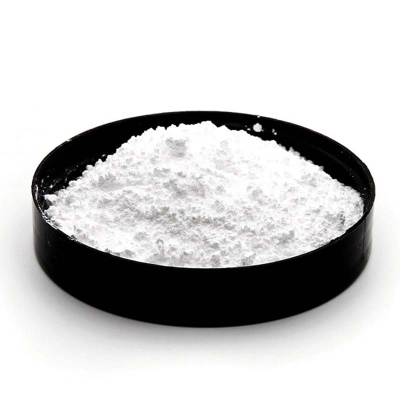
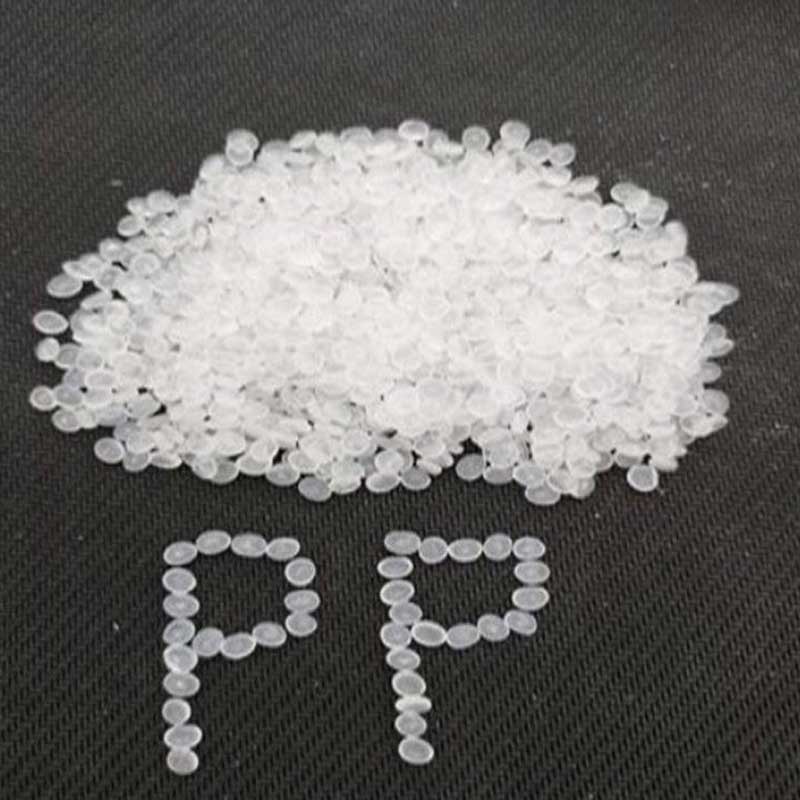
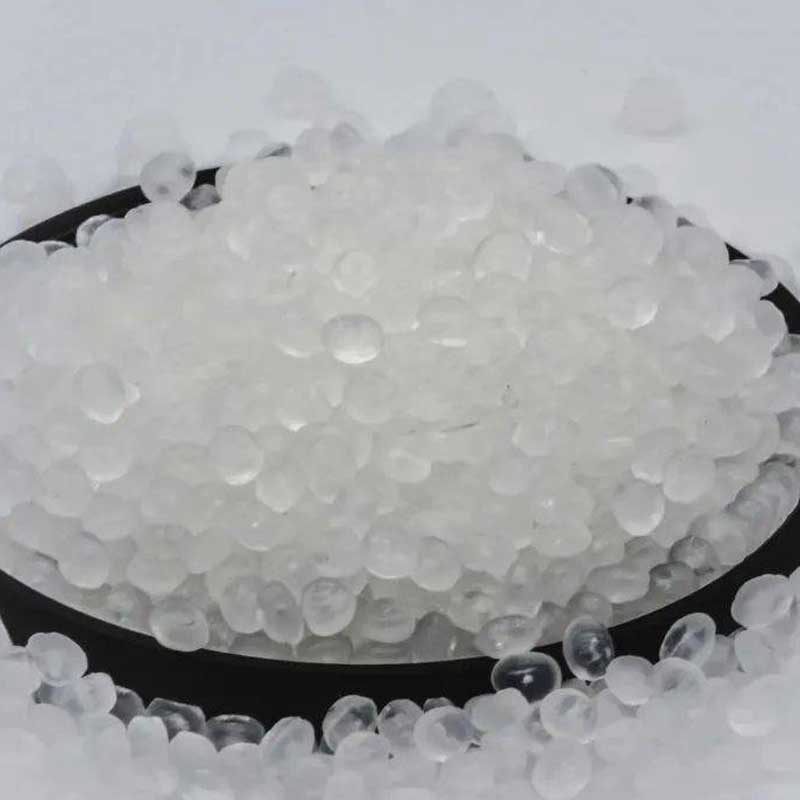
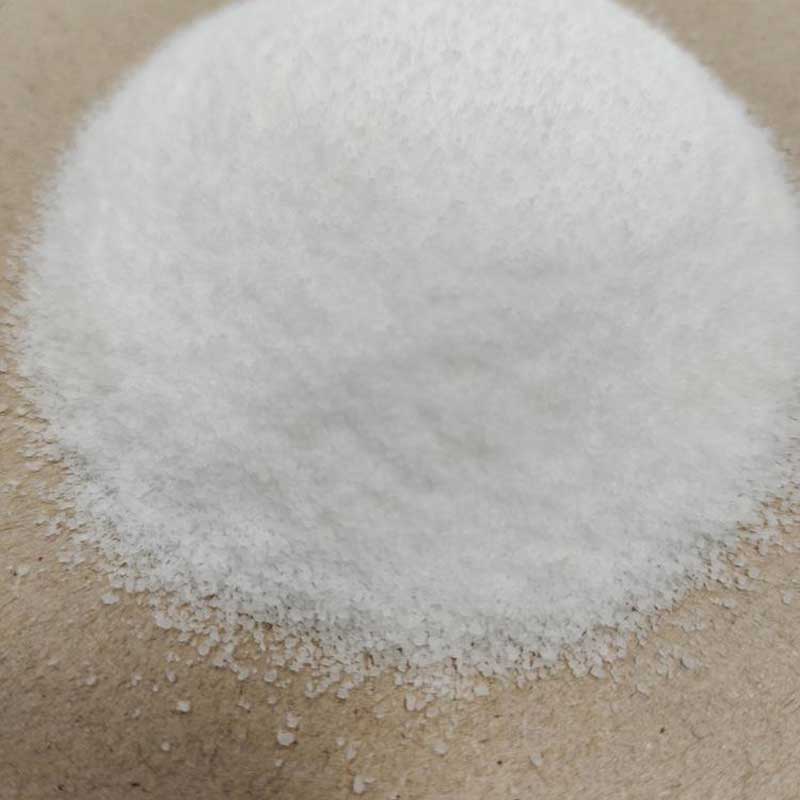
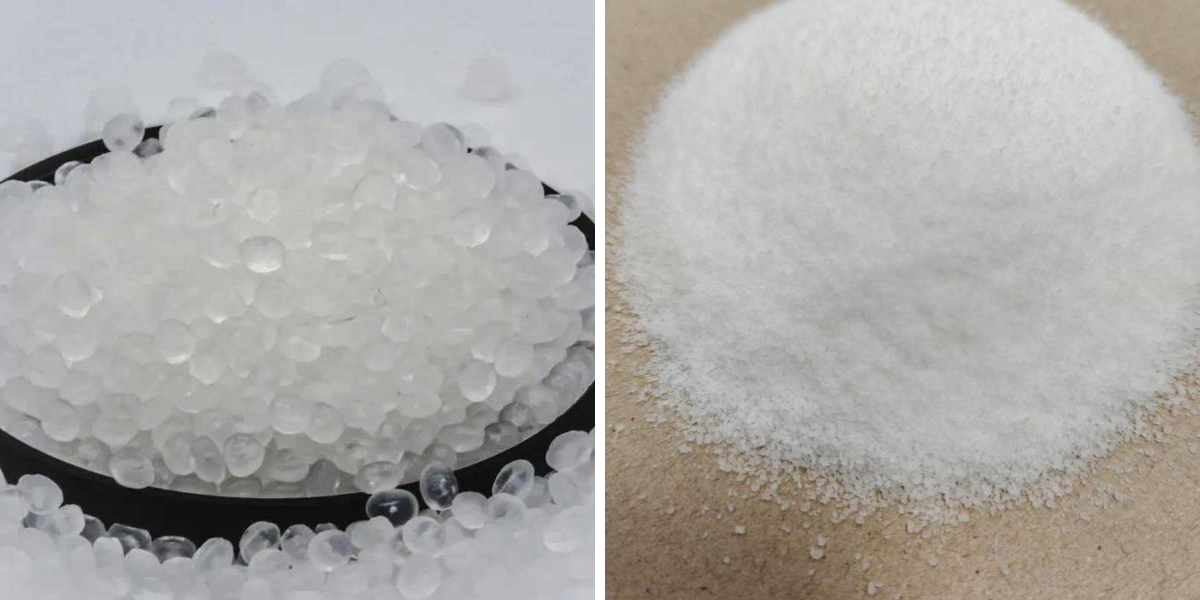
Polypropylene (abbreviated as PP) is a thermoplastic resin formed by the polymerization of propylene monomers. It usually appears as a white waxy or semi-transparent substance, and possesses characteristics such as light weight, impact resistance, chemical corrosion resistance, and high temperature resistance (with a melting point around 160℃). PP is non-toxic and odorless, and is easy to be processed into various shapes. It is widely used in food packaging, textiles (such as non-woven fabrics), automotive parts, medical devices, and household appliances.
1. Product Overview
Polypropylene (PP) is a thermoplastic resin produced by the polymerization of propylene monomers. Its chemical structure is represented as (C₃H₆)ₙ . It is a high-molecular-weight compound formed by the polymerization of propylene gas in the presence of a catalyst.
Polypropylene is currently one of the largest volume and fastest-growing general-purpose plastics globally, alongside polyethylene (PE), forming the two pillars of the plastics industry. Its market prominence is due to its unique combination of properties: low density, good rigidity, high heat resistance, strong chemical resistance, combined with excellent mechanical properties and good processability. With a density of approximately 0.90 g/cm³, PP is one of the lightest commercial plastics. Its applications span nearly every facet of modern life, from food packaging, automotive components, and medical devices to textiles and household appliances.
The performance of polypropylene can be precisely tailored by selecting different polymerization processes (e.g., homopolymer, copolymer) and incorporating additives, meeting diverse application needs ranging from high-clarity containers to high-impact automotive bumpers.
2. Key Features
Lightweight yet Strong, Excellent Cost-Effectiveness: PP has one of the lowest densities among all commodity plastics (approx. 0.90 g/cm³), making it lighter than water. It also exhibits excellent rigidity and surface hardness, providing sufficient mechanical strength while effectively reducing product weight and material costs. This makes it an ideal material for lightweighting initiatives and replacing metals with plastics.
Superior Heat Resistance: PP has a high melting point of 160-170°C, and its Heat Deflection Temperature (HDT) is significantly higher than that of polyethylene (PE). This allows PP products to be used for extended periods in high-temperature environments above 100°C and withstand processes like high-temperature disinfection (e.g., microwave heating, medical steam sterilization). This is one of its core advantages over many other common plastics.
Excellent Chemical Resistance: PP exhibits outstanding resistance to acids, alkalis, salt solutions, and most organic solvents. It can even withstand attack from many polar organic solvents at elevated temperatures above 80°C. This property makes it widely used in chemical pipes, laboratory equipment, and battery casings.
Outstanding Flexural Fatigue Resistance: PP possesses unique resistance to flexural fatigue, meaning it can withstand millions of bending cycles without breaking. This property, known as a "Living Hinge," makes PP ideal for manufacturing one-piece hinge structures widely used in various container lids and toolboxes, eliminating the need for separate metal hinges.
Good Electrical Insulation: PP has a low dielectric constant and high dielectric strength, making it an excellent electrical insulator suitable for electronic and electrical components.
Safe and Hygienic, Food Grade Approved: PP itself is non-toxic and odorless, meeting FDA and various national food contact material standards. It is widely used in food packaging (e.g., microwaveable meal containers, yogurt cups, beverage bottles) and medical devices (e.g., syringes, medicine bottles).
3. Technical Specifications with Explanations
| Parameter | Typical Value/Specification | Description & Significance |
|---|---|---|
| Density | Approx. 0.90 – 0.92 g/cm³ | Core Classification Parameter. PP is one of the lightest commercial plastics; its low density is the physical basis for lightweight product design. Density is primarily determined by comonomer content. |
| Melt Index (MI / MFR) | 0.1 – 50 g/10min (Varies greatly by grade) | Core Processing Parameter. Indicates the mass of molten plastic flowing through a standard die in 10 minutes under specific temperature and load. Higher MI means better flow, facilitating processing (e.g., injection molding), but typically results in lower mechanical strength (e.g., impact strength). It is the crucial link between material and processing method. |
| Melting Point | Homopolymer PP: 160–165°C Copolymer PP: 150–160°C | Determines the maximum service temperature and required processing temperature range. The higher melting point is the fundamental reason PP can be used in high-temperature applications. |
| Heat Deflection Temperature (HDT) | 95–120°C (depending on formulation) | Measures the material's ability to withstand a load at elevated temperatures. Critical for applications like automotive parts and heat-resistant appliances. |
| Tensile Strength | Homopolymer PP > Copolymer PP | Measures the material's ability to resist breaking under tension. Homopolymer PP has higher rigidity, suitable for structural parts; Copolymer PP offers better toughness, suitable for impact-resistant parts. |
| Flexural Modulus | Homopolymer PP > Copolymer PP | Measures the material's stiffness or resistance to bending. A core parameter for designing and selecting structural materials. |
| Izod Impact Strength | Copolymer PP > Homopolymer PP | Measures the material's ability to resist impact failure. Typically, Copolymer PP has significantly higher impact strength than Homopolymer PP, especially at low temperatures, making it a key indicator for applications like automotive bumpers. |
4. Main Types and Applications
Polypropylene is primarily classified by monomer composition and molecular structure. The three main commodity grades and their typical applications are:
| Type | Structure & Characteristics | Typical Applications |
|---|---|---|
| Homopolymer PP (PP-H) | Polymerized solely from propylene monomers. Characteristics: Highest rigidity, greatest hardness, best heat resistance, but relatively lower impact toughness, especially brittle at low temperatures. | Fibers: PP fibers, non-woven fabrics (e.g., masks, diapers), carpets. Injection Molded Parts: Industrial components, pump housings, fan blades, general household items. Extruded Sheets: Stationery, folders, thermoformed cups. |
| Block Copolymer PP (PP-B) | Polymerized from propylene with small amounts of ethylene in a block sequence. The ethylene segments exist as "blocks." Characteristics: Significantly improved impact resistance, especially at low temperatures, while maintaining good rigidity. | Automotive Parts: Car bumpers, dashboards, interior trim. Appliance Housings: Washing machine drums, refrigerator components, fan bases. Heavy-Duty Containers: Industrial crates, battery casings. |
| Random Copolymer PP (PP-R) | Polymerized from propylene with small amounts of ethylene randomly inserted into the polymer chain. Characteristics: High clarity, slightly lower melting point, good flexibility, better impact resistance than homopolymer, but slightly lower rigidity and heat resistance. | High-Clarity Packaging: Microwaveable meal containers, clear storage boxes, beverage bottles, yogurt cups. Pipes: Hot and cold water pipes (PPR pipes), heating system pipes. Medical Supplies: Clear syringes, medicine bottles, IV bottles. |
5. Special Grades / Comparison
Beyond the three main commodity grades, there are specialty polypropylene grades produced through modification or special processes for enhanced performance.
| Type | High Clarity PP | High Impact PP | Glass Fiber Reinforced PP |
|---|---|---|---|
| Core Characteristics | Typically based on Random Copolymer PP with added clarifying agents. Offers extremely high transparency (close to PET or PS), good gloss, while retaining PP's heat and chemical resistance. | Achieves maximum impact resistance, especially at low temperatures, by adding impact modifiers or blending with elastomers. | Incorporates a percentage (e.g., 10%-40%) of glass fibers. Rigidity, strength, and Heat Deflection Temperature are dramatically increased, rivaling some engineering plastics. |
| Primary Applications | High-clarity food containers, baby bottles, CD cases, household storage boxes. | Automotive interior parts, toolboxes, sporting goods, children's toys. | Automotive fans, washing machine parts, pump bodies, power tool housings, structural parts replacing engineering plastics. |
6. Purchasing & Selection Guide
Define the Application and End-Use:
Will the product be used for packaging, automotive, appliances, or pipes? Different applications have fundamentally different core performance requirements.
For example, producing a high-clarity, microwaveable meal container requires Random Copolymer PP (PP-R) .
Producing an automotive bumper requiring good impact resistance in cold climates necessitates Block Copolymer PP (PP-B) or High Impact Modified PP.
Determine Key Performance Requirements:
Rigidity vs. Toughness: If the product needs high stiffness and dimensional stability, choose Homopolymer PP. If the product needs to be impact-resistant and durable, choose Copolymer PP.
Heat Resistance: For applications involving high-temperature disinfection or hot environments, pay close attention to the material's Heat Deflection Temperature (HDT) and long-term heat aging properties.
Transparency: For products requiring high clarity, choose Random Copolymer PP or High Clarity PP.
Chemical Contact: PP generally has good chemical resistance, but validation for specific media may be necessary.
Match with the Processing Method:
Injection Molding: Select a PP grade with the appropriate Melt Flow Rate (MFR) based on part size and complexity. Large or thin-walled parts typically require high-flow grades.
Extrusion: For pipes, sheets, or profiles, choose specialized grades with high melt strength.
Blow Molding: For hollow containers, select grades that can form a stable parison.
Thermoforming: For cups and containers, choose grades suitable for sheet extrusion and secondary forming.
Consult Supplier Technical Data Sheets (TDS) and Conduct Trials:
After defining the performance direction, consult with suppliers to obtain TDS for their recommended grades.
Finally, before large-scale procurement, always conduct sample trials to verify that the chosen grade perfectly meets your production process and final product performance requirements.
7. Frequently Asked Questions (FAQ)
Q: What is the most intuitive way to distinguish PP from PE (Polyethylene)?
A: A simple method is feel and transparency: PP feels stiffer and more "crisp," has good snap-back after bending, and homopolymer PP is typically translucent to opaque. PE (especially LDPE) feels softer and more pliable. Another common test is a float test in hot water: Both PP and PE float in water, but PP has better heat resistance and won't soften significantly in hot water (e.g., 70-80°C), while PE will soften noticeably and may deform.
Q: Is Polypropylene (PP) safe for microwave use?
A: Yes, it is very safe. PP is a non-toxic, odorless material widely used for food contact and medical devices. Crucially, PP is one of the few plastics that can be safely used in microwave ovens. However, you must ensure the item is 100% pure PP and labeled "microwave-safe." Containers with metallic decorations or lids made from other, less heat-resistant materials should not be microwaved.
Q: What is the "Living Hinge" property of polypropylene?
A: The "living hinge" is a unique characteristic of PP. It leverages PP's excellent flexural fatigue resistance. During injection molding, a very thin, flexible strip of PP is formed directly between a lid and its container. This thin strip can withstand repeated opening and closing (millions of cycles) without breaking. This property is widely used in various hinged containers like toolboxes, eyeglass cases, and shampoo bottle caps, eliminating the need for separate metal hinges and greatly simplifying design and manufacturing.
Q: Can Polypropylene (PP) be recycled?
A: Yes. PP is recyclable. Recycled PP (often called P-PP) is widely used in products with lower requirements for color and properties, such as plastic pallets, trash bins, flower pots, and some automotive parts.
Q: Why do PP injection-molded parts sometimes warp?
A: PP is a semi-crystalline polymer that undergoes significant volume shrinkage (molding shrinkage) during cooling. If the mold design is inadequate (e.g., uneven wall thickness, uneven cooling) or injection molding parameters are not optimized (e.g., insufficient holding pressure), internal stresses can develop, leading to part warpage. Optimizing mold design and injection molding parameters is key to solving this problem.
8. Delivery, Certification & Service
Delivery Capabilities
Global Sourcing, Local Inventory: Leveraging a strong supply chain network, we can supply polypropylene from world-renowned producers, ensuring stable supply and reliable quality.
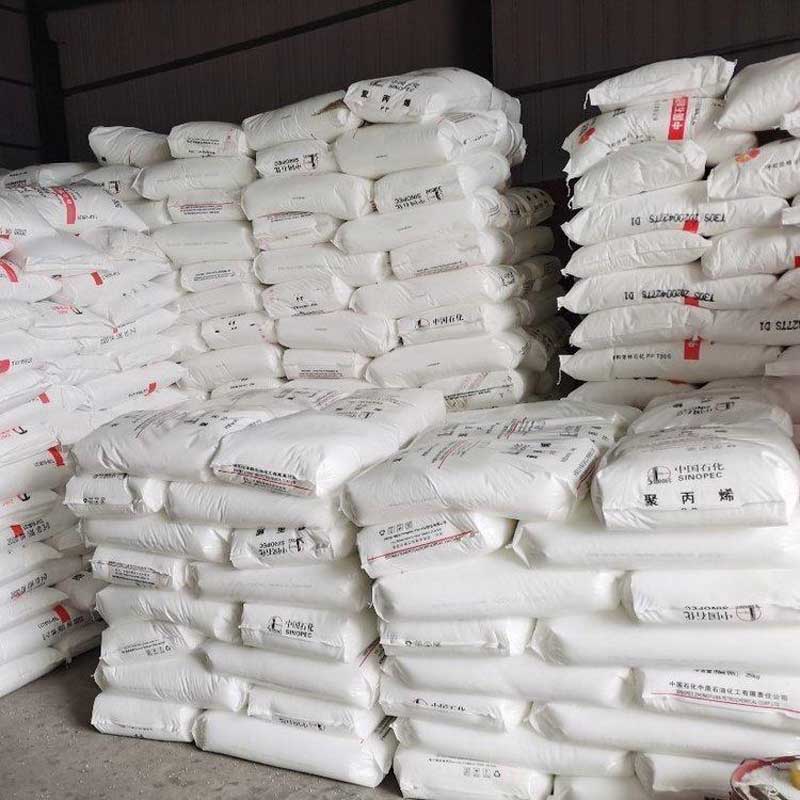
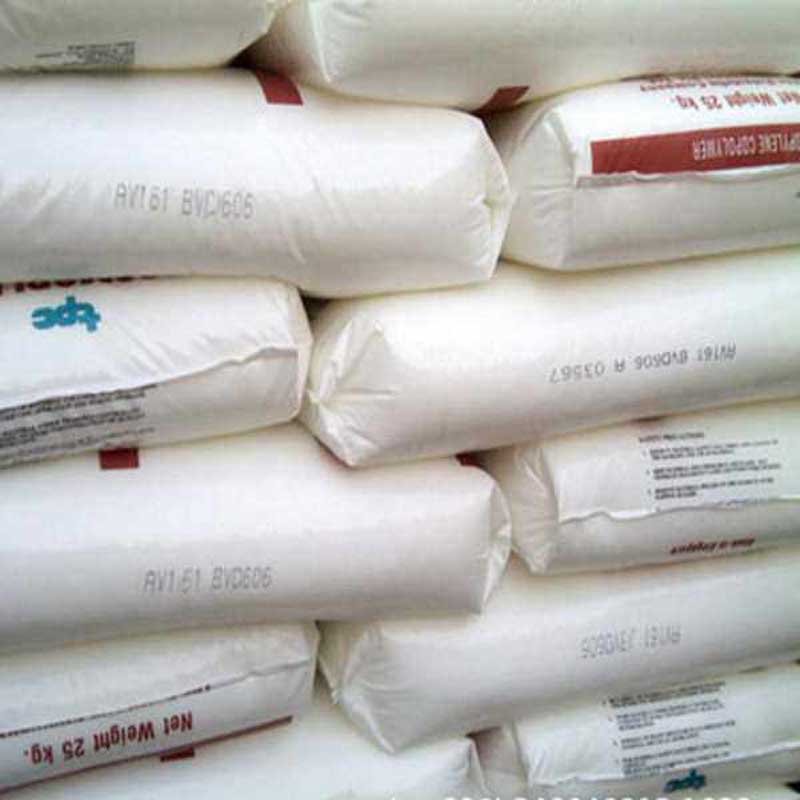
Diverse Packaging Options: Available in 25 kg bags, 500 kg / 1000 kg supersacks.
Sample Service: Small samples are available for research institutions and manufacturers for formulation testing and process validation.
Quality Certifications
Manufacturer's Warranty: Each batch of PP raw material supplied comes with the original manufacturer's Certificate of Analysis (COA) , verifying key parameters like purity, density, and melt flow rate.
Third-Party Testing Support: We collaborate with internationally recognized testing bodies and can provide comprehensive performance testing services, including mechanical properties, thermal properties, compositional analysis, and hazardous substance testing (e.g., RoHS, REACH). We can also assist with FDA, UL Yellow Card, and other certification consultations.
Technical Support & Service
Professional Grade Selection Consultation: Our technical expert team can provide professional grade selection advice based on your specific application and processing method, helping you find the optimal balance between performance and cost.
Processing Guidance: We offer process optimization suggestions to help you troubleshoot issues encountered during injection molding, extrusion, etc.
Regulatory Compliance Support: We provide documentation confirming compliance with international and local regulations such as FDA (food contact), RoHS, and REACH .