

Polyethylene (PE) CAS 9002-88-4
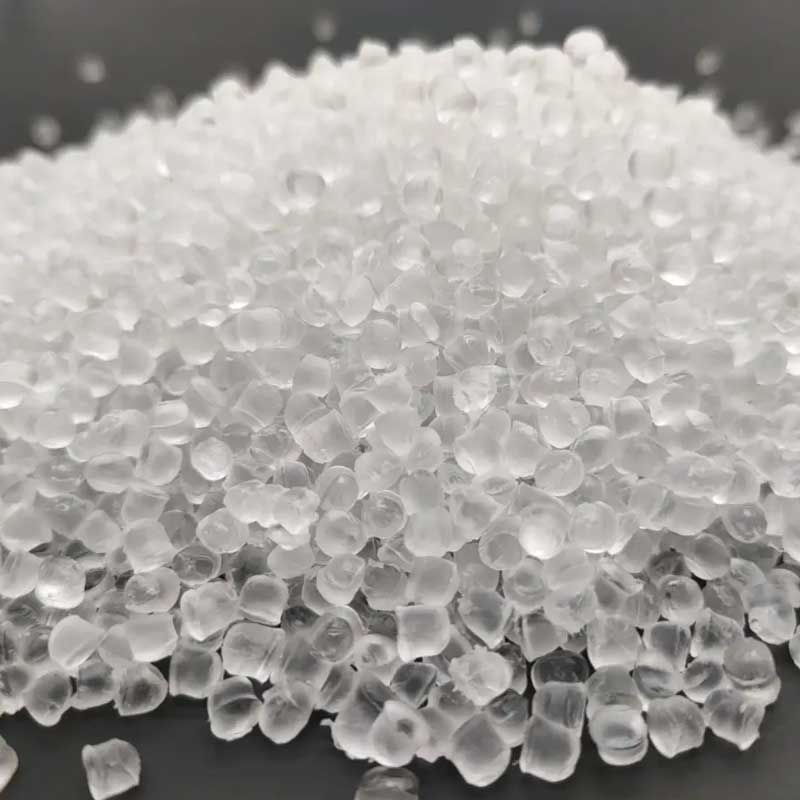
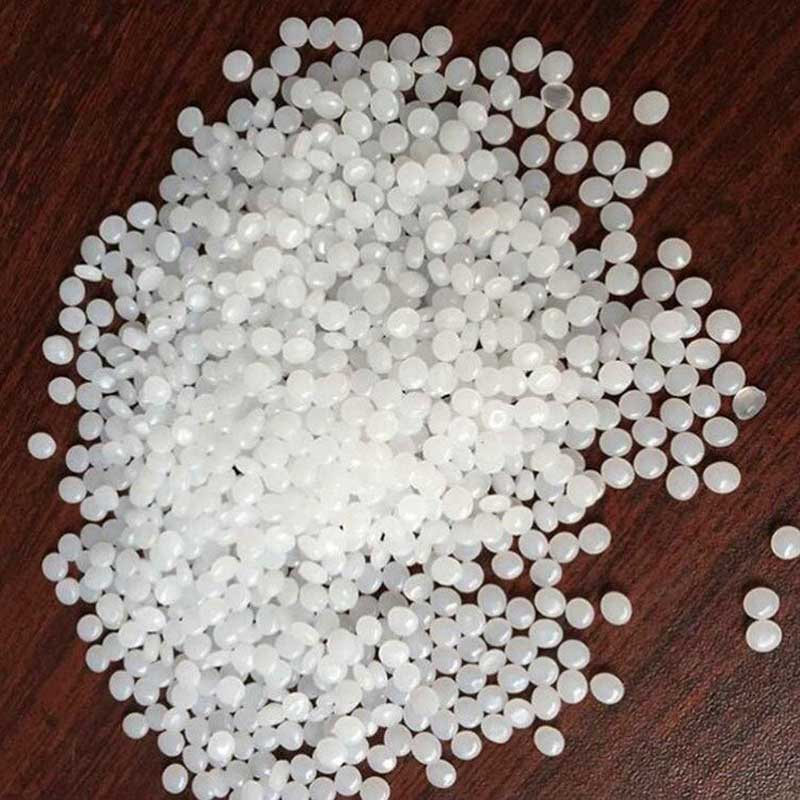
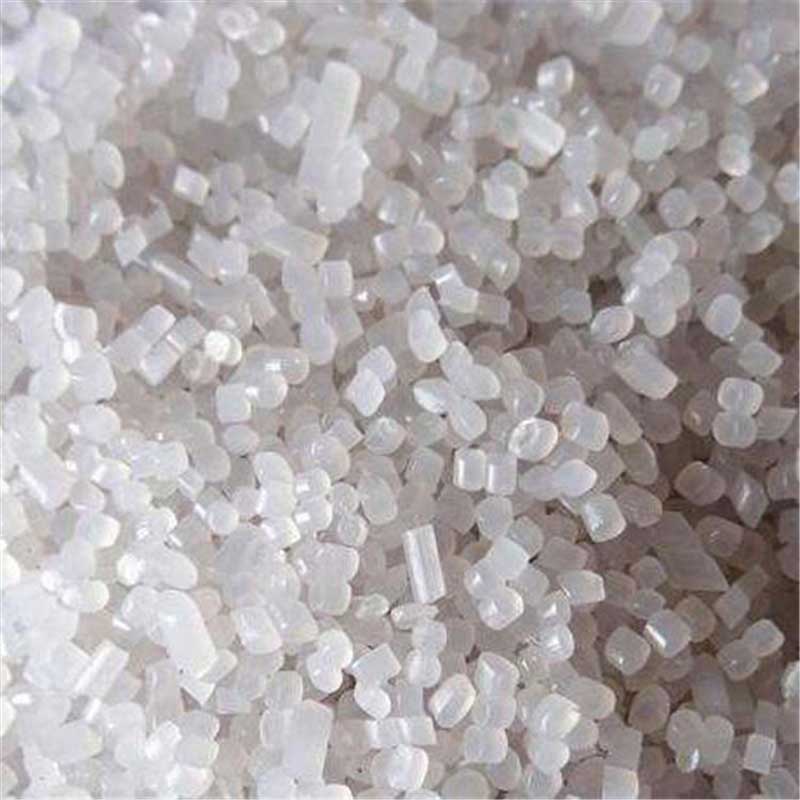
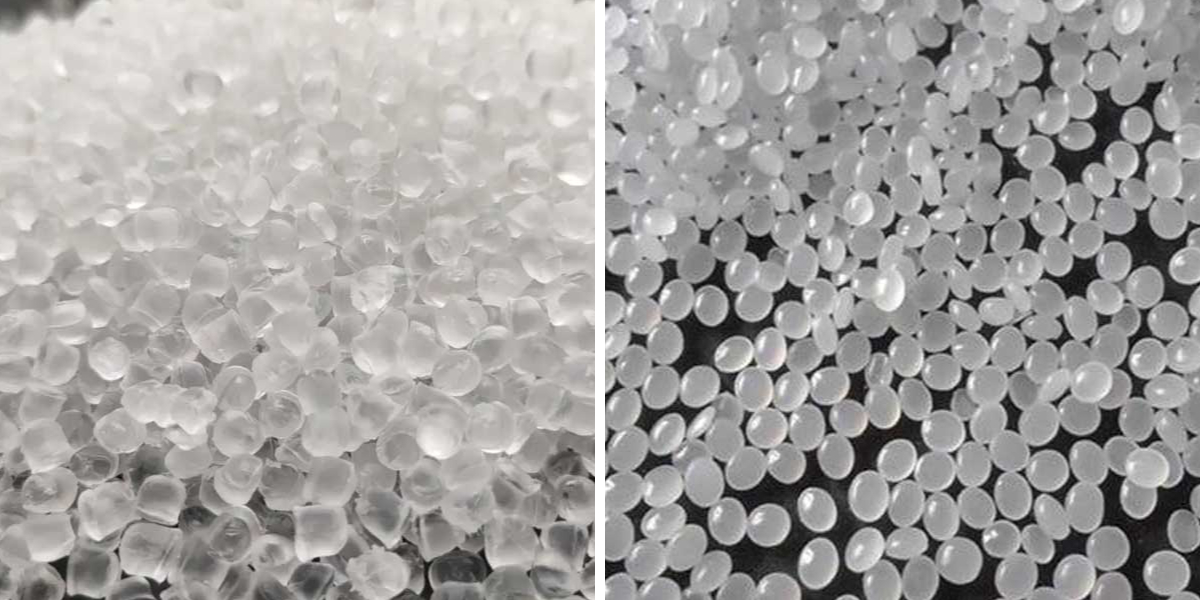
Polyethylene (abbreviated as PE) is a thermoplastic resin formed by the polymerization of ethylene. It is the most produced plastic variety. It is usually odorless and non-toxic, with a waxy feel, and possesses excellent low-temperature resistance and chemical stability. Depending on the density, it is mainly divided into low-density polyethylene (LDPE), high-density polyethylene (HDPE), and linear low-density polyethylene (LLDPE), and is widely used in the manufacture of films, containers, pipes, wire and cable insulation layers, and other products.
1. Product Overview
Polyethylene (PE) is a thermoplastic resin produced by the polymerization of ethylene. It consists of repeating -CH₂-CH₂- units, with the chemical structure represented as (C₂H₄)ₙ . It is a synthetic polymer formed by linking simple ethylene gas molecules into long chains through polymerization reactions .
Polyethylene is currently the largest volume and most widely used general-purpose plastic globally, accounting for approximately 34% of the total world plastic consumption . Its widespread adoption is due to its excellent combination of properties: low cost, versatility, light weight, durability, chemical resistance, and ease of processing . From everyday items like plastic bags, cling film, and shampoo bottles to industrial applications such as pipes and wire insulation, and even advanced sectors like medical devices and lithium-ion battery separators, PE is ubiquitous.
The properties of polyethylene are primarily determined by its molecular structure (e.g., degree of branching) and molecular weight. By adjusting the polymerization process, various grades with different densities and performance characteristics can be produced to meet a vast array of application requirements, ranging from flexible films to rigid containers.
2. Key Features
Excellent Chemical Resistance: PE exhibits good resistance to acids and alkalis. At room temperature, it resists corrosion from most acid, alkali, and salt solutions and is insoluble in common organic solvents . Additionally, it has extremely low water absorption and low moisture vapor permeability, providing excellent moisture barrier properties .
Superior Electrical Insulation: PE has a very low dielectric constant and dielectric loss factor, along with high volume resistivity, making it an excellent electrical insulating material widely used for insulating layers in wires and cables .
Outstanding Physical and Mechanical Properties: Depending on the grade, PE can exhibit a wide range of properties from high flexibility to high rigidity. For example, LDPE is soft and transparent, while HDPE is hard, strong, and abrasion-resistant . Ultra-high molecular weight polyethylene (UHMWPE) is particularly renowned for its exceptional wear resistance, impact resistance, and self-lubricating properties, with abrasion resistance even surpassing that of carbon steel .
Good Processability and Economy: PE has a relatively low melting point and good melt flow, making it suitable for various processing methods including blow molding, injection molding, extrusion, and rotational molding . As the highest-volume plastic, its raw material cost is relatively low, offering excellent cost-performance .
Lightweight and Safe: PE typically has a density lower than water (0.91-0.97 g/cm³), allowing it to float and facilitating lightweight design . Furthermore, many PE grades comply with FDA (Food and Drug Administration) standards, being non-toxic and odorless, making them safe for food contact and medical applications .
Good Environmental Adaptability: PE exhibits excellent low-temperature resistance (e.g., LDPE retains high impact strength even at low temperatures), with some grades performing well across a broad temperature range from -50°C to +60°C .
3. Technical Specifications with Explanations
Understanding the key technical parameters of polyethylene is fundamental for correct grade selection and ensuring final product quality.
| Parameter | Typical Value/Specification | Description & Significance |
|---|---|---|
| Density | LDPE: 0.910–0.925 g/cm³ LLDPE: 0.915–0.940 g/cm³ HDPE: 0.941–0.965 g/cm³ | Primary Classification Parameter. Density, primarily determined by the degree of chain branching, directly influences material stiffness, hardness, heat resistance, and barrier properties. Higher density generally means higher rigidity, hardness, and heat resistance, but lower transparency and flexibility . |
| Melt Index (MI / MFR) | 0.1 – 50 g/10min (Varies greatly by grade) | Core Processing Parameter. Indicates the mass of molten plastic flowing through a standard die in 10 minutes under specific temperature and load. Higher MI means better flow, facilitating processing (e.g., injection molding), but typically results in lower mechanical strength (e.g., tensile strength, impact resistance) . |
| Molecular Weight | HDPE: ~200,000 – 500,000 g/mol UHMWPE: > 3,000,000 g/mol | Determines fundamental polymer properties. Higher molecular weight, meaning longer polymer chains, leads to improved wear resistance, impact resistance, environmental stress cracking resistance (ESCR), and overall durability, but also increases processing difficulty (melt viscosity becomes extremely high). |
| Melting Point | LDPE: 105-115°C HDPE: 120-140°C | Determines the maximum service temperature and required processing temperature range . |
| Tensile Strength | Lower for LDPE, higher for HDPE, extremely high for UHMWPE | Measures the material's ability to resist breaking under tension; a key indicator for assessing the load-bearing capacity of structural materials. Generally: HDPE > LLDPE > LDPE . |
| Environmental Stress Cracking Resistance (ESCR) | Dependent on molecular weight, density, and comonomer content | Measures the material's resistance to cracking under the combined influence of specific chemical environments and mechanical stress. Critical for long-service-life products such as pipes and containers . |
4. Main Types and Applications
Polyethylene is primarily classified by density and molecular structure. The three main commodity grades and their typical applications are:
| Type | Structure & Characteristics | Typical Applications |
|---|---|---|
| Low-Density Polyethylene (LDPE) | Highly branched chain structure, loose molecular chain arrangement, low crystallinity (50-60%). Characteristics: Flexible, good transparency, tough, easy to process, but relatively low mechanical strength and heat resistance . | Film Products: Plastic bags, cling film, agricultural films, shrink wrap . Extrusion Coating: Coatings for substrates like paper and aluminum foil (e.g., liquid packaging cartons) . Injection Molded Products: Certain bottle caps, toys. Wire & Cable: Insulation layer . |
| Linear Low-Density Polyethylene (LLDPE) | Linear backbone + short chain branches, combining LDPE's flexibility with some of HDPE's strength. Characteristics: Superior tensile strength, puncture resistance, and impact resistance compared to LDPE, with better Environmental Stress Crack Resistance (ESCR) . | High-Performance Films: Heavy-duty bags, garbage bags, food packaging films, stretch wrap; often blended with LDPE . Rotomolded Products: Large toys, chemical storage tanks. Injection & Blow Molding: Certain bottles and containers. |
| High-Density Polyethylene (HDPE) | Linear structure, minimal branching, high crystallinity (>90%). Characteristics: High rigidity, hardness, wear resistance, chemical resistance, and mechanical strength, but lower flexibility and transparency . | Blow Molded Products: Plastic bottles (e.g., shampoo bottles, milk jugs, oil containers), chemical containers, industrial drums . Pipes & Profiles: Water supply/drainage pipes, gas pipes, sewage pipes, plastic pallets, crates. Injection Molded Products: Industrial parts, gears, valves, household items (e.g., cutting boards). |
5. Special Grades / Comparison
Beyond the three main commodity grades, there are specialty polyethylene grades designed for advanced applications:
| Type | High Molecular Weight Polyethylene (HMWPE) | Ultra-High Molecular Weight Polyethylene (UHMWPE) | Ethylene-α Olefin Copolymers / Plastomers (e.g., ExxonMobil Exact™, Vistamaxx™) |
|---|---|---|---|
| Core Characteristics | Molecular weight between HDPE and UHMWPE (e.g., ~500,000 g/mol). Offers an excellent balance of stiffness, toughness, mechanical damping, and wear resistance . | Extremely high molecular weight (> 3 million g/mol). Exhibits extreme wear resistance, impact strength, self-lubrication, and chemical resistance . | Synthesized with metallocene catalysts, providing exceptional toughness and heat-sealability, excellent transparency, and good compatibility with polyolefins, bridging the gap between elastomers and plastics . |
| Primary Applications | Food-grade cutting boards (prevents excessive tool dulling), conveyor chute liners, hopper liners . | Lithium-ion battery separators , medical implants (e.g., artificial joints) , high-strength fibers (e.g., bulletproof vests), wear-resistant liners, self-lubricating guides . | Flexible packaging films (e.g., heat seal layers), impact modifiers (improving flexibility/toughness of other polyolefins), wire & cable, foamed materials . |
6. Purchasing & Selection Guide
Choosing the correct PE grade is crucial for product performance and cost-effectiveness. Here are the key selection steps:
Define the Application and End-Use:
This is the most critical first step. Will the product be used for film, pipe, blow-molded containers, or injection-molded parts? Different applications have fundamentally different core performance requirements .
For example, producing shopping bags typically calls for LDPE or LLDPE; producing chemical drums necessitates HDPE, with close attention to its ESCR performance.
Determine Key Performance Requirements:
Rigidity vs. Flexibility: If the product needs high stiffness and dimensional stability, choose HDPE. If softness and transparency are needed, choose LDPE or LLDPE .
Strength & Impact Resistance: For high tensile strength or impact resistance, consider HDPE or LLDPE. For extreme requirements, HMWPE or UHMWPE should be considered.
Chemical Resistance: For chemical contact, HDPE is generally the better choice .
Special Requirements: Such as food contact (requires FDA compliance), outdoor use (needs UV stabilizers), flame retardancy, etc.
Match with the Processing Method:
Blown Film: Choose LDPE or LLDPE with a low MI (e.g., 0.3–2.0 g/10min) to ensure sufficient melt strength.
Injection Molding: Choose HDPE with a high MI (e.g., 5–20 g/10min) to ensure fast cavity filling.
Pipe Extrusion: Choose HDPE with a very low MI (e.g., 0.1–2.0 g/10min).
Blow Molding: Choose HDPE with a medium MI (e.g., 1–8 g/10min) balancing parison sag and strength.
Different processing methods have specific requirements for the material's Melt Index (MI) .
Consult Supplier Technical Data Sheets (TDS) and Conduct Trials:
After defining the performance direction, consult with suppliers to obtain TDS for their recommended grades.
Finally, before large-scale procurement, always conduct sample trials to verify that the chosen grade perfectly meets your production process and final product performance requirements .
7. Frequently Asked Questions (FAQ)
Q: What is the most intuitive way to distinguish LDPE, LLDPE, and HDPE?
A: A simple way is by product form and feel: LDPE film feels soft, smooth, and elastic; LLDPE film feels tougher and more resistant to stretching; HDPE products, like bottles or cutting boards, feel hard and rigid, with lower transparency .
Q: Is Polyethylene (PE) safe for food packaging?
A: Yes, it is very safe. Polyethylene itself is a non-toxic, odorless material. Many grades of both high-density and low-density polyethylene are FDA (Food and Drug Administration) compliant and widely approved for food contact applications, such as food packaging films, cling wrap, beverage bottles, and kitchenware (e.g., cutting boards).
Q: What is "Environmental Stress Crack Resistance (ESCR)" and why is it important?
A: ESCR measures a plastic's ability to resist cracking under the combined action of specific chemical environments and mechanical stress . For products like detergent bottles, chemical containers, or gas pipes buried underground for long periods, exposure to chemicals and internal/external stress makes ESCR critical. HDPE generally exhibits better ESCR than LDPE and LLDPE.
Q: Can Polyethylene (PE) be recycled?
A: Yes. Polyethylene is recyclable. PE waste (including industrial scrap and post-consumer items like milk jugs and shopping bags) can be collected, cleaned, melted, and pelletized into recycled PE granules. These are used to manufacture products with slightly lower performance requirements, such as garbage bags, pipes, and pallets. Recycled PE materials can be certified under international standards like the Global Recycled Standard (GRS) .
Q: How should polyethylene raw materials (pellets) be stored?
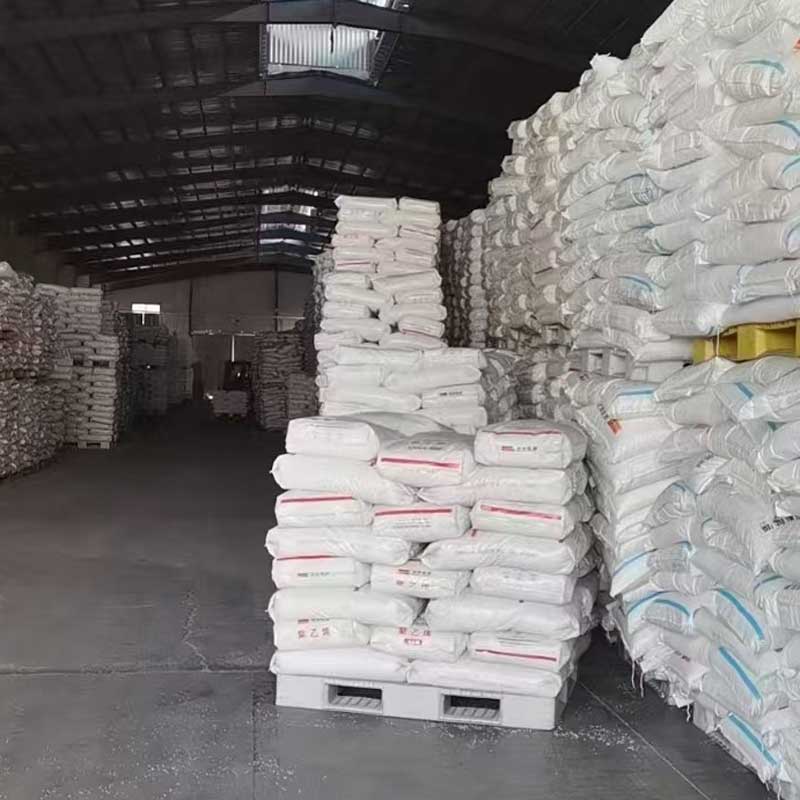
A: Although PE has very low moisture absorption, it should still be stored in a dry, cool, and clean environment, away from direct sunlight and heat sources. While pre-drying is generally unnecessary, if packaging is damaged or materials have been exposed to humidity for long periods, surface moisture could potentially affect processing quality (especially for demanding film products). In such cases, drying before processing is recommended.
8. Delivery, Certification & Service
Delivery Capabilities
Global Sourcing, Local Inventory: Leveraging a strong supply chain network, we can supply various PE grades from world-renowned producers (e.g., ExxonMobil, Mitsui Chemicals) .
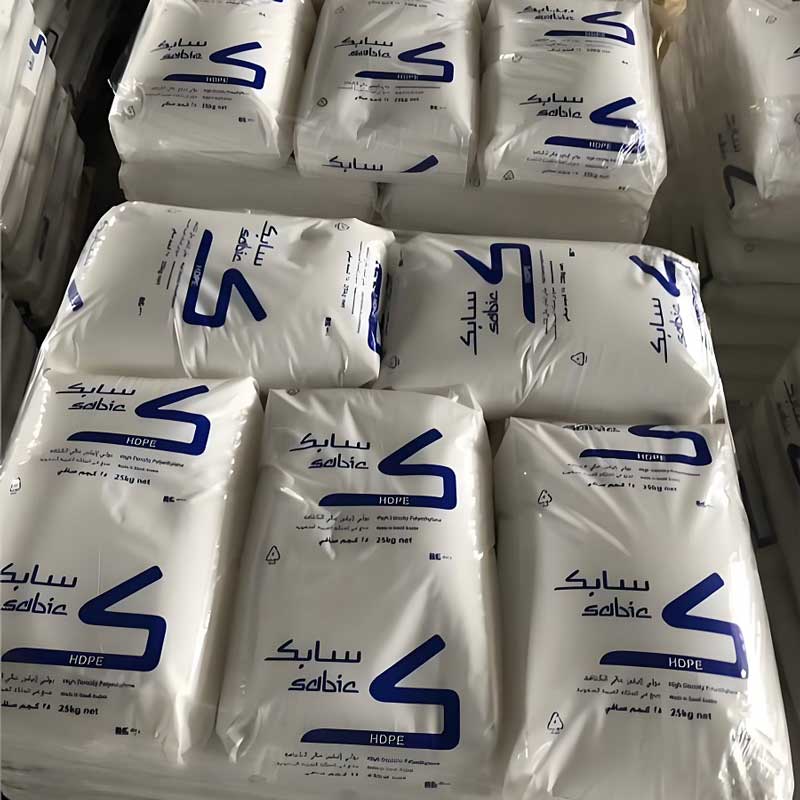
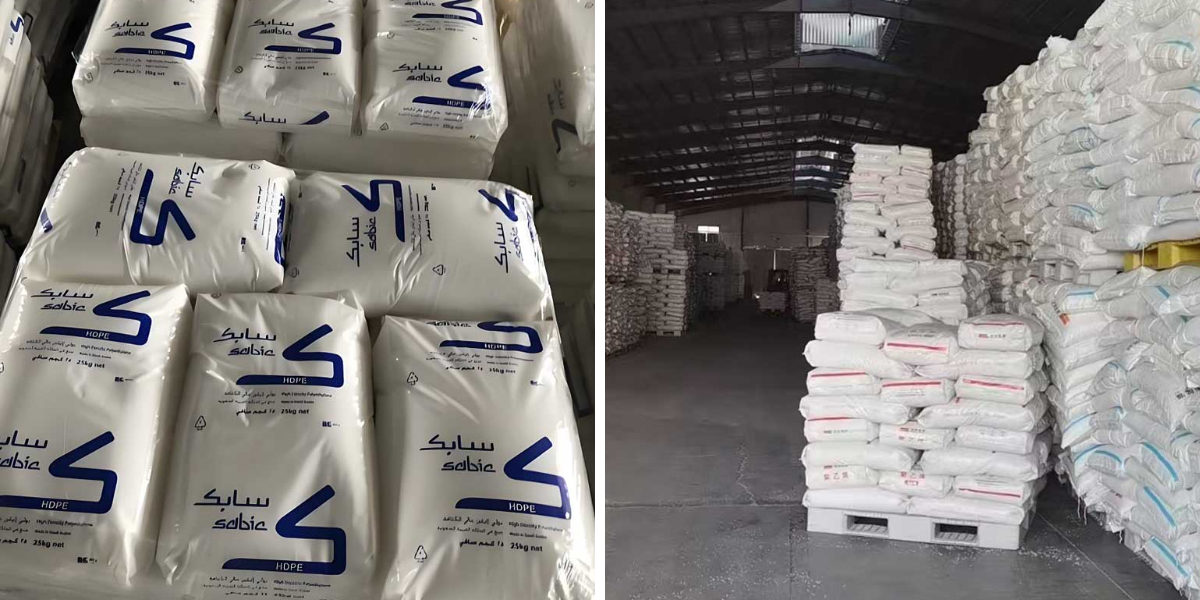
Diverse Packaging Options: Available in 25 kg bags, 500 kg / 1000 kg supersacks, and custom packaging for large rotomolding parts or ultra-high molecular weight products.
Sample Service: Small samples are available for research institutions and manufacturers for formulation testing and process validation.
Quality Certifications
Manufacturer's Warranty: Each batch of PE raw material supplied comes with the original manufacturer's Certificate of Analysis (COA) , verifying key parameters like purity, density, and melt index.
Third-Party Testing Support: We collaborate with internationally recognized testing bodies such as SGS and can provide comprehensive performance testing services, including mechanical properties, thermal properties, compositional analysis, and hazardous substance testing (e.g., RoHS, REACH). We can also assist with Global Recycled Standard (GRS) certification .
Technical Support & Service
Professional Grade Selection Consultation: Our technical expert team can provide professional grade selection advice based on your specific application and processing method, helping you find the optimal balance between performance and cost .
Processing Guidance: We offer process optimization suggestions to help you troubleshoot issues encountered during injection molding, extrusion, blow molding, etc.
Regulatory Compliance Support: We provide documentation confirming compliance with international and local regulations such as FDA (food contact), RoHS, and REACH .