


Ethyl Maltol
Broad Flavor Application: Ethyl maltol is commonly added to foods and beverages for its ability to intensify sweetness and enrich overall taste, making products more appealing.
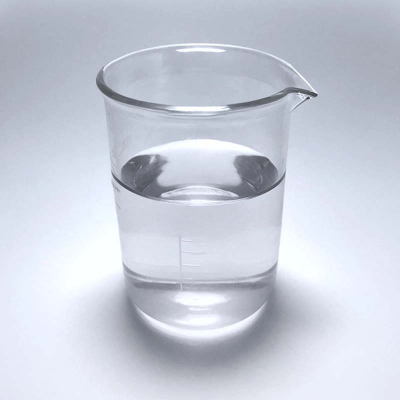
Stable Taste Profile: In aqueous solutions, it retains its characteristic sweet and aromatic notes, ensuring flavor consistency throughout processing and storage.
Excellent Solubility: Readily dissolves in ethanol and other organic solvents, which allows easy incorporation into baked goods, confectionery, drinks, and other formulations.
High-Grade Crystalline Form: Supplied as a refined crystalline material, ethyl maltol provides reliability and precision for food flavoring systems.
1. Product Overview
Ethyl maltol is a synthetic organic compound belonging to the pyrone family, widely recognized as one of the most versatile and effective flavor enhancers in the food industry. It is the ethyl homolog of maltol, a naturally occurring substance found in many foods, but possesses approximately 4-6 times stronger flavor-enhancing properties than its natural counterpart .
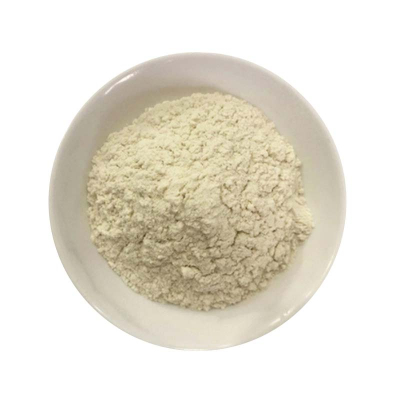
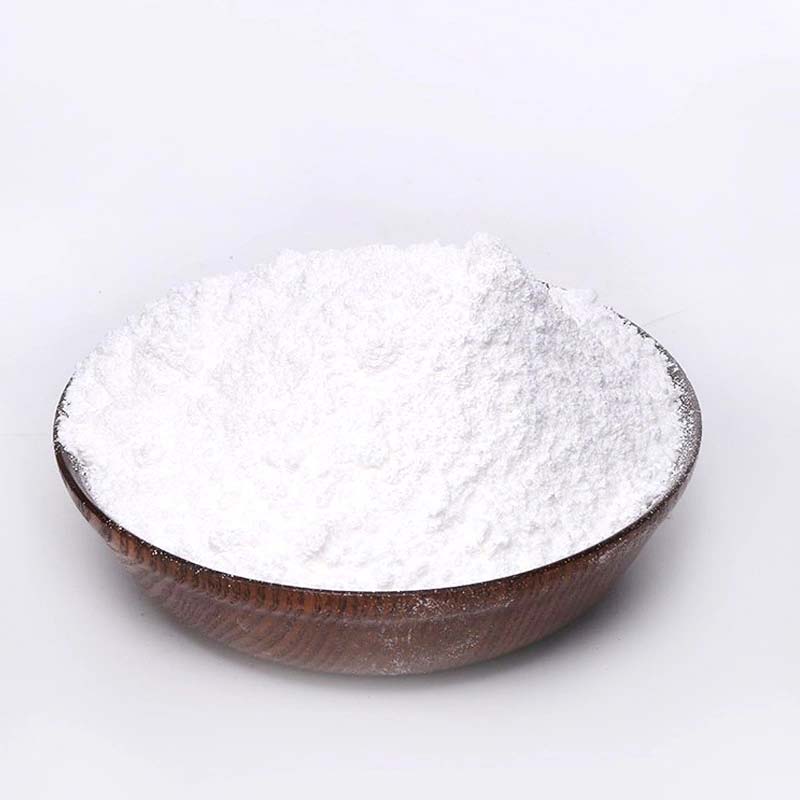
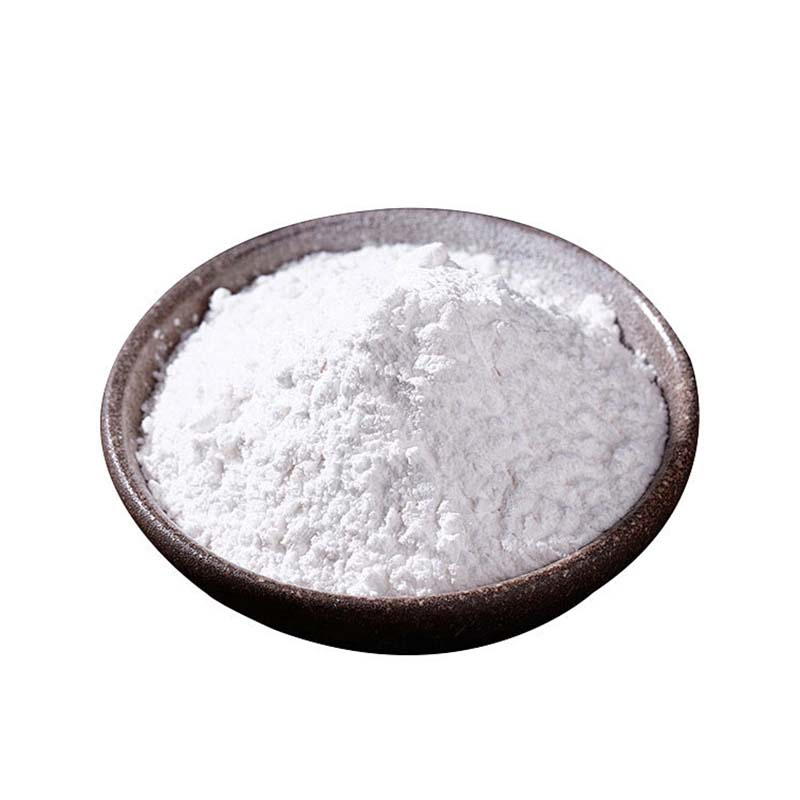
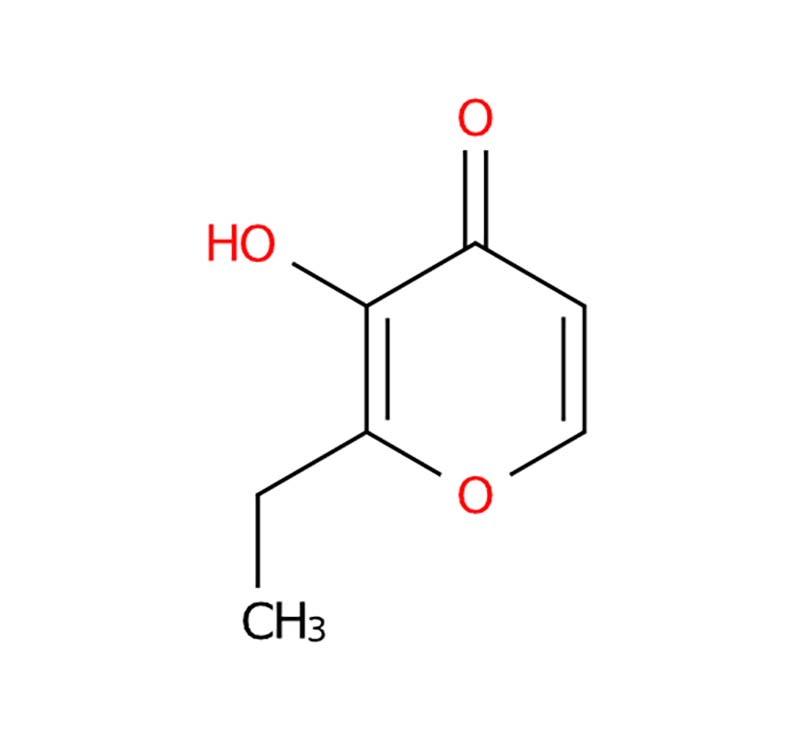
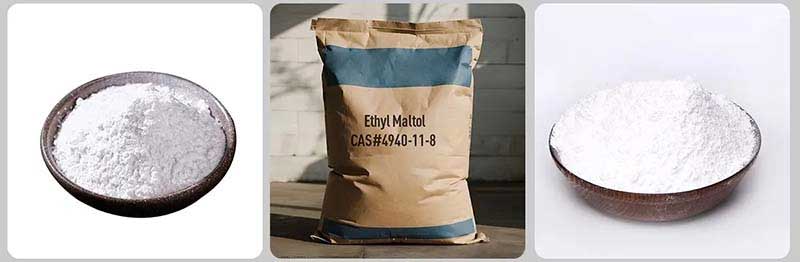
Its chemical formula is C₇H₈O₃ with CAS number 4940-11-8 and molecular weight of 140.14 g/mol . The product appears as a white to pale yellow crystalline powder with a characteristic sweet, caramel-like, fruitlike aroma that becomes more pronounced in dilute solution .
Ethyl maltol is globally approved as a food additive and flavoring agent, designated with E number E637 and INS number 637 . In the United States, it is listed in the Code of Federal Regulations (21 CFR 172.515) as a synthetic flavoring substance and adjuvant . The Flavor and Extract Manufacturers Association (FEMA) has evaluated it as Generally Recognized as Safe (GRAS) under FEMA number 3487 , and the Joint FAO/WHO Expert Committee on Food Additives (JECFA) has assigned it flavor number 1481 .
As a multifunctional food ingredient, ethyl maltol serves as a flavor enhancer, sweetener synergist, and flavor modifier, capable of improving, increasing, and rounding out the flavor profile of countless food, beverage, and consumer products .
2. Key Features
Exceptional Flavor-Enhancing Power: Ethyl maltol exhibits remarkable flavor-modifying properties, significantly enhancing sweetness perception and improving overall flavor profiles at very low concentrations (typically 1-50 mg/kg). It can effectively mask bitter, sour, and harsh notes while synergizing with sweeteners .
Dual Functionality – Flavor Enhancer & Sweetness Synergist: Acts as a powerful sweetness synergist, allowing for reduced sugar content while maintaining perceived sweetness. It also functions as a flavor "emulsifier," blending multiple flavor notes into a cohesive, well-rounded taste experience .
Metal Chelating Properties: Ethyl maltol possesses the unique ability to chelate metal ions, particularly iron, with high affinity and selectivity. The resulting neutral 1:3 (metal:ligand) complexes can readily partition across cell membranes, which has been studied for potential applications in iron absorption enhancement .
Outstanding Stability: Exhibits excellent stability in various food matrices and processing conditions. It maintains its efficacy across a wide pH range and temperature variations, making it suitable for diverse applications from beverages to baked goods .
Exceptional Purity Standards: Available in high-purity grades with minimum 99.2-99.5% purity, meeting stringent international food safety standards including FCC, USP/NF, and JECFA specifications .
Remarkable Efficiency at Low Concentrations: Due to its potent flavor-enhancing properties, only minimal quantities are required to achieve significant sensory effects, making it highly cost-effective for manufacturers .
Multi-Industry Versatility: Serves diverse applications across:
Food & Beverages: Flavor enhancer, sweetness synergist, flavor modifier
Tobacco Industry: Flavor modifier and smoothing agent
Cosmetics & Personal Care: Fragrance component
Pharmaceutical Research: Iron chelation studies
E-cigarette E-liquids: Flavor ingredient
3. Technical Specifications with Explanations
Based on international standards including FCC, USP/NF, JECFA, and GB 1886.208-2016:
| Parameter | Typical Value/Specification | Description & Significance |
|---|---|---|
| CAS Number | 4940-11-8 | Universal chemical identifier . |
| Molecular Formula | C₇H₈O₃ | 3-hydroxy-2-ethyl-4-pyrone structure . |
| Molecular Weight | 140.14 g/mol | Used for stoichiometric calculations and formulation . |
| E Number | E637 | EU food additive designation . |
| INS Number | INS 637 | International Numbering System for food additives . |
| FEMA Number | 3487 | Flavor and Extract Manufacturers Association identifier . |
| JECFA Flavor Number | 1481 | Joint FAO/WHO Expert Committee on Food Additives identifier . |
| Appearance | White to pale yellow crystalline powder | Visual quality indicator; should be uniform, free from discoloration or visible impurities . |
| Odor | Characteristic sweet, caramel-like, fruity aroma in dilute solution | Sensory characteristic critical for flavor applications . |
| Purity (Assay) | ≥99.2% – ≥99.5% | Core specification. Higher purity ensures consistent flavor performance and safety . |
| Melting Point | 89.0 – 93.0°C | Characteristic physical constant; narrow range indicates high purity . |
| Solubility | Water: ~37 g/L (25°C) Ethanol: Freely soluble Propylene glycol: Soluble Oils: Slightly soluble | Good solubility in common food-grade solvents; forms clear, colorless solutions in ethanol . |
| Moisture Content | ≤ 0.3% – 0.5% | Low moisture content essential for stability and to prevent caking . |
| Residue on Ignition | ≤ 0.2% | Measures inorganic impurities; low value indicates high purity . |
| Heavy Metals (as Pb) | ≤ 10 mg/kg (10 ppm) | Critical safety parameter ensuring food regulation compliance . |
| Lead (Pb) | ≤ 1 mg/kg | Stringent safety limit for food-grade material . |
| Arsenic (As) | ≤ 1 mg/kg | Essential safety parameter . |
| Iron (Fe) | ≤ 1 mg/kg | Controlled to prevent discoloration and ensure stability . |
| Flash Point | 94°C (201°F) | Indicates fire safety during handling and storage . |
| Boiling Point | 290°C | High thermal stability before decomposition . |
| Shelf Life | 36 months (under proper conditions) | Stable when stored correctly . |
Available Particle Size Grades
| Grade | Particle Size Range | Typical Applications |
|---|---|---|
| 16-30 mesh | Coarse crystals | General purpose, easy handling |
| 20-40 mesh | Medium crystals | Standard food applications |
| 20-60 mesh | Fine crystals | Rapid dissolution applications |
| 30-80 mesh | Fine powder | Beverages, liquid formulations |
| 60 mesh down | Very fine powder | Specialized applications requiring quick dissolution |
4. Applications
Food & Beverage Industry
Ethyl maltol's versatility makes it invaluable across countless food and beverage categories. Its remarkable efficiency means only minimal quantities are needed—typically 1.5-50 mg/kg depending on the application .
Beverages:
Soft drinks, fruit juices, and flavored beverages: Enhances fruit flavors, provides sweetness synergy, and rounds out overall taste profile. Recommended dosage: 1.5-6 mg/kg .
Dairy & Frozen Desserts:
Ice cream, frozen yogurt, and dairy desserts: Enhances creaminess perception, synergizes with sweeteners, and improves flavor integration. Recommended dosage: 5-15 mg/kg .
Confectionery & Bakery:
Chocolate and chocolate products: Enhances cocoa flavor, reduces bitterness, and improves mouthfeel. Recommended dosage: 5-50 mg/kg .
Candy, hard and soft candies: Provides sweetness synergy and flavor enhancement .
Cookies, cakes, and pastries: Improves overall flavor profile and masks off-notes .
Savory Products:
Soups, sauces, and gravies: Enhances savory notes and improves flavor roundness. Recommended dosage: 5-15 mg/kg .
Ketchup, tomato-based products: Reduces acidity perception and enhances tomato flavor .
Meat products, sausages, and processed meats: Interacts with meat amino acids to enhance savory notes and improve overall palatability .
Fruit-Based Products:
Jams, jellies, and preserves: Enhances fruit character and reduces tartness .
Canned and processed fruits: Maintains fresh fruit flavor perception .
Tobacco Industry
Cigarette flavoring: Added to tobacco to enhance and smooth the smoking experience, reducing harshness and providing a rounder, more pleasant sensation. It helps mask the bitter notes and creates a smoother mouthfeel .
E-cigarette e-liquids: Widely used as a flavor ingredient in vaping fluids to provide sweet, caramel-like notes and enhance overall flavor profile .
Cosmetics & Personal Care
Fragrance component: Contributes sweet, caramel-like notes to perfume compositions.
Oral care products: Used in toothpastes and mouthwashes for flavor enhancement.
Cosmetic formulations: Functions as a masking agent for unpleasant raw material odors.
Pharmaceutical & Research Applications
Iron chelation research: Ethyl maltol's ability to form neutral, lipophilic complexes with iron has been extensively studied. Research in rat models demonstrated that iron complexed with ethyl maltol showed significantly higher total body absorption compared to iron sulfate, gluconate, fumarate, or EDTA complexes .
Metal transport studies: Its capacity to facilitate metal ion transport across cell membranes makes it valuable for studying metal absorption mechanisms and potential therapeutic applications .
Cell culture research: Used in studies examining metal-mediated cytotoxicity and oxidative stress mechanisms .
5. Product Grade Comparison
| Parameter/Grade | Food Grade (FCC/E637) | High Purity (≥99.5%) | USP/NF Grade | Research Grade |
|---|---|---|---|---|
| Core Standard | Meets FCC, E637, JECFA specifications | Exceeds food grade requirements | Meets USP/NF pharmacopoeia standards | High purity for research |
| Purity (Assay) | ≥99.2% | ≥99.5% | Meets USP requirements | ≥99.0% |
| Melting Point | 89.0-92.0°C | 89.0-93.0°C | 89.0-93.0°C | 89.0-93.0°C |
| Critical Parameters | Heavy metals (≤10 ppm), lead (≤1 ppm), arsenic (≤1 ppm), residue on ignition | Ultra-low metals, consistent particle size | Pharmacopoeia compliance, trace metals control | Purity, absence of interfering substances |
| Microbiological Limits | Standard food-grade limits | Low bioburden | Pharmacopoeia limits | Not applicable |
| Primary Applications | Food, beverages, confectionery, tobacco, cosmetics | Premium food products, sensitive applications | Pharmaceutical research, reference standards | Biochemical research, metal chelation studies |
| Available Particle Sizes | 16-30, 20-40, 20-60, 30-80 mesh, 60 mesh down | Customizable | Standard | Standard |
| Packaging | 5 kg, 25 kg cardboard cases/drums, 225 kg bulk bags | 5 kg, 25 kg sealed containers | 1 kg, 5 kg sealed containers | 100 g, 500 g |
| Storage Temperature | Cool, dry place | Cool, dry place | Cool, dry place | Cool, dry place |
6. Purchasing & Selection Guide
Select by Application Area
Food & Beverage Manufacturers:
Coarser grades (16-40 mesh) : General purpose, easy handling, slower dissolution
Finer grades (30-80 mesh, 60 mesh down) : Rapid dissolution, beverages, liquid applications
Select Food Grade (FCC/E637) meeting international standards
Verify purity (≥99.2-99.5%) and heavy metals compliance (≤10 ppm)
Choose particle size based on application:
Request Certificate of Analysis confirming specifications
Tobacco Industry:
Standard food grade suitable
Consider particle size for uniform blending
Verify compatibility with tobacco processing conditions
Pharmaceutical & Research:
Select High Purity (≥99.5%) or USP/NF Grade for sensitive applications
Require comprehensive documentation including Certificate of Analysis
For metal chelation studies, verify absence of interfering metals
Cosmetic Manufacturers:
Food grade suitable; verify compatibility with formulation
Consider odor profile for fragrance applications
Key Selection Considerations
Particle Size: Finer grades dissolve faster but may have dusting issues; coarser grades handle better but require more time for dissolution
Purity Requirements: Higher purity essential for sensitive applications; standard food grade suitable for most uses
Regulatory Compliance: Verify product meets target market regulations (FCC, EU, China GB, etc.)
Packaging Size: Consider consumption rate—5 kg for R&D/small batch, 25 kg for production
Regulatory Status by Region
| Region | Status | Identifier |
|---|---|---|
| United States | 21 CFR 172.515, FEMA GRAS 3487 | Approved |
| European Union | E637 | Authorized |
| China | GB 1886.208-2016 | Approved |
| Japan | Food additive | Approved |
| Canada | Permitted | Approved |
| Australia/New Zealand | Permitted | Approved |
7. Frequently Asked Questions (FAQ)
Q: What is the difference between ethyl maltol and maltol?
A: Ethyl maltol is the ethyl homolog of maltol, differing by an ethyl group (-CH₂CH₃) versus a methyl group (-CH₃). This structural difference makes ethyl maltol approximately 4-6 times more potent as a flavor enhancer than maltol . Ethyl maltol is synthetic, while maltol occurs naturally in many foods. Both are approved food additives, but ethyl maltol is generally preferred for its superior flavor-modifying properties.
Q: How much ethyl maltol should I use in my product?
A: Recommended dosages vary by application, but ethyl maltol is effective at very low concentrations:
Soft drinks: 1.5-6 mg/kg
Ice cream, jellies, ketchup, soups: 5-15 mg/kg
Chocolate, candy, desserts: 5-50 mg/kg
Start at the lower end of the range and adjust based on sensory evaluation. Due to its potency, avoid over-application which can lead to undesirable medicinal or overly sweet notes.
Q: Is ethyl maltol safe?
A: Yes, ethyl maltol has an excellent safety profile and is approved by regulatory authorities worldwide including FDA (21 CFR 172.515), EFSA (E637), and JECFA (Flavor No. 1481). Extensive toxicological studies have demonstrated its safety:
Two-year chronic toxicity studies in rats and dogs showed no adverse effects at doses up to 200 mg/kg/day
No reproductive or embryogenic effects were observed
Acute toxicity studies showed a wide margin of safety
It is not classified as carcinogenic by IARC, EPA, or other authoritative bodies
Q: Does ethyl maltol have any health concerns related to e-cigarettes?
A: Recent research has examined ethyl maltol in the context of e-cigarette aerosols. A 2021 study found that co-exposure to ethyl maltol and copper in lung epithelial cells induced cytotoxicity, oxidative stress, and DNA damage at concentrations where neither chemical alone was toxic . Another study noted published data suggestive of potential genotoxicity, though ethyl maltol is not classified as carcinogenic by any authoritative bodies . These findings highlight the importance of understanding exposure contexts—approved food use is well-established as safe, while inhalation exposure via e-cigarettes represents a different route requiring further research .
Q: How should ethyl maltol be stored?
A: Store in tightly sealed containers in a cool, dry, well-ventilated area away from direct sunlight, heat sources, and strong oxidizing agents. Avoid storage in iron containers as ethyl maltol can chelate metals . Protect from moisture and contamination from strong odors. Under proper conditions, shelf life is 36 months .
Q: What is the flash point of ethyl maltol, and is it flammable?
A: Ethyl maltol has a flash point of 94°C (201°F) . While not highly flammable under normal conditions, it should be kept away from open flames and ignition sources. It is not regulated as dangerous goods for transport (DOT, IATA, IMDG) .
Q: Can ethyl maltol be used in natural products?
A: Ethyl maltol is typically produced synthetically and is not considered a natural flavor under most natural product certification standards. However, it is widely accepted in conventional food products. For natural product applications, maltol (which occurs naturally) may be preferred, though it is less potent .
Q: How is ethyl maltol manufactured?
A: Ethyl maltol is produced through chemical synthesis, typically starting from maltol or via multi-step organic synthesis from appropriate precursors. The manufacturing process is strictly controlled to ensure high purity and absence of contaminants.
Q: What documentation is available for ethyl maltol?
A: Qualified products include:
Certificate of Analysis (COA) with batch-specific data
Safety Data Sheet (SDS/MSDS)
Technical Data Sheet (TDS)
Product Specification (PS)
Certificate of Origin (COO)
Kosher/Halal certifications (by request)
Non-GMO declaration (by request)
8. Delivery, Certification & Service
Delivery Capabilities
Inventory Status: Multiple grades and particle sizes available from regional warehouses (Asia, Europe, Americas)
Sample Program: Small quantities available for qualified customers for formulation testing and sensory evaluation
Packaging Options:
Research quantities: 0.5 kg laminated bags, 0.5 kg PE cans
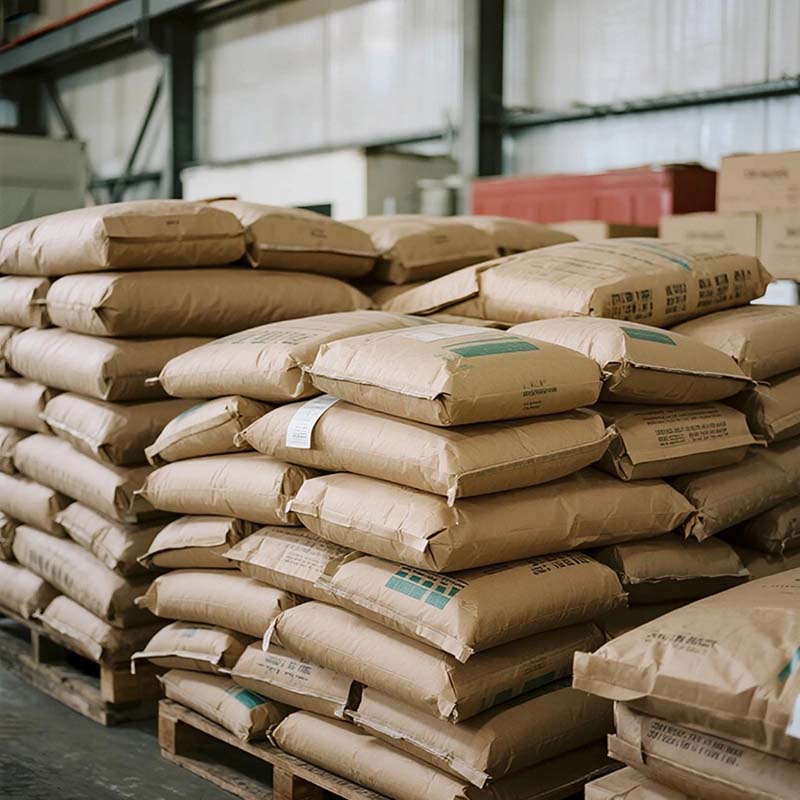
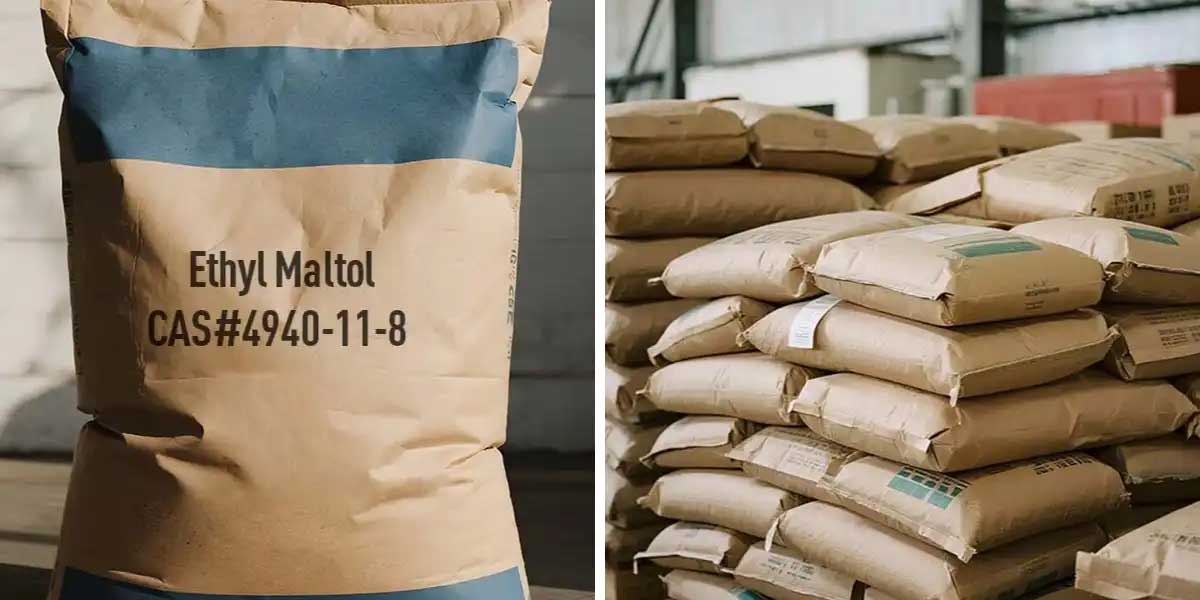
Industrial quantities: 5 kg, 25 kg cardboard cases or fiber drums with polyethylene inner bags
Bulk quantities: 225 kg bulk bags (FIBC/supersacks)
Custom packaging: Available for volume customers
Special Handling: Protect from moisture and contamination; avoid iron containers
Shipping: Not regulated as dangerous goods (DOT, IATA, IMDG) ; standard freight shipping available
Quality Certifications
Certificate of Analysis (COA) provided with each batch, documenting:
Appearance and identification (color test with ferric chloride yields violet color)
Purity (≥99.2-99.5%)
Melting point
Moisture content
Residue on ignition
Heavy metals (lead, arsenic)
Safety Data Sheet (SDS) available in multiple languages
Product Specification (PS) documenting chemical and physical properties
Certificates of Origin (COO) available upon request
Additional certifications available:
FCC compliance
USP/NF certification (where applicable)
GB 1886.208-2016 compliance (China)
KOSHER certification
HALAL certification
ISO 9001 quality management certification
FSSC 22000 food safety certification
Non-GMO declaration
Allergen statement
Regulatory Compliance
US: 21 CFR 172.515, FEMA GRAS 3487
EU: E637 authorized food additive
China: GB 1886.208-2016
JECFA: Flavor No. 1481
Export Documentation: Full compliance package for international shipping
Technical Support & Services
Technical Consultation: Food scientists and application specialists available for:
Dosage optimization guidance
Formulation development support
Sensory evaluation assistance
Regulatory compliance questions
Custom Services: Tailored particle size specifications and packaging options for qualified customers
Regulatory Support: Documentation for global compliance and product registration
Documentation Available
Certificate of Analysis (COA) with batch-specific data
Safety Data Sheet (SDS/MSDS)
Technical Data Sheet (TDS)
Product Specification (PS)
Certificate of Origin (COO)
KOSHER certificate
HALAL certificate
Non-GMO declaration
Allergen statement
ISO certifications
Compliance statements for target markets