

Mercury (Hg) CAS#7439-97-6
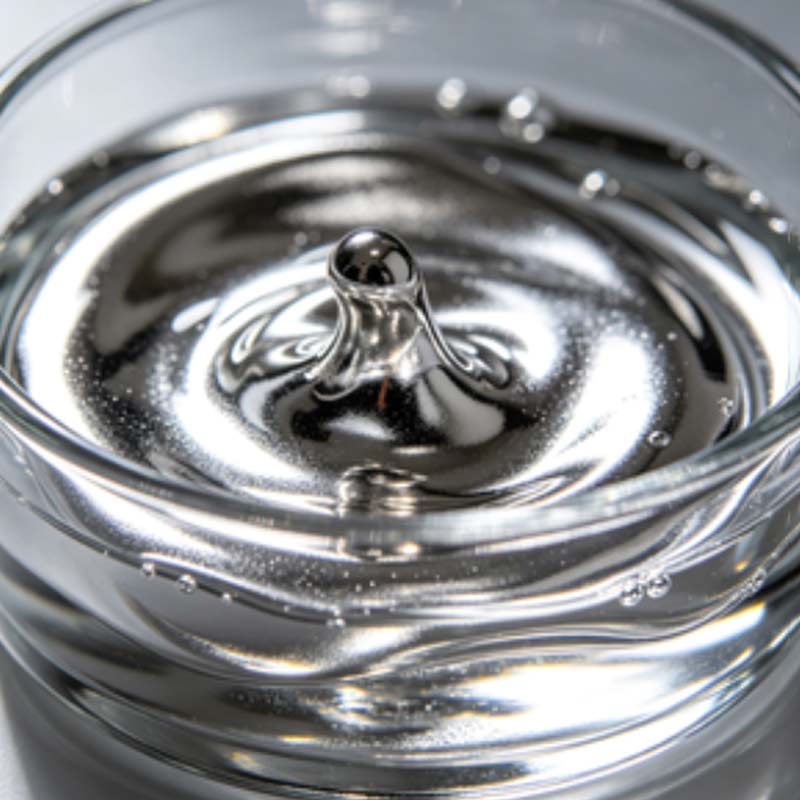
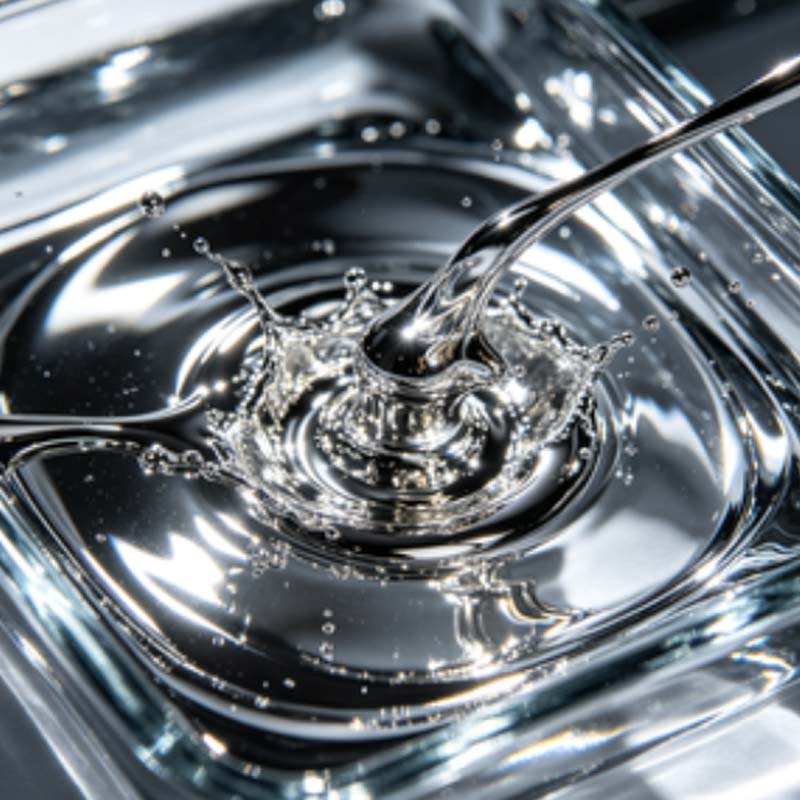
Physical Properties: Silver-white liquid metal at room temperature; high density (13.534 g/cm³); low melting point (-38.83°C); excellent electrical and thermal conductivity.
Toxicity and Hazards: Highly toxic; can be absorbed through inhalation, ingestion, or skin contact; chronic exposure causes neurological and kidney damage; bioaccumulative in the environment.
Chemical Reactivity: Forms amalgams with most metals except iron and platinum; reacts with sulfur to form mercuric sulfide (HgS); dissolves in oxidizing acids such as nitric acid.
Applications: Used in dental amalgams, thermometers, barometers, electrical switches, fluorescent lamps, and gold mining (amalgamation process).
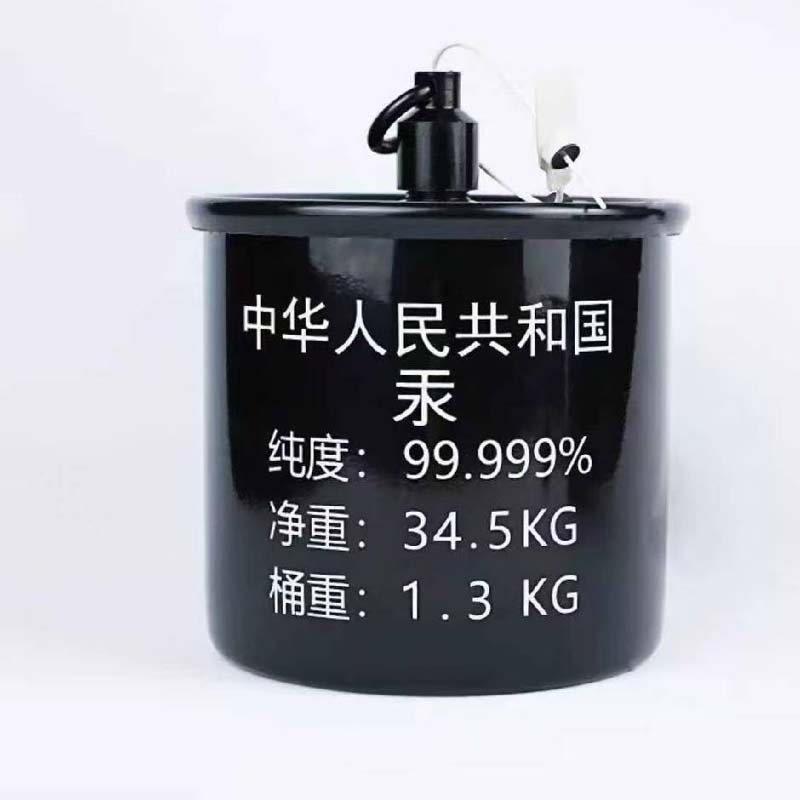
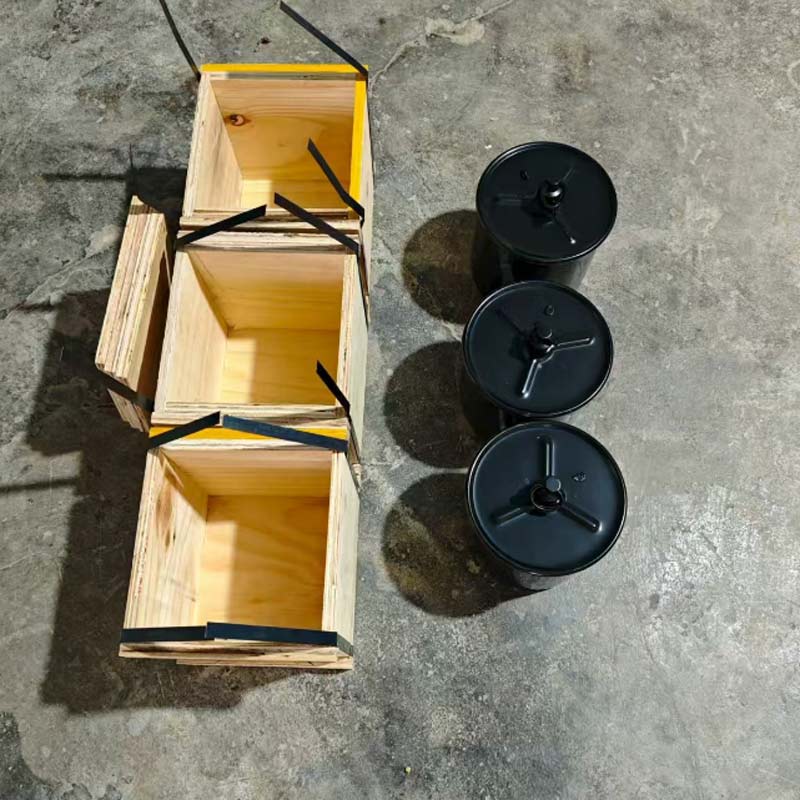
Handling and Storage: Must be stored in unbreakable, tightly sealed containers (e.g., steel flasks) under ventilation; spill areas must be treated with sulfur powder for decontamination.
Mercury (CAS: 7439-97-6) is a heavy metal that is liquid at room temperature, commonly extracted from cinnabar ore. It is used in thermometers, barometers, electrical switches, and in the production of chlorine and caustic soda via the chlor-alkali process.
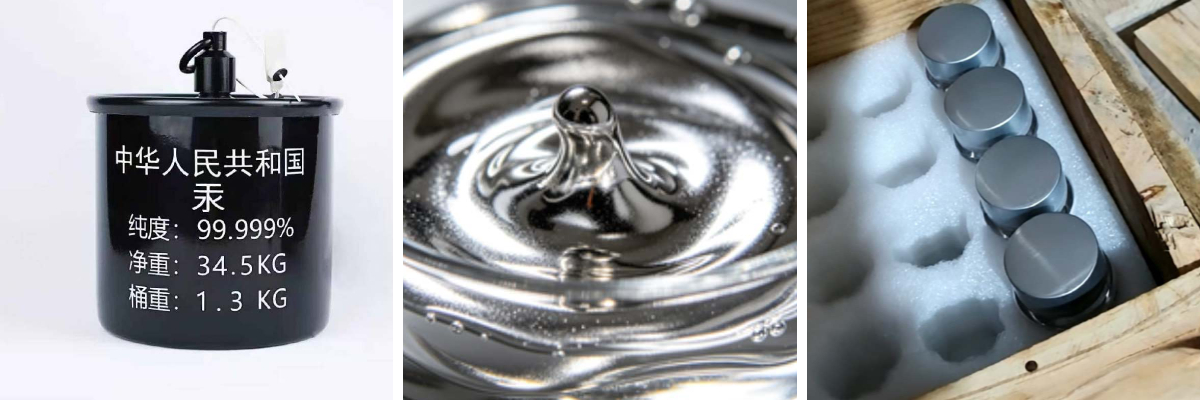
| Project | Information |
|---|---|
| Product Name | Mercury / Quicksilver |
| CAS Number | 7439-97-6 |
| EINECS Number | 231-106-7 |
| Chemical type | Heavy metal / Elemental mercury |
| Physical form | Silvery-white, shiny liquid metal |
| Molecular weight | 200.59 g/mol |
Materialized attributes
Density:
13.534 g/cm³ [at 25°C]
Boiling point:
356.73°C [at 101,325 Pa]
Melting point:
-38.83°C [at 101,325 Pa]
Performance Characteristics
Electrical conductivity: Exhibits good electrical conductivity as a liquid metal, commonly used in switches and relays.
Thermal conductivity: Possesses high thermal conductivity for a liquid, enabling uniform heat distribution.
Surface tension: High surface tension causes mercury to form spherical droplets on most surfaces.
Amalgamation: Readily forms alloys (amalgams) with gold, silver, tin, and other metals, but does not react with iron or platinum.
Vapor pressure: Has a measurable vapor pressure at room temperature, requiring ventilation to avoid inhalation exposure.
Chemical inertness: Resistant to water, most acids (except nitric and concentrated sulfuric), and alkalis under standard conditions.
Main application fields
Small-scale gold mining: Used to form amalgams with gold from ore, allowing separation of gold from sediment. The amalgam is then heated to evaporate mercury, leaving behind gold.
Chlor-alkali industry: Employed as a flowing cathode in mercury cell electrolysis to produce chlorine and sodium hydroxide (caustic soda), though gradually being phased out due to environmental concerns.
Measuring instruments: Filled in thermometers, barometers, and manometers to indicate temperature or pressure based on its uniform thermal expansion and liquid properties.
Electrical switches and relays: Used in tilt switches, thermostats, and relays due to its high electrical conductivity and non-wetting behavior with many contact materials.
Dental amalgam production: Serves as a key component to alloy with silver, tin, and copper powders, forming a durable and wear-resistant restorative material for tooth fillings.
Others: Also used in mercury-vapor lamps, fluorescent lamps, certain batteries, and as a catalyst in some chemical synthesis reactions.
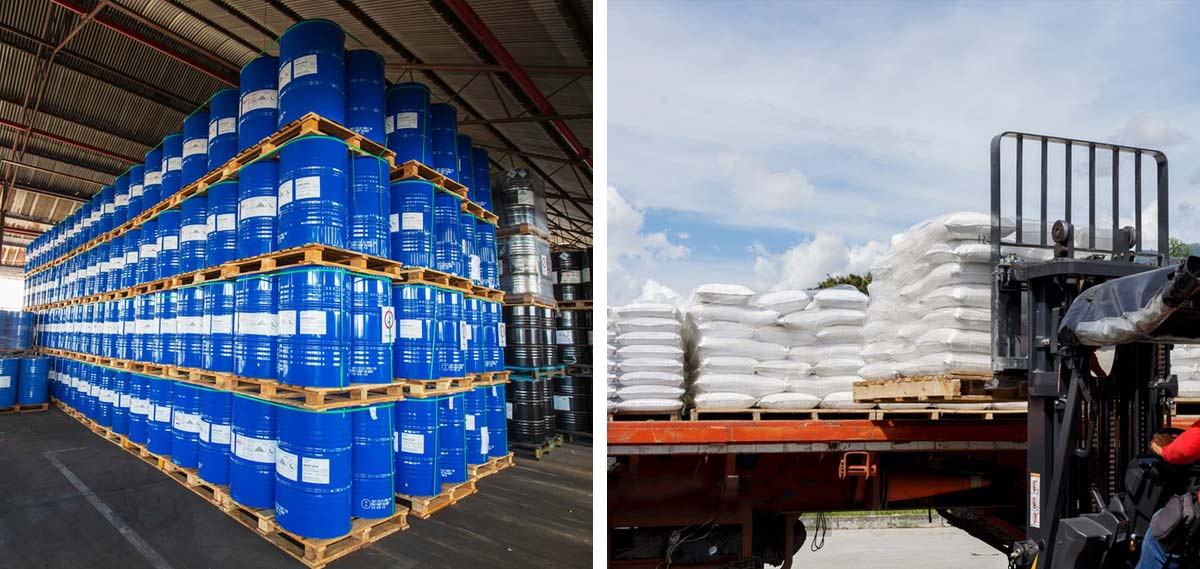
Packaging and Storage
Packaging specification: Typically packed in heavy-duty steel drums or iron flasks with capacities of 34.5 kg, 76 lb, or 100 lb. Inner containers are made of unbreakable, corrosion-resistant materials such as coated steel or certain plastics. All packaging must comply with hazardous material transport regulations.
Storage conditions: Should be stored in a cool, well-ventilated, locked area away from heat sources, direct sunlight, and incompatible substances such as strong acids (especially nitric acid), acetylene, ammonia, and halogens. Storage areas must have secondary containment to prevent environmental release and be equipped with mercury spill kits.
Shelf life: Under proper storage conditions in unopened, sealed original containers, mercury has an indefinite shelf life, as it is an elemental substance that does not degrade. However, containers should be regularly inspected for leakage or corrosion.