

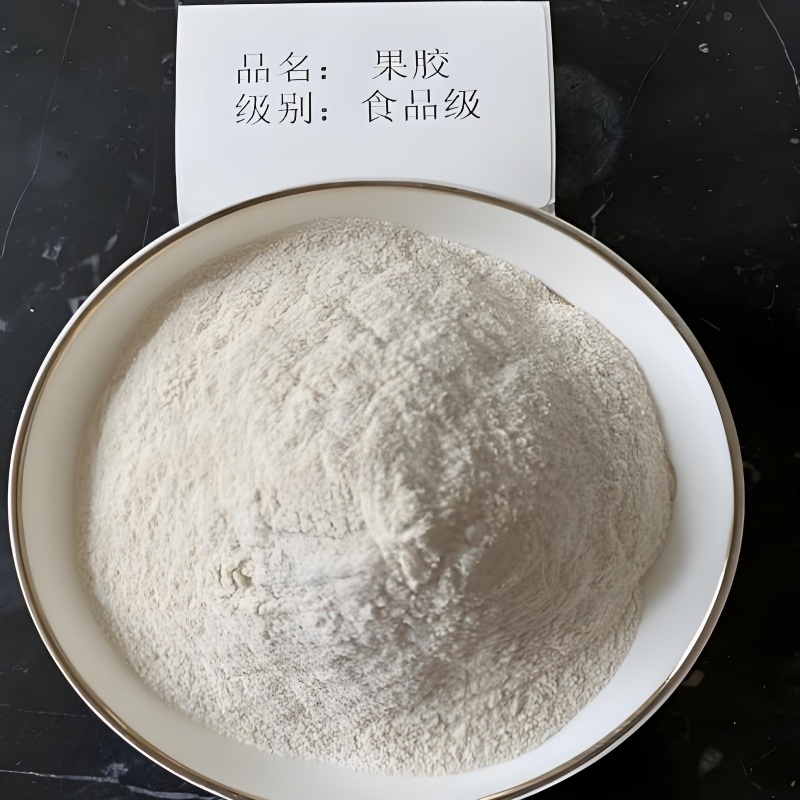
Pectin (Food Grade) CAS#9000-69-5
Gelling Mechanism: Pectin forms thermally reversible gels in the presence of calcium ions or soluble solids (e.g., sucrose) under acidic conditions, enabling controlled texture formation in jams, jellies, and fruit preparations.
Safety Profile: Recognized as generally safe (GRAS) by global food authorities, pectin exhibits low oral toxicity and high digestibility, with no reported genotoxic or carcinogenic effects at typical dietary intake levels.
Regulatory Preference: Widely accepted as a clean-label ingredient, pectin aligns with consumer demand for plant-derived, non-GMO, and additive-free formulations, replacing synthetic thickeners in organic and natural food products.
Application Versatility: Beyond confectionery and bakery fillings, pectin functions as a fat replacer in dairy products, a stabilizer in acidified beverages, and a dietary fiber source in functional foods and nutraceuticals.
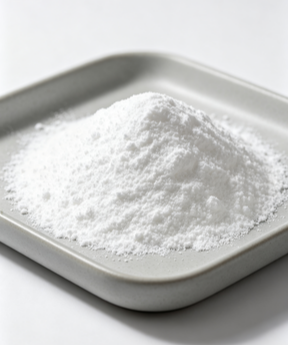
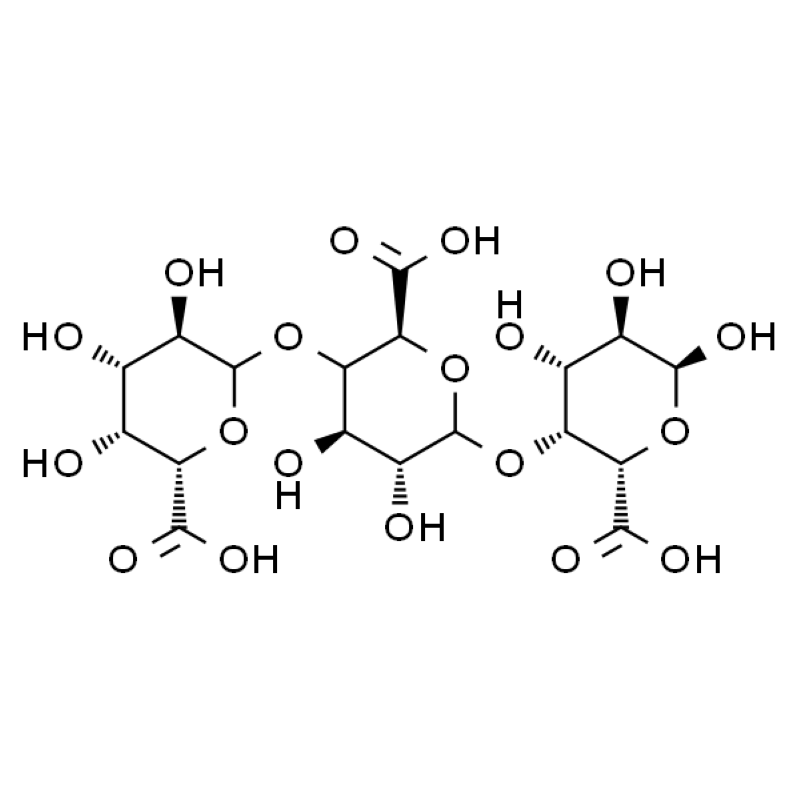
Pectin is a natural polysaccharide derived primarily from the cell walls of fruits, most commonly citrus peels and apple pomace. As a food-grade hydrocolloid, its main structural component is partially methoxylated galacturonic acid. Pectin is odorless and tasteless, and it forms thermally reversible gels in the presence of calcium ions or high soluble solids under acidic conditions. Depending on its degree of esterification, pectin is classified into two categories: high-methoxyl pectin and low-methoxyl pectin.
Food-grade pectin, a product of fruit processing byproducts, is amorphous in powder form but exhibits a characteristic gel network upon hydration. It is typically obtained through hot acid extraction from dried fruit peels or pomace, followed by filtration, concentration, precipitation with alcohol or aluminum salts, and drying. Afterward, the crude pectin may undergo deashing, standardization with sugars or buffers, and milling to achieve commercial specifications. Food-grade pectin is widely used as a gelling agent, thickener, stabilizer, and emulsifier in jams, jellies, fruit preparations, dairy products, confectionery, and acidified protein drinks, as well as a dietary fiber source in functional foods.
Basic Info
| Chemical Name | Pectin (Food Grade) |
|---|---|
| Other Name | Pectin; Citrus Pectin; Apple Pectin; Methoxyl Pectin |
| CAS | 9000-69-5 |
| EINECS | 232-553-0 |
| Type | Food additives; Thickeners; Gelling agents; Stabilizers; Dietary fiber |
| Molecular Formula | (C₆H₁₀O₇)ₙ (partially methoxylated polygalacturonic acid) |
| Molecular Weight | Typically 30,000–100,000 g/mol (varies with source and processing) |
Chemical Properties
| Property | Value |
|---|---|
| Melting point | Decomposes before melting (approx. 150–160 °C) |
| Boiling point | Not applicable (decomposes) |
| Density | Approx. 1.3–1.6 g/cm³ (solid powder) |
| Refractive index | N/A (solid, not measured in typical solution form) |
| Storage temp. | Store in a cool, dry place (15–25 °C), away from moisture and heat. |
| Solubility | Soluble in hot water forming colloidal solution; insoluble in ethanol, acetone, and most organic solvents. Solubility decreases with increasing sugar content and calcium ions depending on pectin type. |
| Form | Fine powder (off-white to light yellowish-brown) |
| Color | White to light tan |
| Odor | Characteristic, slightly sweet odor (from fruit origin) |
| Explosive limit | Not applicable (non-explosive under normal conditions) |
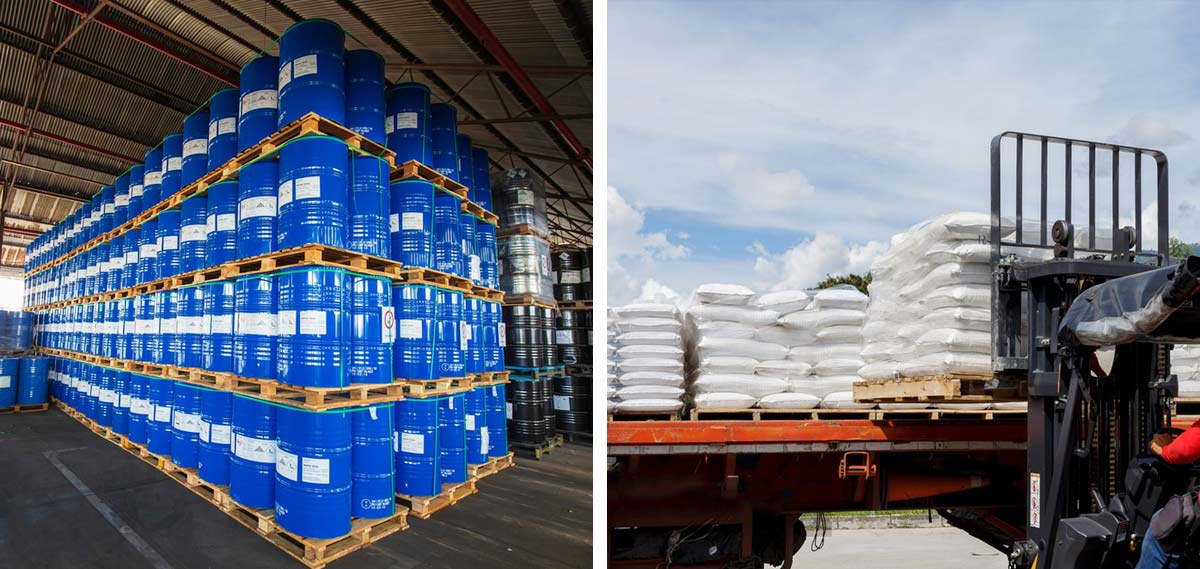
Pectin boasts several benefits, including natural origin (derived from citrus peels or apple pomace), excellent gel-forming ability, good biocompatibility, low toxicity, and high dietary fiber content. These attributes make it highly applicable in various fields such as food processing (jams, jellies, fruit preparations), dairy products (yogurt, acidified milk drinks), confectionery (gummy candies), pharmaceuticals (drug delivery systems, antidiarrheal formulations), and functional foods. It is also extensively studied for use in edible films, fat replacers, and prebiotic supplements.