

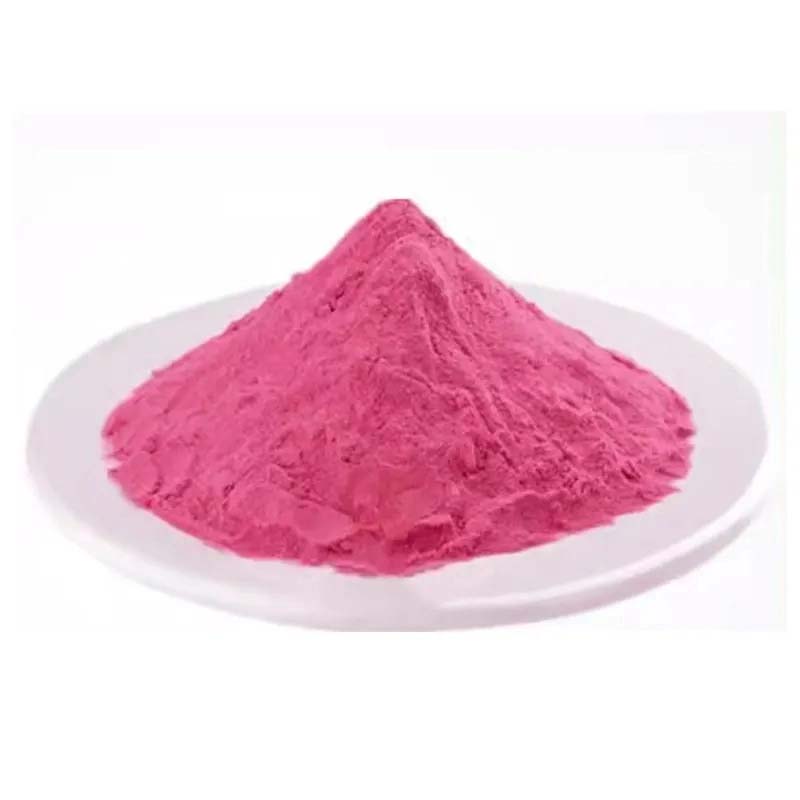
Vitamin B12 CAS :68-19-9
Crucial Cofactor for Nucleic Acid Production: Serving as a vital coenzyme in the biological synthesis of nucleic acids, vitamin B12 plays a pivotal role in regulating cell growth, multiplication and mitotic division, which underpins normal cellular metabolic activities.
Neurological Protection and Regulation: Sufficient vitamin B12 intake is essential to sustain the normal physiological state of the nervous system. Insufficient levels of this nutrient can trigger a range of neurological disorders, with peripheral nerve damage being the most typical clinical manifestation.
Promotion of Red Blood Cell Formation: A lack of vitamin B12 is a major cause of megaloblastic anemia in humans. Appropriate intake of this nutrient can effectively guarantee the normal process of erythropoiesis and maintain stable hematopoietic function.
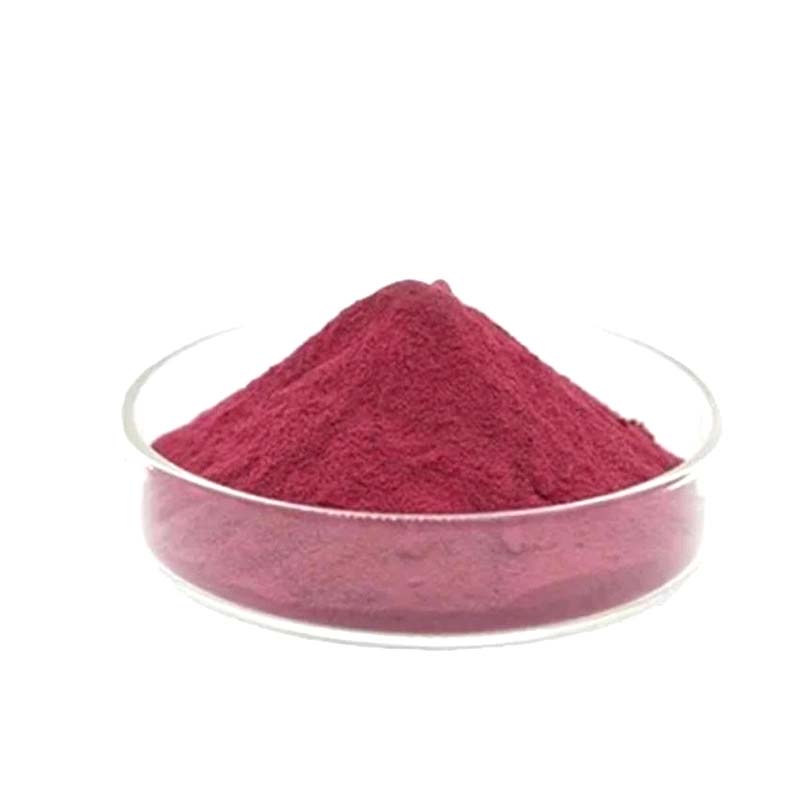
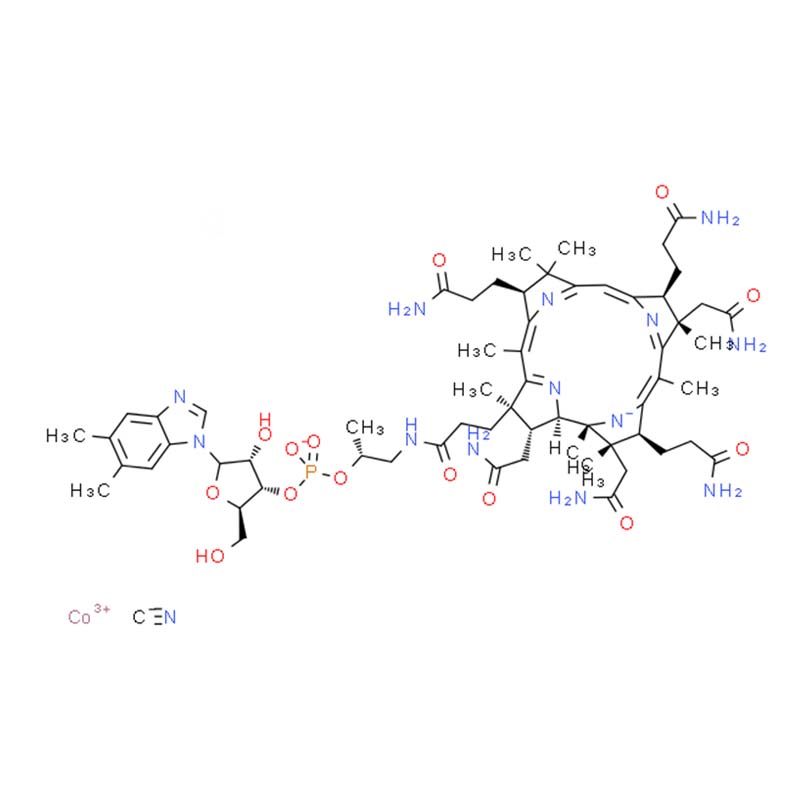
Cobalamin, or VB12 for short, is a cobalt-bound corrinoid complex falling under the B vitamin family. Its core corrin macrocycle chelates a trivalent cobalt ion, sharing structural similarities with porphyrin structures. It stands out as the largest and most structurally complex vitamin discovered so far, as well as the sole vitamin incorporating metallic ions. Its crystals show an obvious red color, earning it the alias "red vitamin". Plants cannot synthesize or accumulate VB12, whereas animal tissues provide all dietary supplies. Liver holds the richest VB12 content, followed by dairy, meat, eggs and fish.
Melting point | >300°C |
alpha | 23656 -59 ± 9° (dil aq soln) |
Boiling point | >300 °C |
bulk density | 450-600kg/m3 |
Fp | 9℃ |
storage temp. | 2-8°C |
solubility | Sparingly soluble in water and in ethanol (96 per cent), practically insoluble in acetone. The anhydrous substance is very hygroscopic. |
pka | pKa 3.28±0.04(H2O,D2O t=23±0.5 Iunspeci?ed) (Uncertain) |
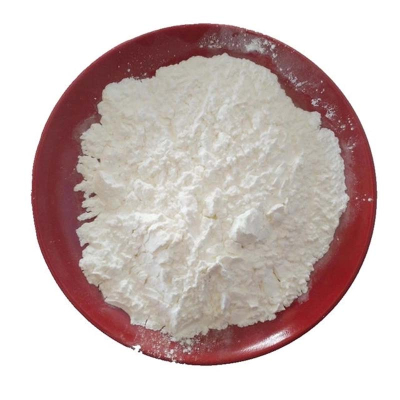
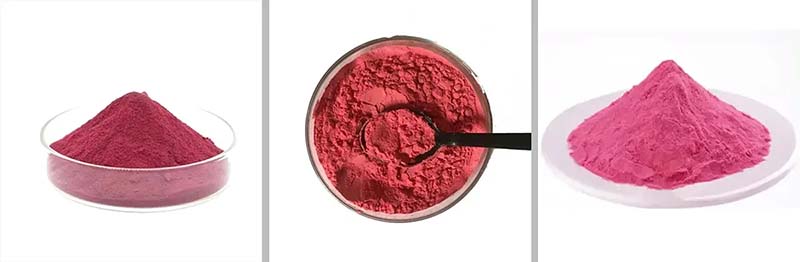
form | Crystalline Powder or Crystals |
color | Red to dark red |
Odor | dark red cryst. or powd., odorless and tasteless |
PH | 6.0 (20°C, 1g/L in H2O) |
biological source | synthetic ((organic)) |
Water Solubility | Soluble |
Sensitive | Hygroscopic |
Merck | 1410014 |
BRN | 4122889 |
Exposure limits | NIOSH: IDLH 25 mg/m3 |
Stability: | Hygroscopic. Keep cold and dry. |
InChIKey | RMRCNWBMXRMIRW-WZHZPDAFSA-L |
LogP | 3.570 (est) |
EPA Substance Registry System | Vitamin B12 (68-19-9) |
Safety Information | |
Hazard Codes | |
HS Code | 2936260000 |
Hazardous Substances Data | 68-19-9(Hazardous Substances Data) |
Toxicity | LD50 intravenous in mouse: 2gm/kg |
As an indispensable coenzyme, VB12 engages in RNA and DNA synthesis. Its shortage triggers lesions in central and peripheral nerves.
All natural cobalt chelates of this type feature a corrin skeleton, and structural differences between VB12 analogs depend entirely on the β-ligand attached to central cobalt, known as cobalamins as a whole.
Industrially, VB12 is mostly produced through microbial biosynthesis. Fish, meat, liver and dairy are its major dietary suppliers, with almost no cobalamin existing in plant foods.
Methylcobalamin and adenosylcobalamin are metabolically active cofactor forms. Severe VB12 deficiency leads to megaloblastic anemia and irreversible nerve impairment.