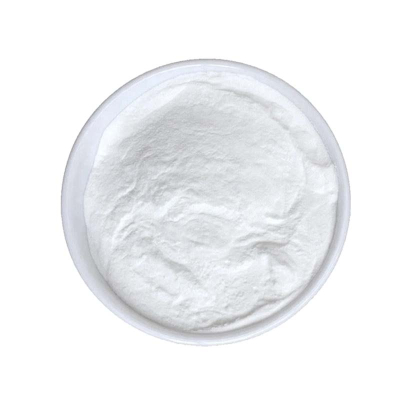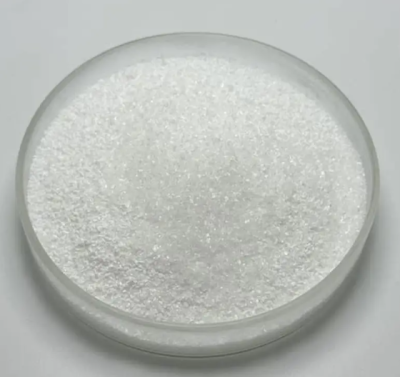


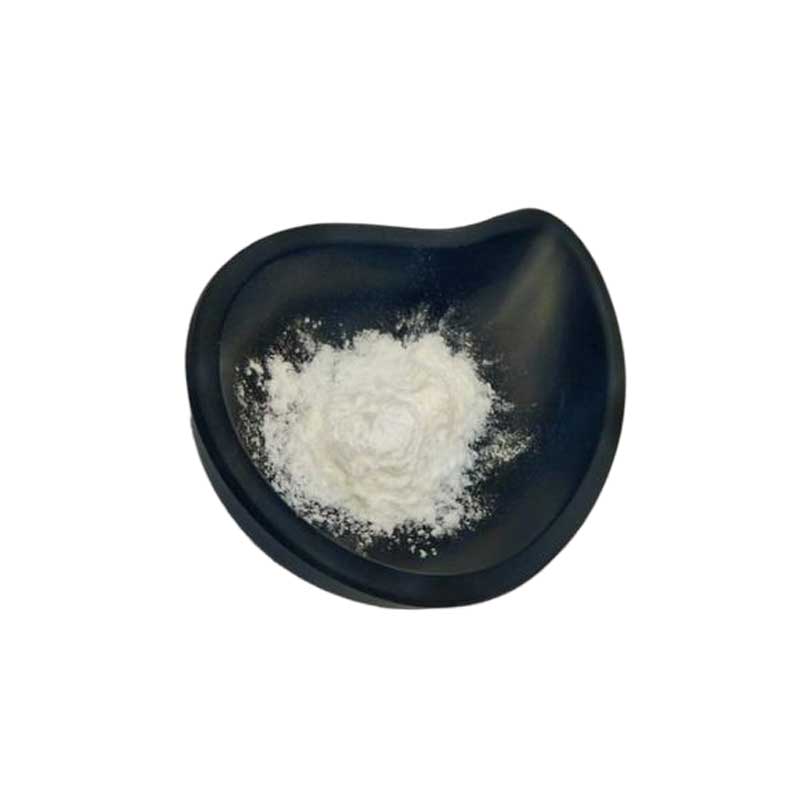
Kojic acid CAS#501-30-4
The reason why curic acid has been applied in multiple fields is mainly due to the following advantages:
High specificity: It can specifically bind to the copper ions in tyrosinase, thereby efficiently blocking the synthesis pathway of melanin and achieving remarkable whitening effects.
Relative safety: As a natural fermentation product, it has a longer history of use at the prescribed concentration and has relatively low skin irritation. Functional diversity: It possesses multiple functions such as antioxidant, antibacterial, and metal chelation.
Kojic acid crystal is prism shape, acicular, colorless. Kojic acid is soluble in water, alcohol, acetone, slightly soluble in ether, ethyl acetate, chloroform and pyridine, insoluble in most other solvent. Crystallization can be in acetone, ethyl acetate solvent , also be in the 150 to 200℃ by vacuum sublimation. The melting point of the reported in the literature is 151 to 154 ℃. 5,7-diethyl kojic acid and its derivatives respectively at 315 nm and 255nm have specific absorption peaks. Kojic acid is unstable to light and heat, the concentration 0.5% solution of kojic acid at different pH at a temperature of 100℃ treatment for 3h or sun light shined for 5h. The results at pH 5~7 solution become yellow to tan, but did not change much at pH4.Effect of kojic acid and ferric chloride is special red, this method can be used for kojic acid quantitative. Kojic acid can be reduced fee Lin reagent and ammoniacal silver nitrate and its molecular structure near the carbonyl has a hydroxyl group, and a variety of metal to form a salt and other hydroxyl can generate ether and ester derivatives.
| Project | Specific Information |
| Chemical name | Uric acid, also known as curvonic acid or curvic acid |
| CAS number | 501-30-4 |
| Molecular formula and molecular weight | C₆H₆O₄, 142.11 g/mol |
| Appearance and Properties | White to light yellow needle-like crystals or powder |
| Key properties | Melting point: 152 - 158°C |
| Solubility: Easily soluble in water, ethanol, and acetone | |
| Main advantages and features Main | Highly inhibits tyrosinase, relatively safe from a natural source |
| purpose | Cosmetics whitening agent, food preservation and color protection, pharmaceutical intermediate, agricultural biological pesticide |
| Safety and regulatory information | 3 types of carcinogens (the carcinogenicity to humans has not yet been classified) |
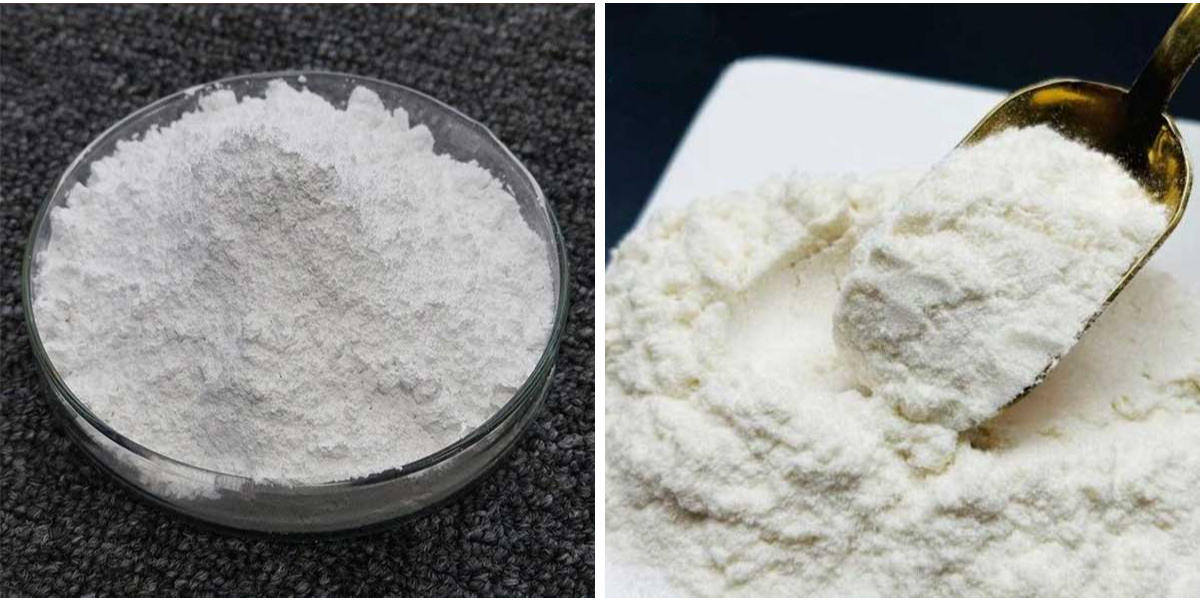
Color:
Powder
Physical properties:
Melting point: 152 - 155 °C (lit.) Water solubility: SOLUBLE Dissolves in water, alcohol, acetone, slightly soluble in ether, ethyl acetate, chloroform and pyridine, insoluble in benzene. Melting point 151 - 156 °C
Acidity coefficient (pka):
7.9 (at 25℃)
Solubility:
Soluble in water, alcohol, acetone; slightly soluble in ether, ethyl acetate, trichloromethane and pyridine; insoluble in benzene.
Spectral characteristics: MASS: 3946 (NIST/EPA/MSDC Mass Spectral database, 1990 version); 534 (National Bureau of Standards)
IR: 5765 (Coblentz Society spectral collection)
UV: 17671 (Sadtler Research Laboratories spectral collection)
1H NMR: 445 (Varian Associates NMR spectra collection)
Stability:
When used and stored according to specifications, it will not decompose. Avoid contact with oxides.
Storage temperature:
Store in a cool, dry place. Store in a tightly sealed container.
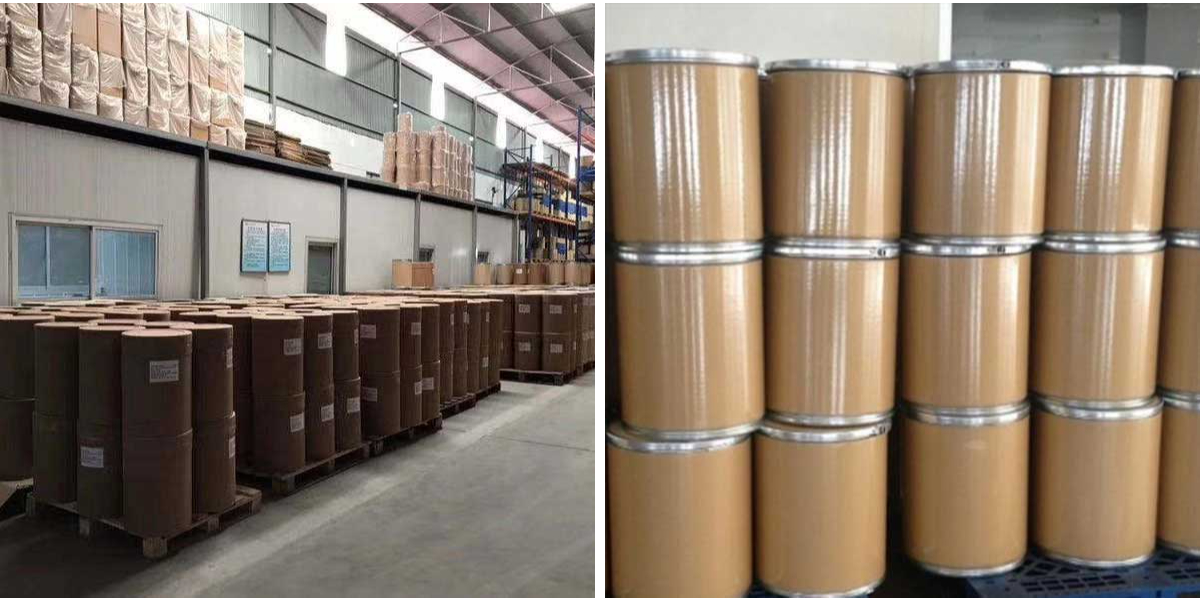
Chlorogenic acid has a wide range of applications, mainly concentrated in the following areas:
Cosmetics field (core application): As an effective whitening and fading-spot ingredient, it is added to products such as serums, creams, and lotions to address pigmentation issues like age spots and sunspots. The commonly used addition concentration in cosmetics is generally 0.5% - 2.0%.
Food Industry:
Preservation and color protection: By inhibiting polyphenol oxidase, it prevents browning of fruits and vegetables (such as apples, mushrooms) and seafood (such as shrimp, crab meat) during processing and storage.
Antioxidant and anti-corrosion: As a natural preservative, it extends the shelf life of food; it can also prevent the deterioration of oils.
Flavor precursor: It is an essential raw material for synthesizing the flavor enhancers maltol and ethyl maltol.
Pharmaceuticals and Agriculture Fields:
As a pharmaceutical intermediate for synthesizing certain cephalosporin antibiotics.
It can be used in agriculture as a biological pesticide or a plant growth regulator.