

Ibuprofen CAS:15687-27-1
Analgesic and Anti-Inflammatory Pharmacological Activity
Mild Side Effect Risk
Wide Range of Medical Uses
Storage Stability Performance
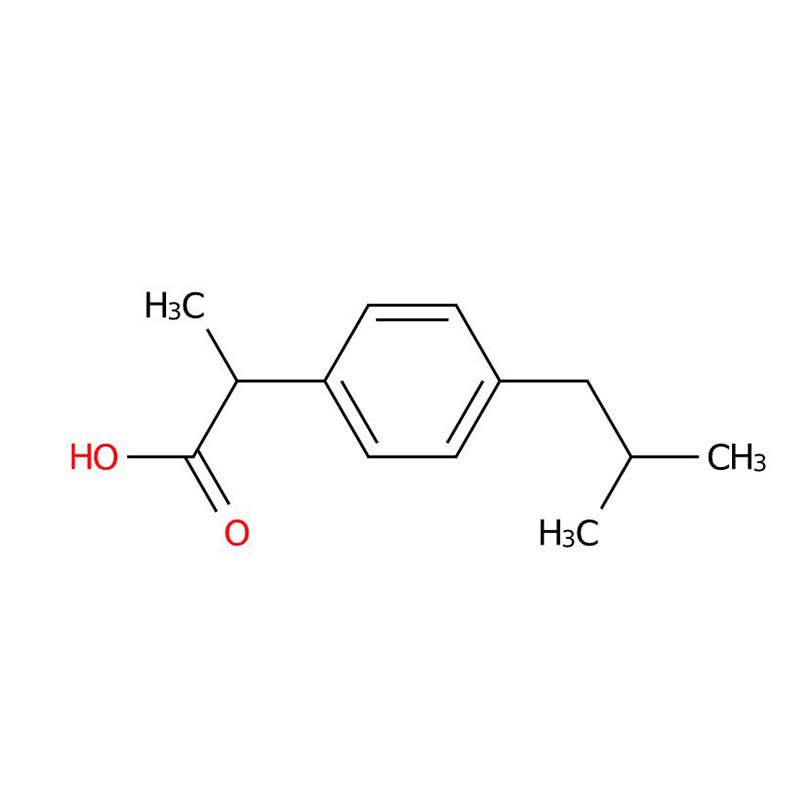
Chemically known as isobutylphenylpropionic acid, ibuprofen belongs to nonsteroidal anti-inflammatory drugs (NSAIDs). It delivers reliable anti-inflammatory, pain-killing and fever-reducing effects with relatively rare adverse side effects. This drug gains widespread popularity globally and becomes a top-selling over-the-counter medicine on the market. Ibuprofen, aspirin and paracetamol together make up the three primary drugs used for antipyresis and analgesia.
Melting point | 77-78 °C |
Boiling point | 157 °C (4 mmHg) |
alpha | [α]D20 -1~+1°(c=1,C2H5OH) |
density | 1.0364 (rough estimate) |
refractive index | 1.5500 (estimate) |
Fp | 9℃ |
storage temp. | 2-8°C |
solubility | Practically insoluble in water, freely soluble in acetone, in methanol and in methylene chloride. It dissolves in dilute solutions of alkali hydroxides and carbonates. |
pka | pKa 4.45± 0.04(H2O,t = 25±0.5,I=0.15(KCl))(Approximate) |
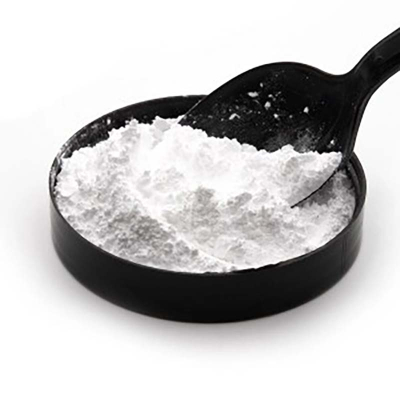
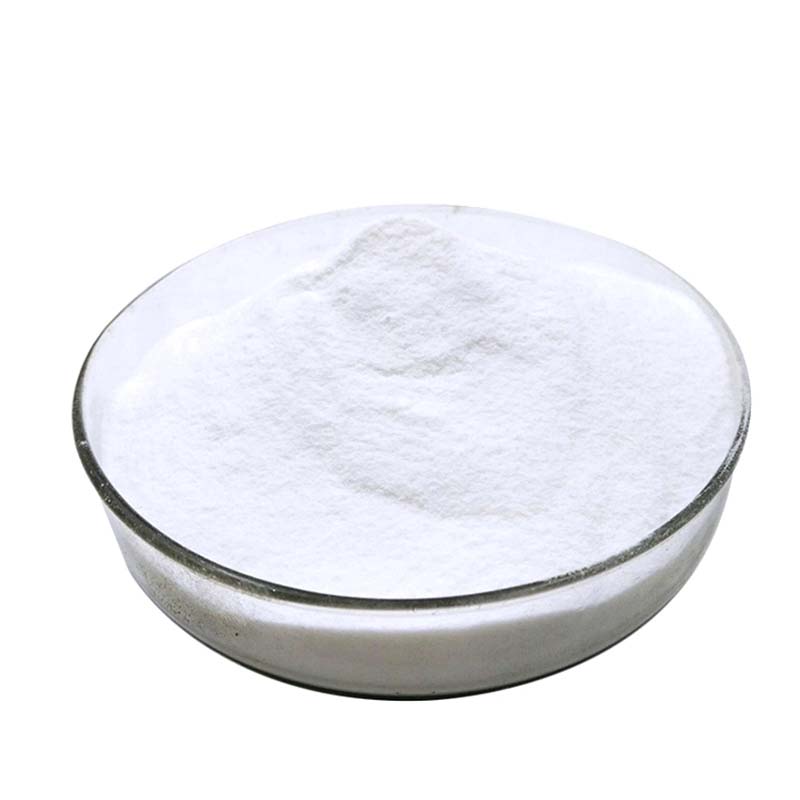
form | Crystalline Powder |
color | white to off-white |
biological source | synthetic (organic) |
Water Solubility | insoluble |
Merck | 144881 |
BCS Class | 2 |
Stability: | Stable. Combustible. Incompatible with strong oxidizing agents. |
InChIKey | HEFNNWSXXWATRW-UHFFFAOYSA-N |
LogP | 3.97 |
CAS DataBase Reference | 15687-27-1(CAS DataBase Reference) |
NIST Chemistry Reference | Ibuprofen(15687-27-1) |
EPA Substance Registry System | Benzeneacetic acid, .alpha.-methyl-4-(2-methylpropyl)- (15687-27-1) |
Safety Information | |
Hazard Codes | Xn |
Risk Statements | 22-63-51/53-39/23/24/25-23/24/25-11 |
Safety Statements | 36-61-36/37-45-16-7 |
HS Code | 29163920 |
Hazardous Substances Data | 15687-27-1(Hazardous Substances Data) |
Toxicity | LD50 in male mice, rats (mg/kg): 495, 626 i.p.; 1255, 1050 orally (Orzalesi) |

On the domestic pharmaceutical market of China, the primary clinical purposes of the drug are pain relief and rheumatic disorder treatment. Its utilization for cold care and fever abatement stays at a relatively low level, creating an obvious gap compared with paracetamol and aspirin that dominate such therapeutic scenarios.