

Sodium Nitrite CAS:7632-00-0
Powerful Food Antiseptic Effect:It acts as an effective anti-corrosion additive for various processed meat goods, including salami, frankfurters and smoked bacon, greatly extending shelf life of meat products.
Multiple Available Synthetic Processes:This chemical can be synthesized through a wide range of chemical reaction routes. Such diversified production methods guarantee stable, uninterrupted supply for industrial mass consumption all year round.
Equivalent Preservative Performance to Sodium Nitrate:Its anti-mildew and anti-rot performance is nearly identical to sodium nitrate. This characteristic expands its application scope in food fresh-keeping and preservation fields.
Feasible Large-Volume Industrial Manufacturing:Mass production can be realized with high efficiency by letting nitrogen oxide gases fully react and be absorbed inside sodium carbonate liquid or sodium hydroxide aqueous solutions.
Physical appearance & density
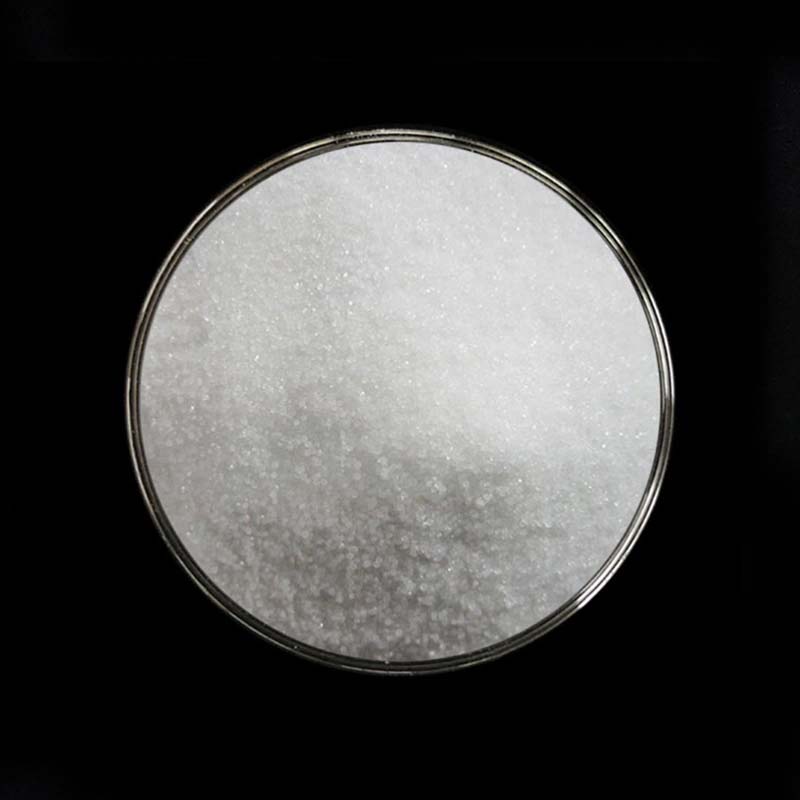
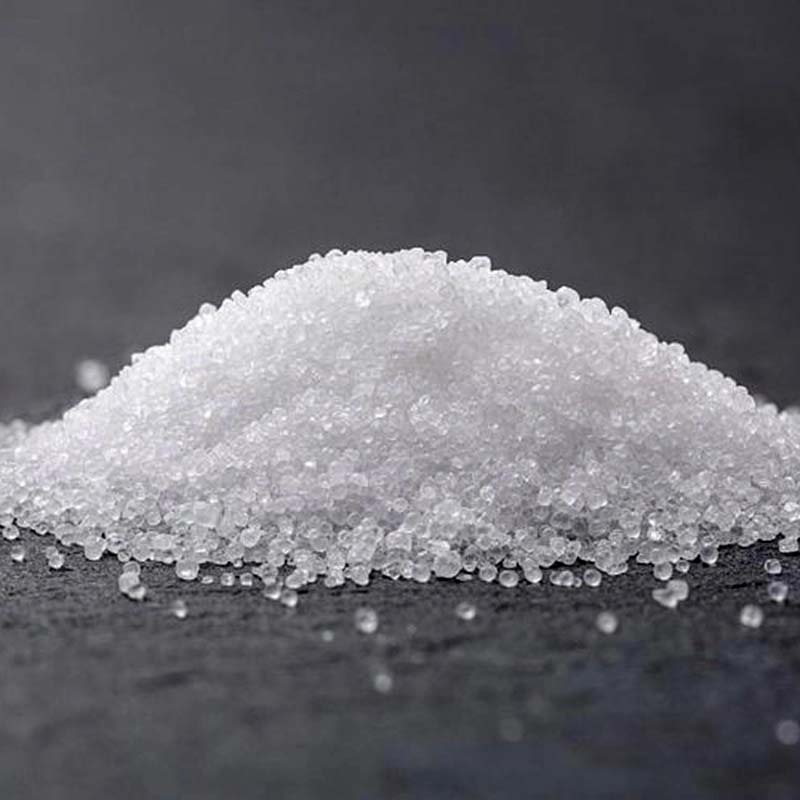
White/colorless odorless hygroscopic powder; density 2.17g/cm³, bulk density 1200kg/m³, specific gravity 2.168.
Thermal & optical properties
Melting point 271°C, boiling point 320°C; refractive index 1.65, vapor pressure<0.0001 hPa at 25℃.
Solubility & aqueous alkalinity
High water solubility (820 g/L at 20℃), slightly soluble in dilute acetic water; 100g/L solution pH=9 (weak alkaline).
Storage requirement
Seal and store at 2–8℃, keep away from moisture due to strong hygroscopy.
Chemical stability & incompatibility
Stable under normal conditions; avoid mixing with reductants, organics, flammables, fine metal powder and strong oxidants (fire risk exists).
Unique substance identification
CAS No.7632-00-0, Merck No.14,8648, InChIKey: LPXPTNMVRIOIKMN-UHFFFAOYSA-M, recorded in EPA registry.

Sodium nitrite, the sodium salt of nitrous acid, functions as an antimicrobial agent and preservative. It typically presents as a faintly yellowish crystalline powder or nearly white opaque masses or rod-like forms. The compound is hygroscopic, readily absorbing atmospheric moisture. With a solubility of approximately 1 gram per 1.5 milliliters of water, it is primarily employed in meat processing to stabilize color and enhance flavor development during curing.