

Magnesium oxide CAS:1309-48-4
Superior Thermal Endurance
Multifunctional Industrial Auxiliary
Fire Suppression Effect
Applications in Medicine and Farming
Two Customized Product Forms
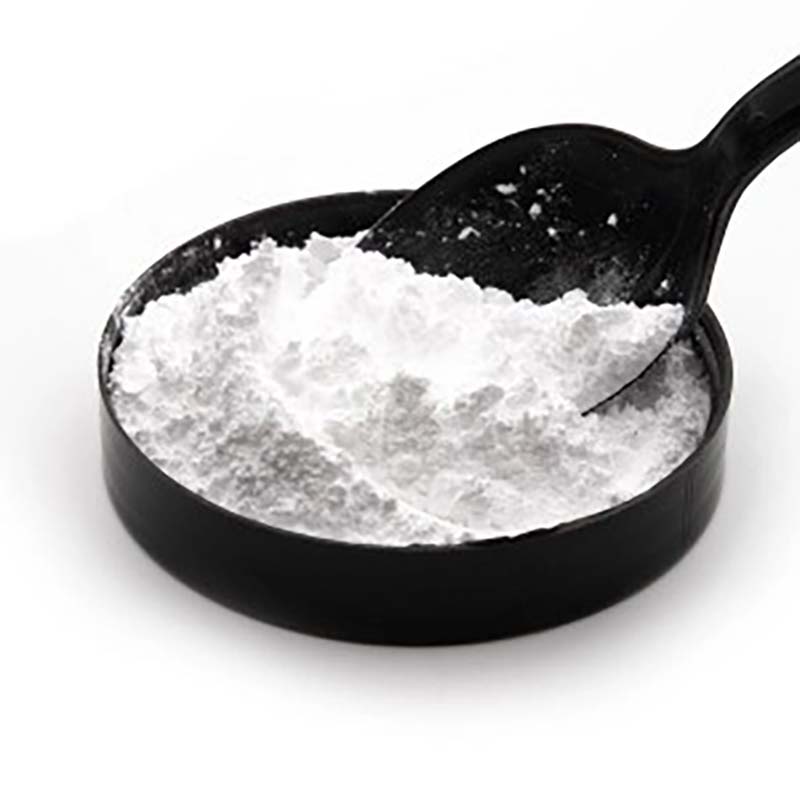
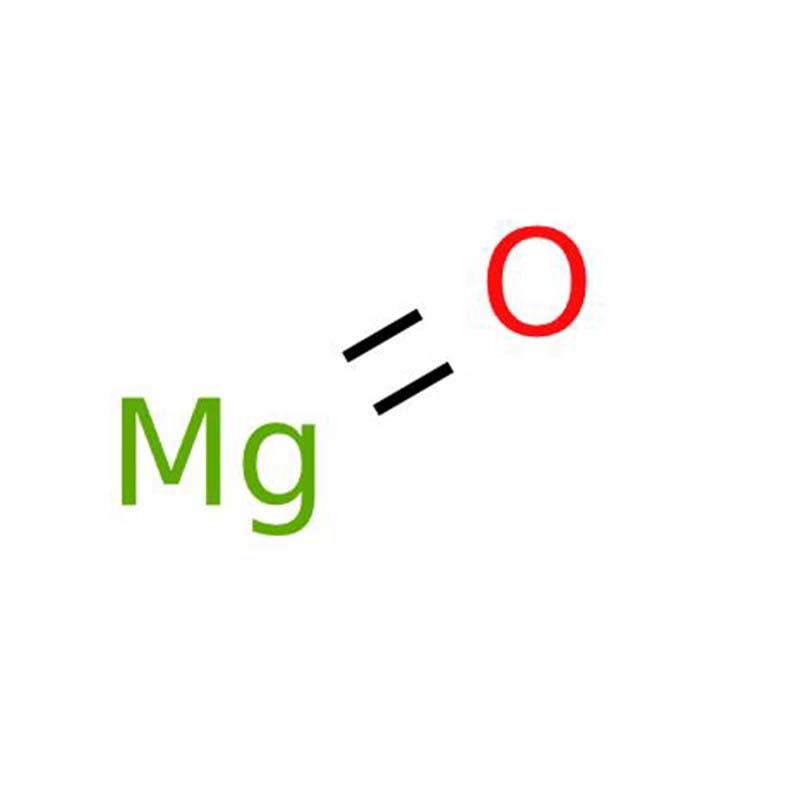
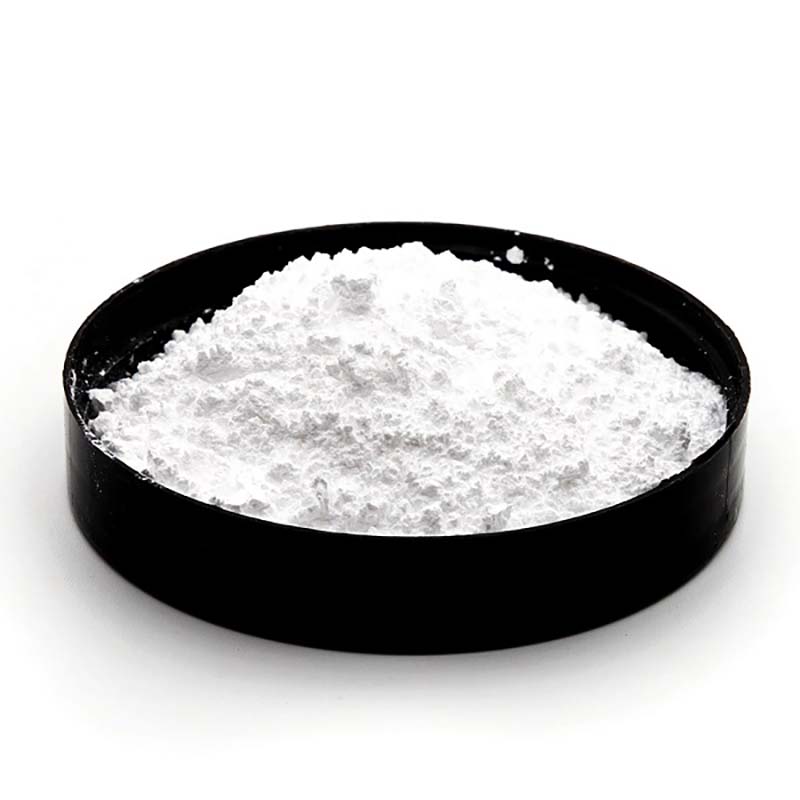
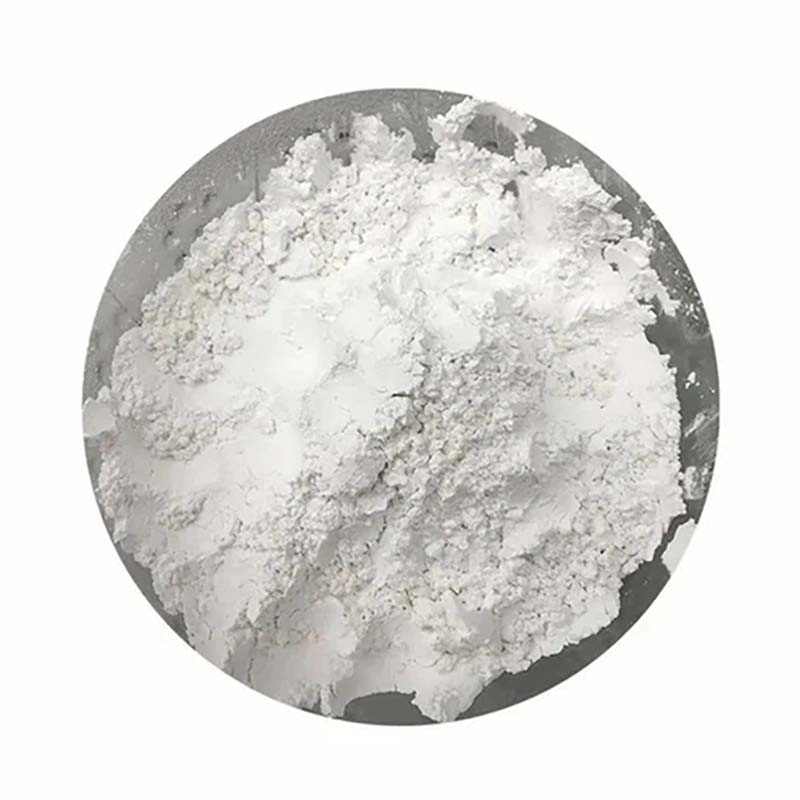
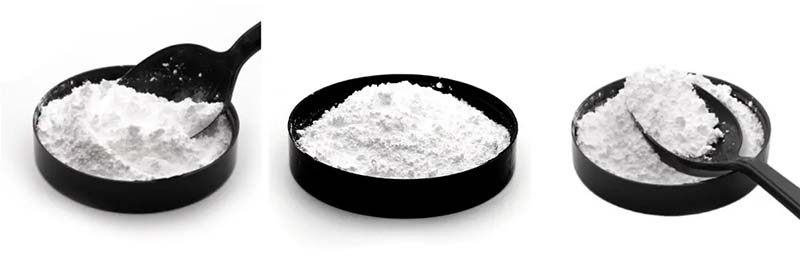
Magnesium oxide, the common name for magnesium oxide (MgO), is an alkaline earth metal oxide in white crystalline powder form. Its melting point reaches 2,852°C and boiling point hits 3,600°C, with a density of 3.58 at 25°C. It dissolves in acidic and ammonium salt solutions and slowly hydrates into magnesium hydroxide in water; contact with carbon dioxide-containing water generates magnesium bicarbonate. This product easily absorbs moisture and carbon dioxide from air, and will produce irritant fumes when thermally decomposed.
Production Raw Materials and Processes
Production Volume and Application of Low-Temperature Light-Burned Magnesia
Magnesium oxide accounts for around 75% of total magnesium chemical production, leading all magnesium-based chemical products. Light-burned magnesia calcined below 900°C has low stacking density, large specific surface area and powerful adsorption performance. It acts as catalyst and reinforcing filler for rubber, raw material of magnesium oxychloride cement with magnesium chloride, and fire retardant for building materials. In medicine, it treats hyperacidity and gastric ulcers; compounding with calcium carbonate reduces its laxative effect. It is also added to animal feed and farm fertilizers as magnesium supplements.
Mid-Temperature and High-Temperature Calcined Magnesia Grades
Magnesia sintered at 950–1050°C has higher bulk density, stable particle distribution and stronger hydration activity. Coated on silicon steel sheets, it reacts with surface silicon dioxide to form magnesium silicate barrier layers, preventing sheet sintering during high-temperature processing. Heavy-burned magnesia calcined at 1500–1800°C features high density, small specific surface area, superior heat resistance and low chemical activity (slow acid dissolution and hydration). It is widely adopted for high-temperature refractory products such as crucibles and furnace linings.