

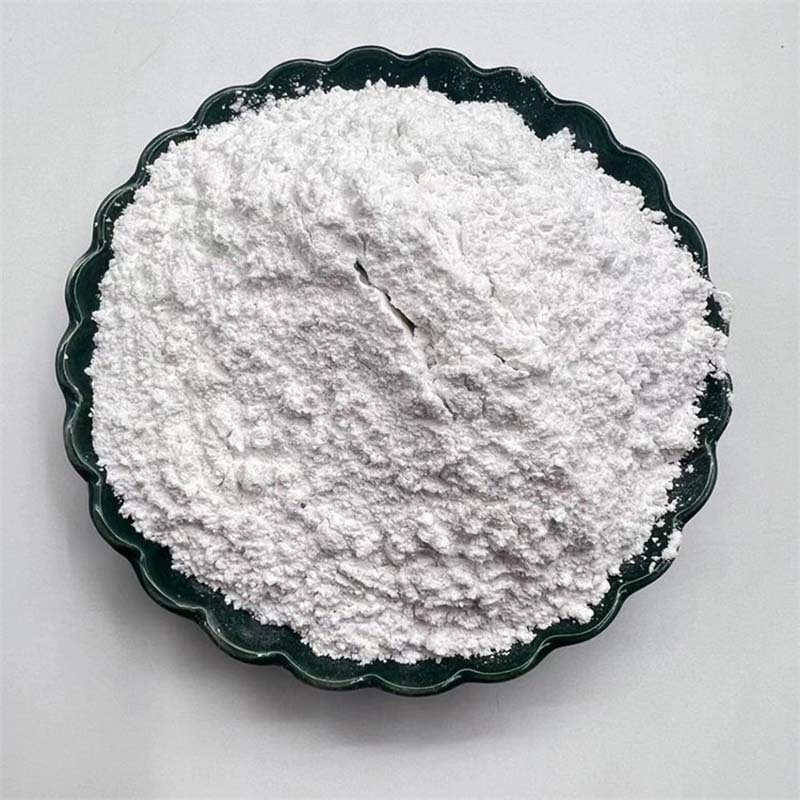
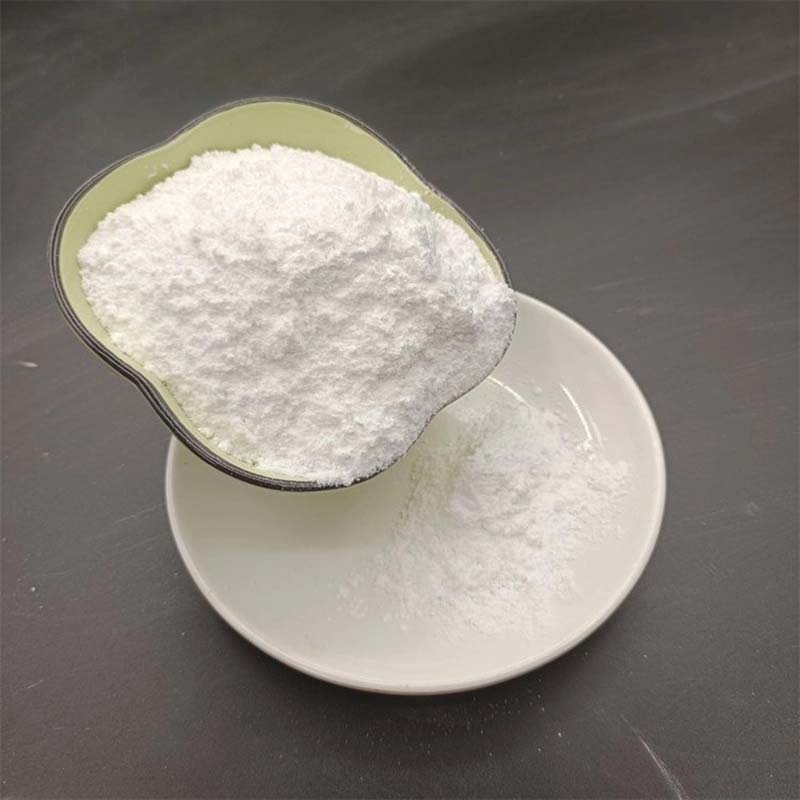
Aluminum hydroxide CAS:21645-51-2
Outstanding Flame Retardant Performance
Ultra-High Purity & Wide Application Flexibility
Powerful Water Treatment & Eco-Remediation Capacity
Pharma-Grade Biocompatible Material
Tunable Thermal Transformation for Catalyst Raw Material
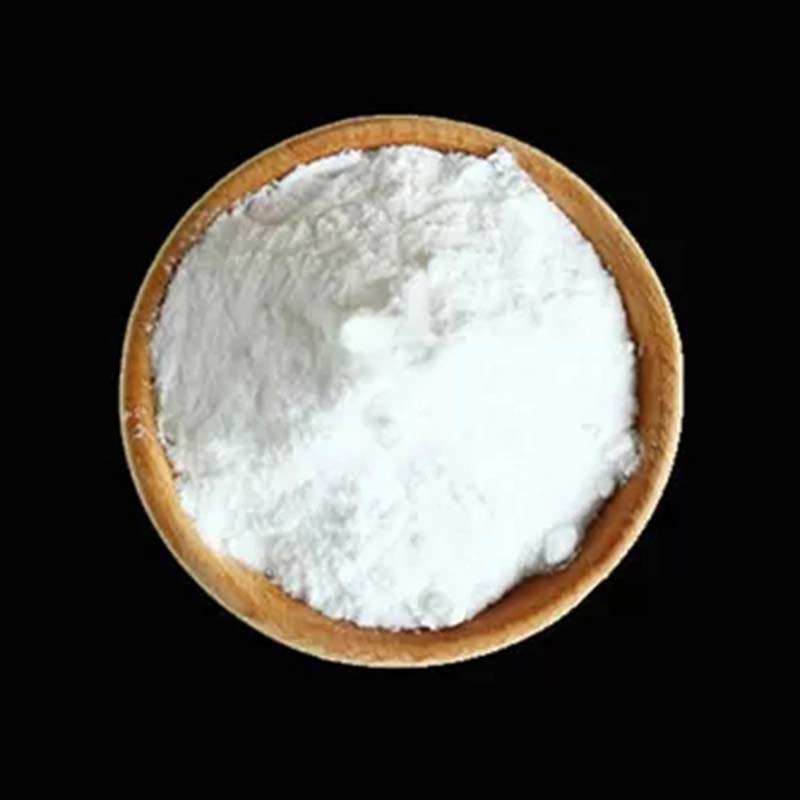
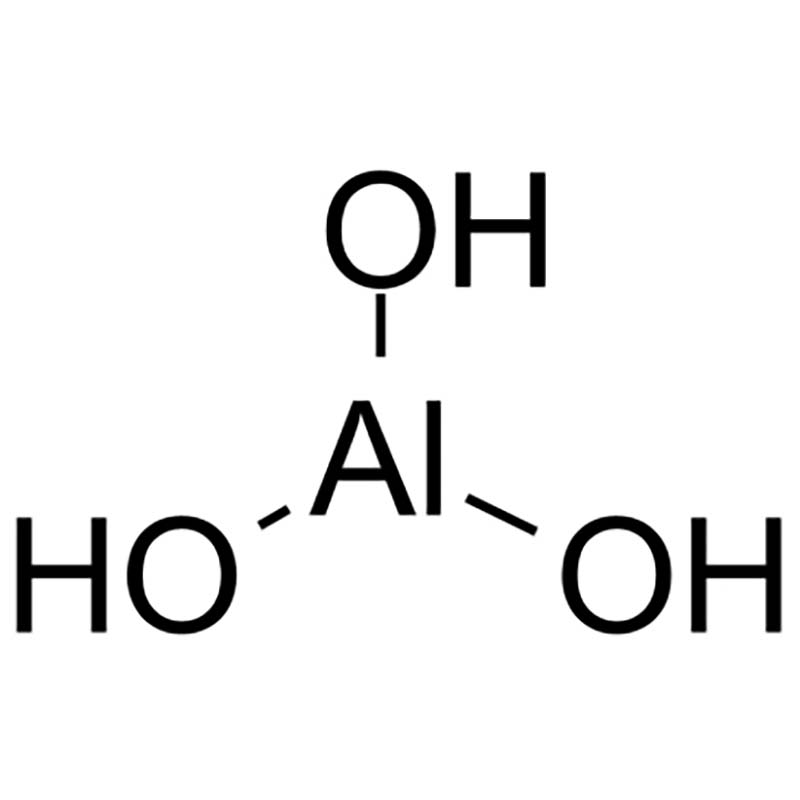
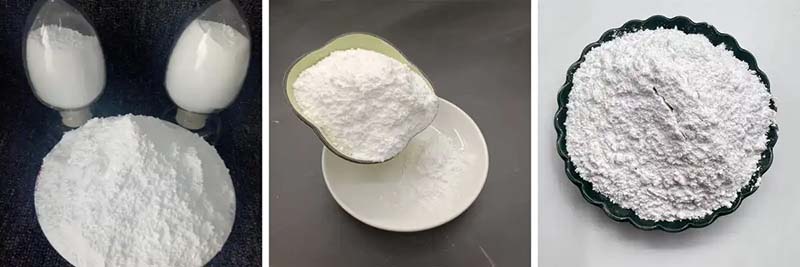
Aluminum hydroxide (Al(OH)₃) is a white crystalline powder. As a typical amphoteric hydroxide, it is insoluble in water but soluble in acidic and alkaline solutions. Thermal treatment in air causes dehydration to produce aluminum oxide, making it an important raw material for industrial alumina production. This substance exhibits typical amphoteric reactivity. It reacts with acids to form aluminum salts and water and reacts with strong bases to generate soluble aluminates. Due to its weak acidity, it can also be referred to as aluminic acid (H₃AlO₃). In reactions with alkalis, it mainly produces tetrahydroxyaluminate anions ([Al(OH)₄]⁻). Therefore, aluminum hydroxide monohydrate (HAlO₂·H₂O) is a more chemically accurate expression.
Advanced Technical Parameters
Property | Technical Specification |
BET Surface Area | 3-40 m²/g (adjustable via precipitation) |
Oil Absorption | 45-65 mL/100g |
Dielectric Constant | 6.5-7.2 (1 MHz) |
Decomposition Temp | 180°C (onset), 300°C (complete) |
Particle Morphology | Hexagonal platelets (1-80 μm), spherical nanoforms |
Advanced Flame Retardancy
Pharmaceutical Engineering
Ceramic & Catalysis Industry
Environmental Remediation Performance
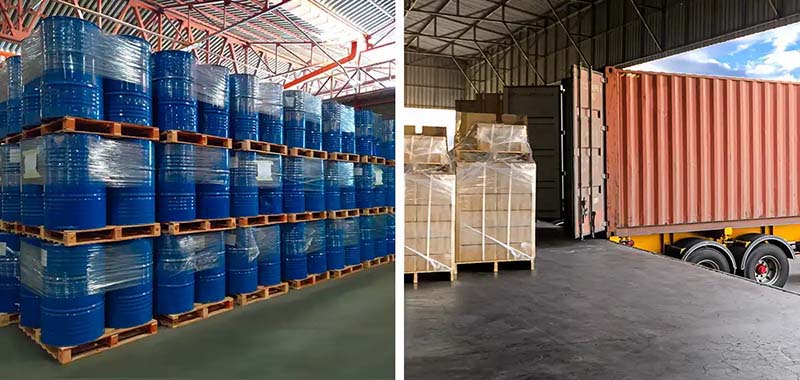
Packaging, Storage & Transportation Specifications
Aluminum hydroxide (Al(OH)₃) is a multifunctional inorganic white crystalline powder with a Mohs hardness of 2.5–3.5. It features extremely low water solubility (less than 0.1 mg/mL at 20 °C) and displays typical amphoteric properties, capable of reacting with both acids and alkalis. When heated above 200 °C, it gradually dehydrates and converts into gamma-alumina (γ-Al₂O₃), making it a core raw material for industrial alumina production.