

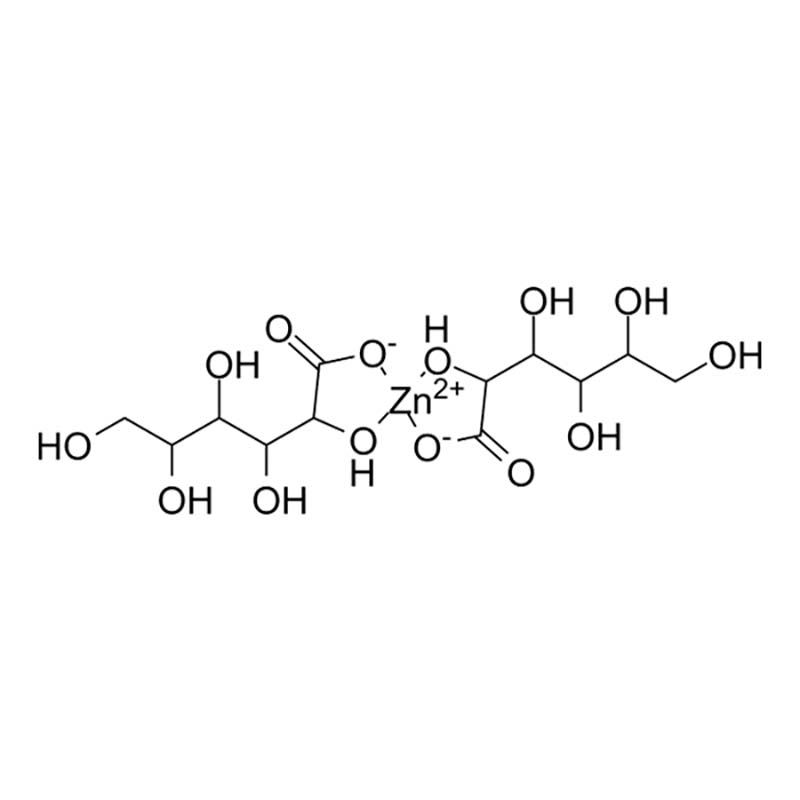
Zinc gluconate CAS:4468-02-4
Proven Efficacy in Addressing Zinc Deficiency: This formulation is designed to counteract symptoms of zinc insufficiency—including growth retardation, poor nutritional status, and acne—and offers particular benefits for infants and pregnant women.
Superior Solubility for Enhanced Absorption: With high aqueous solubility (100 g/L), it dissolves rapidly to facilitate optimal bioavailability and systemic uptake.
Neutral Sensory Characteristics: Odorless and virtually tasteless, this compound can be seamlessly incorporated into various supplement formats without compromising flavor or user compliance.
Verified Safety Profile: Toxicological evidence (mouse oral LD50: female 1.93 g/kg, male 2.99 g/kg) supports its safe use when administered within recommended dosage guidelines.
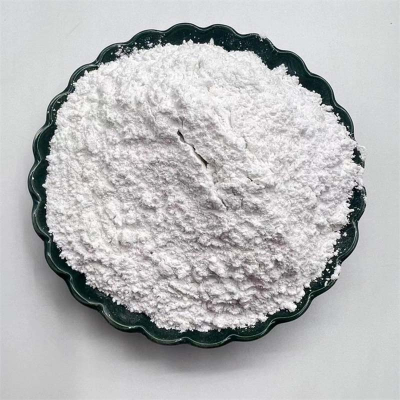
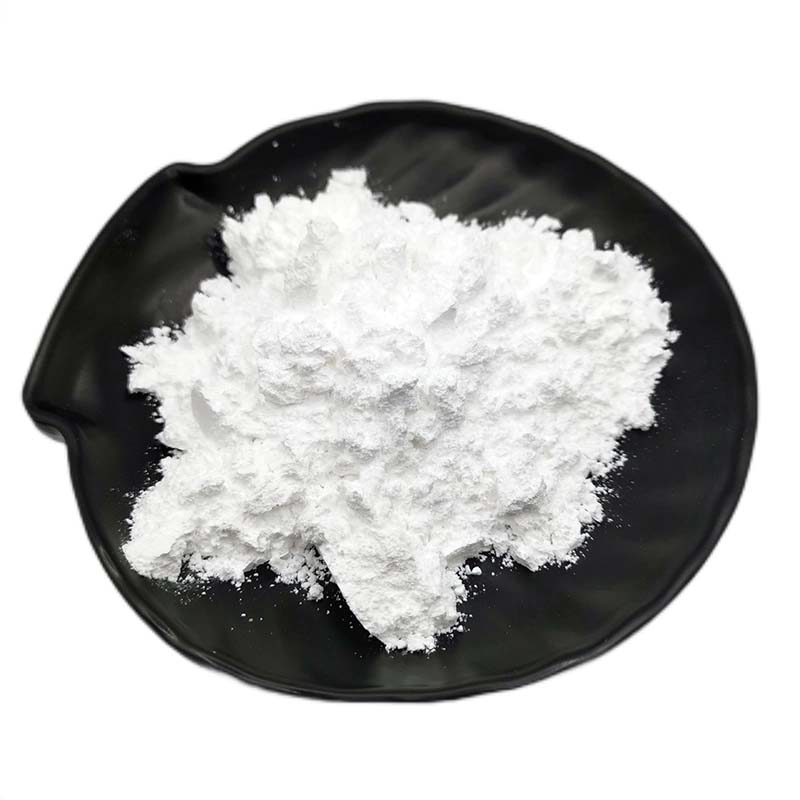
Zinc gluconate is a dietary supplement used to restore normal zinc levels, offering support in cases of stunted growth, malnutrition, appetite loss, recurring mouth ulcers, and acne, and is particularly beneficial for infants and pregnant women. It occurs as a white, odorless, tasteless granular or crystalline powder, capable of forming up to three hydrates. The substance dissolves readily in water but has low solubility in ethanol. Acute oral toxicity tests classify it as moderately toxic, with reported LD50 values of 1.93 g/kg in female mice and 2.99 g/kg in male mice.
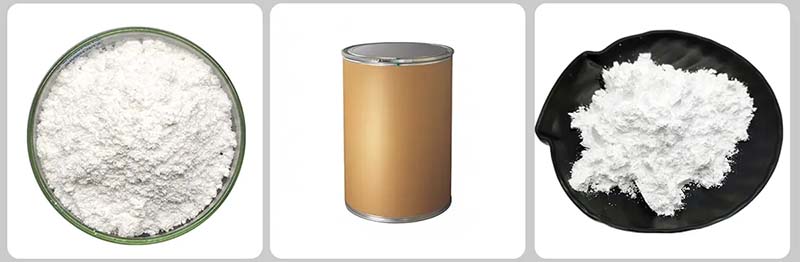
Physical & Chemical Properties
| Parameter | Specification |
|---|---|
| Melting behavior | 172–175 °C |
| Boiling point | 319 °C |
| Specific gravity (20 °C) | 1.44 |
| Volatility (20 °C) | 0 Pa |
| Storage recommendation | –20 °C |
| Aqueous solubility | 100 g/L (freely soluble) |
| Solubility in organic solvents | Insoluble in anhydrous ethanol; insoluble in dichloromethane |
| Physical description | White to off-white crystalline powder to granular solid |
| Partition coefficient (Log P, 20 °C) | –7.41 |
| Merck monograph | 14,4456 |
| CAS registry | 4468-02-4 |
| EPA identification | Zinc, bis(D-gluconato-κO1,κO2)-, (T-4)- |
Safety & Regulatory Information
| Parameter | Specification |
|---|---|
| Acute toxicity index (RTECS) | ZH3750000 |
| Inventory status (TSCA) | Listed / Yes |
| Customs classification (HS Code) | 29181600 |
| Hazardous substance database | CAS 4468-02-4 (referenced in HSDB) |
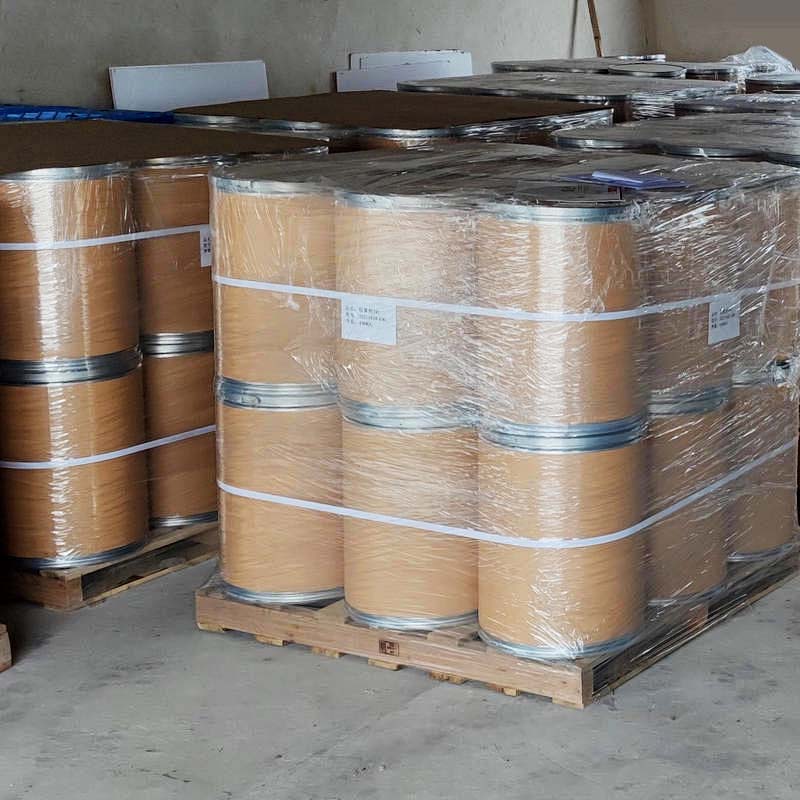
Application Areas of Zinc Gluconate
1. Pharmaceuticals & Dietary Supplements
Corrects zinc deficiency, addressing symptoms such as growth retardation, poor appetite, anorexia, and impaired immune function.
Supports skin and mucosal health — commonly used for acne, recurrent oral ulcers, and dermatitis.
Essential for vulnerable groups: widely prescribed for infants, children, and pregnant or lactating women to support fetal development and immune competence.
2. Food & Beverage Fortification
Serves as a zinc source in fortified foods: dairy products, cereals, infant formulas, and functional beverages.
Preferred for its neutral sensory profile (odorless, tasteless) and high water solubility, ensuring minimal impact on flavor and appearance.
3. Animal Feed & Nutrition
Included in premixes for livestock, poultry, and aquaculture feeds to prevent trace mineral deficiencies, improve growth performance, and strengthen immunity.
4. Oral Care & Personal Care
Toothpastes and mouthwashes: valued for antibacterial and anti-inflammatory properties to help maintain gum health and control bad breath.
Skincare: incorporated into anti-acne and oil-control products for its role in regulating sebum production.
5. Other Applications
Agriculture: applied as a foliar spray or soil micronutrient fertilizer to prevent zinc-deficiency symptoms in crops, such as little leaf disease and chlorosis.