Ethylenediaminetetraacetic acid CAS:60-00-4

Outstanding Chelating Property


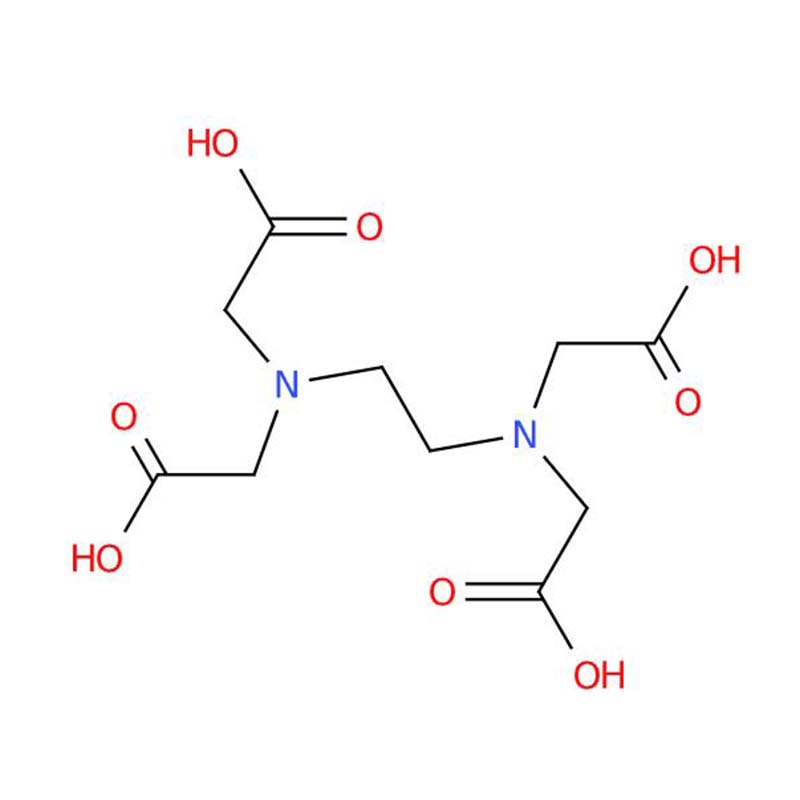
As a hexadentate chelator, EDTA binds metal ions via six coordination positions and creates stable metal coordination complexes.


High-Performance Complexing Ligand


This robust multidentate ligand is widely utilized to capture metal ions in both industrial workshops and laboratory testing scenarios.


Diversified Application Scenarios


It covers multiple industrial segments: water treatment, medicine production, agrochemical preparation, and special additives for chemical manufacturing.


Superior Heat Resistance


EDTA keeps intact chemical structure under temperatures up to 250°C and hardly decomposes, guaranteeing stable performance under rigorous service conditions.


Product Details
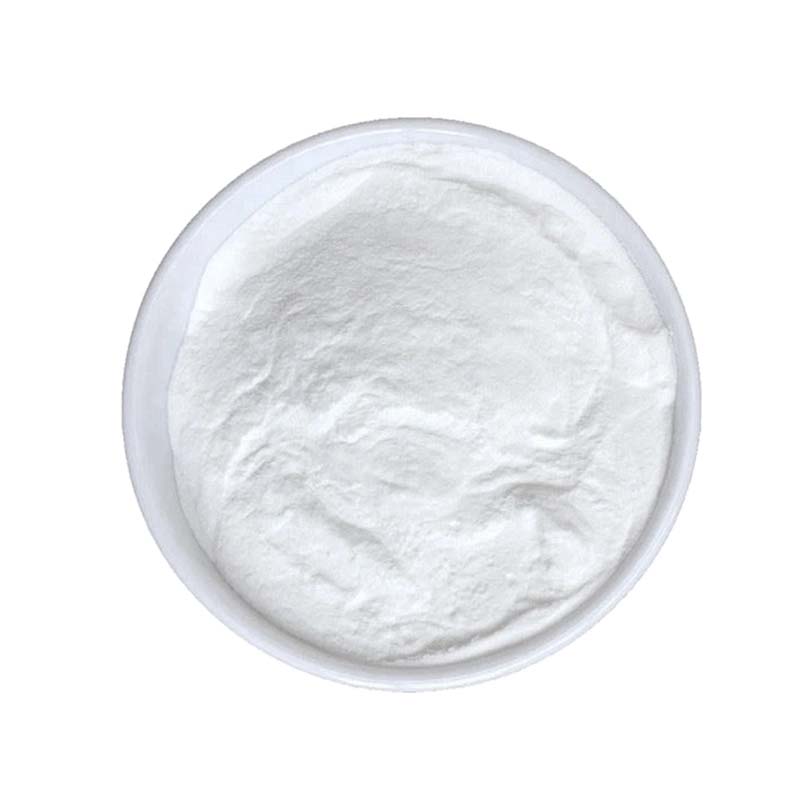
Ethylenediaminetetraacetic acid (EDTA) is a widely used multifunctional aminopolycarboxylic chelating agent. It is a colorless, water-soluble solid that stably binds and neutralizes metal ions via chelation reactions.
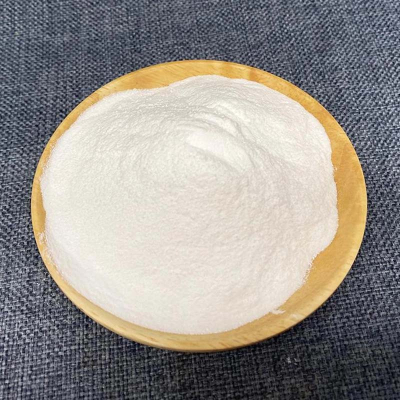
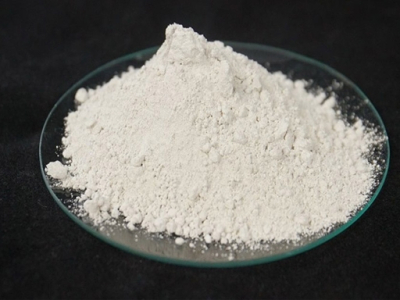
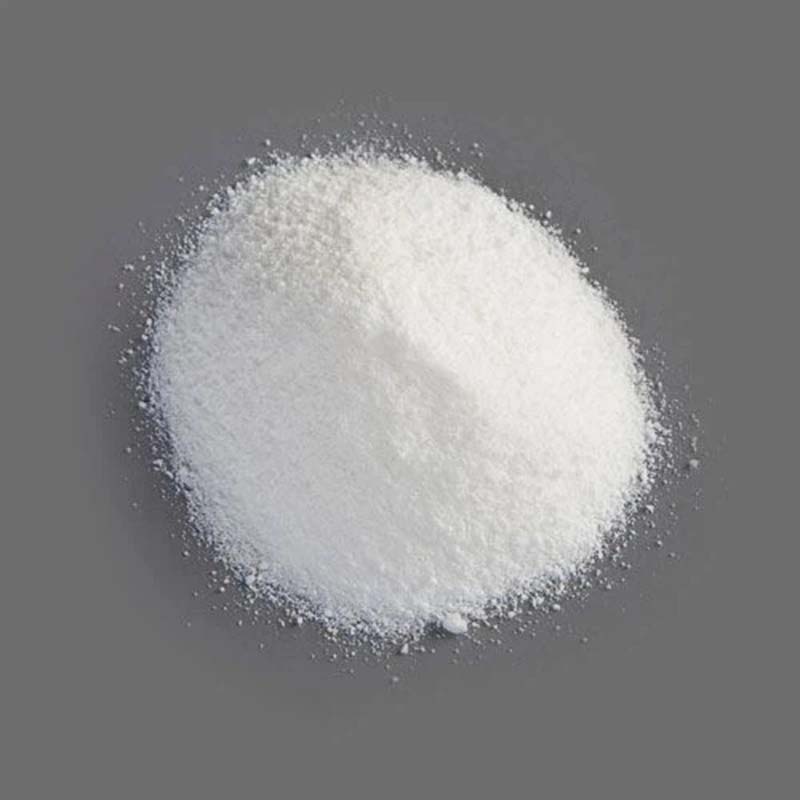
Featuring the chemical formula C₁₀H₁₆N₂O₈, CAS 60-00-4 and a molecular weight of 292.24 g/mol, commercial EDTA appears as an odorless white crystalline powder with a mild acidic flavour. As a typical hexadentate ligand, it can form six coordination bonds with a single metal ion.
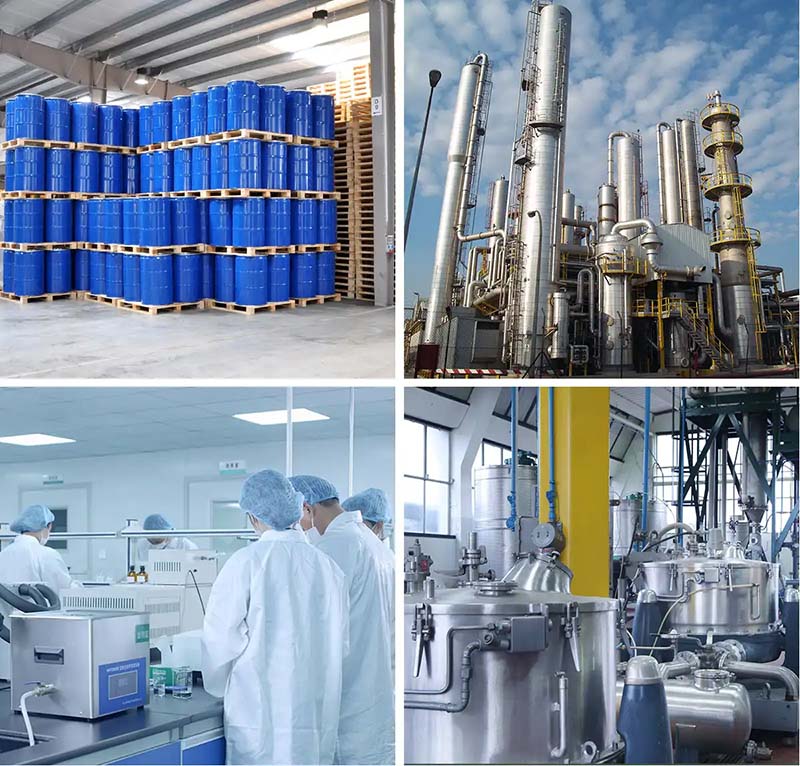
First synthesized by Ferdinand Münz in 1935 from ethylenediamine and chloroacetic acid, EDTA is now mass-produced globally. It is extensively utilized in industrial, pharmaceutical, food and household fields.

Its outstanding metal sequestration capacity suppresses oxidation, precipitation and microbial growth triggered by free metal ions, making it an essential material for modern chemistry and manufacturing industries.
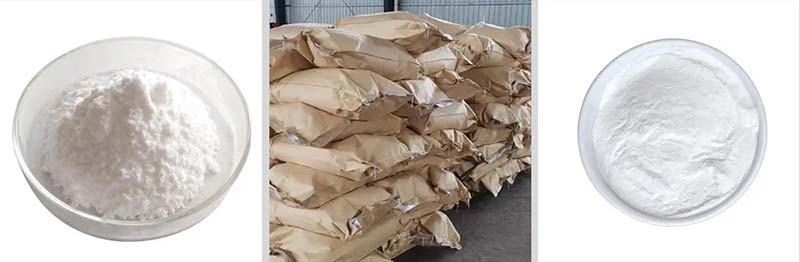

Ethylenediaminetetraacetic acid CAS:60-00-4


2. Key Features


Powerful Chelating Performance: This substance can create stable, water-soluble chelate complexes with most divalent and trivalent metallic ions, including calcium, magnesium, iron, copper, zinc and lead ions. The binding affinity for ferric ions is particularly prominent, with a stability constant log K value of approximately 25.1.
Wide pH Adaptability: EDTA maintains chelating activity over a broad pH spectrum, despite slight fluctuations in binding efficiency under different acidity and alkalinity conditions. Its optimal chelating performance is achieved in alkaline environments, where complete deprotonation of carboxyl groups takes place.
Diversified Product Specifications: It can be processed into various salt derivatives such as disodium EDTA, calcium disodium EDTA and tetrasodium EDTA. These variants differ in water solubility and functional characteristics, offering high flexibility for diverse formula design and industrial usage scenarios.
Improved Solubility of Salt Derivatives: Pure EDTA free acid exhibits poor water solubility, with only 0.5 g/L soluble at 25°C. In contrast, its sodium salt forms show significantly enhanced solubility: disodium EDTA reaches around 100 g/L, while tetrasodium EDTA can be dissolved up to 600 g/L under the same temperature condition.
Wide Industrial Applicability: Owing to its unique chemical properties, EDTA has become a core auxiliary material in multiple fields. In the pharmaceutical industry, it serves as a detoxification agent for metal poisoning and acts as a stabilizer and preservative for medicinal products. In the food industry, it is applied as a color fixative and preservative (E385). For cosmetic production, it functions to stabilize formulas and boost preservative efficacy.
In industrial scenarios, it is widely used in water treatment, metal surface treatment, papermaking and textile processing. In laboratory research, it is commonly adopted as buffer raw material and metal masking agent. Additionally, it can be used as a carrier of trace nutrient elements in agricultural production.

Environmentally Friendly Alternative Options: To address environmental concerns over traditional EDTA’s persistence in nature, a series of easily biodegradable chelating agents including EDDS, MGDA and GLDA have been developed and promoted for eco-sensitive application scenarios.


3. Technical Specifications with Explanations

ParameterTypical Value/SpecificationDescription & Significance
Molecular FormulaC₁₀H₁₆N₂O₈Core identifier for chemical structure; contains two amine and four carboxyl groups .
Molecular Weight292.24 g/molUsed for quantitative analysis and formulation calculations .
CAS Number60-00-4Universal chemical substance identifier .
EINECS Number200-449-4European inventory identifier .
AppearanceWhite crystalline powderVisual quality indicator; should be free from lumps, discoloration, or visible impurities .
OdorPractically odorlessSensory characteristic; no significant odor .
Assay (Purity)≥98.0% – ≥99.5% (grade dependent)Core specification. Higher purity minimizes metal contamination and ensures consistent chelation capacity .
Melting Point237°C – 245°C (decomposes)Characteristic physical constant; decomposition occurs upon heating rather than melting .
SolubilityWater (free acid): 0.5 g/L (25°C)
NaOH solution: Soluble
Disodium salt in water: ~100 g/L
Tetrasodium salt in water: ~600 g/L
Organic solvents: Insoluble
Critical formulation parameter. Free acid requires alkaline conditions to dissolve; salts provide water solubility .
pH (1% solution)2.5 – 3.5 (free acid suspension)Free acid form is acidic; salts provide neutral to alkaline pH .
Heavy Metals (as Pb)≤ 10 – 20 ppm (grade dependent)Critical safety parameter ensuring product purity for pharmaceutical and food applications .
Iron (Fe)≤ 10 – 50 ppmIndicates contamination level; important for applications requiring metal-free conditions .
Sulfated Ash≤ 0.2% (free acid)Measures inorganic impurities; low value indicates high purity .
Loss on Drying≤ 0.5% – 1.0%Measures moisture content; critical for stability and accurate weighing .
Nitrilotriacetic Acid (NTA)≤ 0.1%Controls potentially carcinogenic impurity; critical for pharmaceutical and food grades .
Chelation Capacity (mg CaCO₃/g)≥ 339 mg/g (EDTA acid basis)Measures practical chelating power; 1g EDTA can chelate approximately 339 mg CaCO₃ equivalent .
pKa ValuespKa₁ = 0.26, pKa₂ = 0.96, pKa₃ = 2.67, pKa₄ = 6.16, pKa₅ = 10.26Acid dissociation constants determining chelation behavior at different pH levels .
Stability Constant (log K for Fe³⁺)25.1Indicates extremely strong binding with ferric iron; one of the highest among common metals .
BiodegradabilityPoor (0-30% in 28 days)Environmental persistence concern; biodegradable alternatives available .

4. Applications

4.1 Pharmaceutical & Medical Usage

Heavy Metal Detoxification: Calcium disodium EDTA has obtained FDA certification for the clinical treatment of lead poisoning, as well as intoxication caused by cadmium, mercury, zinc and manganese. It traps free heavy metal ions in the human body and promotes their elimination via urinary excretion.
Ophthalmic Formulation Additive: In eye drop products, EDTA acts as a stabilizer and antimicrobial auxiliary ingredient, effectively inhibiting ingredient degradation triggered by residual metal impurities.
Topical Medicine Stabilization: It suppresses metal-mediated oxidative reactions in external-use creams and ointments, helping prolong the storage duration of pharmaceutical preparations.
Dental Treatment: 17% EDTA aqueous solution is a common root canal irrigation reagent, which can thoroughly eliminate dental smear layers and clean dentin surfaces for precise dental treatment.
Blood Anticoagulant: It is widely added into blood collection vessels. By chelating calcium ions in blood, it blocks the blood coagulation process and maintains sample stability.
Pharmaceutical Excipient: Serving as a stabilizer for injection preparations, it avoids drug component decomposition induced by trace metal ions, ensuring the efficacy and safety of injectable medicines.

4.2 Food & Beverage Industry (E385)

Antiseptic & Anti-Rancidity Agent: EDTA sequesters trace metal substances that trigger oxidative deterioration, effectively preventing spoilage and discoloration in canned food, seafood, salad dressings and condiments.
Color Protection Additive: It stabilizes the natural pigment of fresh fruits, vegetables and various processed foods, avoiding color fading or discoloration caused by metal ion reactions.
Antioxidant Synergist: It can significantly enhance the working efficiency of common food antioxidants including BHA, BHT and ascorbic acid, improving the overall anti-oxidation effect of food systems.
Beverage Clarifier & Stabilizer: By binding trace metal impurities in drinks, it eliminates turbidity and precipitation issues in carbonated drinks and beer, maintaining clear appearance and stable quality.
Dosage Standard: The practical addition dosage ranges from 25 ppm to 800 ppm, with specific usage strictly regulated by food safety authorities according to different product scenarios.

4.3 Cosmetics & Personal Care Products

Formula Stabilizer: It inhibits metal-catalyzed oxidation and decomposition of active cosmetic ingredients, effectively extending the shelf life of daily chemical products.
Preservation Enhancer: Metal ions are essential for bacterial proliferation. EDTA can chelate such metal elements, weaken microbial activity and indirectly improve the efficacy of compound preservatives.
Hard Water Conditioning Agent: It combines with calcium and magnesium ions in hard water, reducing soap scum generation and improving the detergency and foaming performance of cleaning products such as soap and detergent.
Hair Care Application: Added into shampoos and conditioners, it eliminates harmful metal ions in water, reduces hair damage and optimizes foam fineness and texture during use.
Skin Care Formulation: Applied in facial and body lotions, it protects skin care active substances from metal-induced oxidative failure and stabilizes product formulas.

4.4 Industrial Manufacturing

Industrial Water Treatment: It achieves water softening by capturing calcium and magnesium ions, and prevents scale and sediment accumulation in boiler and cooling tower systems, ensuring stable equipment operation.
Pulp & Paper Making: In the pulp bleaching process, EDTA shields metal impurities that accelerate hydrogen peroxide decomposition, maintaining the stability of bleaching agents and improving bleaching efficiency.
Textile Processing: It removes interfering metal ions in dyeing water and raw materials, eliminating dyeing defects, and improving the color uniformity and brightness of textile products.
Electroplating & Metal Surface Treatment: It purifies electroplating solution by removing harmful metal contaminants, optimizing the uniformity and adhesion of metal coating layers.
Industrial Cleaning: It is a key component of industrial cleaning agents and boiler descaling formulas, widely used for industrial equipment cleaning and metal surface pretreatment.
Photographic Industry: Incorporated into photographic developing solutions to avoid metal salt precipitation, ensuring the stability of developing systems and image quality.
Rubber & Polymer Industry: It suppresses metal-induced aging and degradation of polymer materials, and stabilizes latex systems to extend the service life of rubber and plastic products.

4.5 Laboratory & Scientific Research

Buffer Preparation Material: It is a core component of TE buffer, which is widely used for the preservation and electrophoretic analysis of DNA and RNA biological samples.
Enzyme Activity Regulator: By removing metal cofactors required for enzymatic reactions, it can effectively inhibit the activity of metalloproteases and other metal-dependent enzymes.
Analytical Masking Agent: It eliminates the interference of impurity metal ions in experimental processes such as titration and colorimetric detection, improving the accuracy and reliability of analytical results.
Cell Culture Auxiliary: Added into cell culture media to eliminate metal toxicity, stabilize ion balance and create a suitable growth environment for cells.
Histological Testing: Applied in the decalcification treatment of bone and tissue samples, facilitating subsequent slicing and microscopic observation in pathological experiments.

4.6 Agricultural Fields

Chelated Fertilizer Carrier: EDTA-chelated trace element fertilizers (including iron, zinc, manganese and copper chelates) can effectively avoid nutrient precipitation and failure, greatly improving the absorption and utilization efficiency of trace elements by crops.
Soil Remediation Material: It is applied in soil washing remediation technology to adsorb and remove heavy metal pollutants in contaminated soil, improving soil environmental quality.


5. Product Grade Comparison

EDTA is available in multiple grades and salt forms to meet diverse application requirements:

Parameter/GradeTechnical GradeIndustrial GradeFood Grade (E385)Pharmaceutical Grade (USP/Ph.Eur.)ACS Reagent GradeAnalytical Standard
Core StandardGeneral industrial specsIndustrial applicationsMeets food additive specificationsMeets USP/Ph.Eur. pharmacopoeia standardsMeets American Chemical Society specifications≥99.4% purity for precise analysis
Purity (Assay)≥98.0%≥99.0%99.0-100.5% (dried basis)98.0-102.0% (anhydrous basis)99.4-100.6%≥99.9% (HPLC)
AppearanceWhite powderWhite powderWhite powderWhite powderWhite powderWhite powder
Heavy Metals (Pb)≤50 ppm≤20 ppm≤10 ppm≤10 ppm≤5 ppm≤5 ppm
Iron (Fe)≤100 ppm≤50 ppm≤50 ppm≤20 ppm≤5 ppm≤5 ppm
NTA ContentNot specifiedNot specified≤0.1%≤0.1%Not specifiedNot specified
pH (1% solution)2.5-3.52.5-3.52.5-3.52.5-3.52.5-3.52.5-3.5
Loss on Drying≤1.0%≤0.5%≤0.5%≤0.5%≤0.5%≤0.2%
Primary ApplicationsGeneral chelation, water treatment, industrial cleanersMetal finishing, textile processing, industrial manufacturingFood preservation (E385), beverages, canned goodsPharmaceuticals, ophthalmic preparations, parenteral formulationsLaboratory reagents, analytical chemistry, buffer preparationHPLC calibration, quantitative analysis, reference standard
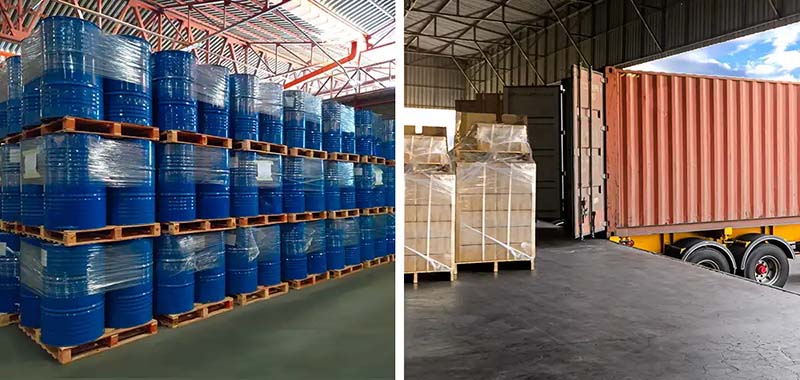
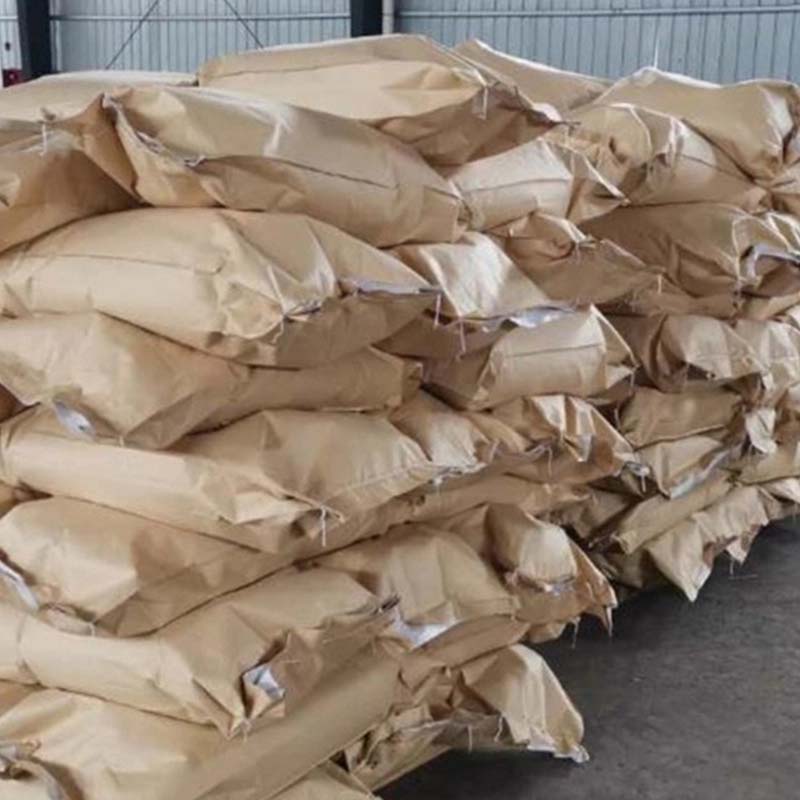
Packaging25 kg bags, 1000 kg supersacks25 kg bags, 200 kg drums25 kg drums, 5 kg containers1 kg, 5 kg, 25 kg with documentation100 g, 500 g, 1 kg, 5 kg bottles100 mg, 1 g, 5 g vials
CertificationsManufacturer COAManufacturer COAE385 compliance, KOSHER, Halal availableUSP/Ph.Eur. certification, DMF availableACS certificateTraceable reference material

Common Salt Forms Available:

Salt FormCAS NumberWater SolubilityTypical pH (1%)Primary Applications
EDTA (Free Acid)60-00-4Low (0.5 g/L)2.5-3.5General chelation where acidity is acceptable
Disodium EDTA (Na₂EDTA)6381-92-6 (dihydrate)
139-33-3 (anhydrous)
~100 g/L4.0-6.0Most common form for laboratory, pharmaceutical, and general use
Tetrasodium EDTA (Na₄EDTA)64-02-8 (anhydrous)
10378-23-1 (hydrate)
~600 g/L10.5-11.5Industrial applications, alkaline detergents
Calcium Disodium EDTA62-33-9 (anhydrous)
23411-34-9 (hydrate)
~200 g/L6.5-8.0Pharmaceutical (lead poisoning antidote), food preservation
Dipotassium EDTA2001-94-7 (anhydrous)
25102-12-9 (dihydrate)
High4.0-6.0Cosmetics, personal care


Ethylenediaminetetraacetic acid CAS:60-00-4


Ethylenediaminetetraacetic acid CAS:60-00-4


Leave your messages

Related Products

x

Popular products

x
x