


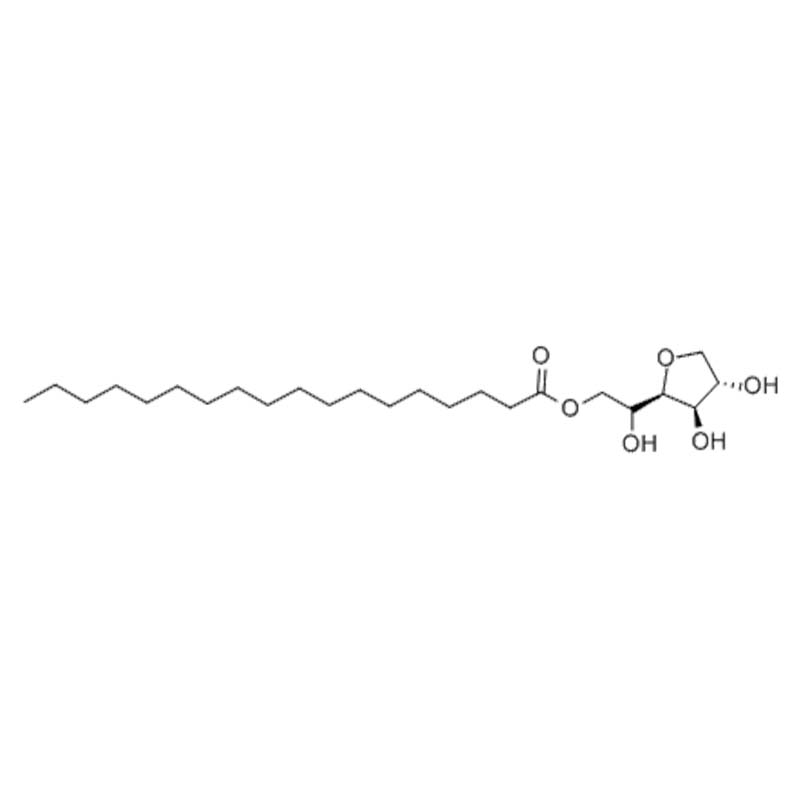
Span60
Effective Emulsification and Dispersion: Span 60 performs effectively as an emulsifier, exhibiting strong emulsifying, dispersing, and wetting capabilities in water-in-oil systems.
Broad Formulation Compatibility: It shows high compatibility with numerous types of surfactants, making it suitable for a variety of formulations in different sectors.
Enhanced Fiber Processing and Properties: As an anti-static and softening agent, it significantly improves the processing and wearing characteristics of acrylic fibers.
Wide Range of Industrial Uses: Span 60 is applied across multiple industries such as food, pharmaceuticals, agrochemicals, coatings, plastics, and cosmetics, where it enhances product performance and stability.
1. Product Overview
Span® 60 (Sorbitan Monostearate) is a non-ionic surfactant belonging to the sorbitan ester family (Span series). It is formed by the esterification of sorbitol (and its anhydrides) with stearic acid, resulting in a complex mixture of partial stearic acid esters of sorbitan and its mono- and di-anhydrides .
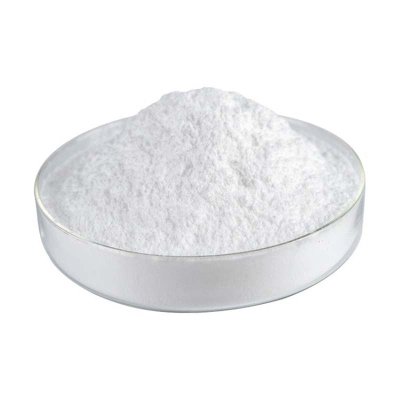
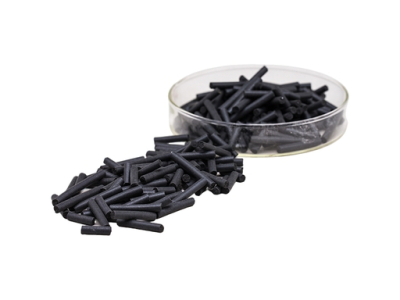
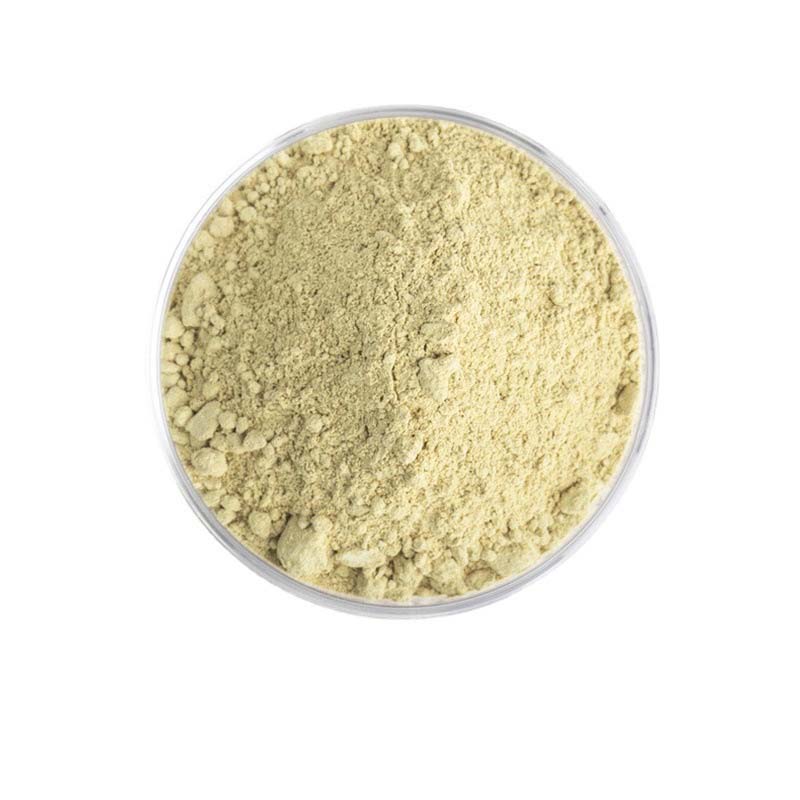
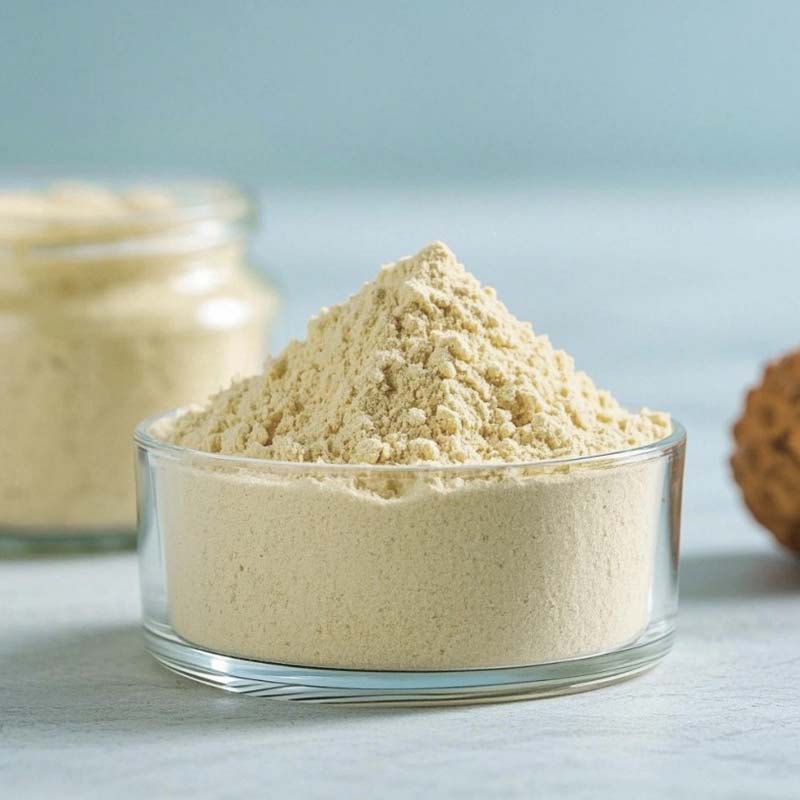
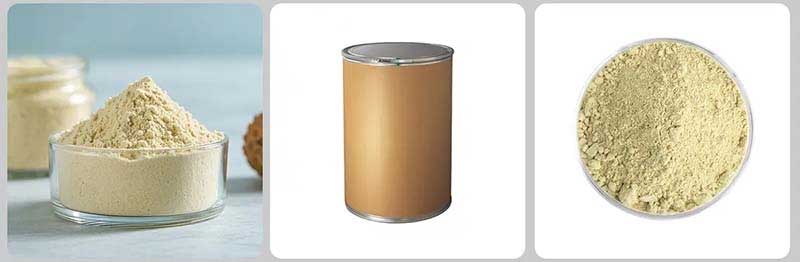
Its chemical formula is C₂₄H₄₆O₆ with CAS number 1338-41-6 and molecular weight of approximately 430.62 g/mol . The product typically appears as a tan, cream, or yellowish-white waxy solid, beads, flakes, or powder, with a faint fatty odor .
As a lipophilic (oil-loving) emulsifier with a low HLB value of 4.7, Span 60 is primarily used to stabilize water-in-oil (W/O) emulsions and acts as a powerful structure-building agent . Its versatility, mildness, and compatibility with other surfactants make it an essential ingredient across the food, pharmaceutical, cosmetic, and industrial sectors.
In the food industry, it is authorized as additive E491 . Its pharmaceutical grade is listed in major pharmacopoeias and approved for both topical and oral applications .
2. Key Features
Optimal HLB Value (4.7) : Its low Hydrophilic-Lipophilic Balance makes it a primary emulsifier for stabilizing water-in-oil (W/O) emulsions and an excellent co-emulsifier when paired with high-HLB surfactants (like Tweens) to formulate stable oil-in-water (O/W) systems .
Structure-Building Capability: As a solid waxy material (melting point 49-65°C), it imparts structure, viscosity, and body to creams, lotions, and sticks. It crystallizes to form a network that thickens and stabilizes formulations .
Excellent Aeration and Foam Stabilization: In food applications, particularly in whipped toppings and baked goods, Span 60 stabilizes air bubbles, improving texture and volume .
Broad Regulatory Acceptance: Spans are globally recognized as safe food additives (E491). The EFSA has established a group ADI of 10 mg/kg bw per day (expressed as sorbitan) for sorbitan esters . Pharmaceutical grades are compliant with USP/NF and Ph. Eur. standards .
Mild and Skin-Friendly: It is non-irritating to the skin with low toxicity, making it suitable for sensitive cosmetic and personal care applications .
Excellent Compatibility: Can be mixed with all types of surfactants—anionic, cationic, and other non-ionics—to achieve desired synergistic effects . It is particularly effective when combined with polysorbates (Tween 60) .
Versatile Solubility: Soluble in oils, ethanol, and organic solvents; insoluble but dispersible in water, which is characteristic of its lipophilic nature .
3. Technical Specifications with Explanations
| Parameter | Typical Value/Specification | Description & Significance |
|---|---|---|
| CAS Number | 1338-41-6 | Universal chemical identifier for sorbitan monostearate . |
| Molecular Formula | C₂₄H₄₆O₆ | Represents the sorbitan ester structure . |
| Molecular Weight | 430.62 g/mol | Used for stoichiometric calculations and for converting between sorbitan ester and sorbitan equivalents . |
| Appearance | Tan, cream, pale yellow, or off-white waxy solid (beads, flakes, or powder) | Visual quality indicator; color may vary slightly by grade and manufacturing source . |
| Odor | Faint, mild fatty odor | Sensory characteristic critical for applications in cosmetics and food . |
| HLB Value | 4.7 | Core functional parameter. Indicates strong lipophilic character, ideal for W/O emulsions and structure building . |
| Melting Point | 49 – 65°C | Characteristic range; narrower range indicates higher purity. Essential for processing parameters . |
| Acid Value | 5 – 11 mg KOH/g | Measures free fatty acid content. Low value indicates complete esterification and prevents rancidity . |
| Saponification Value | 140 – 157 mg KOH/g | Verifies the average molecular weight and total ester content. Consistency ensures predictable emulsifying properties . |
| Hydroxyl Value | 230 – 260 mg KOH/g | Ensures the correct ratio of hydrophilic groups; crucial for maintaining consistent HLB value . |
| Density | 0.98 – 1.03 g/cm³ | Slightly less dense than water; used for volume-to-weight conversions . |
| Flash Point | > 110°C | High flash point indicates low fire risk during storage and handling . |
| Heavy Metals (as Pb) | ≤ 0.001% (10 ppm) | Critical safety parameter ensuring compliance with food and pharmaceutical regulations . |
| Sulfated Ash | ≤ 0.5% | Measures inorganic impurity content; low value indicates high purity . |
| Solubility | Oils/Ethanol: Soluble Water: Insoluble but dispersible Acetone/Hexane: Insoluble | Critical formulation parameter. Solubility profile dictates its use in oil phases and as a W/O emulsifier . |
| Storage Temperature | Room Temperature (RT), cool & dry | Store in sealed containers, away from light and moisture . |
4. Applications
Food Industry (as E491)
Bakery and Fine Bakery Wares (Up to 10,000 mg/kg):
Dough Conditioner: Improves crumb structure, volume, and softness .
Aeration Agent: Stabilizes air bubbles in cakes and whipped toppings .
Yeast and Yeast Products (Quantum satis for dry yeast):
Protective Agent: Added to active dry yeast to protect cell membranes during spray drying and enhance rehydration properties .
Confectionery and Chewing Gum (Up to 5,000 mg/kg):
Texture Modifier: Prevents fat bloom in chocolate and modifies viscosity.
Emulsifier: Ensures uniform dispersion of ingredients .
Dairy Analogues, Edible Ices, and Sauces:
Stabilizer: Prevents separation in emulsions like milk analogues and sauces. Authorized at levels up to 5,000-10,000 mg/kg depending on category .
Food Supplements:
Used in tablets, capsules, and liquid supplements as an emulsifier and stabilizer .
Pharmaceutical & Healthcare
Topical Formulations (0.5-5%):
W/O Emulsifier: Creates stable, rich creams and ointments for dermatological applications .
Co-Emulsifier: Combined with Tween 60 to formulate stable O/W emulsions with pleasant aesthetics .
API Carrier: Aids in the dispersion of active pharmaceutical ingredients.
Oral Solid Dosage Forms:
Lubricant and Binder: Used in tablet manufacturing .
Stabilizer: In oral liquids and suspensions.
Cosmetics & Personal Care
Creams and Lotions:
Body Creams: Imparts a rich, velvety feel to night creams and moisturizers.
Hand Creams: Provides structure and emollience.
Color Cosmetics:
Lipsticks and Foundations: Acts as a pigment dispersant and provides structure to sticks .
Makeup Bases: Improves spreadability and stability.
Hair Care:
Conditioners: Adds softness and manageability .
Industrial Applications
Textile Industry:
Antistatic Agent: Dissipates static charge on synthetic fibers.
Softener and Lubricant: Reduces fiber-to-metal friction during spinning and weaving .
Agrochemicals:
Emulsifier and Dispersant: Ensures pesticide concentrates emulsify properly in the spray tank and improve wetting on plant leaves .
Polymer Processing:
Antifogging Agent: Added to food packaging films to prevent moisture condensation, maintaining transparency .
Paints & Coatings:
Pigment Dispersant: Prevents flocculation of pigments, resulting in higher color strength and gloss .
5. Product Grade Comparison
| Parameter/Grade | Industrial/Technical Grade | Food Grade (E491) | Pharmaceutical Grade (USP/Ph. Eur.) | High Purity/Cosmetic Grade |
|---|---|---|---|---|
| Core Standard | General industrial specs | Meets food additive regulations | Meets USP/NF, Ph. Eur. standards | Meets stringent cosmetic ingredient specifications |
| Purity (Assay) | ≥95% | ≥98% | Meets monograph requirements | ≥99% |
| Critical Parameters | Acid, saponification, hydroxyl values; appearance | Heavy metals (≤10 ppm), acid value, saponification value, microbiological limits | Heavy metals, identity, specific rotation, water, residue on ignition | Color, odor, purity, peroxide value |
| Physical Form | Waxy solid/flakes | Beads/flakes/powder | Pastilles, powder, solid | Powder/beads |
| Primary Applications | Textile lubricants, industrial coatings, plastics | Bakery goods, confectionery, dry yeast, dairy analogues | Topical creams/ointments, oral tablets, veterinary health | High-end skin care, color cosmetics, leave-on products |
| Regulatory Status | Not for human consumption | FDA food contact approved, EU E491 | FDA-IID listed, Ph. Eur., USP/NF | Meets global cosmetic regulations |
6. Purchasing & Selection Guide
Select by Application Area
Food Manufacturers:
Must select Food Grade meeting E491 specifications.
Verify compliance with local regulations (FDA 21 CFR, EU Regulation 1333/2008).
Request Certificate of Analysis confirming acid value, saponification value, and heavy metals (<10 ppm).
Typical usage levels: Follow authorized maximum levels (e.g., 10,000 mg/kg for fine bakery wares) .
Key applications: Dry yeast protection, bakery goods, confectionery, dairy analogues .
Pharmaceutical Manufacturers:
Must select Pharmaceutical Grade meeting USP/NF or Ph. Eur. standards.
Request Drug Master File (DMF) access and cGMP manufacturing documentation.
Recommended usage: 0.5-5% in topical formulations .
Ensure compatibility with API and other excipients.
Key applications: Topical creams, ointments, oral solid dosage forms .
Cosmetic Formulators:
Select Cosmetic/High Purity Grade with strict color and odor specifications.
For W/O emulsions: Use as primary emulsifier at 1-5%.
For O/W emulsions: Combine with Tween 60 to achieve desired HLB and stability .
Key applications: Creams, lotions, lipsticks, foundations, hair conditioners .
Industrial Users:
Technical Grade suitable for textile processing, agrochemicals, and industrial coatings .
Focus on physical form (beads vs. flakes) for ease of handling and dissolution.
Critical Selection Considerations
Physical Form: Beads or flakes are dust-free and easier to handle; powder may be preferred for direct incorporation.
HLB Matching: For emulsion stability, calculate the required HLB of your oil phase and blend Span 60 (HLB 4.7) with a high-HLB surfactant (e.g., Tween 60, HLB 14.9) to match it .
Regulatory Status: Ensure the grade is approved for your target market and application (food, pharma, cosmetic, industrial).
Solubility: Remember that Span 60 is oil-soluble and should be dissolved in the oil phase during heating .
7. Frequently Asked Questions (FAQ)
Q: What is the HLB value of Span 60 and what does it mean?
A: The HLB value of Span 60 is 4.7 . HLB (Hydrophilic-Lipophilic Balance) measures the affinity of a surfactant for water or oil. A value of 4.7 indicates that Span 60 is strongly lipophilic (oil-loving) , making it ideal for stabilizing water-in-oil (W/O) emulsions and as a structure-building agent .
Q: What is the difference between Span 60 and Tween 60?
A: Both are derived from sorbitan monostearate, but Tween 60 is the ethoxylated version (reacted with ethylene oxide) of Span 60 . This process makes it hydrophilic, giving it a high HLB value (14.9). In practice, they are used together: Span 60 (lipophilic, HLB 4.7) and Tween 60 (hydrophilic, HLB 14.9) can be blended to create emulsifier systems with intermediate HLB values, optimizing the stability of oil-in-water (O/W) emulsions .
Q: Is Span 60 safe for use in food and cosmetics?
A: Yes, Span 60 has an excellent safety profile and is globally approved for use in food (as E491) and cosmetics. The EFSA has established an Acceptable Daily Intake (ADI) of 10 mg/kg bw per day (expressed as sorbitan) for sorbitan esters . It is non-toxic and non-irritating at recommended usage levels . However, at very high doses, it may cause digestive upset in sensitive individuals .
Q: How should Span 60 be stored?
A: Store in tightly sealed containers in a cool, dry, well-ventilated area away from direct sunlight, heat sources, and oxidizing agents . Protect from moisture as it can absorb water over time. Under proper conditions, shelf life is typically 2 years .
Q: What happens if Span 60 solidifies or crystallizes?
A: Span 60 is a waxy solid at room temperature with a melting point of 49-65°C . If it needs to be handled as a liquid, it should be gently heated (e.g., in a water bath or oven) to above its melting point and mixed thoroughly before use. The product quality remains unaffected by this reversible physical change.
Q: Can Span 60 be used in vegan products?
A: Yes, but it depends on the source of the stearic acid. Stearic acid can be derived from both animal fats and vegetable oils (such as palm or coconut oil). Many commercial grades, especially those for food and cosmetics, use vegetable-derived stearic acid, making them suitable for vegan formulations. Always check the supplier's specification for the fatty acid source.
Q: What is the recommended usage level of Span 60?
A: Usage levels vary by application:
Topical pharmaceuticals/cosmetics: 0.5-5%
Food applications: Up to 10,000 mg/kg (1%) depending on the food category
Textile/industrial applications: As required for specific performance
Q: Is Span 60 soluble in water?
A: No, Span 60 is insoluble in water but will disperse in it . For aqueous formulations, it must be incorporated via the oil phase or as part of an emulsifier blend with a water-soluble surfactant like a polysorbate (Tween).
8. Delivery, Certification & Service
Delivery Capabilities
Inventory Status: Multiple grades available from regional warehouses (Asia, Europe, Americas)
Sample Program: Small quantities available for research institutions and manufacturers for formulation testing and evaluation
Packaging Options:
Research quantities: 100 g, 500 g, 1 kg bottles or poly bags
Industrial quantities: 20 kg, 25 kg multi-layer paper bags, fiber drums, or cartons
Bulk quantities: 500 kg supersacks, palletized, 20 MT containers
Custom packaging: Available for volume customers
Shipping: Not regulated as hazardous for most transport modes; standard freight shipping available (express, LTL, full truckload, container)

Quality Certifications
Certificate of Analysis (COA) provided with each batch for qualified grades, documenting:
Appearance, odor, color
Acid value, saponification value, hydroxyl value
Melting point
Heavy metals (where applicable)
Residual solvents (where applicable)
Safety Data Sheet (SDS) available in multiple languages
Product Specification (PS) documenting chemical composition and physical properties
Certificates of Origin (COO) available upon request
Additional certifications available:
Food-grade (E491) compliance documentation
Kosher certification
Halal certification
ISO 9001 quality management certification
GMP documentation for pharmaceutical grades
RSPO (Roundtable on Sustainable Palm Oil) certification for sustainable sourcing
Regulatory Compliance
Food Grade: Meets E491 specifications
Pharmaceutical Grade: Listed in USP/NF and Ph. Eur.
FDA: Listed in the FDA Inactive Ingredients Database (FDA-IID)
REACH: Registered under EU REACH; compliance documentation available
TSCA: Listed for US commerce
Export Documentation: Full compliance package for international shipping
Technical Support & Services
Technical Consultation: Application specialists available for:
Emulsion formulation and HLB optimization
Troubleshooting stability issues
Regulatory compliance guidance
Custom Services: Tailored packaging, blending, and quality specifications for qualified customers
Regulatory Support: Documentation for product registration and global compliance
Documentation Available
Certificate of Analysis (COA) with batch-specific data
Safety Data Sheet (SDS/MSDS)
Technical Data Sheet (TDS)
Product Specification (PS)
Certificate of Origin (COO)
Food-grade (E491) compliance statement
Kosher/Halal certificates (where applicable)
Pharmaceutical grade certification
GMP compliance statement
RSPO certification (where applicable)
Allergen declaration
GMO-free statement