

Xanthan gum CAS#11138-66-2
Highly efficient thickening and suspending capabilities: With an extremely low dosage (typically 0.1% - 0.5%), it can significantly increase the viscosity of the system and effectively stabilize insoluble particles, preventing precipitation and stratification.
Excellent rheological properties (pseudo-plasticity):
High shear thinning: When subjected to shear forces (such as stirring, pumping, chewing), the viscosity drops rapidly, making the product easy to process, pour, and consume.
Restores high viscosity upon cessation of shear force: After the shear force disappears, the viscosity rapidly recovers, providing excellent suspension and stability.
This property makes it perform exceptionally well in areas such as sauces and coatings.
Excellent thermal stability: It maintains stable performance at high temperatures and can withstand pasteurization and short-term high-temperature sterilization.
Compatible with various substances: It has a good synergistic effect with acids, bases, salts, emulsifiers, and other thickeners (such as guar gum, locust bean gum), and is often used in combination to optimize performance.
Good water solubility: It can dissolve quickly in both cold water and hot water, forming a uniform solution, making it convenient to use.
High safety: It is produced by microbial fermentation of natural sugars. It has been approved as a safe food additive by major regulatory agencies worldwide, including the US FDA and the Chinese Health Commission, and is also widely used in cosmetics and pharmaceuticals.
Xanthan gum is a widely used microbial extracellular polysaccharide produced by the wild-type Xanthomnas campestris through fermentation technology, using carbohydrates such as corn starch as the main raw material. It possesses unique rheological properties, good water solubility, stability to heat and acids and bases, and excellent compatibility with various salts. As a thickener, suspending agent, emulsifier, and stabilizer, it can be widely applied in over 20 industries including food, petroleum, and medicine. It is currently the largest-scale and most widely used microbial polysaccharide in the world.
| Name: | Xanthan gum | ||
| Molecular formula: | C8H14Cl2N2O2 | EINECS No: | 234-394-2 |
| CAS No.: | 11138-66-2 | Molecular weight: | 182.2179 |
| Density: | 1.5 (20 C) |
| Melting point: | 64.43 °C |
| Boiling point: | 477.8±55.0 C at 760 mmHg (Predicted) |
| Refractive index: | 1.688 (Predicted) |
| Flashing point: | 242.8±31.5 C (Predicted) |
| PSA: | 81.5 |
| logP: | 2.33 (Predicted) |
| Storage: | Sealed packaging. Store in a cool, dry place. |
| Chemical properties: | viscosity of 1% solution 1,200-1,600 mPas |
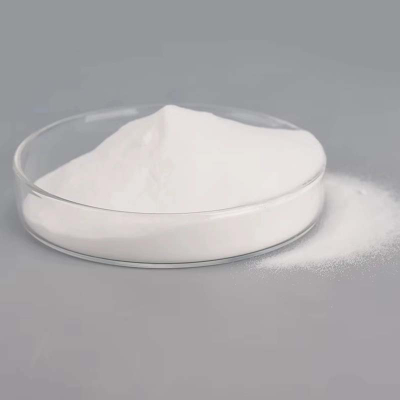
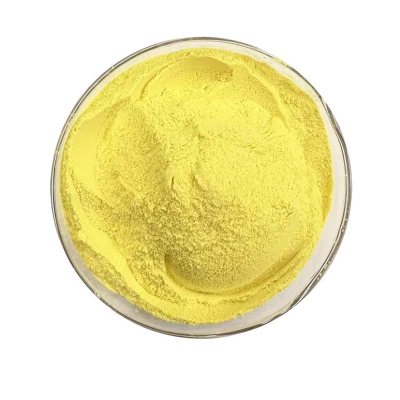
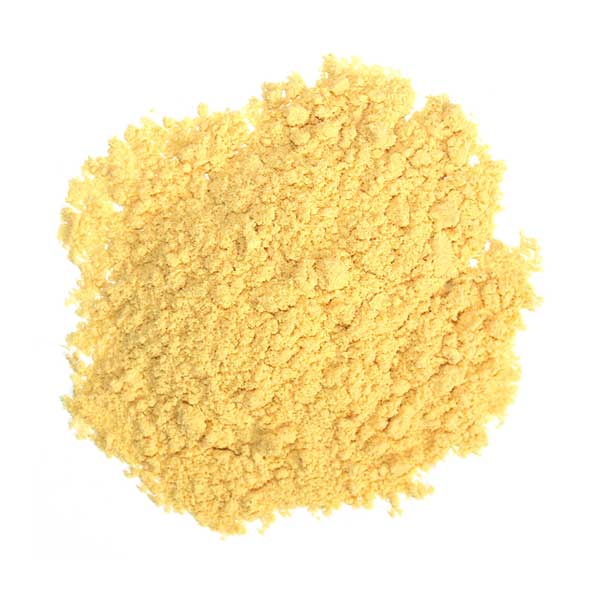
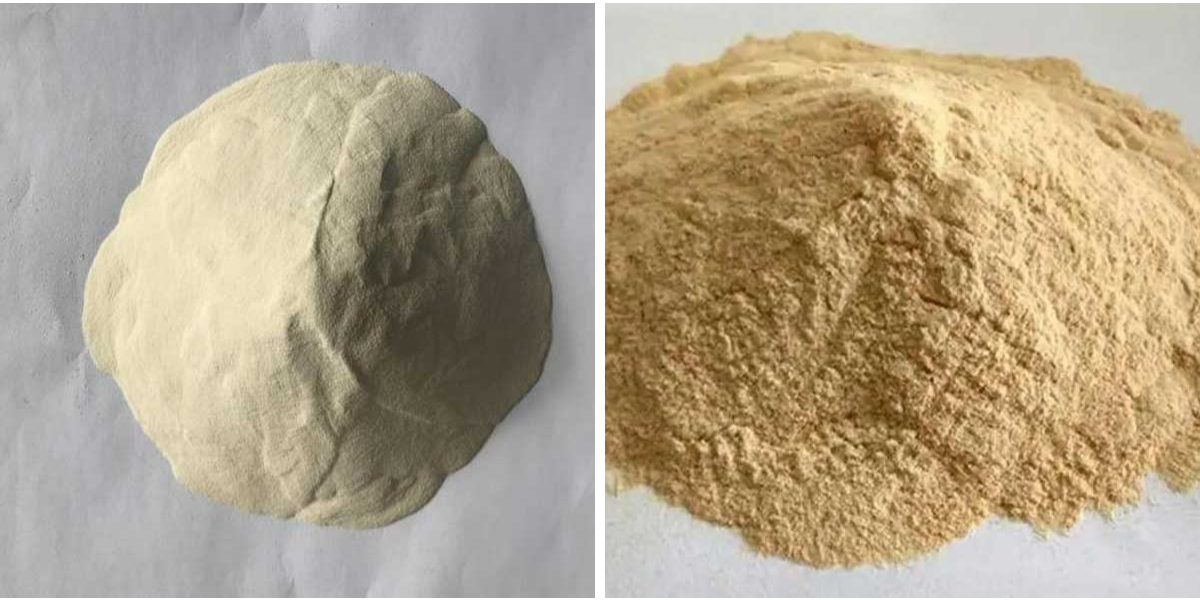
| Color: | It is a light brownish-yellow powder. |
| Solubility: | It is soluble in water and can be miscible with methanol, ethanol, isopropanol and acetone. Xanthan gum does not dissolve in most organic solvents. |
| Storage temperature: | Keep it tightly closed in a cool place or in a tightly sealed container. |
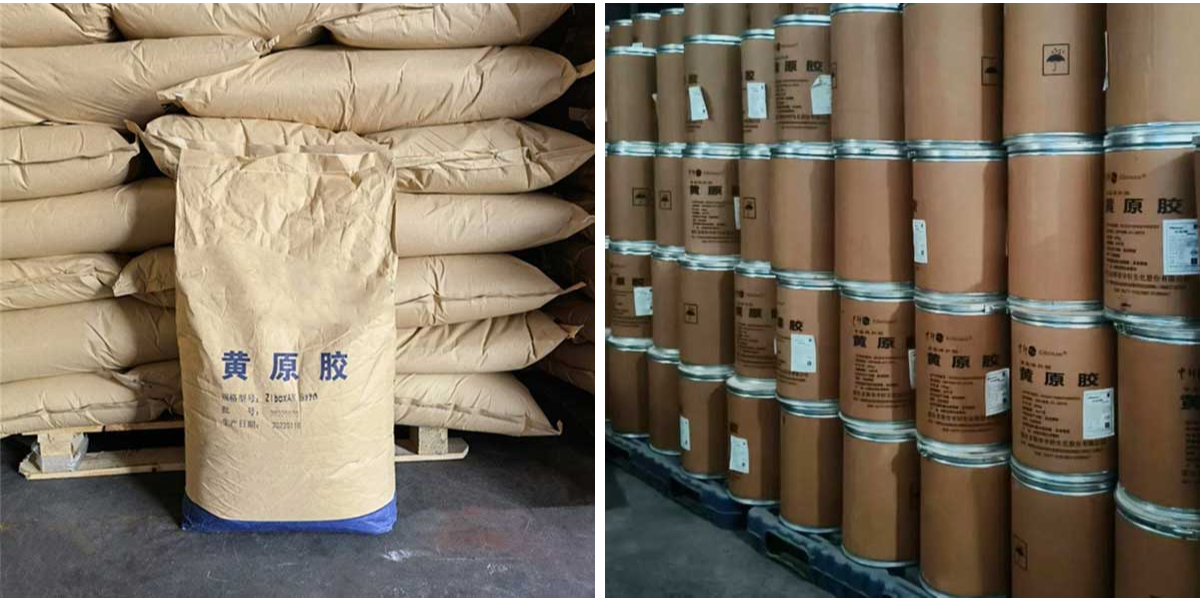
Physical properties:
Milky white to light brown powder. It dissolves in water at room temperature to form a translucent viscous liquid, but does not dissolve in organic solvents such as ethanol, isopropanol, and acetone. The aqueous solution of xanthan gum has good viscosity-enhancing properties and is quite stable within the range of -4 to 80℃. When the concentration of ethanol, isopropanol, or acetone in the water exceeds 50% to 60%, the xanthan gum will precipitate. It has strong resistance to acid and alkali and to enzymatic degradation. It is a natural polymer compound. The oral LD50 of xanthan gum in rats is > 10g/kg, and the ADI does not require special regulations (FAO/WHO, 1994).
Stability:
Xanthan gum is a bio-polymer produced through biotechnology using corn starch by the wild oilseed Rhizobium bacterium of black rot of cabbage. It is a bio-polysaccharide composed of glucose, mannose, glucuronic acid, acetic acid and pyruvic acid.
The molecular structure of xanthan gum determines that it possesses properties that no other polymer can match:
1. High viscosity at low concentrations;
2. Good flow thixotropy or pseudoplasticity;
3. Resistance to acids, alkalis, salts, oxidation, and enzymolysis;
4. Resistance to temperature, remaining stable after several freeze-thaw cycles, and remaining stable at high temperatures;
5. Good compatibility with acids, alkalis, salts, reducing agents, surfactants, preservatives, natural or synthetic thickening agents in the same solution system;
6. Good dispersion, emulsification stability, and ability to suspend particles and oil droplets.
Application:
Widely used in various industries such as food processing, oil drilling and extraction, pesticides, seeds, coating, feed, daily chemicals, textile printing and dyeing, papermaking, tobacco, casting, firefighting, and many others.