

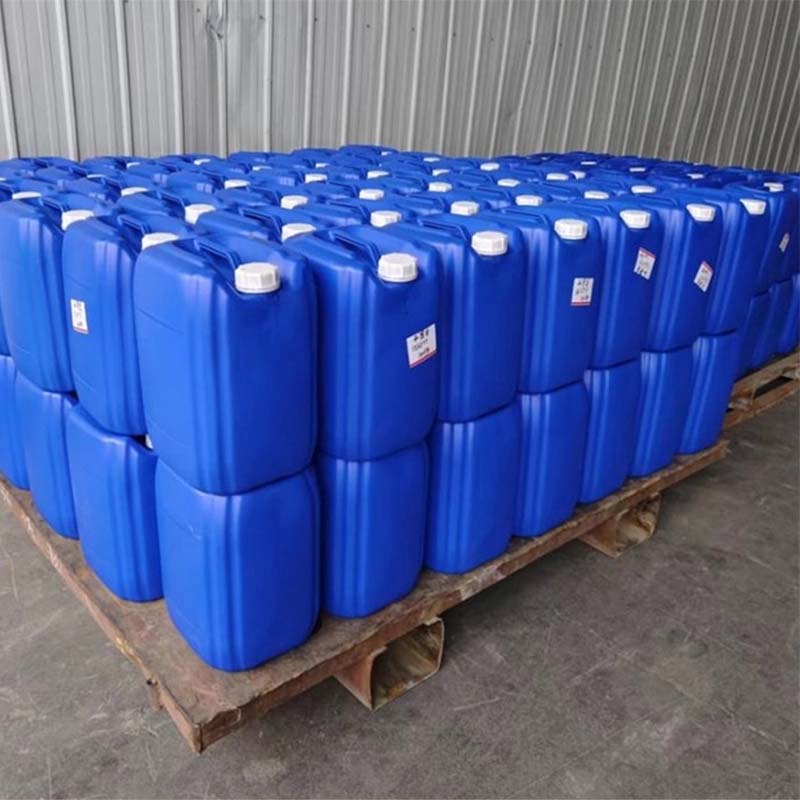
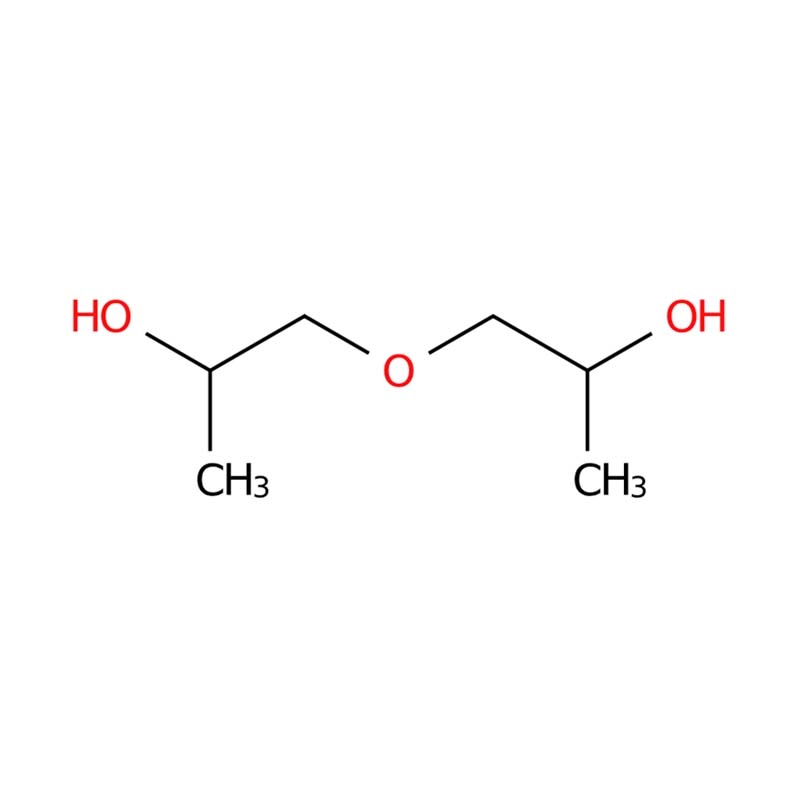
1,1'-Oxydi-2-propanol
Excellent Solvent: Effectively dissolves water, oils, and hydrocarbons, offering broad utility in fragrances and cosmetic products.
Mild Odor: Nearly odorless, making it especially suitable for delicate applications such as perfumes and skincare formulations.
Low Toxicity and Irritation: Exhibits minimal skin irritation and low systemic toxicity, ensuring safety in topical applications.
Effective Moisturizer: Functions as both a coupling agent and moisturizing ingredient, enhancing product performance in diverse cosmetic formulations.
1. Product Overview
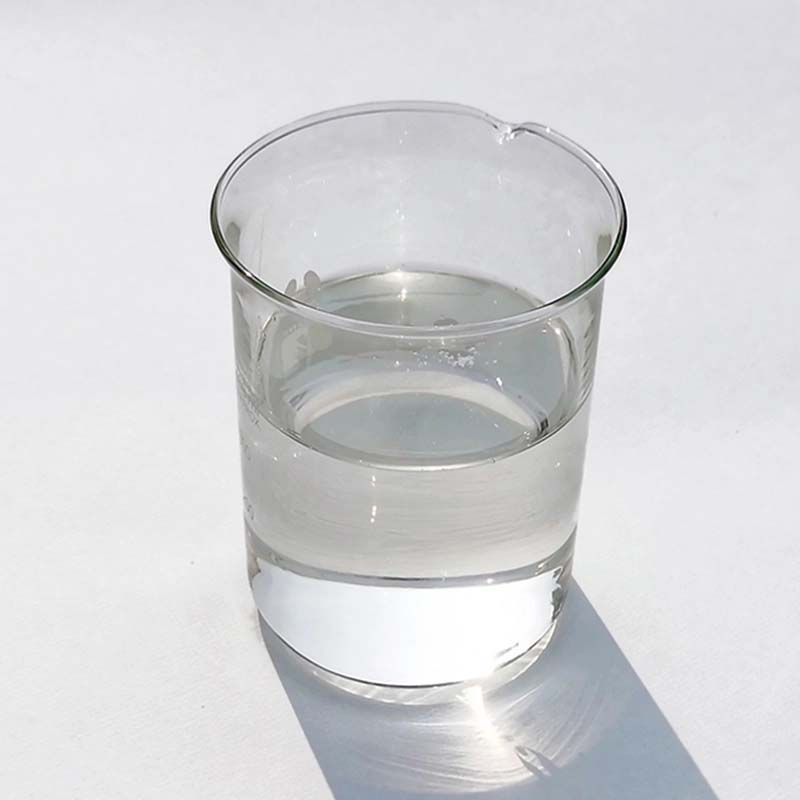
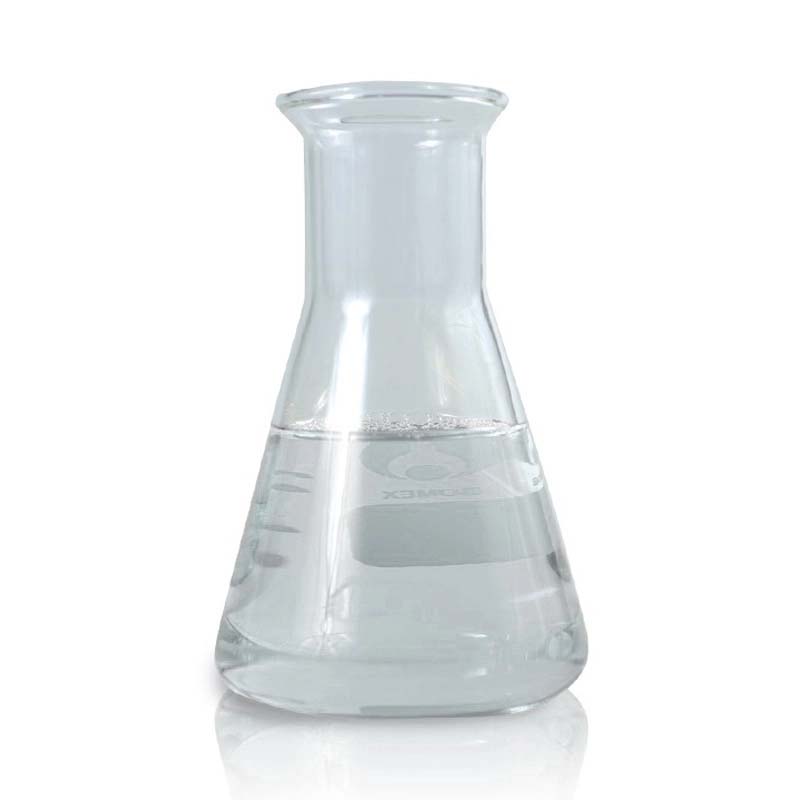
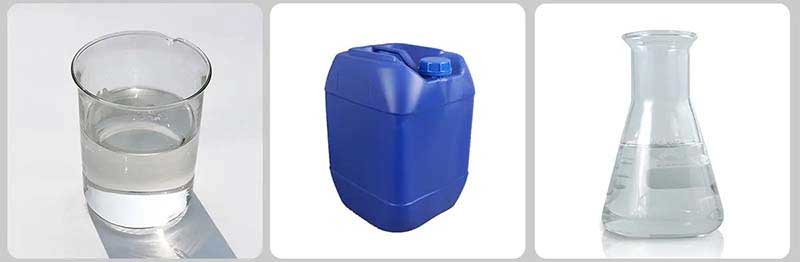
1,1'-Oxydi-2-propanol, commonly known as Dipropylene Glycol (DPG) , is a colorless, slightly viscous, and nearly odorless liquid belonging to the glycol ether family . With the chemical formula C₆H₁₄O₃ and CAS number 110-98-5, this compound is characterized by its two hydroxyl groups (-OH) and an ether linkage, making it a versatile diol with excellent solvent properties .
Chemically, it is also known by several synonyms including bis(2-hydroxypropyl) ether, 1,1'-oxybis-2-propanol, 4-oxaheptane-2,6-diol, and 1-(2-hydroxypropoxy)propan-2-ol . Its molecular weight is 134.17 g/mol .
Dipropylene glycol exists as a mixture of isomers due to the two chiral centers in its structure, resulting in undefined stereochemistry . It exhibits hygroscopic properties and is completely miscible with water and many organic solvents . Due to its favorable toxicological profile—minimal skin irritation and very low toxicity—it is widely accepted in applications ranging from cosmetics and fragrances to industrial resins and plasticizers .2. Key Features
Excellent Solvent Power — Exhibits outstanding solvency for a wide range of materials including cellulose acetate, nitrocellulose, shellac, castor oil, and various resins, making it an ideal solvent and coupling agent .
Mild Odor & Low Irritation — Nearly odorless with minimal skin irritation and very low toxicity, making it particularly suitable for sensitive applications in fragrances, cosmetics, and personal care products .
Complete Water & Organic Solubility — Miscible with water, methanol, ether, toluene, and many hydrocarbons, offering exceptional formulation flexibility across aqueous and non-aqueous systems .
Hygroscopic & Humectant Properties — Readily absorbs and retains moisture from the air, functioning effectively as a humectant and moisturizer in cosmetic and personal care formulations .
Chemical Stability — Stable under normal storage conditions with a high boiling point (232.8 °C) and high flash point (137.7 °C / 280 °F), reducing fire risk during processing and storage .
Multi-Industry Versatility — Serves diverse roles: solvent in coatings and inks, coupling agent in cleaners, humectant in cosmetics, intermediate in resin synthesis, and plasticizer in polymers .
Excellent Weathering Properties — When used in unsaturated polyester and alkyd resins, imparts superior flexibility, crack resistance, and long-term yellowing resistance to finished products .
3. Technical Specifications with Explanations
| Parameter | Typical Value | Description & Significance |
|---|---|---|
| Molecular Formula | C₆H₁₄O₃ | Diol structure with ether linkage; two hydroxyl groups provide reactivity and hydrogen bonding capacity . |
| Molecular Weight | 134.17 g/mol | Used for stoichiometric calculations in polymer synthesis and formulation . |
| CAS Number | 110-98-5 | Primary chemical registry identifier . |
| EINECS Number | 203-821-4 | European inventory identifier . |
| Appearance | Colorless, slightly viscous liquid | Visual quality indicator; should be clear and free from suspended matter . |
| Odor | Nearly odorless | Critical for fragrance and cosmetic applications where product scent must not be masked . |
| Purity | ≥99.0% – 99.9% (Industrial/Grade) | Core specification. Higher purity minimizes impurities that could affect polymerization or cause discoloration in end products . |
| Water Content (Moisture) | ≤0.05% – 0.2% | Critical quality parameter. Low moisture ensures stability in moisture-sensitive applications (polyurethane systems, electronics) . |
| Boiling Point | 232.8 °C (760 mmHg) 229–233 °C range reported | High boiling point enables use in high-temperature processes and reduces evaporation losses during handling . |
| Melting Point | < -40 °C | Remains liquid even in extremely cold environments, facilitating storage and handling without heating requirements . |
| Flash Point | 137.7 °C (open cup) 138 °C reported | High flash point indicates low fire risk during storage, transport, and processing . |
| Density | 1.0252 g/mL at 20°C/20°C Approximately 8.5 lb/gal | Slightly heavier than water; used for volume-to-weight conversions and formulation calculations . |
| Vapor Pressure | 0.03 mm Hg at 25°C | Very low volatility reduces worker inhalation exposure and evaporative losses . |
| Vapor Density | 4.63 (Air = 1) | Heavier than air; vapors may accumulate in low-lying areas . |
| Viscosity | 1.07 cP at 20°C | Low viscosity facilitates pumping, mixing, and spray applications . |
| Solubility | Water solubility: ~100 g/L (miscible in all proportions) Organic solvents: Miscible with methanol, ethanol, ether, toluene, acetone | Complete water miscibility and broad organic solubility enable formulation in diverse systems . |
| Refractive Index | 1.439 at 25°C | Optical property used for quality control and purity verification . |
| Acidity | ≤0.02% (as acetic acid) | Low acidity prevents corrosion and unwanted side reactions in sensitive applications . |
| Sulfate Content | ≤0.01% (none detected in high purity grades) | Indicates purity from sulfonation byproducts . |
| Residue on Ignition | ≤0.007% | Measures non-volatile inorganic impurities . |
| Color (APHA) | ≤5 (Platinum-Cobalt scale) | Extremely low color value essential for clear, colorless end products (cosmetics, coatings) . |
| Coefficient of Expansion | 0.00073/K at 20°C | Used for volume correction at different temperatures during bulk storage and transport . |
4. Applications
Cosmetics & Personal Care
Fragrance Solvent & Carrier — The most widely used solvent in perfumery (>50% of fine fragrances) due to its nearly odorless nature, excellent co-solvency with essential oils, and skin-friendly profile .
Skin Care Products — Functions as humectant and moisturizer in face creams, hand lotions, body washes, shower gels, and lip balms (typically ≤10% formulation) .
Hair Care — Used in conditioners, styling products, and hair treatments for moisturizing properties .
Deodorants & Antiperspirants — Serves as solvent and coupling agent in clear gel formulations .
Cold Creams & Cleansers — Provides emollient properties and enhances spreadability .
Paints, Coatings & Inks
Solvent for Cellulosic Polymers — Excellent solvent for cellulose acetate, nitrocellulose, and shellac in lacquers, wood coatings, and printing inks .
Coalescing Agent — Aids film formation in water-based architectural and industrial coatings.
Paint Removers — Component in stripper formulations due to high solvency.
Dyes & Pigments — Solvent and dispersant in dye and pigment preparations .
Plastics & Resin Synthesis
Unsaturated Polyester Resins (UPR) — Used in resin production, imparting superior flexibility, crack resistance, and weather resistance to finished composites (boats, automotive parts, construction panels) .
Alkyd Resins — Modifier in alkyd coatings for improved flexibility and durability .
Polyurethane Systems — Reactive diluent and chain extender in PU elastomers, foams, and adhesives.
Plasticizers — Intermediate in plasticizer production for flexible PVC and other polymers .
Industrial & Specialty Chemicals
Hydraulic Brake Fluids — Component in DOT 3 and DOT 4 brake fluids due to high boiling point and water compatibility .
Cutting Fluids & Metalworking Lubricants — Provides cooling, lubrication, and corrosion inhibition .
Extracting Agent — Used in liquid-liquid extraction processes for aromatic hydrocarbons .
Fumigants — Component in agricultural fumigant formulations .
Synthetic Detergents — Intermediate in surfactant production .
Household & Industrial Cleaning
Coupling Agent — Enhances compatibility between water and organic phases in all-purpose cleaners, degreasers, and hard surface cleaners.
Paint Strippers — Component in industrial and consumer-grade remover formulations.
Fragrance & Flavor Industry
Fixative — Slows evaporation rate of volatile fragrance notes, extending scent longevity.
Diluent — Safe, odorless carrier for concentrated fragrance oils.
5. Product Grade Comparison
| Parameter/Grade | Industrial Grade | Technical Grade | High Purity Grade (Cosmetic/Fragrance) | USP Grade |
|---|---|---|---|---|
| Purity | ≥99.0% | ≥99.0% | ≥99.5% – 99.9% | Meets USP specifications |
| Water Content | ≤0.2% | ≤0.1% | ≤0.05% | ≤0.2% |
| Color (APHA) | ≤20 | ≤15 | ≤5 – 10 | ≤15 |
| Odor | Mild | Mild | Nearly odorless | Nearly odorless |
| Isomer Distribution | Standard mixture | Standard mixture | Controlled, consistent | Standard mixture |
| Acidity | ≤0.02% | ≤0.02% | ≤0.01% | ≤0.02% |
| Residue on Ignition | ≤0.01% | ≤0.01% | ≤0.007% | ≤0.01% |
| Heavy Metals | ≤5 ppm | ≤5 ppm | ≤1 ppm | ≤5 ppm |
| Primary Applications | Unsaturated polyester resins, alkyd resins, industrial solvents, plasticizers | Industrial cleaners, paints, coatings, brake fluids | Fragrances, cosmetics, personal care, pharmaceutical intermediates | Pharmaceutical excipients, food contact applications |
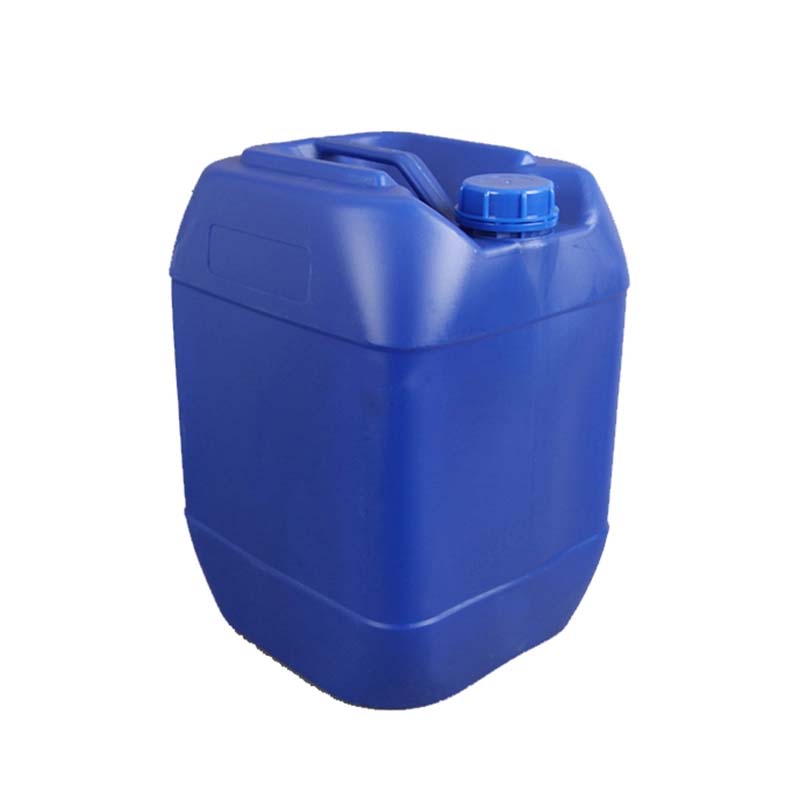
| Packaging | 215 kg drum, 17.2 MT ISO tank, 20 MT flexitank | 215 kg drum, 1000 kg IBC, bulk | 215 kg drum (nitrogen blanketed), 20 kg pail | 215 kg drum, 20 kg pail |
| Typical Price Position | Reference | +5–10% | +15–30% | +20–25% |
6. Purchasing & Selection Guide
Select by Application & Quality Requirements
Industrial Grade (≥99.0%) — Recommended for:
Unsaturated polyester and alkyd resin manufacturing
Industrial solvent applications
Plasticizer production
Applications where slight odor and color are acceptable
Technical Grade (≥99.0%, tighter specs) — Suitable for:
Paints, coatings, and printing inks
Industrial and household cleaners
Hydraulic brake fluids
Metalworking fluids
High Purity Grade (≥99.5–99.9%, low odor/color) — Essential for:
Fine fragrances and perfumery — Must be nearly odorless to avoid altering scent profiles
Cosmetics and personal care products — Face creams, lotions, body washes, lip care
Pharmaceutical intermediates
Premium consumer products requiring exceptional purity
USP Grade — Required for:
Pharmaceutical excipients
Food contact applications
Applications requiring pharmacopoeia compliance
Packaging & Logistics Considerations
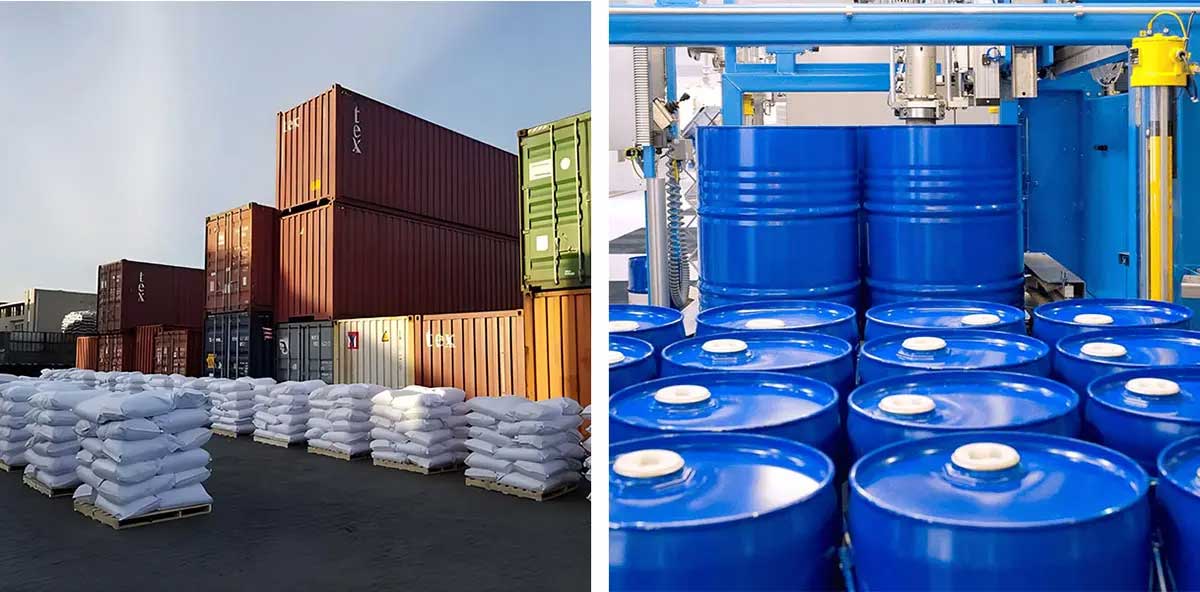
Standard Packaging: 215 kg (approximately 475 lb) steel drums
Bulk Options: 1000 kg IBC totes, 17.2–20 MT ISO tanks, flexitanks
Special Handling: High purity grades may require nitrogen blanketing and moisture-proof packaging
Storage: Store in tightly sealed containers in cool, dry, well-ventilated area away from direct sunlight and oxidizing agents
Shelf Life: Minimum 24 months when stored properly
Regulatory & Compliance Considerations
Verify applicable regulations: REACH (EU), TSCA (US), IECSC (China), etc.
Cosmetic grades should comply with regional cosmetic ingredient standards (EU Cosmetic Regulation, FDA, China Cosmetics Supervision and Administration Regulation)
USP grade required for pharmaceutical and certain food contact applications
Not classified as hazardous for transport (non-DG) under most regulations
7. Frequently Asked Questions (FAQ)
Q: What is the difference between dipropylene glycol (DPG) and propylene glycol?
A: Propylene glycol (PG) is C₃H₈O₂ (molecular weight 76.09), while dipropylene glycol (DPG) is C₆H₁₄O₃ (molecular weight 134.17) . DPG is essentially two propylene glycol units linked by an ether bond. Compared to PG, DPG has higher boiling point (232°C vs. 188°C), lower volatility, and is more lipophilic, making it a better solvent for oils and fragrances. Both are used in cosmetics, but DPG is preferred in perfumery for its slower evaporation and superior oil solubility .
Q: Is dipropylene glycol safe for use in cosmetics and fragrances?
A: Yes, dipropylene glycol has an excellent safety profile. It exhibits very low acute toxicity, minimal skin irritation, and no significant sensitization potential . It is approved for use in cosmetics and fragrances worldwide by regulatory bodies including the US FDA, EU Scientific Committee on Consumer Safety (SCCS), and Japan's MHW. It has been used safely in personal care products for decades .
Q: Why is dipropylene glycol the preferred solvent in fine fragrances?
A: DPG is preferred for several reasons: (1) it is nearly odorless and does not interfere with the fragrance's scent profile ; (2) it has excellent solvency for a wide range of aromatic materials and essential oils ; (3) its low volatility ensures it doesn't evaporate too quickly, allowing the fragrance to develop properly on skin; (4) it has a favorable toxicological profile with minimal skin irritation ; and (5) it acts as a fixative, helping to slow the evaporation of more volatile top notes.
Q: How should dipropylene glycol be stored?
A: Store in tightly sealed containers in a cool, dry, well-ventilated area away from direct sunlight, heat sources, and incompatible materials (strong oxidizing agents) . Due to its hygroscopic nature, containers should be kept tightly closed to minimize moisture absorption. Recommended storage temperature is ambient (room temperature). Under proper conditions, shelf life is typically at least 24 months .
Q: What is the difference between the various isomers of dipropylene glycol?
A: Dipropylene glycol exists as a mixture of isomers due to the two chiral centers in its molecular structure . The production process (from propylene glycol and propylene oxide) yields a distribution of isomers including α-α, α-β, and β-β forms. This isomer distribution can affect physical properties slightly (viscosity, solvency) and may be controlled by manufacturers for specific applications. High purity grades often specify a consistent isomer profile for predictable performance.
Q: Can dipropylene glycol be used in water-based systems?
A: Absolutely. DPG is completely miscible with water in all proportions . This makes it an excellent coupling agent in water-based formulations, helping to incorporate hydrophobic ingredients into aqueous systems. It is widely used in water-based paints, coatings, cleaners, and cosmetic lotions precisely because of its dual water/oil solubility.
Q: What is the flash point of dipropylene glycol, and is it flammable?
A: The flash point of DPG is approximately 137.7°C (280°F) . This is considered high, meaning DPG does not pose a significant fire hazard under normal storage and handling conditions. It is not classified as a flammable liquid by most regulatory criteria. However, like all organic materials, it will burn if heated sufficiently above its flash point .
Q: How is dipropylene glycol produced?
A: DPG is produced by the condensation of two molecules of 1,2-propylene glycol or by the reaction of propylene glycol with propylene oxide in the presence of an acid catalyst (typically 85% sulfuric acid). The reaction mixture is then neutralized (with sodium hydroxide), filtered, and purified by vacuum distillation followed by atmospheric distillation to collect the 229–233°C fraction .
8. Delivery, Certification & Service
Delivery Capabilities
Global Inventory: Stock available in regional warehouses
Sample Program: 1 kg samples available for qualification prior to bulk orders
Small Quantities: 1 kg, 5 kg, 25 kg packaging for R&D and small-scale production
Bulk Quantities:
215 kg (475 lb) steel drums
1000 kg IBC totes
17.2–20 MT ISO tanks and flexitanks for full container loads
Lead Times: Samples: 1–3 days; Drums/IBCs: 3–7 days; Bulk: 2–4 weeks depending on destination
Shipping: Not classified as dangerous goods (non-DG/non-hazardous) for most transport modes, simplifying logistics
Quality Certifications
ISO 9001:2015 certified manufacturing facilities
Certificate of Analysis (COA) provided with each batch, documenting:
Purity (GC analysis)
Water content (Karl Fischer)
Color (APHA)
Specific gravity
Acidity
Residue on ignition
Distillation range
Third-party certifications available upon request (SGS, BV, etc.)
USP compliance documentation available for pharmaceutical grades
Regulatory documentation: REACH, TSCA, IECSC, K-REACH, etc. upon request
Safety Data Sheet (SDS) available in multiple languages
FDA statements for food contact applications upon request
Technical Support & Services
Application Specialists: Technical team available for formulation assistance, solvent selection guidance, and troubleshooting
Custom Packaging: Options available for volume customers (private labeling, specialized container sizes)
Regulatory Support: Assistance with import documentation, customs clearance, and end-use declarations
Stability Data: Long-term stability studies available upon request
Blending Services: Custom blends with other glycols or solvents for volume customers
Documentation Available
Certificate of Analysis (batch-specific)
Safety Data Sheet (SDS/MSDS)
Technical Data Sheet (TDS)
Regulatory compliance statements
Pharmaceutical/ USP documentation
Food contact statements
Import/export documentation support