

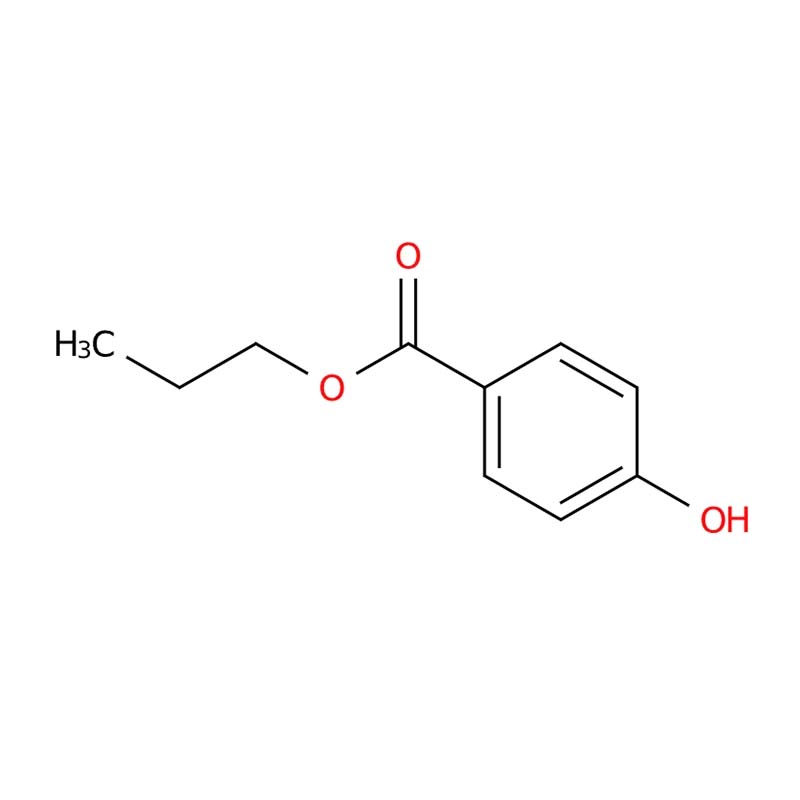
Propylparaben
Effective Preservation: Nonylphenol propionate acts as an efficient preservative by inhibiting the growth of harmful microorganisms, thereby extending the shelf life of products in various industrial sectors.
Broad Applicability: It is widely employed as a preservative in food, cosmetics, pharmaceuticals, and animal feed, helping to maintain product safety and quality across diverse applications.
High Chemical Stability: The compound remains stable under various environmental conditions, ensuring consistent performance and reliability as a preservative.
Strong Antibacterial Activity: With notable antibacterial effects, it serves as a critical component in protecting commercial and industrial products from microbial contamination.
1. Product Overview
Propylparaben (also known as propyl paraben, propyl 4-hydroxybenzoate, or E216) is a widely used broad-spectrum antimicrobial preservative belonging to the paraben family (esters of p-hydroxybenzoic acid). As a key member of this family, it occupies a central position in the food, pharmaceutical, cosmetic, and personal care industries due to its excellent antimicrobial activity and favorable safety profile.
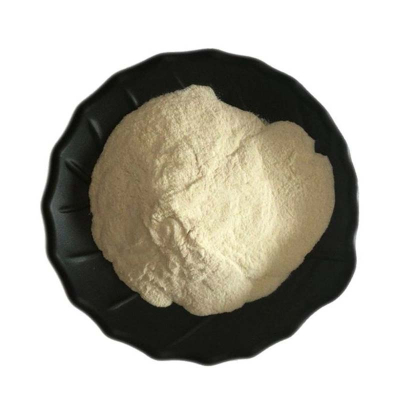
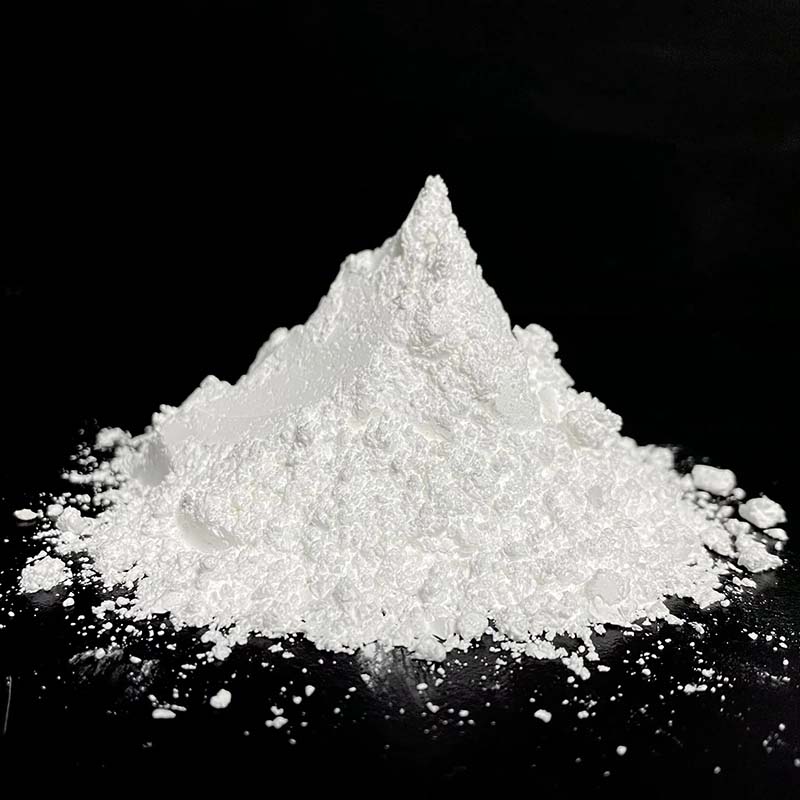
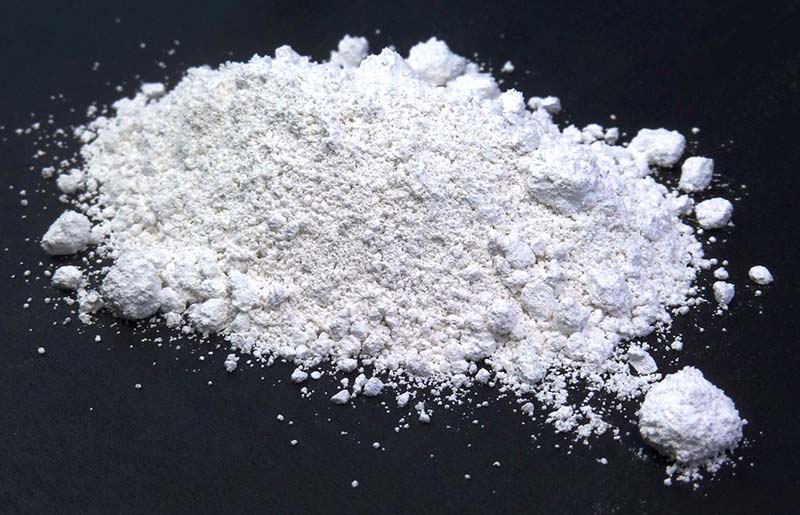
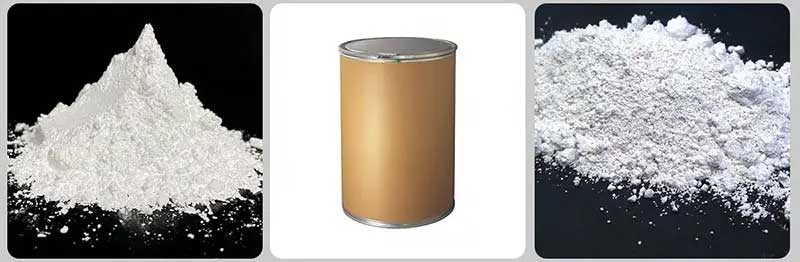
Its chemical formula is C₁₀H₁₂O₃ with CAS number 94-13-3 and molecular weight of approximately 180.20 g/mol. The product appears as a white crystalline powder, practically odorless with a slight burning taste.
Propylparaben exhibits superior antimicrobial activity compared to methylparaben and ethylparaben, with particularly excellent effectiveness against molds and yeasts. Its mechanism of action involves disrupting microbial cell membranes and inhibiting respiratory enzyme systems. Due to its phenolic hydroxyl structure, it remains stable and effective across a broad pH range (pH 4-8).
2. Key Features
Broad-Spectrum Antimicrobial Efficacy — Exhibits significant inhibitory effects against most Gram-positive and Gram-negative bacteria, molds, and yeasts. Antimicrobial activity increases with alkyl chain length, making propylparaben more effective than methyl- and ethylparaben.
Excellent Stability — Remains stable in acidic and weakly alkaline environments (pH 4-8). Good heat resistance allows sterilization at 100°C without decomposition, suitable for various processing conditions.
Low Toxicity & High Safety Profile — Globally recognized as safe, with low acute toxicity (LD50 oral mouse: 3.7 g/kg), minimal skin irritation, and low sensitization potential.
Synergistic Combinations — Frequently combined with methylparaben, ethylparaben, or butylparaben. These synergistic blends significantly enhance overall preservative efficacy while reducing individual component concentrations.
Multi-Industry Regulatory Compliance — Meets multiple international standards including FCC (Food Chemical Codex), USP/NF (United States Pharmacopeia/National Formulary), BP (British Pharmacopoeia), and PhEur (European Pharmacopoeia).
Potential Natural Origin — Beyond chemical synthesis, propylparaben occurs naturally in certain plants and bacteria, addressing some "natural source" market preferences.
3. Technical Specifications with Explanations
| Parameter | Typical Value/Specification | Description & Significance |
|---|---|---|
| Molecular Formula | C₁₀H₁₂O₃ | Core identifier for chemical structure. |
| Molecular Weight | Approximately 180.20 g/mol | Used for quantitative analysis and formulation calculations. |
| CAS Number | 94-13-3 | Universal chemical substance identifier. |
| Appearance | White crystalline powder | Visual quality indicator. Should be uniform white, free from lumps or visible impurities. |
| Assay (Purity) | 99.0% - 100.5% (FCC/USP grade) | Core specification. High content ensures reliable and accurate preservative efficacy. |
| Melting Range | 95.0°C - 98.0°C | Characteristic physical constant for preliminary purity verification. Narrow range indicates high purity. |
| Loss on Drying | ≤ 0.5% | Measures total moisture and volatile content. Low moisture critical for stability and accurate weighing. |
| Residue on Ignition (Sulfated Ash) | ≤ 0.05% | Represents inorganic impurity content (metal salts). Low value indicates high purity. |
| Heavy Metals | ≤ 10 ppm | Critical safety parameter ensuring compliance with food and cosmetic regulations. |
| Acidity | ≤ 0.1 ml NaOH 0.1N | Controls free acid content, ensuring product stability. |
| Related Substances | Individual impurities ≤ 0.5% | Characterizes byproducts from synthesis; important purity indicator. |
| Solubility | Practically insoluble in cold water, slightly soluble in hot water, freely soluble in ethanol, ether, acetone, and other organic solvents | Critical for formulation design. Typically requires pre-dissolution in organic solvents (ethanol, propylene glycol) before incorporation into aqueous systems. |
4. Applications
Pharmaceutical Industry
Pharmaceutical Excipient — Widely used as a preservative in oral liquid preparations (syrups, suspensions), topical formulations (ointments, creams), ophthalmic solutions, and capsule shells to prevent microbial contamination.
Vaccines & Biologics — Preservative component in multi-dose vaccine formulations.
Cosmetics & Personal Care
Primary Preservative — Propylparaben is one of the most widely used preservatives in cosmetics, with recommended usage typically 0.1% - 1.0%. Common applications include:
Skin Care: Face creams, lotions, cleansers, toners, masks
Hair Care: Shampoos, conditioners, styling products
Color Cosmetics: Liquid foundations, concealers, lipsticks, eye shadows, mascaras, eyeliners
Oral Care: Toothpastes, mouthwashes
Combination Advantage — Frequently combined with methylparaben, ethylparaben, or phenoxyethanol to enhance efficacy against Gram-negative bacteria (e.g., Pseudomonas aeruginosa).
Food Industry
Food Preservative — Historically used in soy sauce, pickles, jams, beverages, and baked goods to inhibit mold and yeast growth.
Important Note: Regulatory status varies by region. In some jurisdictions (e.g., China, GB 2760), propylparaben is no longer permitted in food applications. Always verify current local regulations.
Industrial Applications
Coatings & Adhesives — In-can preservative for water-based paints, adhesives, and emulsion polymers to prevent spoilage during storage.
Textiles & Leather — Antimicrobial finishing agent for mold prevention in textiles and leather goods.
Animal Feed — Preservative in animal feed to prevent mold growth and extend shelf life.
5. Product Grade Comparison
| Parameter/Grade | FCC Grade (Food Grade) | USP/NF Grade (Pharmaceutical Grade) | Cosmetic Grade | High Purity/Analytical Standard |
|---|---|---|---|---|
| Core Standard | Meets Food Chemical Codex | Meets USP/NF requirements | Meets cosmetic ingredient standards (INCI) | Purity ≥99.5% (HPLC) |
| Assay (Content) | 99.0% - 100.5% | 98.0% - 102.0% | ≥99.0% | ≥99.5% |
| Melting Range | 95-98°C | 96-99°C | 95-98°C | 96-98°C |
| Critical Parameters | Heavy metals (Pb, As, Hg) | Related substances, residue on ignition, loss on drying | Color, odor, microbial limits | Exact content for HPLC quantification |
| Primary Applications | Food additives, beverages, nutritional supplements | Pharmaceutical preparations, pharmaceutical excipients | Skin care, color cosmetics, hair care, oral care | Analytical testing, standard curves, quality control |
| Packaging | 5 kg, 25 kg food-grade packaging | 1 kg, 5 kg, 25 kg, 50 kg drums | 1 kg, 5 kg, 20 kg, 25 kg drums | 100 mg, 1 g vials |
6. Purchasing & Selection Guide
Select by Application Area
Pharmaceutical Manufacturers — Choose USP/NF Grade or products meeting relevant pharmacopoeia standards (BP, PhEur). Require comprehensive pharmaceutical excipient documentation packages (DMF files, etc.) from suppliers.
Cosmetic Manufacturers — Select Cosmetic Grade, paying attention to color, odor, and microbial specifications to ensure no impact on finished product sensory qualities. Recommended to combine with methylparaben or ethylparaben for broader antimicrobial spectrum.
Food Manufacturers — If permitted in your target market, select FCC Grade. Verify current regulatory status in your region before purchasing.
Formulation & Processing Considerations
Propylparaben has low water solubility and cannot be added directly to aqueous phases. Proper usage:
Heat Dissolution: Heat aqueous phase to 70-80°C, add propylparaben with stirring until dissolved, then cool
Pre-dissolution: Pre-dissolve in small amount of organic solvent (ethanol, propylene glycol, glycerol) or oil phase components before adding to water phase with stirring
Avoid insufficient dissolution which can lead to crystallization and preservative failure
Regulatory Compliance Verification
Propylparaben's regulatory status varies globally. In major cosmetic markets (EU, US, Japan), it remains an approved preservative with maximum concentration limits (typically total paraben esters ≤0.4%-0.8%). Always verify current regulations for your product's target market.
7. Frequently Asked Questions (FAQ)
Q: What is the difference between propylparaben and methylparaben?
A: Both are paraben esters differing primarily in alkyl chain length (propyl vs. methyl). Propylparaben has greater lipophilicity and superior efficacy against molds and yeasts, but lower water solubility. Methylparaben has better water solubility and stronger activity against bacteria. They are frequently combined for complementary broad-spectrum antimicrobial activity.
Q: Is propylparaben safe? Why is there controversy about parabens?
A: At approved usage concentrations, propylparaben is considered safe by global scientific and regulatory authorities (US FDA, EU SCCS). Early controversy arose from studies suggesting weak estrogen-like activity in long-chain parabens. However, subsequent comprehensive risk assessments concluded that paraben exposure from daily use is far below levels associated with any known adverse effects, posing no significant health risk.
Q: How do I properly incorporate propylparaben into aqueous formulations?
A: Due to its low cold water solubility, never add directly to water. Recommended methods:
Heat Method: Heat aqueous phase to 70-80°C, add propylparaben with stirring until completely dissolved, then cool
Pre-dissolution Method: Pre-dissolve in a portion of formula solvents (ethanol, propylene glycol, glycerol) or oil phase, then add during emulsification or mixing
Q: Why does my product still grow mold even with propylparaben added?
A: Possible causes include:
Insufficient concentration below minimum inhibitory concentration (MIC)
Inadequate dissolution causing crystallization and reduced effective aqueous concentration
Formulation interference from non-ionic surfactants or solubilizers that complex or adsorb the preservative
Packaging interactions where preservative is absorbed by container materials
High initial bioburden from raw materials or production environment
Conduct preservative efficacy testing (challenge testing) to validate your preservation system.
Q: Can propylparaben be used in natural or organic products?
A: This depends on certification standards. Propylparaben occurs naturally in some plants, but commercial material is typically synthetic. Some "natural" certification bodies may restrict or prohibit parabens. Check specific certification requirements (COSMOS, NATRUE, USDA Organic) for your target market.
8. Delivery, Certification & Service
Delivery Capabilities
Inventory Status: Common sizes (1 kg, 5 kg, 25 kg) available from regional warehouses for rapid dispatch
Sample Program: 100g-500g samples available for research institutions and manufacturers for formulation testing and preservative challenge validation
Packaging Options:
Small quantities: 100g, 500g, 1kg aluminum foil bags or fluorinated bottles
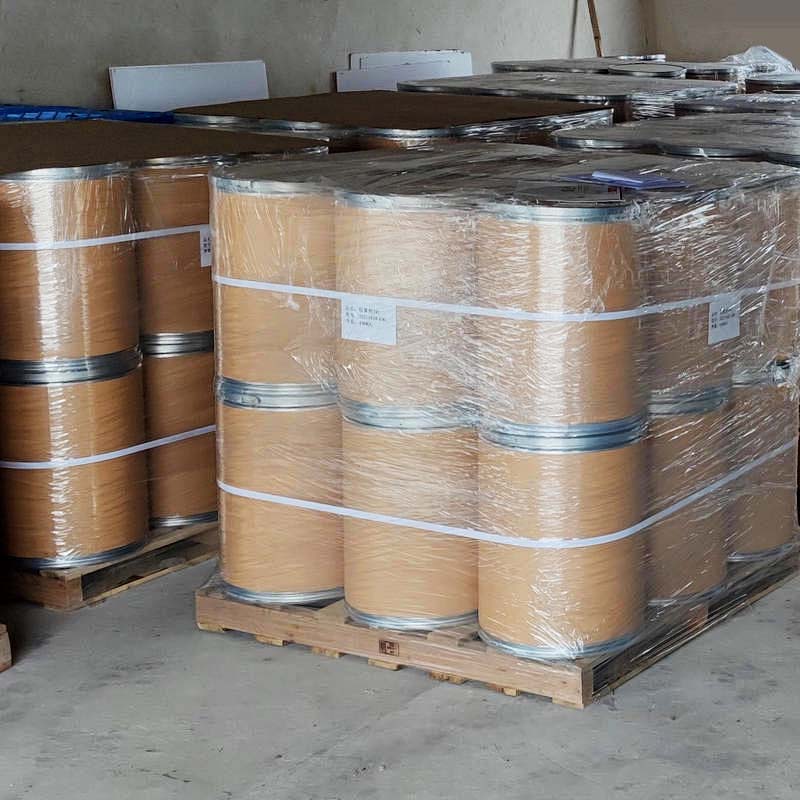
Industrial quantities: 5kg, 20kg, 25kg fiber drums with double polyethylene liners
Custom packaging: Available for volume customers
Shipping: Non-hazardous material; standard freight shipping available (express, LTL, full truckload)

Quality Certifications
ISO 9001:2015 certified manufacturing facilities
Products meet applicable standards: FCC, USP/NF, BP, PhEur
Certificate of Analysis (COA) provided with each batch, documenting appearance, assay, melting range, loss on drying, residue on ignition, heavy metals, and other critical parameters
Safety Data Sheet (SDS) available in multiple languages
Third-party test reports (e.g., SGS) available upon request
Additional documentation: Allergen statements, GMO-free declarations available
Technical Support & Services
Technical Consultation: Application specialist team available for online consultation on dissolution, formulation optimization, preservative challenge testing, and regulatory compliance
Custom Services: Particle size customization, quality specifications, and packaging options available for long-term partnership customers
Regulatory Support: Documentation packages for product registration in target markets
Documentation Available
Certificate of Analysis (COA)
Safety Data Sheet (SDS/MSDS)
Technical Data Sheet (TDS)
Food/Pharmaceutical grade specifications and compliance statements
Allergen declaration
GMO-free declaration