

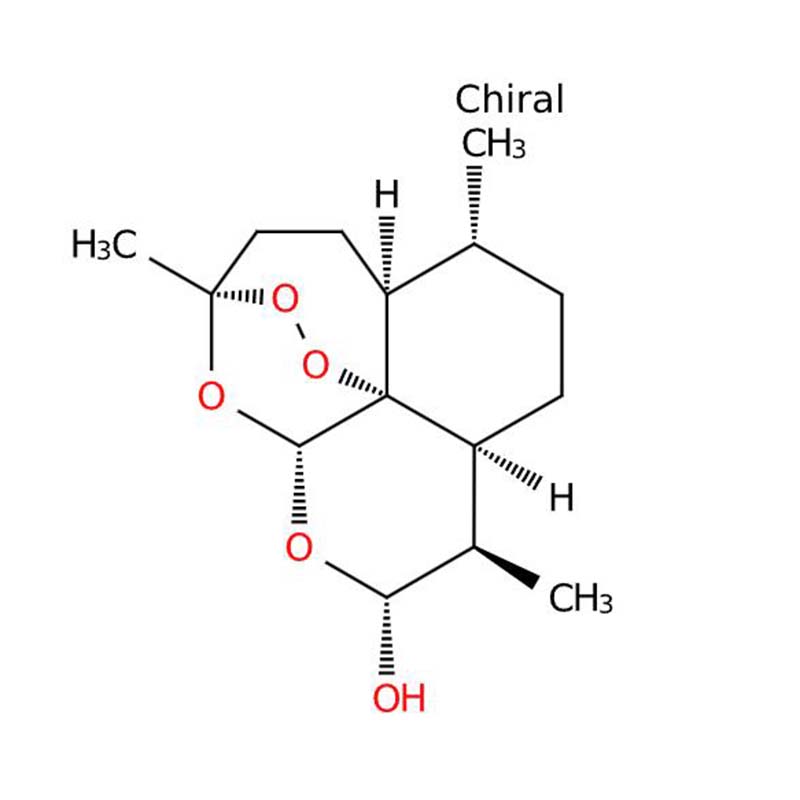
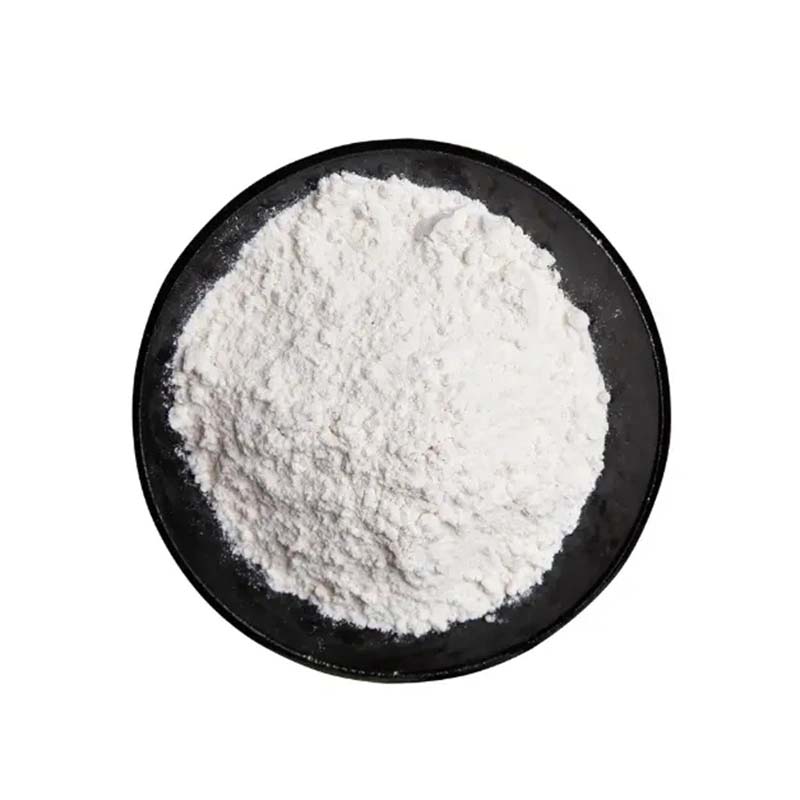
alpha-Dihydroartemisinin CAS :81496-81-3
Antimalarial Activity: This compound possesses robust inhibitory effects on the asexual developmental stages of Plasmodium parasites. It is effective against Plasmodium falciparum strains that have developed resistance to conventional antimalarial agents, including chloroquine and piperaquine.
Oral Absorption Characteristics: The drug features superior absorption efficiency in the gastrointestinal tract after oral intake. Pharmacokinetic data indicate that its peak plasma concentration can be reached at approximately 1.33 hours post oral administration.
Clinical Application Value: It is applicable to the treatment of all forms of malaria infection. Notably, it delivers reliable therapeutic effects for severe and high-risk malaria cases, such as cerebral malaria and extensively drug-resistant malaria variants.
As a potent antimalarial substance, dihydroartemisinin inhibits erythrocytic asexual-stage Plasmodium pathogens, alleviating malarial symptoms and eradicating diverse Plasmodium species in their asexual cycle. It retains inhibitory potency against chloroquine- and piperaquine-tolerant Plasmodium falciparum strains and owns acceptable toxicological safety. Rodent reproductive experiments show prenatal drug exposure could increase fetal resorption risk, yet no teratogenicity has been observed in relevant assays.
Parameters
Melting point | 142-144°C |
Boiling point | 375.6±42.0 °C(Predicted) |
density | 1.24±0.1 g/cm3(Predicted) |
storage temp. | 2-8°C |
solubility | Chloroform (Slightly), DMSO (Slightly), Ethyl Acetate (Slightly), Methanol (Slightly) |
form | Solid |
pka | 12.61±0.70(Predicted) |
color | White to Off-White |
Safety Information | |
alpha-Dihydroartemisinin Usage And Synthesis | |
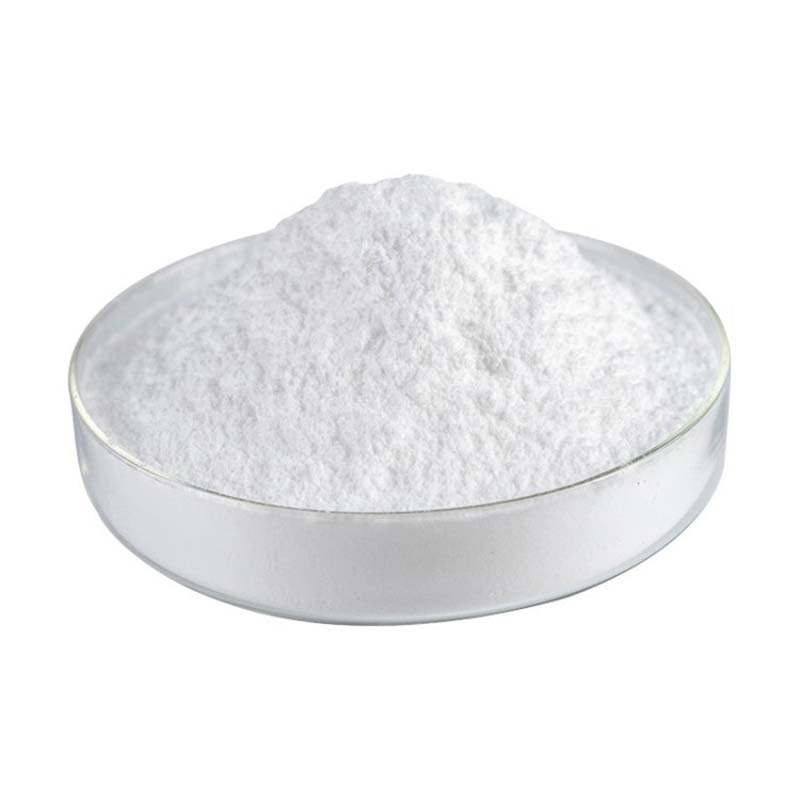
Chemical Properties | White needle like crystal |
Uses | antimalarial, antiinflammatory |
Definition | ChEBI: Dihydroartemisinin (DHA) is an artemisinin derivative. |
target | Antifection |

The oral absorption property of this antimalarial compound is outstanding. After oral dosing of 2 mg/kg, it attains a peak blood level of 0.71 μg/ml at 1.33 hours post-administration. It covers clinical treatment for every malaria subtype and works exceptionally well for emergency rescue of cerebral malaria as well as severe falciparum malaria resistant to chloroquine or piperaquine.