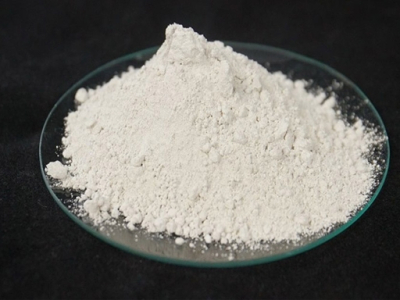


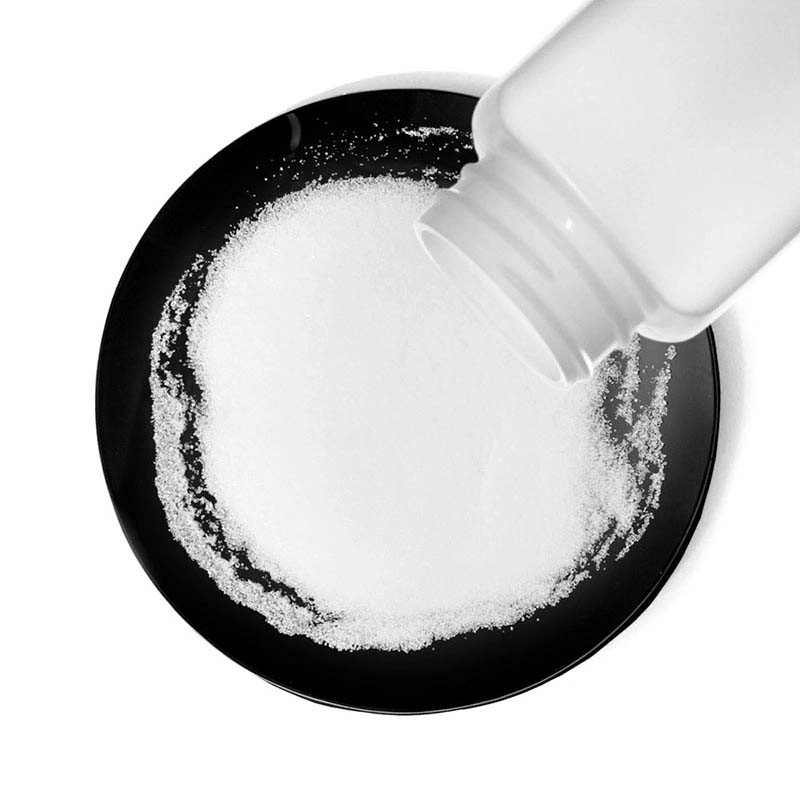
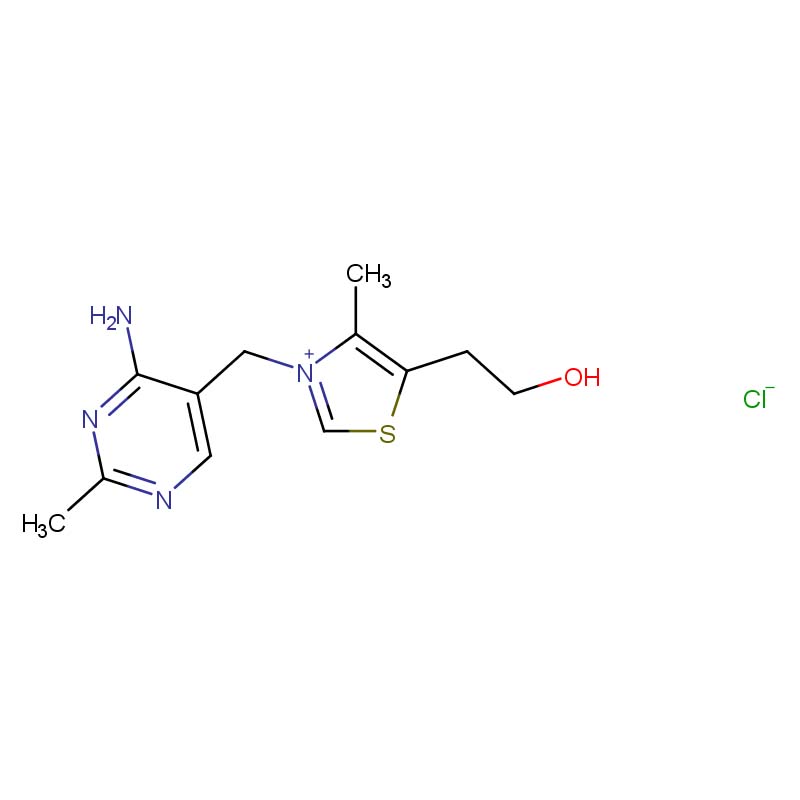
Thiamine chloride CAS:59-43-8
Core Regulator for Carbohydrate Energy Metabolism
Protection for Normal Nervous System Function
Promotion of Healthy Cardiac Circulation
Boosted Gastrointestinal Nutrient Absorption
Vitamin B1, named thiamine (thiamine hydrochloride for its salt form), falls under the essential B-group vitamins. The micronutrient is central to carbohydrate metabolism, and it supports healthy nerve conduction, heart activity and digestive tract function. When phosphorylated by adenosine triphosphate, thiamine transforms into thiamine pyrophosphate, or cocarboxylase — a core coenzyme that participates in all major carbohydrate metabolic cascades.
Melting point | 248 °C (decomp) |
density | 1.3175 (rough estimate) |
refractive index | 1.5630 (estimate) |
storage temp. | Keep in dark place,Inert atmosphere,Room temperature |
solubility | DMSO : 6 mg/mL (19.95 mM) |
form | Solid |
color | White to off-white |
InChI | InChI=1S/C12H17N4OS.ClH/c1-8-11(3-4-17)18-7-16(8)6-10-5-14-9(2)15-12(10)13;/h5,7,17H,3-4,6H2,1-2H3,(H2,13,14,15);1H/q+1;/p-1 |
InChIKey | MYVIATVLJGTBFV-UHFFFAOYSA-M |
SMILES | O([H])CCC1=C(C)[N+](=CS1)CC1C=NC(=NC=1N)C.[Cl-] |
LogP | -3.930 (est) |
CAS DataBase Reference | 59-43-8(CAS DataBase Reference) |
EPA Substance Registry System | Thiamine (59-43-8) |
Safety Information | |
Hazardous Substances Data | 59-43-8(Hazardous Substances Data) |

A shortage of the coenzyme disturbs physiological oxidative metabolism, triggering the overaccumulation of pyruvate and lactate and blocking intracellular energy synthesis. Meanwhile, vitamin B1 can suppress cholinesterase activity. Under thiamine-deficient conditions, enhanced cholinesterase speeds up acetylcholine hydrolysis, weakening neural signal transduction and giving rise to gastrointestinal and cardiac dysfunction.