

Benzyl chloride
Versatile Synthetic Intermediate: Benzyl chloride serves as a key precursor in the synthesis of dyestuffs, pharmaceutical compounds, agrochemical products, and artificial fragrance materials.
Organic Solubility: The compound demonstrates dissolution capability in various organic media including chloroform, ethanol, and diethyl ether, supporting its adaptation to diverse industrial reaction systems.
Volatility Characteristics: Its inherent volatility and capacity for co-distillation with water vapor enable specific applications in separation and purification processes.
Reactive Handling Considerations: While displaying pronounced electrophilic reactivity suitable for organic transformations, the compound requires careful management due to molecular instability and toxicological properties, necessitating implementation of specialized handling protocols.
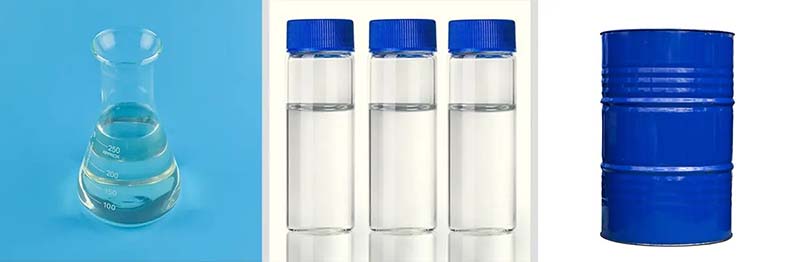
Benzyl chloride (systematic name: α-chlorotoluene) is a colorless transparent liquid possessing a characteristically pungent, irritating odor. This compound demonstrates complete miscibility with organic solvents such as chloroform, ethanol, and diethyl ether, while remaining immiscible with aqueous systems. Its physicochemical properties include significant volatility with capacity for co-distillation alongside water vapor.
Melting point | -39 °C |
Boiling point | 179 °C |
density | 1.1 g/mL at 25 °C(lit.) |
vapor density | 4.36 (vs air) |
vapor pressure | 10.3 mm Hg ( 60 °C) |
refractive index | n20/D 1.538(lit.) |
Fp | 165 °F |
storage temp. | Store below +30°C. |
solubility | soluble0.46g/L at 30°C (Decomposes in contact with water) |
form | Liquid |
color | Clear colorless to slightly yellow |
Odor | Pungent, irritating. |
explosive limit | 1.1-14%(V) |
Water Solubility | 0.3 g/L (20 ºC) |
Merck | 14,1129 |
BRN | 471308 |
Henry's Law Constant | (x 10-4 atm?m3/mol): 3.57 at 20.00 °C (inert gas stripping, Hovorka and Dohnal, 1997) |
Exposure limits | TLV-TWA 1 ppm (~5mg/m3) (ACGIH, MSHA, and OSHA); IDLH 10 ppm (NIOSH); carcinogenicity: Animal Limited Evidence, Human Inadequate Evidence (IARC). |
Dielectric constant | 7.0(13℃) |
Stability: | Unstable - inhibitors such as propylene oxide or trimethylamine are usually added to prevent polymerization. Combustible. Incompatible with strong oxidizing agents, water, acids, most common metals, dimethyl sulfoxide. Above flash point vapour-air mixtures are explosive within the limits noted above. Contact with water produces toxic fumes. |
InChIKey | KCXMKQUNVWSEMD-UHFFFAOYSA-N |
LogP | 2.3 at 20℃ and pH7 |
Surface tension | 39.36mN/m at 298.15K |
CAS DataBase Reference | 100-44-7(CAS DataBase Reference) |
NIST Chemistry Reference | Benzyl chloride(100-44-7) |
IARC | 2A (Vol. 29, Sup 7, 71) 1999 |
EPA Substance Registry System | Benzyl chloride (100-44-7) |
Safety Information
Hazard Codes | T,T+ |
Risk Statements | 45-22-23-37/38-41-48/22-43-26-46 |
Safety Statements | 53-45-36/37/39-28-26-36/37 |
OEL | Ceiling: 1 ppm (5 mg/m3) [15-minute] |
RIDADR | UN 1738 6.1/PG 2 |
WGK Germany | 3 |
RTECS | XS8925000 |
F | 8-19 |
Autoignition Temperature | 585 °C |
TSCA | Yes |
HazardClass | 6.1 |
PackingGroup | II |
HS Code | 29039990 |
Hazardous Substances Data | 100-44-7(Hazardous Substances Data) |
Toxicity | LD50 orally in Rabbit: 440 mg/kg |
IDLA | 10 ppm |

The substance exhibits pronounced lachrymatory characteristics, with vapors causing irritation to ocular and respiratory mucous membranes. As a versatile synthetic intermediate, benzyl chloride enables diverse industrial applications including dye manufacturing, agrochemical synthesis, fragrance compounding, cleaning agent production, plasticizer formulation, and pharmaceutical intermediate development. Its chemical reactivity necessitates consideration of potential hydrolytic degradation during storage and handling.