

Xylitol
Thermal Stability: Xylitol demonstrates outstanding heat resistance in aqueous solutions, making it particularly suitable for manufacturing heat-processed health beverages targeted at diabetic consumers.
Blood Sugar Management: It does not elevate blood glucose concentrations and is metabolized without insulin involvement, ensuring safety for diabetic populations.
Hepatic and Metabolic Benefits: Xylitol supports liver function by helping reduce transaminase levels and promotes lipid metabolism, offering potential benefits for individuals with hepatic conditions.
Dental and Antimicrobial Properties: Serving as an anti-cariogenic sweetener, it inhibits growth of yeast and bacteria, while providing natural preservation in food products such as jams and confectionery.
1. Product Overview
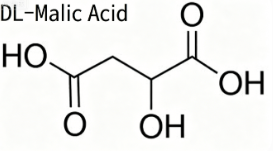
Xylitol is a naturally occurring five-carbon sugar alcohol (pentitol) belonging to the functional sweetener family. It is found naturally in various fruits and vegetables, including berries, plums, and corn. Commercially, it is produced through catalytic hydrogenation of xylose derived from xylan-rich plant materials such as corn cobs, birch wood, and other hardwood sources. Its chemical formula is C₅H₁₂O₅ with CAS number 87-99-0 and EU food additive number E967.
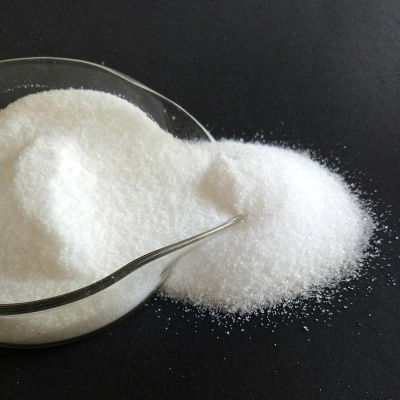
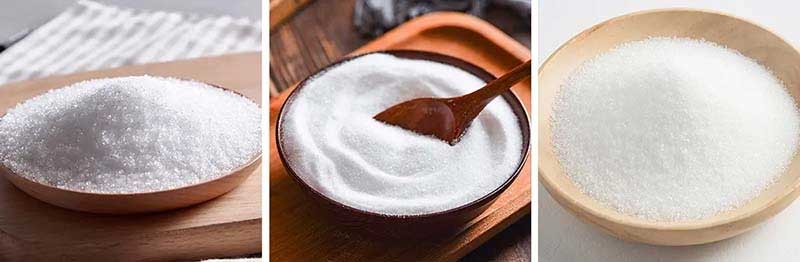
Xylitol appears as a white crystalline powder or crystals with sweetness equivalent to sucrose (approximately 1:1) but with 40% fewer calories (approximately 2.4 kcal/g). Importantly, its metabolism is insulin-independent, making it suitable for diabetic and low-glycemic diets. Beyond its role as a low-calorie sweetener, xylitol is globally renownedfor its unique anti-cariogenic (cavity-preventing) properties and is widely used in foods, pharmaceuticals, oral care products, and cosmetics.
2. Key Features
Natural Sweetness, Zero Glycemic Impact — Sweetness equivalent to sucrose (1:1 ratio) with only 2.4 kcal/g and very low glycemic index (GI ≈ 7). Insulin-independent metabolism makes it ideal for diabetics and blood sugar management.
Superior Anti-Cariogenic Properties — Unlike sucrose, xylitol cannot be fermented by oral bacteria (particularly Streptococcus mutans) to produce acids that cause tooth decay. It effectively inhibits bacterial growth, reduces dental plaque, and promotes enamel remineralization—globally recognized as the "tooth-friendly sweetener."
Unique Cooling Sensation — Absorbs heat upon dissolution (negative heat of solution), producing a distinctive cooling effect that significantly enhances the sensory experience of candies, chewing gums, and oral care products.
Excellent Stability — Non-reducing sugar alcohol that does not participate in Maillard reactions (browning), making it ideal for baked goods and products requiring color stability.
Humectant Properties — Good hygroscopicity and moisture retention capability, serving as an effective humectant and stabilizer in foods, cosmetics, and pharmaceutical formulations.
Versatile Compatibility — Compatible with a wide range of ingredients and easily incorporated into various formulation systems.
3. Technical Specifications with Explanations
| Parameter | Typical Value/Specification | Description & Significance |
|---|---|---|
| Molecular Formula | C₅H₁₂O₅ | Core identifier for chemical structure. |
| Molecular Weight | 152.15 g/mol | Used for quantitative analysis and formulation calculations. |
| CAS Number | 87-99-0 | Universal chemical substance identifier. |
| EINECS Number | 201-788-0 | European inventory identifier. |
| Appearance | White crystalline powder or granules | Visual quality indicator. Should be uniform white, free from lumps or visible impurities. |
| Assay (Purity) | ≥98.5% - 99.0% (dry basis) | Core specification. High content ensures accurate sweetness and functionality. FCC/USP grades typically require higher specifications. |
| Melting Range | 92°C - 97°C | Characteristic physical constant for preliminary purity verification; narrow range indicates high purity. |
| Loss on Drying | ≤ 1.0% | Measures total moisture and volatile content. Moisture control critical for stability and accurate weighing. |
| Solubility | Water: Approx. 642 g/L (25°C) Ethanol: Slightly soluble (1.2 g/100 mL) | Highly water-soluble for easy aqueous incorporation; limited ethanol solubility. |
| Residue on Ignition (Sulfated Ash) | ≤ 0.05% | Represents inorganic impurity content. Low value indicates high purity. |
| Heavy Metals | ≤ 10 ppm (as Pb) | Critical safety parameter ensuring compliance with food and pharmaceutical regulations. |
| Conductivity | ≤ 20 µS/cm (Ph. Eur.) | European Pharmacopoeia specification measuring total ionic impurities. |
| Reducing Sugars | ≤ 0.2% | Controls reducing sugar content to prevent unwanted browning reactions in sensitive applications. |
| pH (10% solution) | 5.0 - 7.0 | Neutral pH range ensures compatibility with most formulation systems. |
| Microbiological Limits | Total plate count ≤ 1000 CFU/g Yeast & Mold ≤ 100 CFU/g Pathogens: Negative | Ensures product safety for food and pharmaceutical applications. |
4. Applications
Food & Beverage Industry
Sugar-Free Confectionery & Chewing Gum — Core sweetener in "sugar-free" gum, mints, and hard candies, leveraging cooling sensation and anti-caries properties.
Baked Goods — Used in low-sugar pastries and cakes where Maillard browning is not desired; maintains light color while providing clean sweetness.
Chocolate & Desserts — Sucrose replacement in low-calorie ice cream, jams, jellies, and chocolate products.
Beverages — Added to sugar-free and low-sugar drinks for clean sweetness without glycemic impact.
Tabletop Sweetener — Direct replacement for sugar in beverages and cooking.
Oral Care & Pharmaceutical
Oral Care Products — Key anti-caries ingredient widely used in toothpastes, mouthwashes, dental floss coatings, and oral sprays to inhibit oral bacteria and maintain dental health.
Pharmaceutical Excipient — Functions as sweetener, coating agent, diluent, humectant, and tablet filler, particularly valuable in lozenges, cough syrups, chewable tablets, and pediatric formulations.
Medical Rinse Solutions — Used in sinus rinse solutions and nasal sprays to inhibit bacterial growth and prevent upper respiratory infections.
Otic (Ear) Preparations — Component in ear drops and solutions for infection prevention.
Cosmetics & Personal Care
Humectant — Functions as moisturizer and skin conditioning agent in skincare products, toothpastes, and lip care items, helping maintain hydration and improving texture.
Hair Care — Used in styling products for its humectant properties.
Oral Cosmetics — Key ingredient in "beauty from within" oral care products.
Industrial Applications
Chemical Intermediate — Bio-based platform chemical for synthesis of propylene glycol, ethylene glycol, glycerol, xylonic acid, and biodegradable polymers.
Plasticizer — Bio-based plasticizer for thermoplastic starch and other bioplastics, improving processing characteristics and flexibility.
Antifreeze — Component in specialty antifreeze formulations due to its freezing point depression properties.
5. Product Grade Comparison
| Parameter/Grade | Food Grade | Pharmaceutical Grade (USP/NF/Ph.Eur.) | Cosmetic Grade | Analytical Standard |
|---|---|---|---|---|
| Core Standard | Meets FCC, GB 1886.234 | Meets USP/NF, Ph.Eur., BP requirements | Meets cosmetic ingredient standards (INCI) | Purity ≥99.5% (HPLC) |
| Assay (Content) | ≥98.5% - 100.5% | 98.5% - 101.0% (dry basis) | ≥99.0% | ≥99.5% |
| Melting Range | 92-96°C | 92-96°C | 92-96°C | 94-97°C |
| Critical Parameters | Heavy metals, arsenic, lead, loss on drying | Conductivity, related substances, microbial limits, nickel | Particle size, color, heavy metals | Exact content for HPLC quantification |
| Microbial Limits | Standard food-grade limits | Strict pharmacopoeia limits | Standard cosmetic limits | Not applicable |
| Primary Applications | Sugar-free foods, beverages, candies, chewing gum | Pharmaceutical preparations, excipients, medical rinses | Skincare, oral care, hair care, cosmetics | Analytical testing, standard curves, QC |
| Particle Size Options | Standard powder, fine powder, granular | Standard powder, fine powder | Standard powder, fine powder | Not applicable |
| Packaging | 20 kg, 25 kg food-grade bags/drums, 500 kg supersacks | 20 kg, 25 kg multi-layer bags, drums | 20 kg, 25 kg bags/drums | 100 mg, 1 g vials |
6. Purchasing & Selection Guide
Select by Application Area
Food & Beverage Manufacturers — Must select Food Grade meeting target market regulations (FCC, GB, etc.). Consider particle size requirements:
Standard powder: General purpose, easy dissolution
Fine powder: Superior mouthfeel for chocolate, premium gums
Granular: Better flow properties for direct compression tablets, solid beverages
Pharmaceutical Companies — Choose Pharmaceutical Grade meeting USP/NF, Ph.Eur., or BP standards. Require comprehensive excipient documentation (DMF files, regulatory support packages). Pay special attention to conductivity, related substances, and microbial limits.
Oral Care & Cosmetic Manufacturers — Select Cosmetic Grade with attention to sensory attributes (odorless, pure white) and humectant performance to ensure finished product quality.
Regulatory Compliance Verification
Xylitol is widely accepted globally as food additive E967. However, maximum permitted levels and approved applications may vary by country and region. Always verify current regulations for your target market.
For pharmaceutical applications, confirm compliance with relevant pharmacopoeia standards required in your target market.
Kosher and Halal certifications available for religious compliance requirements.
Important Safety Note
Xylitol is highly toxic to dogs. Even small amounts can cause rapid insulin release, leading to hypoglycemia (low blood sugar), liver failure, and potentially death. Ensure all xylitol-containing products are stored securely away from pets.
7. Frequently Asked Questions (FAQ)
Q: What is the difference between xylitol and sucrose?
A: Xylitol provides sweetness equivalent to sucrose with 40% fewer calories and insulin-independent metabolism (very low glycemic index). Most importantly, xylitol is non-cariogenic (does not cause cavities) and actually inhibits oral bacteria, while sucrose is highly cariogenic and promotes tooth decay.
Q: Is xylitol safe for dogs?
A: No! Xylitol is extremely toxic to dogs. Even small amounts can cause life-threatening hypoglycemia and liver failure. Keep all xylitol-containing products completely inaccessible to pets. If ingestion occurs, seek immediate veterinary attention.
Q: How is xylitol produced commercially?
A: Commercial production primarily uses catalytic hydrogenation—extracting xylose from xylan-rich plant materials (corn cobs, birch wood), followed by hydrogenation under high pressure with nickel catalyst. More environmentally friendly biotechnological fermentation methods (using yeasts) are gaining attention and market share.
Q: Why does xylitol have a cooling effect?
A: Xylitol exhibits a negative heat of solution—it absorbs heat when dissolving in water or saliva, creating a physical cooling sensation in the mouth. This property makes it particularly suitable for mints, chewing gums, and products where a refreshing sensation is desired.
Q: What is the recommended daily intake of xylitol? Are there side effects?
A: For anti-caries benefits, recommended daily intake is 6-10 grams. Most adults tolerate up to 40 grams daily. However, excessive consumption (especially on empty stomach) may cause osmotic diarrhea or bloating due to incomplete absorption in the small intestine. Start with small amounts and gradually increase to allow adaptation.
Q: Can xylitol be used in baking?
A: Yes, but with considerations. Xylitol does not participate in Maillard browning, so baked goods will remain lighter in color. It also has different crystallization behavior than sugar. Recipes may require adjustment. For yeast-leavened products, note that xylitol is not fermentable by yeast.
Q: Does xylitol have any aftertaste?
A: Unlike some high-intensity sweeteners, xylitol provides clean, sweet taste very similar to sucrose with no bitter or metallic aftertaste. This contributes to its popularity in premium sugar-free products.
8. Delivery, Certification & Service
Delivery Capabilities
Inventory Status: Common sizes (20 kg, 25 kg bags) available from regional warehouses for rapid dispatch
Sample Program: 500g-1kg samples available for research institutions and manufacturers for formulation testing
Packaging Options:
Small quantities: 1 kg, 5 kg aluminum foil bags
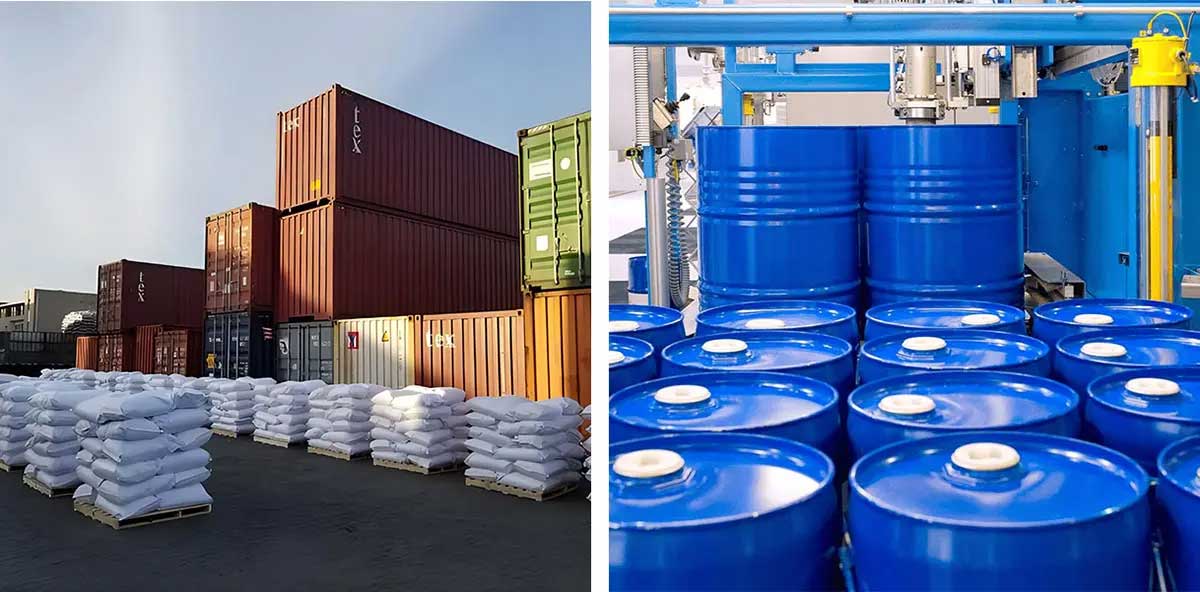
Industrial quantities: 20 kg, 25 kg multi-layer paper bags or fiber drums
Bulk quantities: 500 kg supersacks, 20 MT containers
Custom packaging: Available for volume customers
Shipping: Non-hazardous material; standard freight shipping available (express, LTL, full truckload, container)
Quality Certifications
ISO 9001:2015, FSSC 22000 (Food Safety System Certification), and HACCP certified manufacturing facilities
Products meet applicable standards: FCC, USP/NF, Ph.Eur., GB 1886.234
Certificate of Analysis (COA) provided with each batch, documenting appearance, assay, melting range, loss on drying, residue on ignition, heavy metals, conductivity, reducing sugars, and microbiological parameters
Safety Data Sheet (SDS) available in multiple languages
Third-party test reports (e.g., SGS) available upon request
Additional certifications available:
Non-GMO declaration
Allergen statement
Halal certificate
Kosher certificate
Gluten-free statement
Technical Support & Services
Technical Consultation: Food scientists and application specialists available for formulation assistance, process optimization, and regulatory compliance guidance
Custom Services: Particle size customization (micronized, granulated), quality specifications, and packaging options available for long-term partnership customers
Regulatory Support: Documentation packages for product registration in target markets
Blending Services: Custom blends with other polyols or sweeteners for volume customers
Documentation Available
Certificate of Analysis (COA)
Safety Data Sheet (SDS/MSDS)
Technical Data Sheet (TDS)
Food/Pharmaceutical grade specifications and compliance statements
Non-GMO declaration
Allergen statement
Halal certificate
Kosher certificate
Gluten-free statement
BSE/TSE statement