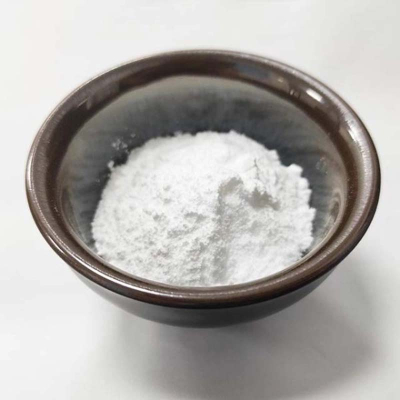


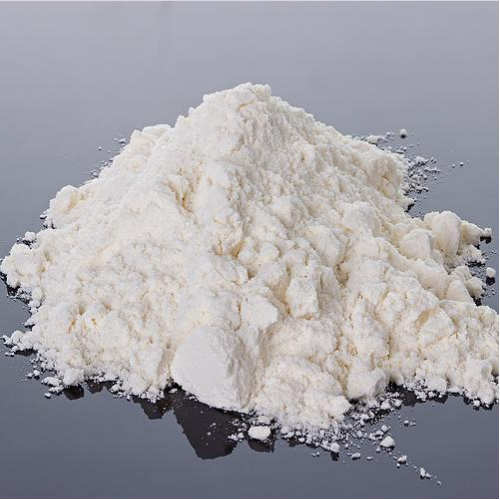
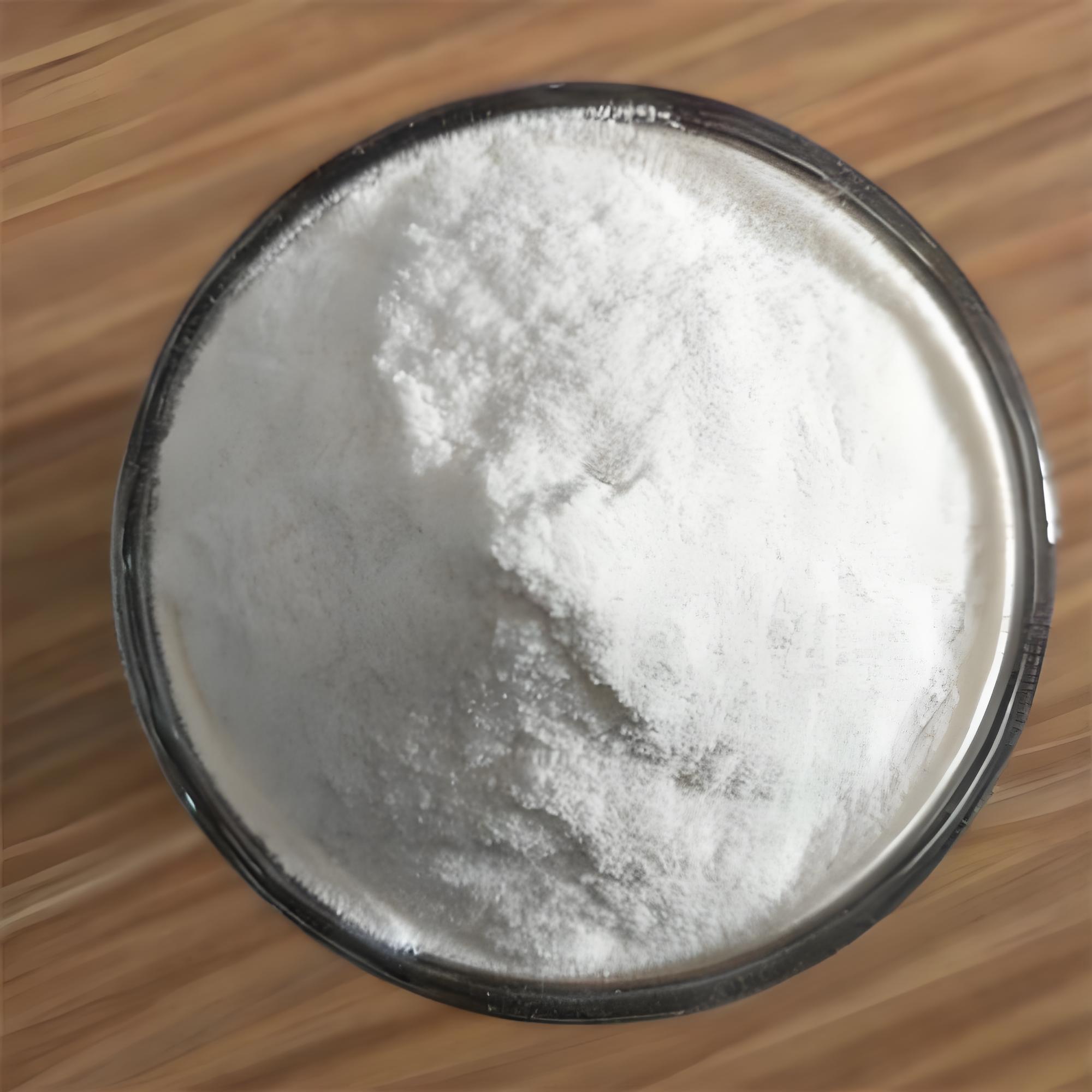
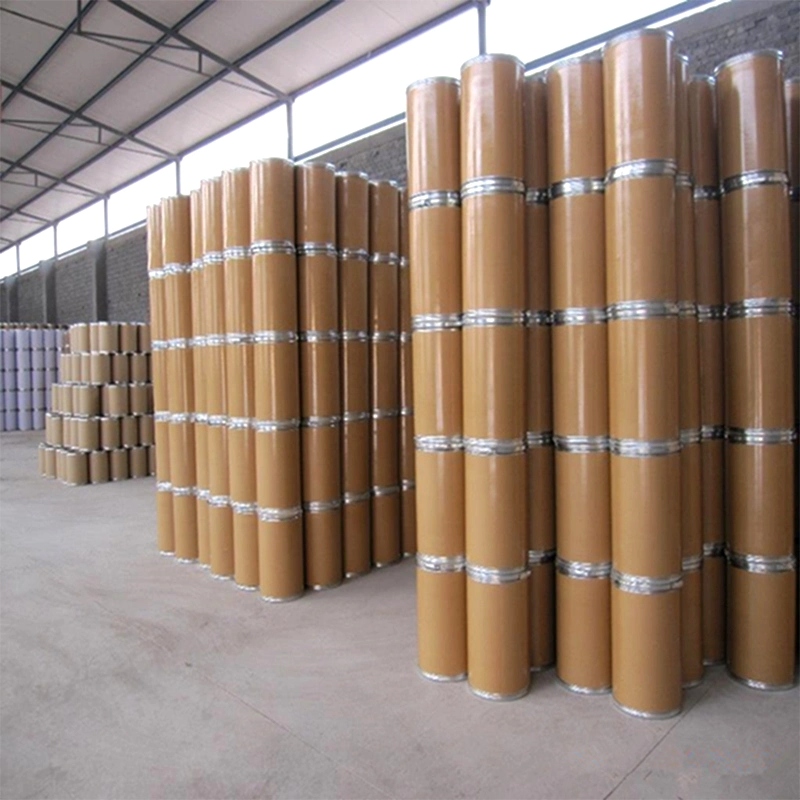
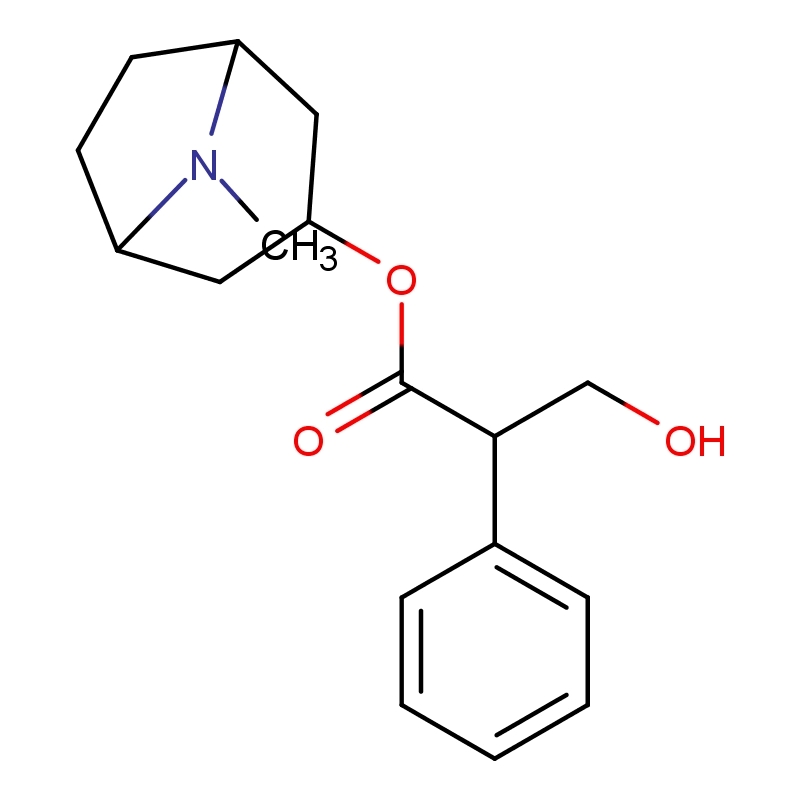
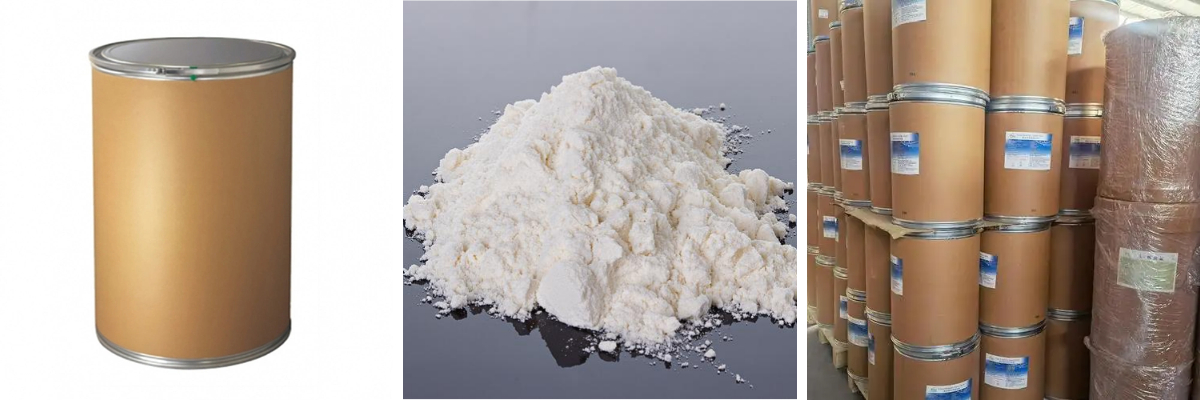
Obtained from red seaweed as a hydrophilic plant colloid, carrageenan is also counted among the world’s top three industrial alginate products. White or light yellow powders are its typical forms, though semi-transparent flakes can likewise be obtained.
Carrageenan Chemical Properties
Density | 1.37 g/cm3 |
FEMA | 2596 | IRISH MOSS EXTRACT |
Storage temp | Room temp |
Form | Solid |
Color | White to off-white |
PH | 7.5-10.5 (1.5% in water) |
Odor | odorless |
Biological source | algae (red) |
LogP | -5.57 |
IARC | 3 (Vol. 31, Sup 7) 1987 |
EPA Substance Registry System | Carrageenan (9000-07-1) |
Safety Information
WGK Germany | 2 |
RTECS | FI0700000 |
HS Code | 13023911 |
Hazardous Substances Data | 9000-07-1(Hazardous Substances Data) |
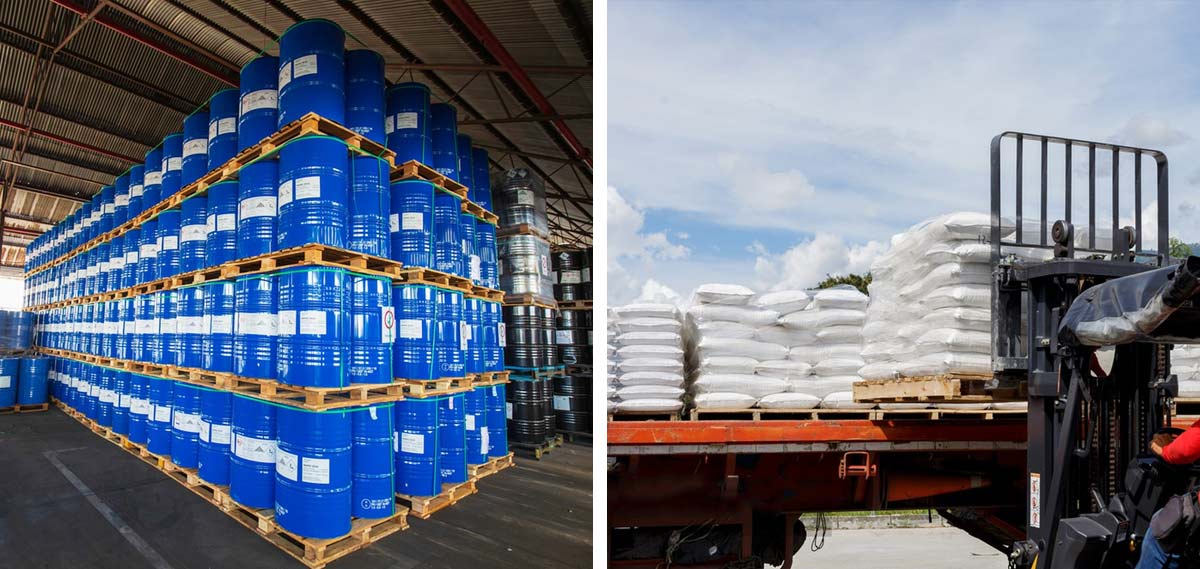
The application of carrageenan spans two primary domains: industrial uses and food-related ones. When used in food, food-grade carrageenan acts as a regulatory-compliant and safe additive. On the other hand, industrial-grade carrageenan is employed in non-food fields, including cosmetics—where it provides thickening for facial masks and helps create smooth films in hair conditioners—pharmaceuticals—where it serves as a gelling agent in topical preparations and supports drug suspension in oral liquids—as well as the textile and paper sectors, where it is used to thicken printing pastes and improve the water-resistant properties of paper sizing.