

Anhydrous Citric Acid CAS#77-92-9
High Solubility: Anhydrous citric acid demonstrates excellent solubility in water and is readily soluble in common organic solvents including ethanol and methanol, while slightly soluble in ether and practically insoluble in non-polar solvents such as benzene and chloroform. Its superior and rapid solubility in aqueous solutions enables widespread utilization in food processing, pharmaceutical manufacturing, and industrial formulation applications.
Stable pH: The aqueous solution of anhydrous citric acid maintains stable acidic pH characteristics under conventional heating and storage conditions. The dilute aqueous solution retains consistent acidity and chemical properties after long-term placement and moderate heating, exhibiting reliable solution stability in daily and industrial application environments without obvious decomposition or pH fluctuation.
Versatile Uses: It serves as a common food acidulant, flavor enhancer, and preservative in the food and beverage industry. It acts as a chelating agent, pH regulator, and cosmetic additive in personal care and cosmetic products. Additionally, it is widely utilized as a cleaning agent descaling ingredient, industrial buffer reagent, and an intermediate in pharmaceutical and fine chemical synthesis.
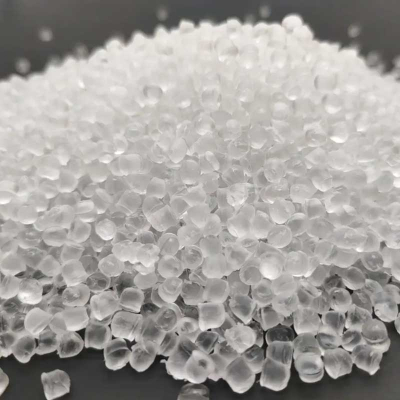
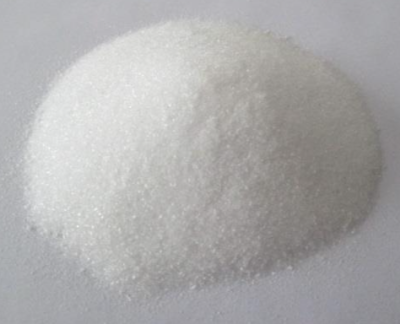
Anhydrous citric acid:characterized by the molecular formula C6H8O7, presents as colorless crystals or white crystalline powder with hygroscopic properties. It exhibits extremely high solubility in water and good solubility in ethanol, with poor solubility in non-polar organic solvents. The aqueous solution of this compound is weakly acidic with stable pH performance under normal temperature and conventional heating conditions. The substance is non-toxic and mild in irritation, and is extensively applied in food industry, daily chemical industry, pharmaceutical production and industrial cleaning fields as a pH adjuster, chelating agent and flavor modifier.

Anhydrous Citric Acid Chemical Properties
Item | Specification |
|---|---|
Melting point | 153-159 °C (dec.)(lit.) |
Density | 1.665 g/cm3 (20 °C) |
Vapor density | 6.48 (vs air) |
Refractive index | 1.493~1.509 |
Storage temp | Store below +30°C, sealed and dry |
Solubility | Soluble in water, ethanol, methanol; slightly soluble in ether; insoluble in benzene, chloroform |
Form | Crystalline powder / granular crystal |
Color | Colorless to white |
Odor | Odorless, with weak acidic taste |
PH Range | 2.2-2.5 (10g/L, H2O, 20℃) |
Water Solubility | 1330 g/L (20 °C) |
Sensitive | Hygroscopic |
Merck | 14,2378 |
BRN | 782440 |
Stability | Stable. Incompatible with strong oxidizing agents, strong bases, nitrates. Avoid high humidity and high temperature. |
InChIKey | KRKNYBCHXYNGOX-UHFFFAOYSA-N |
CAS DataBase Reference | 77-92-9 (CAS DataBase Reference) |
NIST Chemistry Reference | Citric acid(77-92-9) |
EPA Substance Registry System | Citric acid (77-92-9) |
Safety Information
Item | Specification |
|---|---|
Hazard Codes | Xi |
Risk Statements | 36/37/38 |
Safety Statements | 26-36-37/39 |
WGK Germany | 1 |
RTECS | GE7350000 |
F | 10 |
TSCA | Yes |
HS Code | 29181400 |

This compound is employed as an efficient chelating agent and pH regulator in fine chemical production, a flavor stabilizer and acidulant in food industrial processing. It also functions as a key ingredient in household and industrial descaling detergents, serves as a buffering agent and additive in cosmetic and pharmaceutical formulations, and acts as a metal surface cleaning agent and corrosion inhibitor in industrial manufacturing. Additionally, it finds application as a biological culture medium additive, high-performance liquid chromatography reagent, and raw material for synthesizing citrate derivatives.