

Dodecyltrimethylammonium chloride
Wide Range of Active Content: The product is offered in two grades: one with an effective content of 32–35% (present as a light yellow liquid) and another with 49–52% (a viscous liquid), offering adaptability to various application needs.
Excellent Chemical Stability: Both variants maintain their chemical integrity over time, guaranteeing reliable and consistent performance.
Superior Resistance: The product demonstrates exceptional resilience to high temperatures, light exposure, strong acids, and alkalis, enabling dependable operation under demanding conditions.
Outstanding Functional Properties: It possesses remarkable permeability, emulsifying, antistatic, and bactericidal capabilities, making it highly effective across diverse industrial uses.
1. Product Overview
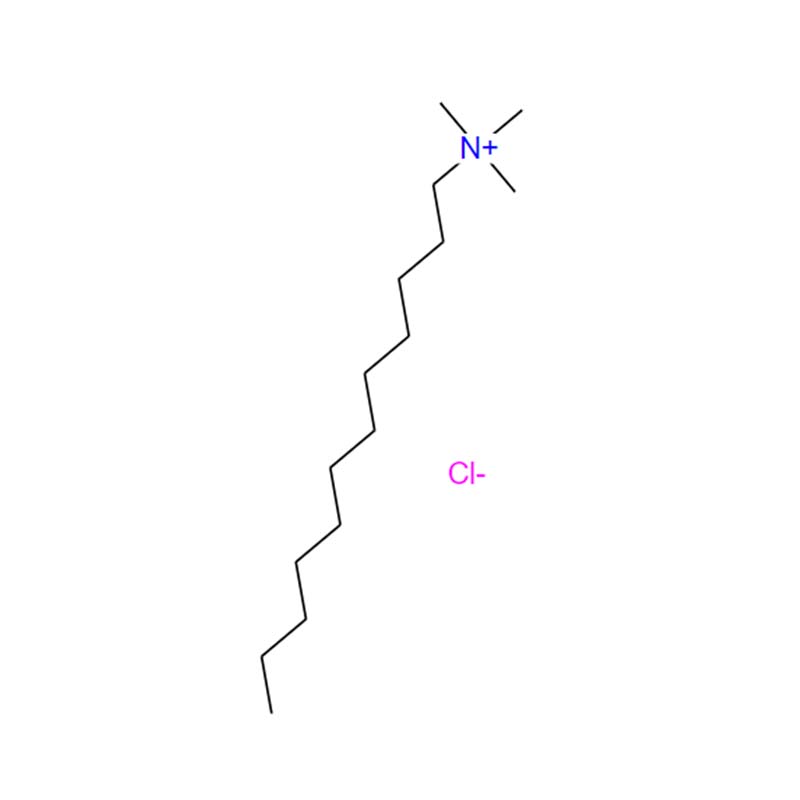
Dodecyltrimethylammonium chloride (DTAC) is a high-purity quaternary ammonium compound belonging to the cationic surfactant family. It consists of a long hydrophobic dodecyl chain attached to a positively charged trimethylammonium group, with chloride as the counterion. Its chemical formula is C₁₅H₃₄ClN with CAS number 112-00-5 and molecular weight of 263.89 g/mol .
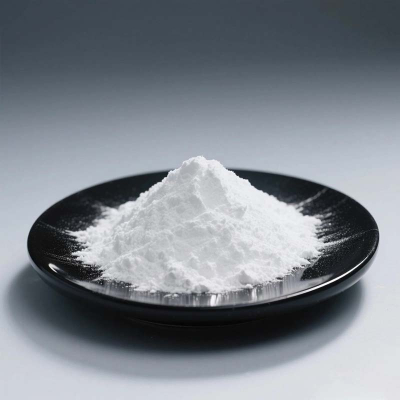
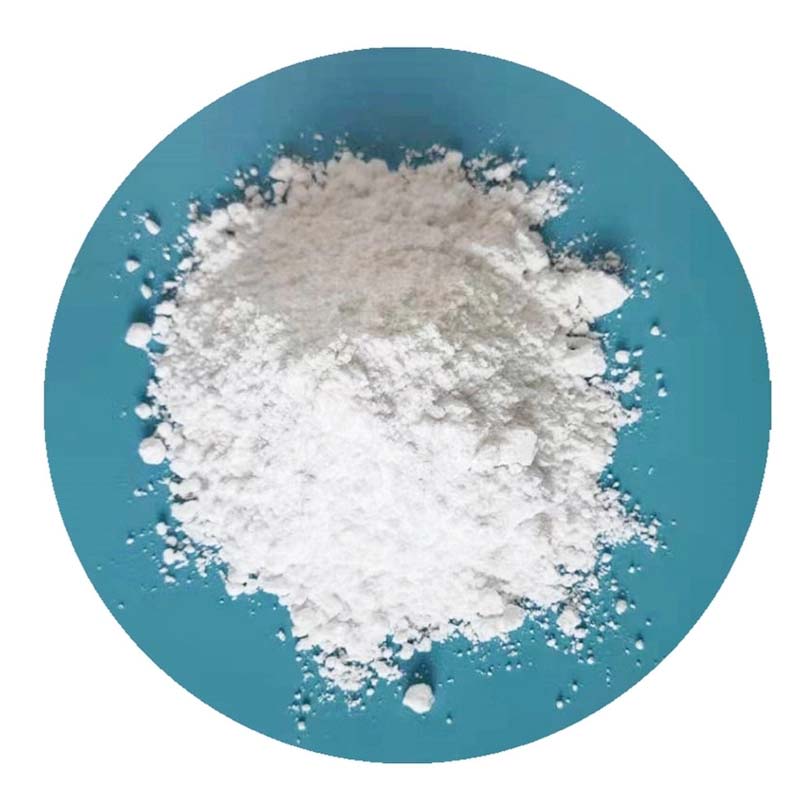
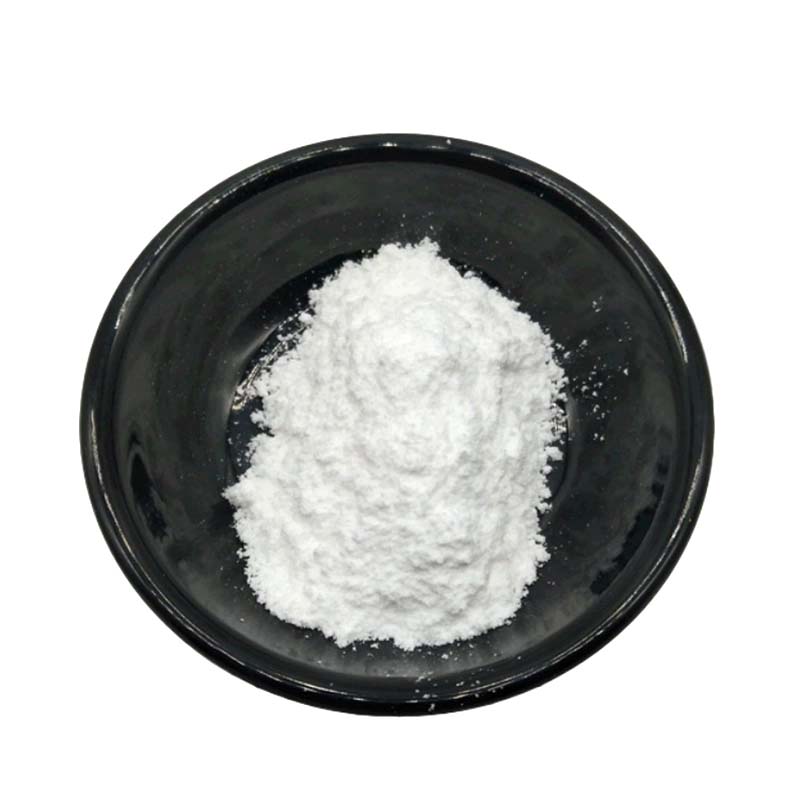
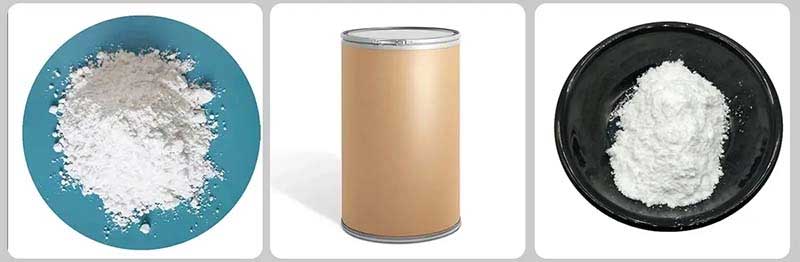
DTAC is one of the most widely studied and applied cationic surfactants, characterized by its ability to reduce surface tension, form micelles in aqueous solutions, and interact strongly with negatively charged surfaces and biological membranes . It typically appears as a white amorphous powder or crystalline solid at room temperature, though it is also commercially available in various solution concentrations for different industrial applications .
As a versatile cationic surfactant, DTAC combines excellent surface activity with antimicrobial properties, making it indispensable across multiple industries—from household and industrial cleaning to textile processing, cosmetic formulations, and advanced analytical chemistry .
2. Key Features
Cationic Surfactant Excellence: Carries a permanent positive charge, enabling strong adsorption to negatively charged surfaces (hair, skin, fabrics, minerals), providing conditioning, antistatic, and surface-modifying effects .
Robust Antimicrobial Activity: Exhibits potent bactericidal and disinfectant properties due to its quaternary ammonium structure, effectively killing bacteria and microorganisms in medical and sanitary applications .
Excellent Surface Tension Reduction: Significantly lowers surface tension between liquids or between liquids and solids, enhancing wetting, spreading, and cleaning efficiency .
Micelle Formation Capability: Forms micelles at defined critical micelle concentrations (CMC), encapsulating non-polar substances for effective soil removal and emulsification .
Versatile Commercial Forms: Available in multiple active concentrations ranging from 24% to ≥98% , including both solution and powder forms to suit diverse processing requirements .
Broad Application Spectrum:
Analytical Chemistry: Ion-pair chromatography reagent
Biotechnology: Nucleic acid extraction and purification
Industrial Cleaning: Detergents, disinfectants, oilfield chemicals
Textile Processing: Antistatic and softening agents
Cosmetics: Emulsifiers and stabilizers in creams and lotions
3. Technical Specifications with Explanations
| Parameter | Typical Value/Specification | Description & Significance |
|---|---|---|
| CAS Number | 112-00-5 | Universal chemical identifier . |
| Molecular Formula | C₁₅H₃₄ClN | Quaternary ammonium structure: C₁₂H₂₅-N⁺(CH₃)₃ Cl⁻ . |
| Molecular Weight | 263.89 g/mol | Used for stoichiometric calculations and solution preparation . |
| EINECS Number | 203-927-0 | European inventory identifier . |
| Appearance | White amorphous powder (solid) or colorless to pale yellow liquid (solutions) | Visual quality indicator varies by concentration . |
| Purity/Active Assay | ≥99% (high purity solid) ≥98% (ion-pair grade) 95% (reagent grade) 24-72% (solution forms) | Core specification. Higher purity essential for analytical and sensitive applications. |
| Melting Point | 37°C (crystalline solid) 246°C (dec.) (reported for some grades) | Variations reflect different polymorphic forms or measurement methods; decomposition occurs upon heating. |
| Flash Point | 19°C | Highly flammable; store away from ignition sources . |
| Water Solubility | 50 mg/mL, clear colorless | Excellent water solubility for aqueous formulations. |
| Relative Density | ca. 1.00 g/cm³ at 20°C | Similar density to water; used for volume-to-weight conversions. |
| Partition Coefficient (log Pow) | ca. 1.22 at 25°C | Bioaccumulation not expected . |
| pH (1% solution) | 5 – 9 (grade dependent) | Near-neutral to slightly alkaline; suitable for most formulations . |
| Free Amine & Salt | ≤ 1.5% | Controls impurity levels; lower values indicate higher purity . |
| Water Content | ≤1% (solid) to 74-76% (solutions) | Varies significantly by product form . |
| Storage Temperature | 0-8°C (recommended for high purity) Cool, dry place (general) | Cool storage recommended to maintain stability. |
Available Commercial Forms
| Form | Active Assay | Water Content | Typical Applications |
|---|---|---|---|
| High Purity Solid | ≥98-99% | ≤1% | Ion-pair chromatography, analytical standards, research reagents |
| Reagent Grade Solid | ≥95% | ≤1% | General laboratory use, synthesis |
| 24-26% Solution | 24-26% | 74-76% | Industrial cleaning, textile processing |
| 28-32% Solution | 28-32% | 68-72% | Detergents, disinfectants |
| 48-52% Paste/Solution | 48-52% | 16-24% | Concentrated formulations |
| 68-72% Paste/Solution | 68-72% | 4-6% | High-concentration industrial applications |
4. Applications
Analytical Chemistry & Research
Ion-Pair Chromatography Reagent: DTAC serves as an essential reagent in ion-pair chromatography, significantly enhancing the separation of ionic and polar compounds. This application is invaluable for analytical chemists in pharmaceutical development and environmental testing laboratories .
Biochemical Assays: Used as a research reagent in studying membrane proteins and cellular processes, leveraging its surfactant properties to solubilize and stabilize biological membranes .
Biotechnology & Molecular Biology: Employed for the extraction and purification of nucleic acids, aiding researchers in genetic studies and diagnostic applications .
Cleaning & Disinfectant Products
Household Detergents: Incorporated into formulations to reduce surface tension and improve the removal of grease and dirt from various surfaces .
Industrial Cleaners: Used in heavy-duty cleaning products for manufacturing facilities, providing effective removal of oils and greases .
Antibacterial Disinfectants: Due to its quaternary ammonium structure, DTAC exhibits strong antimicrobial properties, making it suitable for use in healthcare settings, hospitals, and sanitary applications .
Sanitizers: Formulated into surface sanitizers and hygiene products for effective microorganism control .
Personal Care & Cosmetics
Hair Care Products: Functions as a conditioning agent in shampoos and hair sprays, improving manageability and texture .
Skin Care Formulations: Used in creams and lotions as an emulsifier and stabilizer, ensuring uniform distribution of ingredients and enhancing product stability and performance .
Cosmetic Emulsions: Improves texture and consistency of personal care products, providing benefits in the beauty industry .
Textile Processing
Antistatic Agent: Applied to fabrics to reduce static charge accumulation, improving handling and comfort .
Fabric Softener: Enhances the softness and feel of textiles during processing and finishing .
Dyeing Aid: Improves dye uptake and color fastness by modifying fiber surface properties .
Industrial & Specialty Applications
Oilfield Chemicals: Used as an oil displacement agent and surfactant in petroleum production, helping to improve crude oil recovery rates and optimize extraction efficiency .
Paints and Inks: Functions as a dispersant in the production of paints and inks, improving the dispersion of pigments and fillers, thereby enhancing product quality and stability .
Agricultural Chemicals: Serves as an adjuvant for pesticides and fertilizers, improving their dispersion and adsorption on plant surfaces, enhancing overall use efficiency .
Phase Transfer Catalysis: Acts as a phase transfer catalyst in organic synthesis, facilitating reactions between immiscible phases .
Virucidal Applications
pH-Dependent Virucidal Activity: Research has demonstrated that DTAC exhibits potent virucidal effects that are highly dependent on pH. Studies with reovirus showed that DTAC is extremely virucidal at high pH values, while having little observable effect on viral stability at low pH values. This pH-dependent activity appears to be due to the effects of pH on the ionic states of viral capsid proteins .
5. Product Grade Comparison
| Parameter/Grade | High Purity (≥99%) | Ion-Pair Grade (≥98%) | Reagent Grade (≥95%) | Industrial Solutions (24-72%) |
|---|---|---|---|---|
| Core Standard | Analytical/reference standard | Chromatography-specific | General laboratory use | Industrial specifications |
| Purity (Assay) | ≥99% | ≥98% | ≥95% | 24-72% |
| Physical Form | White amorphous powder | White amorphous powder | White solid | Colorless to pale yellow liquid/paste |
| Melting Point | 246°C (dec.) | 246°C (dec.) | 37°C / 246°C | N/A (liquid) |
| Storage | 0-8°C | 0-8°C | Cool, dry place | Cool, ventilated |
| Hazmat Classification | Yes | Yes | Not hazardous (DOT) | Varies by concentration |
| Critical Parameters | Exact purity, water content, free amine | Chromatographic performance, purity | Appearance, solubility, pH | Active assay, pH, free amine |
| Primary Applications | Analytical standards, research reagents, certified reference materials | Ion-pair chromatography, pharmaceutical analysis, environmental testing | General laboratory synthesis, biochemical assays | Industrial cleaning, textile processing, oilfield chemicals, cosmetics |
| Packaging | 100 mg - 1 kg | 25 g - 500 g | 100 g - 1 kg | 25 kg - 200 kg drums |
6. Purchasing & Selection Guide
Select by Application Area
Analytical & Research Laboratories:
Must select High Purity (≥99%) or Ion-Pair Grade (≥98%) products with documented purity .
Require Certificate of Analysis (COA) with batch-specific data.
For chromatography applications, verify suitability for ion-pair separations.
Consider reference standards for quantitative analysis.
Biotechnology & Molecular Biology:
Select Reagent Grade (≥95%) or higher for nucleic acid extraction and purification protocols .
Verify absence of nucleases and other contaminants.
Consider solution forms for direct incorporation into established protocols.
Cosmetic & Personal Care Manufacturers:
Choose appropriate solution concentration (24-52%) based on formulation requirements .
Focus on cosmetic-grade specifications with appropriate documentation.
Verify compatibility with other formulation ingredients.
Ensure compliance with regional cosmetic regulations.
Industrial & Cleaning Product Formulators:
Solution forms (24-72%) offer cost-effective options for large-scale manufacturing .
Select concentration based on final product requirements and handling capabilities.
For detergent formulations, 28-32% solutions are common .
For concentrated products, 48-72% pastes/solutions reduce shipping costs.
Textile Processors:
Industrial solutions (24-32%) suitable for bulk processing applications .
Verify performance in specific textile treatments (antistatic, softening, dyeing).
Oilfield & Agricultural Applications:
Industrial grades (various concentrations) provide cost-effective solutions .
Focus on batch-to-batch consistency and technical support.
Critical Selection Considerations
Purity vs. Cost: Higher purity commands premium pricing but is essential for analytical and sensitive applications. Industrial applications can utilize lower-cost solution forms.
Physical Form: Solids offer stability and long shelf life but require dissolution; solutions offer convenience but may have limited stability and higher shipping costs.
Storage Requirements: High-purity solids require refrigeration (0-8°C) ; industrial solutions store at ambient temperatures .
Regulatory Compliance: Verify product compliance with relevant regulations for your target market and application (REACH, TSCA, etc.).
Safety & Handling Considerations
⚠️ Important Safety Notes:
DTAC is classified with GHS hazard statements: H302 (Harmful if swallowed), H315 (Causes skin irritation), H319 (Causes serious eye irritation), H335 (May cause respiratory irritation), and H410 (Very toxic to aquatic life with long lasting effects) .
Some grades may be highly flammable (flash point 19°C) .
Use appropriate personal protective equipment (nitrile gloves, safety goggles, protective clothing) .
Ensure adequate ventilation; avoid dust formation with solid grades.
Do not release into the environment .
7. Frequently Asked Questions (FAQ)
Q: What is the difference between DTAC and other quaternary ammonium surfactants?
A: DTAC (dodecyltrimethylammonium chloride) has a specific C12 alkyl chain length, which provides an optimal balance of hydrophobicity and water solubility. Compared to longer-chain quaternaries (e.g., CTAB with C16), DTAC has lower Krafft temperature, better water solubility, and different micellization behavior. Compared to benzalkonium chlorides, DTAC lacks the benzyl group, resulting in different antimicrobial spectra and surface activity profiles.
Q: Why are there different melting points reported for DTAC?
A: Reported melting points vary due to different polymorphic forms, hydration states, and measurement methods. Values of 37°C and 246°C (dec.) represent different forms—the lower value corresponds to the crystalline solid, while the higher value likely represents decomposition temperature of anhydrous material. Always refer to the Certificate of Analysis for batch-specific data.
Q: How should DTAC be stored?
A: Storage requirements depend on the grade:
High purity solids: Store at 0-8°C in sealed containers .
Reagent grade solids: Store in cool, dry place .
Industrial solutions: Store in cool, ventilated area, protected from moisture and sunlight .
All forms: Keep containers tightly sealed, protect from incompatible materials (strong oxidizing agents, bases) .
Q: What is the solubility of DTAC in water?
A: DTAC is readily soluble in water at approximately 50 mg/mL, producing clear, colorless solutions . Solubility may vary slightly with temperature and purity grade.
Q: Is DTAC hazardous to the environment?
A: Yes, DTAC is classified as very toxic to aquatic life with long lasting effects (H410) . It should not be released into drains or the environment. Proper disposal procedures must be followed .
Q: What is the critical micelle concentration (CMC) of DTAC?
A: The CMC of DTAC has been studied using NMR methods . While exact values depend on temperature and conditions, DTAC micellization behavior differs from its bromide analog (DTAB), with DTAC micelle dissociation being exothermic compared to DTAB's endothermic process .
Q: Can DTAC be used in food applications?
A: No, DTAC is explicitly not intended for food applications. All suppliers state that products are for research and development use only, not for medicinal, household, or food uses .
Q: What documentation is available for DTAC products?
A: Qualified products include:
Certificate of Analysis (COA) with batch-specific data
Safety Data Sheet (SDS/MSDS)
Product Specification (PS)
Certificate of Origin (COO)
Q: How is DTAC synthesized?
A: DTAC is synthesized through quaternization of dodecyldimethylamine with methyl chloride. Alternatively, it can be produced from dodecyl chloride and trimethylamine .
8. Delivery, Certification & Service
Delivery Capabilities
Inventory Status: Multiple grades available from regional warehouses (Asia, Europe, Americas)
Sample Program: Small quantities available for qualified research institutions and manufacturers for application testing
Packaging Options:
Research quantities: 100 mg, 500 mg, 1 g, 5 g, 25 g, 100 g bottles/vials
Analytical standards: 100 mg vials
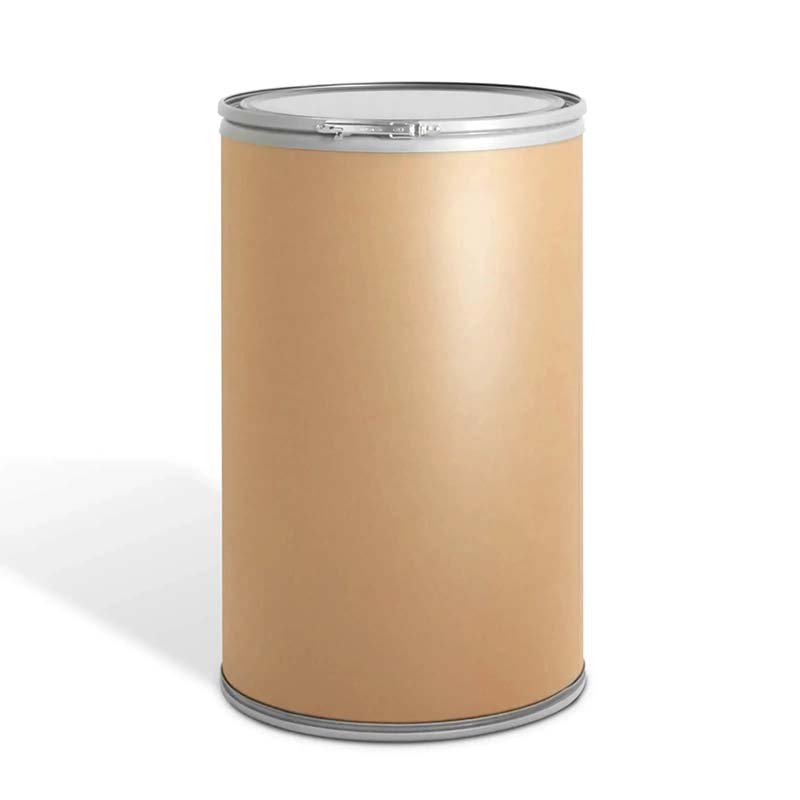
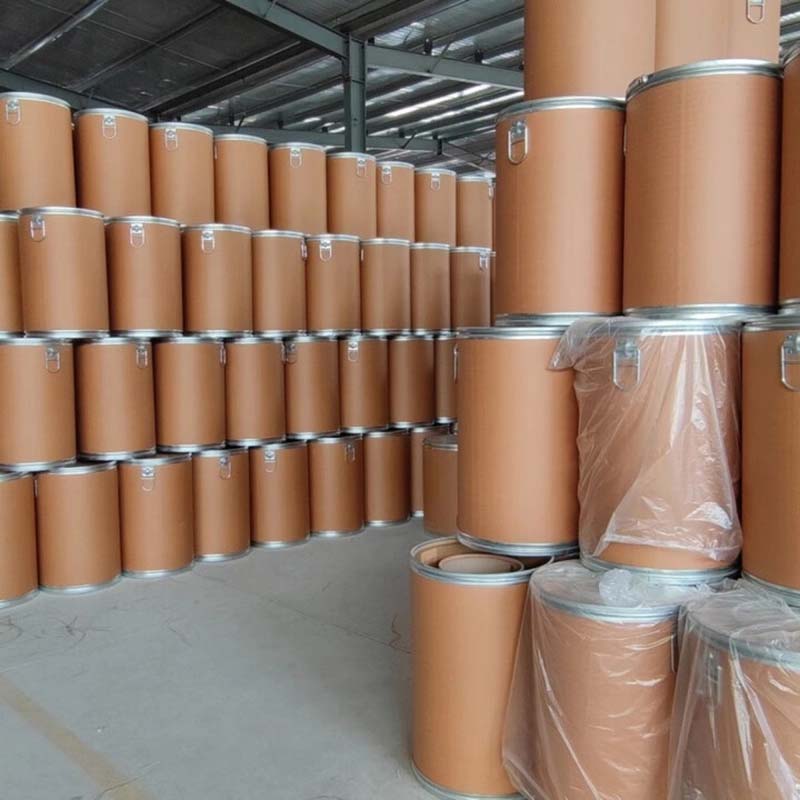
Industrial quantities: 25 kg, 100 kg, 200 kg plastic drums or anti-corrosive iron drums
Custom packaging: Available for volume customers
Special Handling: Some grades classified as hazardous material ; others non-hazardous for transport
Shipping: Varies by grade; some require refrigerated transport

Quality Certifications
Certificate of Analysis (COA) provided with each batch for qualified grades, documenting:
Appearance
Purity/assay (titration)
Identity (IR, where applicable)
Water content
Free amine content
pH (for solution grades)
Safety Data Sheet (SDS) available in multiple languages
Product Specification (PS) documenting chemical composition and physical properties
Certificates of Origin (COO) available upon request
Additional certifications available:
ISO 9001 quality management certification (by supplier)
REACH compliance documentation (EU)
TSCA statement (US)
Analytical reference material certification
Regulatory Compliance
EU: REACH registered; CLP classification applies
US: TSCA listed
Transport: UN/IMDG/IATA classification varies by grade; some are non-dangerous goods
Export Documentation: Full compliance package for international shipping
Technical Support & Services
Technical Consultation: Application specialists available for:
Grade selection guidance
Formulation development support
Analytical method assistance
Regulatory compliance questions
Custom Services: Tailored packaging, concentration specifications, and quality requirements for qualified customers
Regulatory Support: Documentation for product registration and compliance
Documentation Available
Certificate of Analysis (COA) with batch-specific data
Safety Data Sheet (SDS/MSDS)
Product Specification (PS)
Certificate of Origin (COO)
REACH/TSCA compliance statements
Dangerous goods shipping documentation (where applicable)