
Sodium Alginate (Food Grade)CAS#9005-38-3

Gelling Mechanism: Sodium alginate forms stable, heat-irreversible gels in the presence of calcium ions under mild conditions, enabling cold-set gelation and texture design in spherification, restructured foods, and plant-based meat analogs.

Safety Profile: Recognized as generally safe (GRAS) by global food authorities, sodium alginate exhibits low oral toxicity, negligible immunogenicity, and high biodegradability, with no reported genotoxic effects at typical dietary intake levels.

Regulatory Preference: Widely accepted as a clean-label, plant-derived hydrocolloid, sodium alginate aligns with consumer demand for vegan, non-GMO, and additive-friendly formulations, replacing synthetic thickeners and gelatin in organic and natural food products.

Application Versatility: Beyond confectionery and dairy products, sodium alginate functions as a thickener, stabilizer, emulsifier, and film-forming agent in sauces, ice cream, beverages, and edible coatings, as well as a dietary fiber source and encapsulation matrix for probiotics and flavors.

Product Details

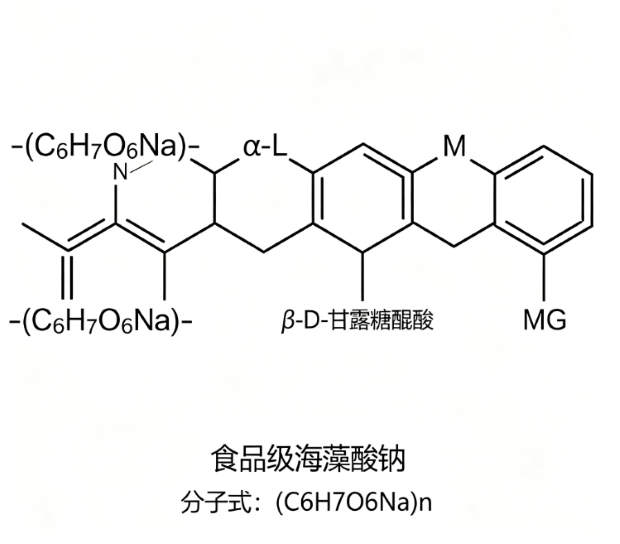
Sodium alginate is a natural polysaccharide derived from brown seaweed, such as Laminaria and Macrocystis. The primary component is sodium salt of alginic acid, which is odorless and tasteless. Sodium alginate consists of mannuronic acid (M) and guluronic acid (G) residues arranged in blocks, typically represented by the general formula (C₆H₇O₆Na)ₙ. Depending on its viscosity and G/M ratio, sodium alginate is classified into various grades for different applications, including high-viscosity, medium-viscosity, and low-viscosity types.


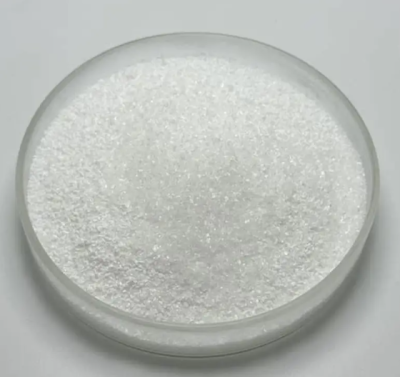
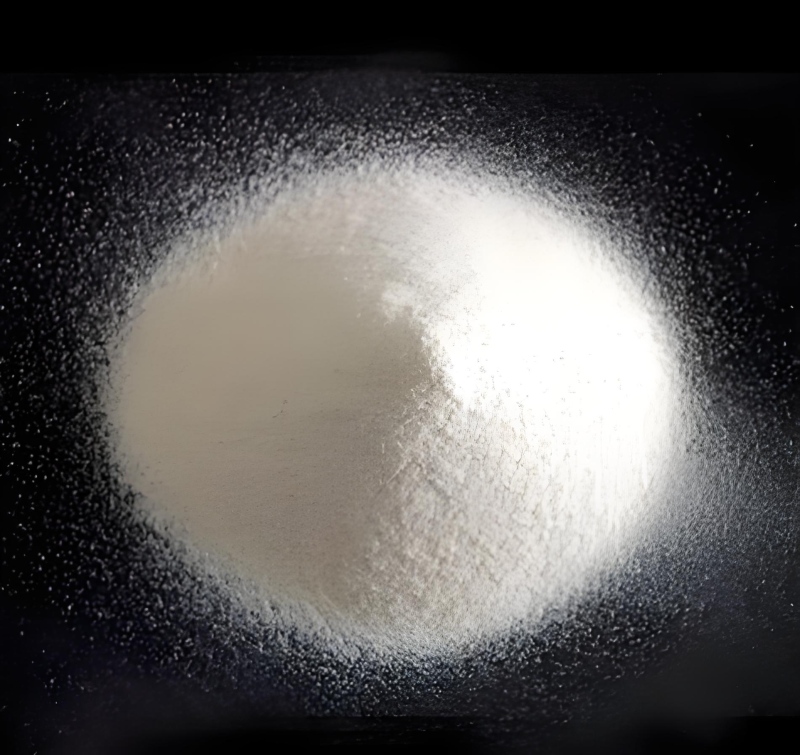
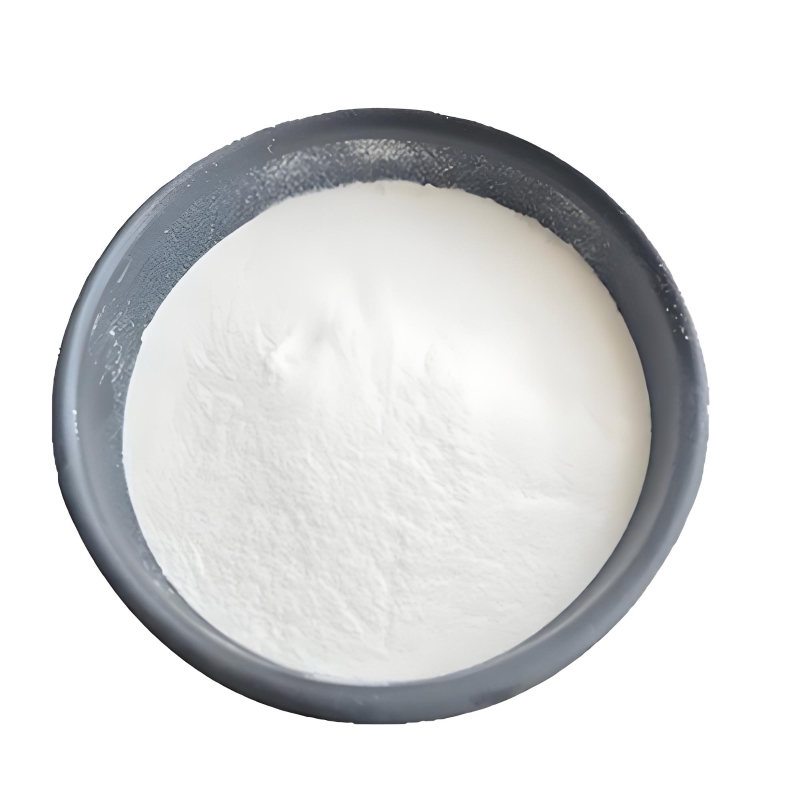
Food-grade sodium alginate, a product of seaweed processing, is a fine powder but forms a viscous solution upon hydration. It is typically obtained from dried brown seaweed through acid pretreatment, alkaline extraction, filtration, calcium precipitation, and ion exchange. Afterward, the alginic acid undergoes conversion to sodium salt, drying, and milling. Food-grade sodium alginate is used in the production of restructured foods, spherified beads, dairy products (ice cream, yogurt), salad dressings, beer foam stabilizers, meat binders, edible films, and more.

Sodium Alginate (Food Grade)CAS#9005-38-3


Basic Info

Chemical NameSodium Alginate
Other NameAlgin; Sodium Alginate CAS 9005-38-3; Kelgin; Food-Grade Sodium Alginate
CAS9005-38-3
EINECS618-897-4 (polymer, not assigned a standard EC number)
TypeFood additives; Thickeners; Gelling agents; Stabilizers; Emulsifiers; Dietary fiber
Molecular Formula(C₆H₇O₆Na)ₙ
Molecular WeightTypically 10,000–600,000 g/mol (varies with polymerization degree)

Chemical Properties

PropertyValue
Melting pointDecomposes before melting (approx. 200–240 °C)
Boiling pointNot applicable (decomposes)
DensityApprox. 1.6–1.7 g/cm³ (solid powder)
Refractive indexN/A (solid, typically measured in solution; nD approx. 1.33–1.35 for 1% solution)
Storage temp.Store in a cool, dry place (15–25 °C), away from moisture and heat.
SolubilitySlowly soluble in cold water forming a highly viscous colloidal solution; insoluble in ethanol, acetone, chloroform, and most organic solvents. Solubility in water decreases in the presence of divalent cations (e.g., Ca²⁺) due to gel formation.
FormFine powder or granules
ColorWhite to pale yellowish-white
OdorOdorless or slightly characteristic (seaweed-like)
Explosive limitNot applicable (non-explosive under normal conditions)


Sodium Alginate (Food Grade)CAS#9005-38-3


Sodium alginate boasts several benefits, including natural origin (derived from brown seaweed), excellent thickening and gelling properties, good biocompatibility, low toxicity, and high viscosity even at low concentrations. These attributes make it highly applicable in various fields such as food processing (ice cream, salad dressings, jams), dairy products (yogurt stabilizers, cheese analogs), confectionery (restructured fruit gels), pharmaceuticals (drug encapsulation, wound dressings), and molecular gastronomy (spherification techniques). It is also extensively studied for use in edible films, plant-based meat analogs, probiotic encapsulation, and tissue engineering scaffolds.


Sodium Alginate (Food Grade)CAS#9005-38-3


Leave your messages

Related Products

x

Popular products

x
x