

Sodium Laureth Sulfate
Excellent Cleaning Efficiency: Sodium Laureth Sulfate (SLES) significantly lowers the surface tension of water, enabling superior removal of dirt and contaminants.
Rich and Stable Foaming: Due to its distinct molecular configuration, SLES generates abundant and stable foam, making it a preferred choice in personal care and cleaning formulations.
Hard Water Tolerance: It maintains high effectiveness in hard water conditions, ensuring reliable performance across various water qualities.
Broad Emulsifying Capacity: With its efficient emulsifying properties, SLES is widely used in diverse products including cosmetics, shampoos, soaps, and detergents.
1. Product Overview
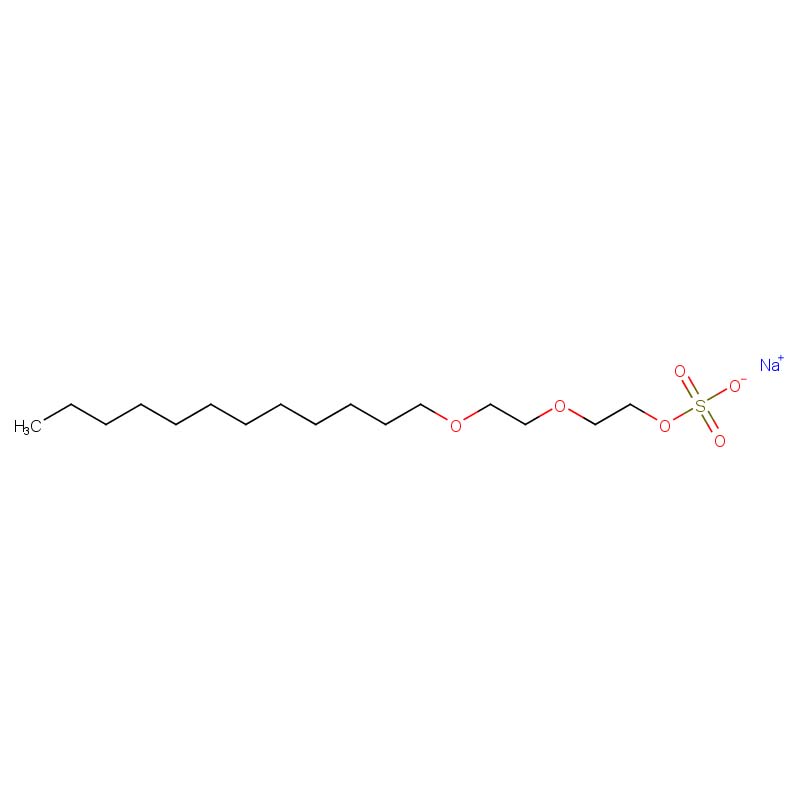
Sodium Laureth Sulfate (SLES) is a highly effective anionic surfactant and one of the most widely used detergent bases globally. It is the ethoxylated version of sodium lauryl sulfate (SLS), containing polyoxyethylene chains between the sulfate group and the lauryl alcohol moiety.
The name "laureth" is a contraction of "lauryl ether," accurately reflecting its chemical structure as sodium lauryl ether sulfate. SLES is an oligomeric mixture, typically containing an average of 1-3 ethylene oxide units, with the 2-mole and 3-mole variants being the most common commercial grades.
Its general formula is CH₃(CH₂)ₙCH₂(OCH₂CH₂)ₓOSO₃Na (where n = 10-13, x = average 1-3). Common CAS numbers include 9004-82-4 (polymer) and 68891-38-3 (specific for C12-14 alkyl ethers).
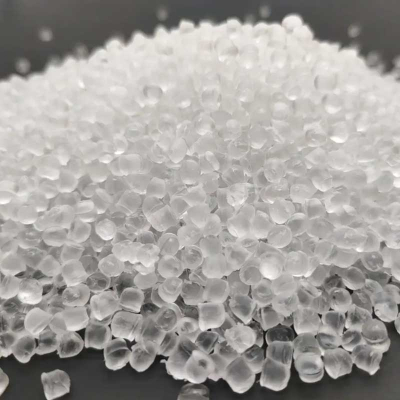
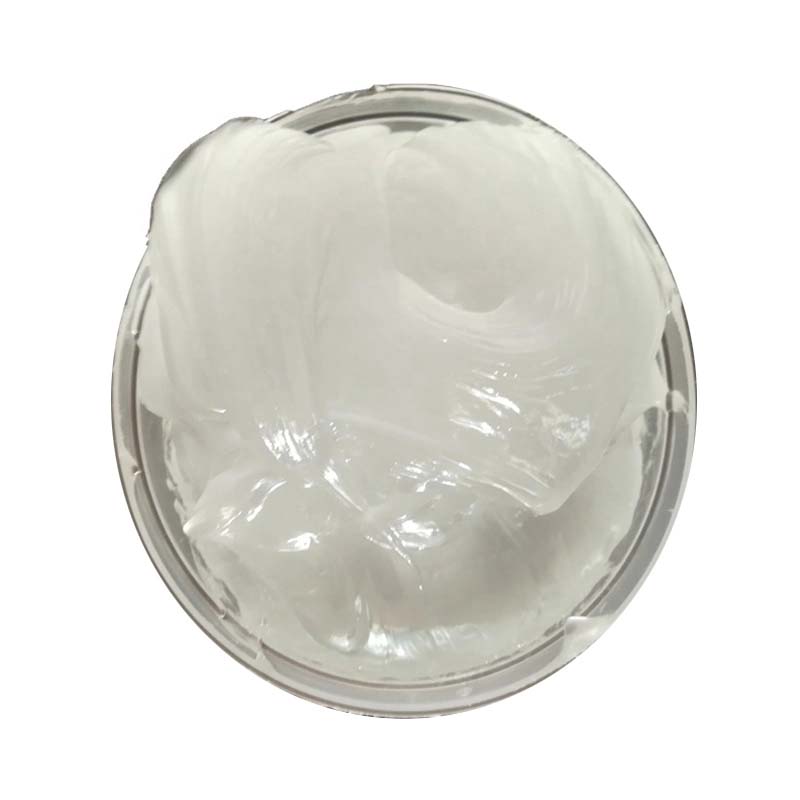
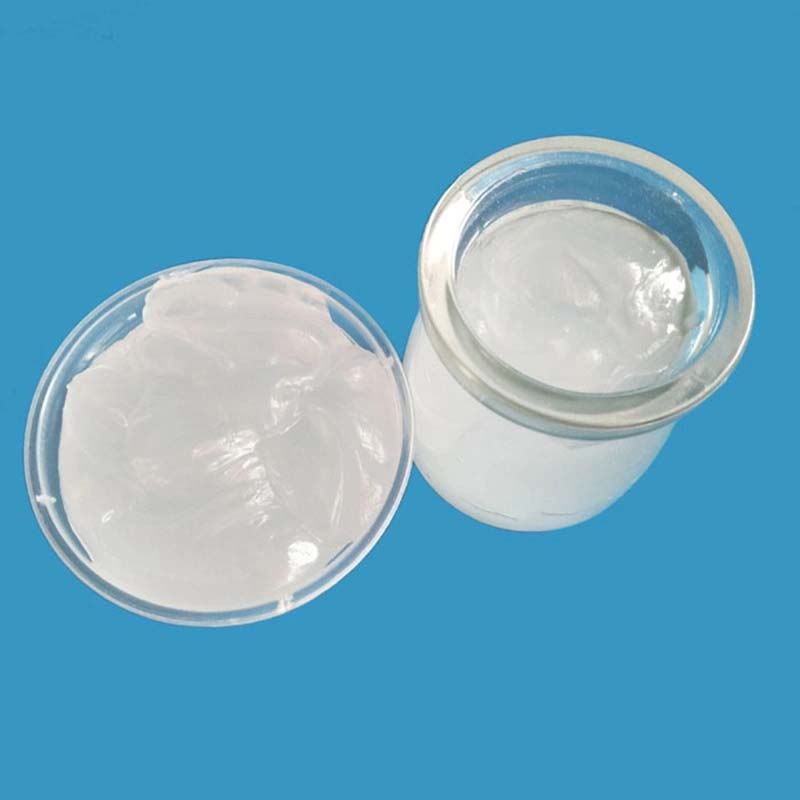
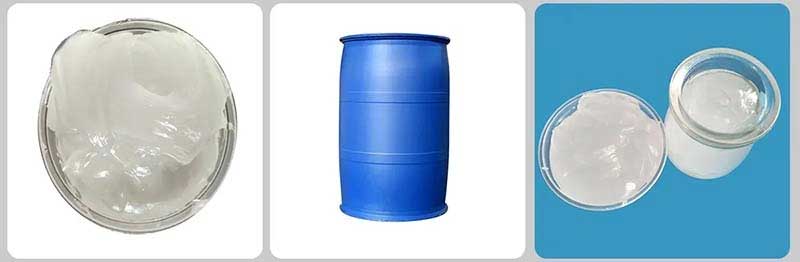
SLES typically appears as a clear to slightly hazy liquid ranging from colorless to pale yellow or amber, depending on concentration and grade. It is prized for its excellent foaming properties, mildness compared to SLS, hard water tolerance, and ease of viscosity building in formulations.
As the workhorse surfactant of the personal care industry, SLES is the primary cleansing agent in countless shampoos, body washes, hand soaps, and facial cleansers, as well as a key component in household and industrial cleaning products.
2. Key Features
Excellent Foaming Properties: Produces rich, stable foam with good flash foam characteristics, even in hard water conditions. The 2-mole variant is particularly noted for its excellent foam regardless of water hardness.
Superior Mildness vs. SLS: The ethoxylation significantly reduces skin and eye irritation compared to non-ethoxylated sodium lauryl sulfate (SLS), making it suitable for frequent-use personal care products.
Exceptional Viscosity Building: Readily thickens with common additives such as sodium chloride (NaCl) , betaines (e.g., cocamidopropyl betaine), and alkanolamides, allowing formulators to achieve desired product consistency.
Hard Water Tolerance: Maintains cleansing and foaming performance in both soft and hard water, unlike traditional soaps that form scum.
Excellent Compatibility: Compatible with other anionic, nonionic, and amphoteric surfactants, as well as alkaline builders, enabling complex multi-functional formulations.
Biodegradable: Readily biodegradable, meeting environmental safety standards for surfactant ingredients.
Multiple Concentration Grades: Available in a range of active matter concentrations (typically 25-28%, 60%, and 70%) to suit different formulation needs and processing capabilities.
Narrow 1,4-Dioxane Control Options: Advanced manufacturing processes now offer "low dioxane" grades with 1,4-dioxane content controlled to <10 ppm or even <5 ppm, addressing safety concerns about this process impurity.
3. Technical Specifications with Explanations
| Parameter | Typical Value/Specification | Description & Significance |
|---|---|---|
| CAS Numbers | 9004-82-4 (polymer) 68891-38-3 (C12-14 alkyl ethers) | Universal chemical identifiers. 68891-38-3 is most common for commercial SLES. |
| INCI Name | Sodium Laureth Sulfate | International Nomenclature of Cosmetic Ingredients designation. |
| Molecular Formula | C₁₈H₃₇NaO₇S (n=3 average) CH₃(CH₂)ₙCH₂(OCH₂CH₂)ₓOSO₃Na | Represents the ethoxylated structure with variable alkyl chain lengths. |
| Molecular Weight | ~420.54 g/mol (n=3 average) | Varies with ethylene oxide content. |
| Appearance | Clear to slightly hazy liquid (low-active) Yellow to dark amber liquid Homogenous smooth paste (high-active) | Visual quality indicator varies by concentration and grade. |
| Active Matter Content | 25-28% (low-active grades) 60% (medium-active) 70% (high-active grades) | Core specification. Higher concentrations offer lower shipping costs but require different handling. |
| Ethylene Oxide (EO) Content (average moles) | 2.0 moles 3.0 moles | Determines mildness and performance characteristics; 2-mol offers excellent foam, 3-mol offers enhanced mildness. |
| pH (10% aqueous) | 6.0 - 8.5 | Near-neutral pH suitable for personal care formulations. |
| Density (at 25°C) | ~1.03 - 1.04 g/mL | Slightly heavier than water; used for volume-to-weight conversions. |
| Viscosity (at 25°C) | Varies with concentration and grade | Varies significantly with active content and temperature. |
| Flash Point | ≥94°C (low-active grades) ~26°C (some 60% grades) | High-active grades may contain solvents (ethanol) and have lower flash points. |
| Pour/Freeze Point | ~ -2°C to 4°C | Indicates low-temperature handling characteristics. May solidify at low temperatures; gentle warming and agitation restore homogeneity. |
| Sodium Chloride (NaCl) Content | ≤ 0.2% | Residual salt from manufacturing; higher levels affect viscosity response. |
| Sodium Sulfate (Na₂SO₄) Content | ≤ 0.5% | Byproduct of sulfation process; controlled for purity. |
| Unsulfated Matter Content | ≤ 3.0% | Measures non-sulfated organic matter; lower values indicate higher purity. |
| 1,4-Dioxane Content | <3 ppm to <50 ppm (grade dependent) <5 ppm (low dioxane grades) | Critical quality parameter. Process impurity with regulatory limits; low-dioxane grades meet strict requirements. |
| VOC Content | 0-14% (grade dependent) | Volatile Organic Compounds; some high-active grades contain ethanol as solvent. |
| Biodegradability | Readily biodegradable | Meets environmental safety standards. |
| Oral Toxicity (LD₅₀) | >5 g/kg (rat) | Practically non-toxic orally. |
| Skin/Eye Irritation | Mild to moderate (10% active) | Less irritating than SLS; avoid eye contact. |
4. Applications
Personal Care & Cosmetics
Hair Care Products: Primary cleansing base for all shampoo types (2-in-1, clarifying, moisturizing). Minor use in conditioners as co-emulsifier.
Bath & Shower Products: Core surfactant in body washes, shower gels, and bubble baths, providing foam and cleansing.
Facial Cleansers: Used in mild, non-irritating face washes and makeup removers.
Hand Hygiene: Standard surfactant for liquid hand soaps and antibacterial formulations.
Oral Care: Provides foaming and cleansing action in toothpastes (typically 1-2%).
Baby Care: 2-mole SLES offers low irritation for gentle baby shampoos and washes.
Home Care
Laundry Products: Effective soil removal in liquid detergents and fine fabric washes.
Dishwashing Products: Core ingredient in hand dishwashing liquids for grease-cutting and foam stability.
Hard Surface Cleaners: Used in all-purpose and bathroom cleaners for soap scum and hard water deposit removal.
Industrial & Institutional Cleaning
Industrial Cleaners: Heavy-duty degreasing and cleaning formulations.
Vehicle Wash: Car wash soaps for automatic and hand washing applications.
Industrial Applications
Gypsum Additive: Acts as a foaming agent in gypsum board manufacturing.
Textile Processing: Scouring agent and processing aid.
Emulsion Polymerization: Surfactant for polymer production.
5. Product Grade Comparison
| Parameter/Grade | Low-Active (25-28%) | Medium-Active (60%) | High-Active (70%) | Low Dioxane (<10 ppm) |
|---|---|---|---|---|
| Typical Products | STEOL CS-230 (25.5%, 2EO) STEOL CS-330 (28%, 3EO) | STEOL CS-460 ULTRA (60%, 3EO) | MARLINAT 242/70 series (70%, 2EO) | MARLINAT 242/70 C (<10 ppm) MARLINAT 242/70 C5 (<5 ppm) |
| Ethoxylation (EO moles) | 2 or 3 | 3 | 2 | 2 |
| Physical Form | Liquid | Liquid | Smooth paste | Smooth paste |
| 1,4-Dioxane Level | Not specified | ≤3 ppm (as produced) | <20 - <50 ppm | <5 - <10 ppm |
| Key Advantages | Easy handling, good foam, mild | Lower shipping cost, high active | Lowest shipping cost, high purity potential | Meets strict regulatory requirements |
| Primary Applications | Shampoos, baby care, hand soaps | Bulk formulations, industrial use | Large-scale manufacturing, cost optimization | Sensitive applications, regulated markets |
| Handling Considerations | Pumpable at room temperature, store >7°C | Lower flash point (may contain ethanol), 316SS storage recommended | Requires heating (32-38°C) for pumping, 316SS storage | Same as high-active, with purity documentation |
| Available Certifications | Kosher | Kosher | Kosher, RSPO-MB | Kosher, RSPO-MB, ISCC+ |
6. Purchasing & Selection Guide
Select by Active Concentration
Low-Active (25-28%) Grades:
Advantages: Easy to handle, pumpable at room temperature, no heating required, lower upfront investment.
Disadvantages: Higher shipping cost per unit of active, larger storage volume.
Best for: Small-to-medium manufacturers, R&D, products with low surfactant concentration.
Medium-Active (60%) Grades:
Advantages: Balance of handling and shipping economy.
Disadvantages: May contain solvents (ethanol), requiring flash point and VOC awareness.
Best for: Medium-to-large manufacturers, bulk operations.
High-Active (70%) Grades:
Advantages: Lowest shipping cost, smallest storage footprint, highest purity potential.
Disadvantages: Paste form requires heating (32-38°C) and specialized storage (316SS), higher capital investment.
Best for: Large-scale manufacturers, cost-optimized operations.
Select by Ethoxylation Level
2-Mole SLES:
Offers excellent foam performance, even in hard water.
Balances mildness with strong cleansing.
Preferred for baby care, sensitive skin products, and high-foaming formulations.
3-Mole SLES:
Provides enhanced mildness and skin compatibility.
Excellent viscosity building characteristics.
Preferred for everyday shampoos and body washes where mildness is paramount.
Select by Purity Requirements
Standard Grade: Suitable for general applications without strict dioxane limits.
Low Dioxane (<20 ppm) : For markets or products with dioxane concerns.
Ultra-Low Dioxane (<5-10 ppm) : For strict regulatory compliance, sensitive applications, and premium positioning.
Sustainability Certifications
RSPO-MB (Mass Balance): Certified sustainable palm-based materials.
ISCC+: International Sustainability and Carbon Certification for bio-based materials.
ISO 16128: Natural origin content certification.
Kosher/Halal: Religious compliance certifications.
7. Frequently Asked Questions (FAQ)
Q: What is the difference between Sodium Laureth Sulfate (SLES) and Sodium Lauryl Sulfate (SLS)?
A: SLES is the ethoxylated version of SLS, containing polyoxyethylene chains. This modification makes SLES significantly milder and less irritating to skin and eyes than SLS, while maintaining excellent foaming and cleansing properties. SLES is preferred for daily-use personal care products, while SLS is often used in industrial applications or where maximum degreasing is required.
Q: Is SLES safe? I've heard concerns about it causing cancer.
A: Yes, SLES is safe for use in personal care and cleaning products when formulated appropriately. Claims linking SLES to cancer have been debunked. The concern relates to 1,4-dioxane, a process impurity that can form during ethoxylation, which is classified as a potential carcinogen. However:
Modern SLES products have strictly controlled 1,4-dioxane levels (many grades offer <10 ppm)
Finished products contain extremely low, regulated levels
Major manufacturers offer "low dioxane" grades specifically addressing these concerns
Q: Why does SLES sometimes appear yellow or amber?
A: SLES can range from colorless to yellow or dark amber depending on the grade, concentration, and manufacturing process. Color does not necessarily indicate quality or performance issues, though consistent color within a grade is monitored for quality control.
Q: How do I thicken SLES-based formulations?
A: SLES responds exceptionally well to viscosity building with:
Sodium Chloride (NaCl) : Common table salt effectively increases viscosity.
Betaines (e.g., Cocamidopropyl Betaine): Enhance viscosity while boosting foam mildness.
Alkanolamides (e.g., Cocamide DEA/MEA): Traditional thickening and foam stabilization.
Combination approach: Most formulators use salt plus betaine for optimal results.
Q: What is the shelf life of SLES?
A: SLES typically has a shelf life of 12-24 months when stored properly. Storage at or below 25°C is recommended to minimize 1,4-dioxane formation over time. If frozen, gently warm and agitate to restore homogeneity.
Q: How should SLES be stored?
A: Storage recommendations vary by grade:
Low-active liquids: Store above 7°C to prevent freezing.
High-active pastes: Store at 32-38°C in heated tanks.
Materials: 316 stainless steel or fiberglass with appropriate corrosion liner.
Avoid: Overheating and freezing; both can affect product quality.
Q: Is SLES biodegradable?
A: Yes, SLES is readily biodegradable and meets environmental safety standards for surfactant ingredients.
Q: Can SLES be used in "natural" or "organic" products?
A: SLES can be derived from natural fatty alcohols (e.g., coconut or palm kernel oil) and is available with natural origin certifications such as ISO 16128. However, the ethoxylation process is chemical, so some natural/organic standards (e.g., COSMOS, NATRUE) may restrict its use. Verify specific certification requirements for your target market.
Q: What is the recommended usage level of SLES in formulations?
A: Typical usage levels (based on 25-28% active) vary by product:
Shampoos/Body Washes: 10-25%
Facial Cleansers: 5-15%
Hand Soaps: 5-20%
Toothpastes: 1-2%
Industrial Cleaners: 5-30%
8. Delivery, Certification & Service
Delivery Capabilities
Inventory Status: Multiple grades available from regional warehouses.
Sample Program: Small quantities available for formulation testing.
Packaging Options:
Research quantities: 1 kg, 5 kg containers
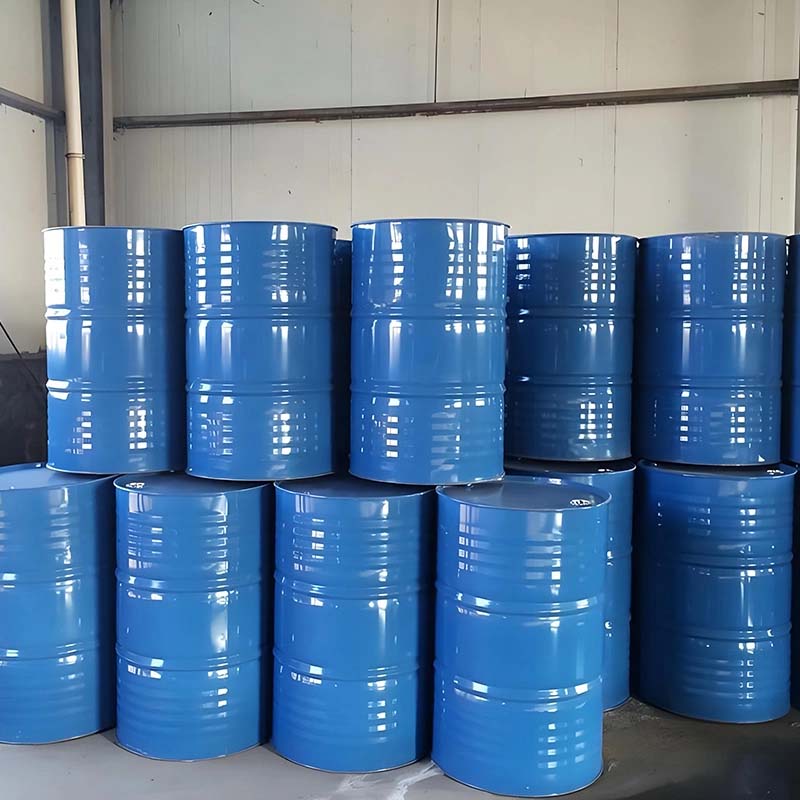
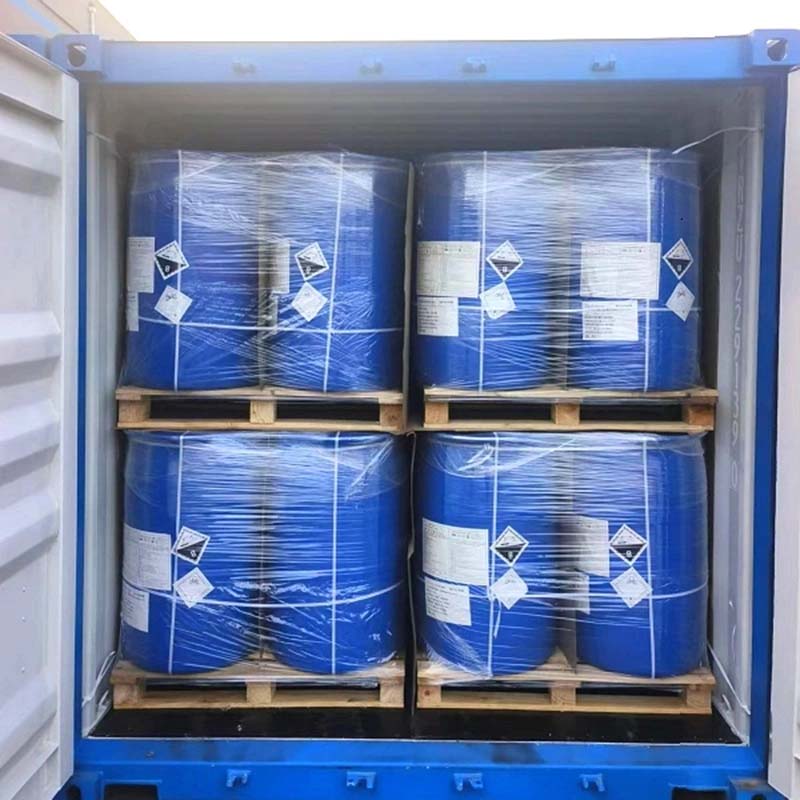
Industrial quantities: 160-204 kg drums
Bulk: IBC totes, ISO tanks, bulk tankers
Shipping: Not regulated as hazardous for most transport modes, though high-active grades with ethanol may have lower flash points requiring special handling.

Quality Certifications
Certificate of Analysis (COA) provided with each batch, documenting:
Active matter content, pH, appearance, unsulfated matter, sodium sulfate, 1,4-dioxane (where applicable)
Safety Data Sheet (SDS) available in multiple languages
Additional certifications available:
Kosher certification
Halal certification
RSPO-MB (Roundtable on Sustainable Palm Oil - Mass Balance)
ISCC+ (International Sustainability and Carbon Certification)
ISO 16128 natural origin content
REACH/TSCA compliance statements
Technical Support & Services
Technical Consultation: Application specialists available for formulation development, viscosity building guidance, stability testing support.
Custom Services: Tailored packaging, blending, and quality specifications for volume customers.
Regulatory Support: Documentation for global compliance and product registration.
Documentation Available
Certificate of Analysis (COA)
Safety Data Sheet (SDS/MSDS)
Technical Data Sheet (TDS)
Product Specification (PS)
Certificate of Origin (COO)
Kosher/Halal certificates
Sustainability certifications (RSPO, ISCC+, ISO 16128)
Biodegradability statement
1,4-Dioxane analysis report
REACH/TSCA compliance statements