

Potassium Sorbate in the Modern Food Industry: Safety and Carcinogenicity Classification
As consumers become increasingly conscious about food additives, a common preservative called "Potassium Sorbate" has recently found itself at the center of public debate. On one hand, international academic journals point to potential cytotoxic risks; on the other, regulatory authorities frequently cite cases of excessive use. This white powder, widely found in bread, sauces, and beverages, raises an important question: Is it a guardian of food safety, or a "health assassin" lurking on our dining tables?
The "Backbone" of the Food Industry
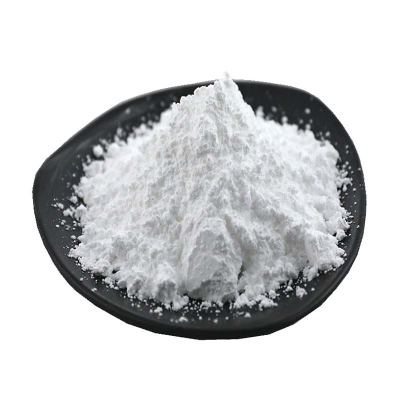
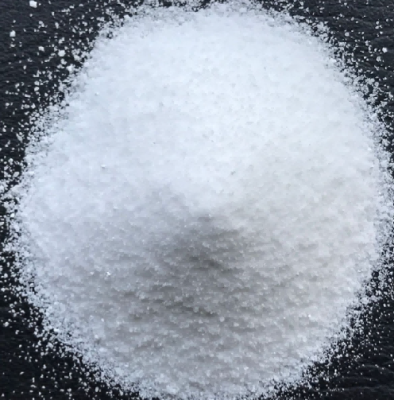
Potassium Sorbate (chemical formula C₆H₇KO₂) commonly appears as additive code E-202 in the food industry. As an effective antimicrobial agent, its primary function is to inhibit the growth of molds, yeasts, and aerobic bacteria, thereby extending product shelf life.
According to information from sources like China Science Communication and Research and Markets, the global potassium sorbate market is steadily expanding, with projected market size reaching between $500 million and $550 million by 2026. From baked goods, dairy products, and fruit juices to soy sauce, pickles, and even meat products, potassium sorbate is ubiquitous. Its mechanism of action involves inhibiting microbial enzyme systems, disrupting their physiological activities, rather than directly killing bacteria.
In terms of safety assessment, potassium sorbate holds quite "impressive" credentials. It is recommended by the UN Food and Agriculture Organization as an efficient and safe food preservative, holds "Generally Recognized as Safe" (GRAS) status in the United States, and has been approved as an additive in China since 1982. Under normal conditions, the human body can rapidly absorb ingested potassium sorbate and metabolize it into carbon dioxide and water.
Carcinogenic Risk? Authoritative Bodies Clarify Classification
Addressing recent online rumors claiming "potassium sorbate is a Group 1 carcinogen," medical experts have provided a clear negative answer.
Experts from Fudan University's Huashan Hospital and China Science Communication point out that the International Agency for Research on Cancer (IARC), part of the World Health Organization, has not classified potassium sorbate as a Group 1 carcinogen. Group 1 carcinogens are substances with clear evidence of causing cancer in humans, such as aflatoxins and nitrosamines. Potassium sorbate, when used within specified dosage limits, does not exhibit genotoxic or carcinogenic activity.
However, this does not mean vigilance can be relaxed. In January 2026, as reported by Food Ingredients First, a large-scale French study involving over 100,000 participants over seven years sent ripples through the industry. The research, conducted by Université Sorbonne Paris Nord, found associations between higher intakes of certain food preservatives (including potassium sorbate and sulfites) and increased risks of overall cancer and breast cancer. The data showed that at age 60, the "absolute cancer risk" for individuals with high intake of non-antioxidant preservatives was 13.3%, compared to 12.1% for those with low or no intake.
The study authors emphasized that this does not imply direct causation but called for a re-evaluation of current food additive regulations to enhance consumer protection.
Concerns from the Laboratory Perspective
Beyond epidemiological surveys, laboratory research provides a more microscopic view of potassium sorbate's safety profile.
A review published in Trends in Food Science & Technology noted that while potassium sorbate is legally and widely used, animal and cell studies indicate that doses exceeding 25 mg per kg of body weight may lead to cytotoxic and genotoxic effects. Research has found that potassium sorbate can potentially induce chromosomal aberrations, DNA strand breaks, and increased sister chromatid exchanges.
Furthermore, a study from Kashan University of Medical Sciences in Iran highlighted non-carcinogenic risks. Published in Food and Chemical Toxicology, the research assessed the daily intake of Iranian consumers and found that while levels in individual foods often did not exceed limits, the cumulative intake from multiple food sources resulted in a Hazard Index (HI) greater than 1, suggesting a non-negligible non-carcinogenic risk (such as organ toxicity).
Regulatory Tightening: Unauthorized Use Becomes Enforcement Focus
Although potassium sorbate itself is safe within compliant doses, the problem of excessive addition persists in practical market circulation.
Recently, Chinese market regulatory authorities have successively reported multiple cases. In March 2026, the Gansu Provincial Market Regulation Bureau通报 multiple batches of fermented vegetable products (Jiangshui) containing sorbic acid and its potassium salt levels non-compliant with national standards. In February of the same year, the Manzhouli Market Regulation Bureau investigated a batch of plain cakes where the measured potassium sorbate value reached 1.12 g/kg, far exceeding the national standard limit of ≤0.12 g/kg.
Analysis from Food Partner Network suggests that exceeding standards often results from companies overusing preservatives to extend shelf life or inaccurate measurement during production. Long-term intake of excessive sorbic acid could potentially harm the liver and kidneys.
The Future: Formulation Reduction and Clean Labels
Faced with deepening scientific research and growing consumer health awareness, the food industry is undergoing a "clean label" movement.
Industry insiders point out that consumers increasingly prefer products with short, simple ingredient lists and natural components. This trend is pushing manufacturers to seek more natural alternatives or reduce reliance on chemical additives through physical preservation techniques.
For ordinary consumers, experts recommend maintaining a balanced diet and avoiding long-term, excessive consumption of the same ultra-processed foods. Regarding potassium sorbate, there's no need for panic, but consumers should purchase qualified products through legitimate channels, pay attention to food labels, and ensure their intake remains within safe limits.
In this never-ending game of food safety, the future of potassium sorbate will inevitably continue walking the tightrope between "effective preservation" and "ultimate safety."