

Hydroxypropyl Methyl Cellulose CAS:9004-65-3
Excellent thickening property: A very small amount of addition can significantly increase the viscosity of the system.
Excellent water retention: It can effectively prevent water from evaporating in fields such as building materials.
Film-forming property: Capable of forming a transparent and flexible film.
Chemical inertness: Does not react with most chemicals, and has good pH stability (3-11).
Thermogel properties: When the solution is heated to the gelification temperature, it forms a gel, and upon cooling, it returns to its original state. This property makes it suitable for use in controlled-release drug delivery systems.
Safety and environmental protection: Non-toxic, non-irritating, biodegradable. Some models can be used in food and medicine.
Anti-degradation property: Superior to natural cellulose. The solution is more stable.
Compatible: Compatible with various solvents, resins and electrolytes.
Hydroxypropyl methylcellulose is a glycerol ether of methylcellulose. The hydroxypropyl and methyl groups in it are combined with the anhydrous glucose ring of cellulose through ether bonds, resulting in a white to off-white cellulose powder or particle. It has similar properties to methylcellulose in terms of cold water solubility and hot water insolubility. Its solubility in organic solvents is better than that in water, and it can dissolve in anhydrous methanol and ethanol solutions, as well as in chlorinated hydrocarbons and ketones and other organic solvents. When dissolved in water, its aqueous solution has surface activity, and after drying, it forms a film. Upon heating and cooling, it undergoes a reversible conversion from a sol to a gel. It can be used alone in cold drinks, or in combination with other emulsifiers, stabilizers, etc. The maximum usage in cold drinks is 1%. In recent years, it has been widely applied in industries such as petrochemicals, papermaking, leather, textile printing and dyeing, medicine, food, cosmetics, etc., as a dispersant, thickener, adhesive, excipient, capsule, oil-resistant coating, and filler.
| Parameter Name | Typical range/description |
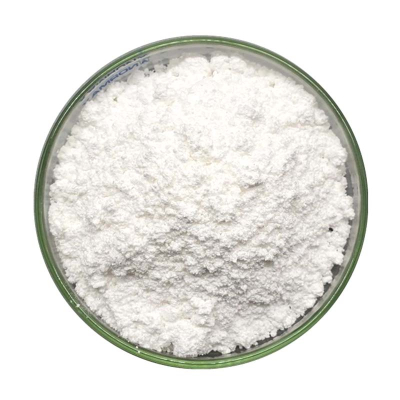
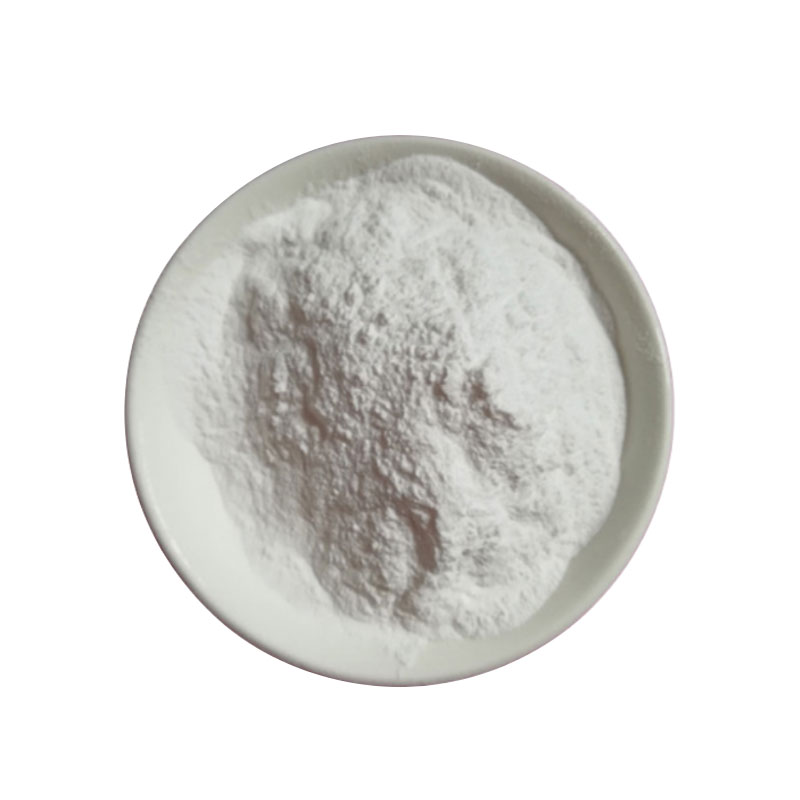
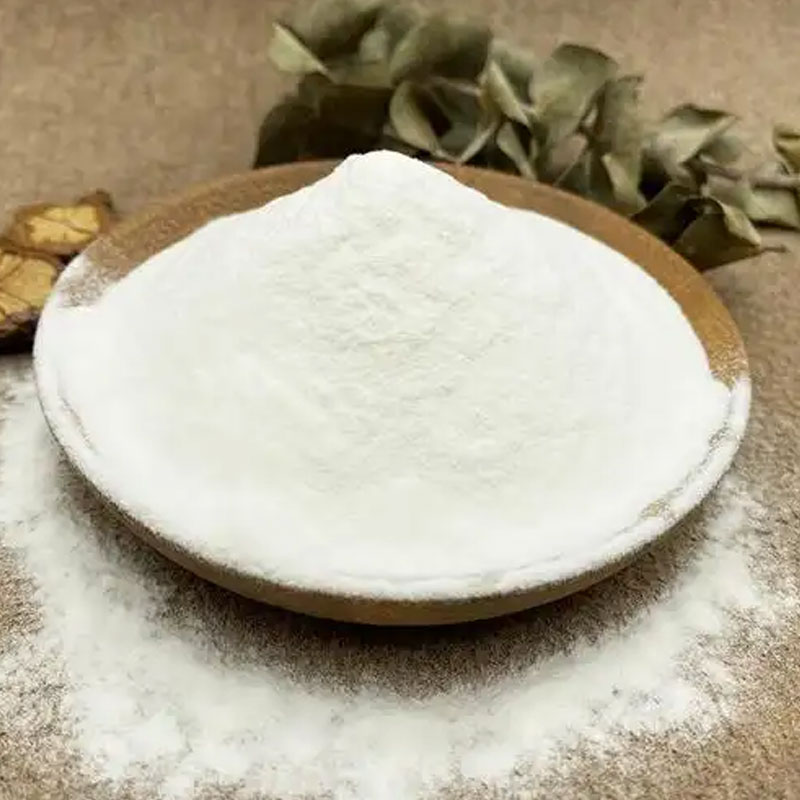
| Appearance | White or off-white powder, odorless and tasteless |
| Granularity | 80-100 mesh (can be adjusted according to requirements) |
| Methoxy content | 19.0-30.0% |
| Hydroxypropyl content | 4.0-12.0% |
| Viscosity (2% aqueous solution, 20℃) | 5 mPa·s - 200,000 mPa·s (Common specifications: 50, 400, 4000, 15000 mPa·s, etc.) |
| Gel temperature | 50 - 90℃ (Varies depending on the model) |
| pH value (1% aqueous solution) | 5.0-8.0 |
| Dry weight loss | ≤5.0% |
| Ash content | ≤1.0% |
| Transmittance (2% aqueous solution) | ≥90% |
Usage Method: Application: Thickener, Emulsifier, Stabilizer.
1. Precautions for Use: Hydroxypropyl methylcellulose has multiple excellent properties and can be used in baked goods, paste-like foods, nutritional foods, milk mixing beverages, pies, fillings, salad garnishing ingredients, and fast food, etc. By utilizing its thermogel properties, it can be used to manufacture fried foods, which not only significantly saves frying oil but also results in a unique taste of being crispy on the outside and soft on the inside; by taking advantage of its acid and alkali stability, anti-enzyme property, non-participation in metabolism, and enhancement of intestinal peristalsis, it can also be used to manufacture various health foods.
2. Scope of Use and Dosage
(1) According to the "Food Additive Use Hygiene Standard" (GB 2760—1996) of China: It can be used in various foods in an appropriate amount as per production needs.
(2) Practical Usage Reference: By utilizing the film-forming property and high light transmittance of this product, it can be used to manufacture protein sausage casings, with an amount of 5%; as a thickener for egg yolk sauce (HPMC-60RT400), with an amount of 0.5% to 2%.
Purpose
1. Thickening agent; stabilizer; emulsifier; gelling agent; suspension mixer.
2. It is used as a dispersion agent for synthetic resins and a molding agent for coatings, and can also be used as a thickening agent.
3. This product is used as a thickening agent, dispersant, adhesive, emulsifier and stabilizer in the textile industry. It is also widely used in synthetic resins, petrochemicals, ceramics, papermaking, leather, medicine, food, cosmetics and other industries.
4. It is applied in synthetic resins, petrochemicals, ceramics, papermaking, textile printing and dyeing, medicine, food, cosmetics and other daily chemicals, as a dispersion agent, thickening agent, adhesive, excipient, capsule, oil-resistant coatings and fillers, etc.