

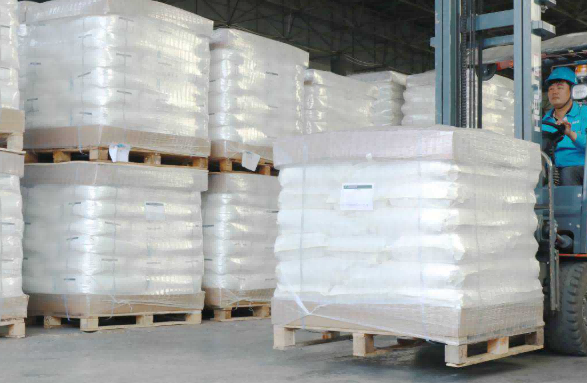
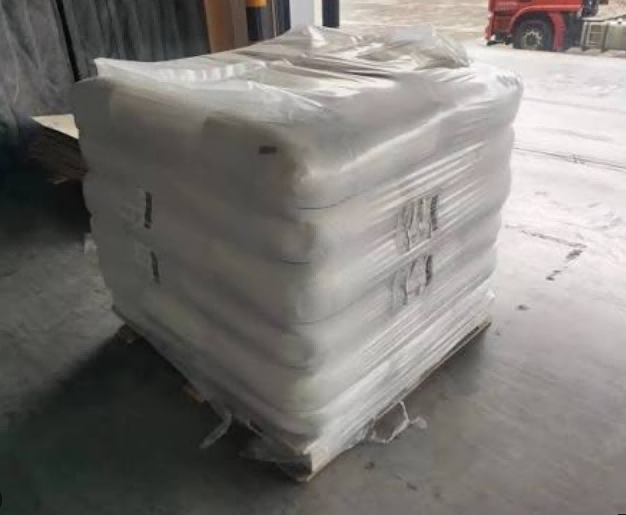
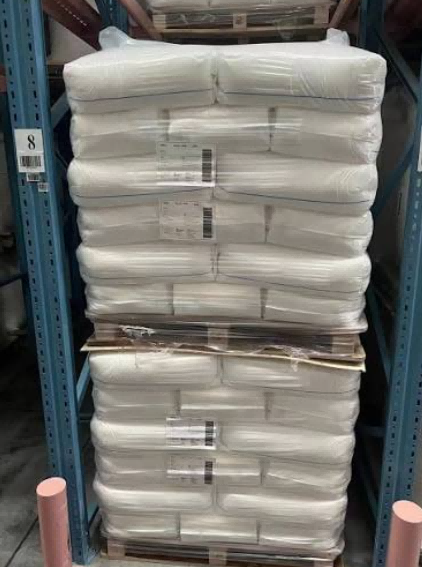
Flocculant CAS#: Mixture (Main active: Polyacrylamide, CAS 9003-05-8)
Excellent Flocculation Performance: Flocculant can adsorb suspended particles, colloids and organic pollutants in water rapidly, bridge fine particles together to form large and dense flocs. The flocs settle quickly and separate from the aqueous phase at low dosage, greatly improving water clarification efficiency.
Wide Adaptability & Selectivity: Different ionic types including anionic, cationic and nonionic grades are available for diverse raw water and wastewater conditions. It adapts to pH 4–10 and shows good compatibility with PAC, PFS and other inorganic coagulants.
Versatile Uses: It is widely applied in municipal sewage treatment, industrial wastewater clarification, mining tailings dewatering, sludge dewatering, papermaking wastewater, textile wastewater, drinking water pretreatment and oil-water separation.
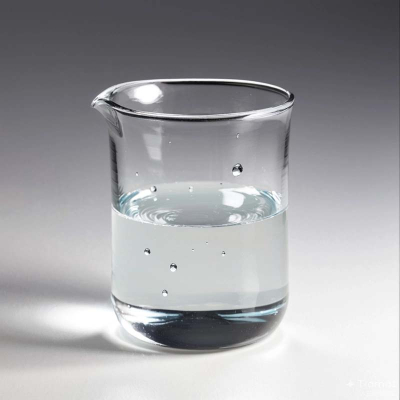
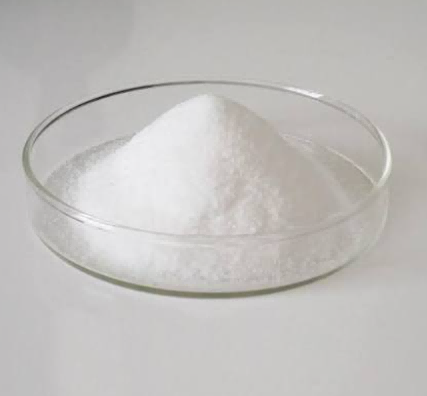
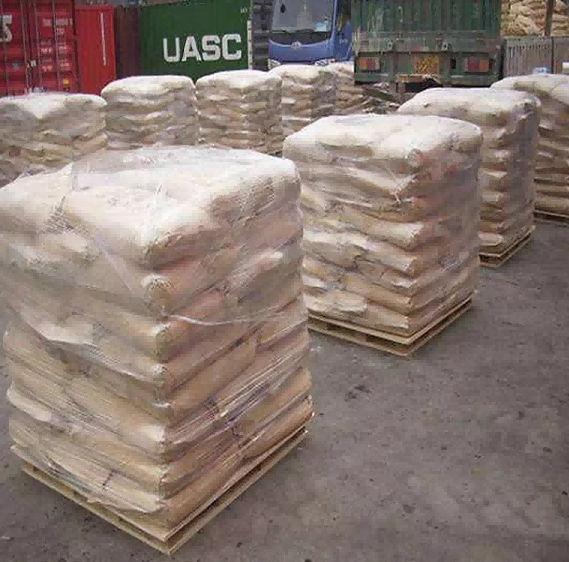
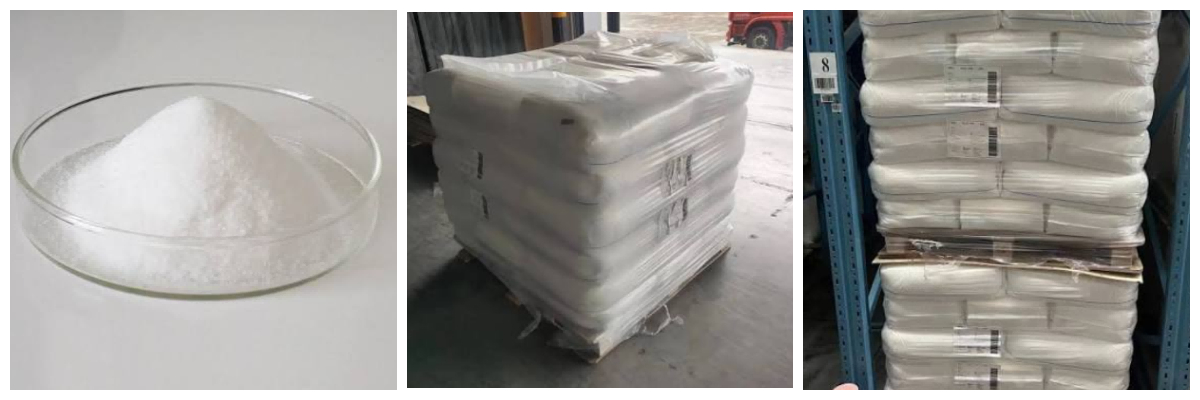
Powder & Emulsion Form: It is supplied as white fine powder or oil-in-water emulsion. Powder type features high effective content and convenient transportation; emulsion type dissolves fast without lump formation. It has low corrosion and will not introduce excessive impurities when properly dosed.
Flocculant commonly refers to polyacrylamide series products, which are linear water-soluble high-molecular polymers. It relies on charge neutralization and adsorption bridging mechanism to aggregate tiny colloidal impurities. Cationic flocculant is mainly used for sludge dewatering; anionic flocculant is suitable for mineral processing and high turbidity wastewater; nonionic flocculant fits acidic water systems. It is often used together with inorganic coagulants to optimize treatment effect.
| Chemical Properties | Parameter |
|---|---|
| Appearance | White powder / milky emulsion |
| Main Components | Polyacrylamide, auxiliary dispersant, emulsifier (for emulsion type) |
| Solubility | Soluble in water; insoluble in ethanol, acetone and other organic solvents |
| Bulk Density | 0.60–0.80 g/cm³ (powder) |
| pH (0.1% aqueous solution) | 6.0–8.0 |
| Storage temp | Store between 5℃ and 35℃ |
| Stability | Stable under sealed condition; avoid strong oxidants, high temperature and direct sunlight |
| Molecular Weight | 5–22 million (adjustable by grade) |
| Recommended Dosage | 0.1–3 mg/L, subject to jar test result |
| Safety Information | Content |
|---|---|
| Hazard Statement | Low toxicity; dust may irritate respiratory tract and eyes; long-time skin contact may cause dryness |
| Storage | Keep sealed in cool, dry and ventilated warehouse, prevent moisture absorption and caking |
| Handling | Wear dust mask, goggles and protective gloves. Avoid dust inhalation. Flush with plenty of clean water once contacted |
| Waste Treatment | Dilute thoroughly before discharge, abide by local wastewater discharge standards |
| HS Code | 39069000 |
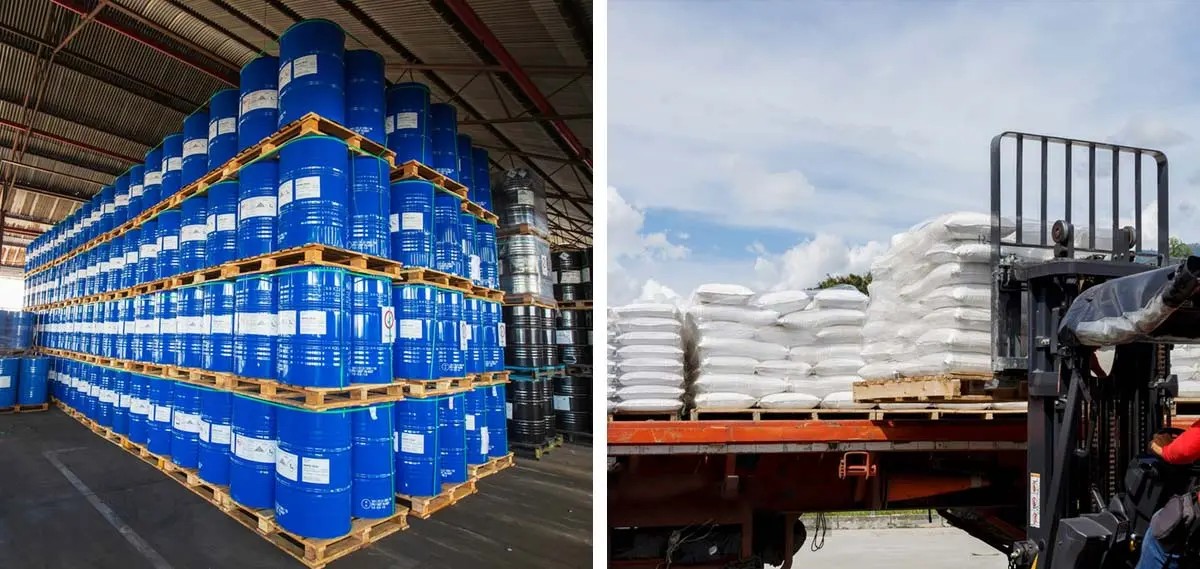
This compound is employed as a key water treatment agent for solid-liquid separation. It can reduce sludge moisture content, improve filtration efficiency and reduce the dosage of inorganic coagulants. Special high-purity grades are available for drinking water treatment, which meet relevant drinking water safety standards.