

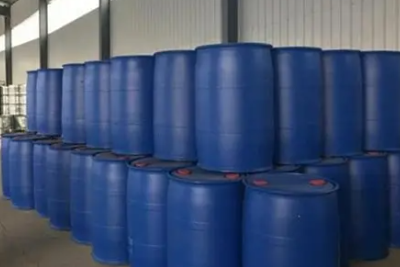
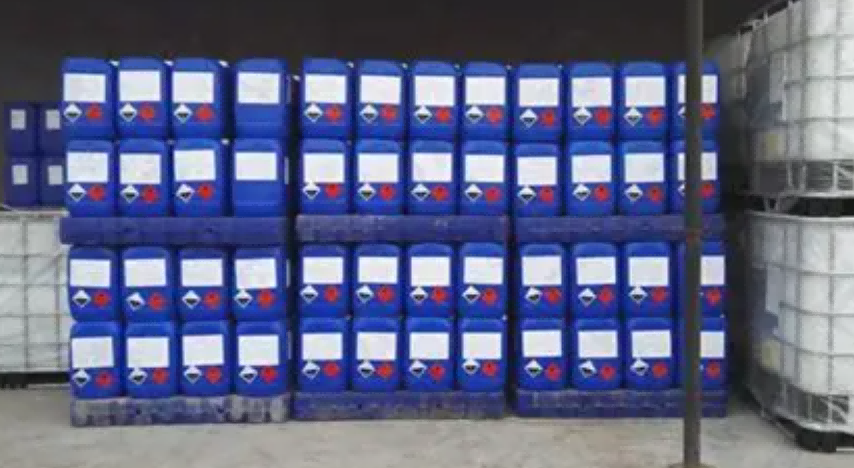
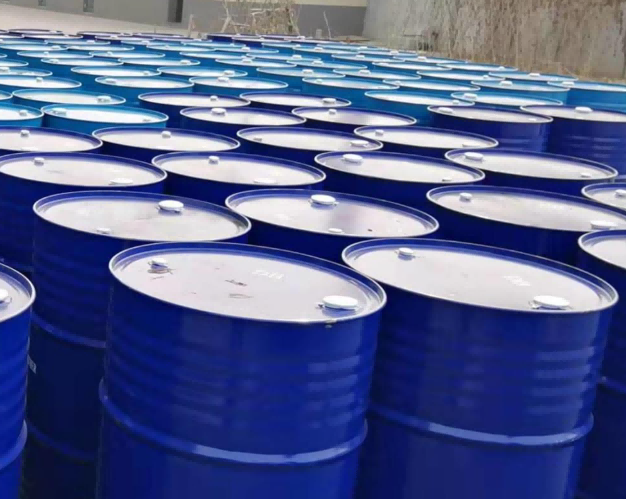
Formic Acid CAS#64-18-6
Formic Acid CAS#64-18-6 High Solubility: Formic acid demonstrates excellent solubility in water and is miscible with common organic solvents including ethanol, ether, and acetone, facilitating its widespread employment in chemical synthesis and industrial processing.
Stable pH: The aqueous solution of formic acid presents stable acidic properties under conventional heating and storage conditions, maintaining consistent pH performance in dilute aqueous media and showing reliable chemical stability in routine industrial applications.
Versatile Uses: It serves as a key synthetic intermediate in organic chemistry, a reducing agent for precious metal purification, and an effective preservative and antibacterial agent in industrial raw material processing. It is also extensively applied in leather tanning, textile printing and dyeing, and pharmaceutical intermediate synthesis.
Liquid Form & Corrosive Nature: This material is provided as a colorless transparent liquid with pungent irritating odor and weak corrosive tendencies, making it suitable for industrial scenarios that require efficient reduction and acidification treatment with standardized safe handling procedures.
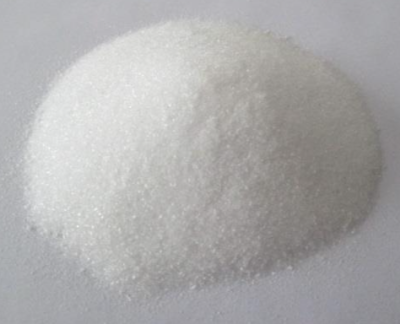
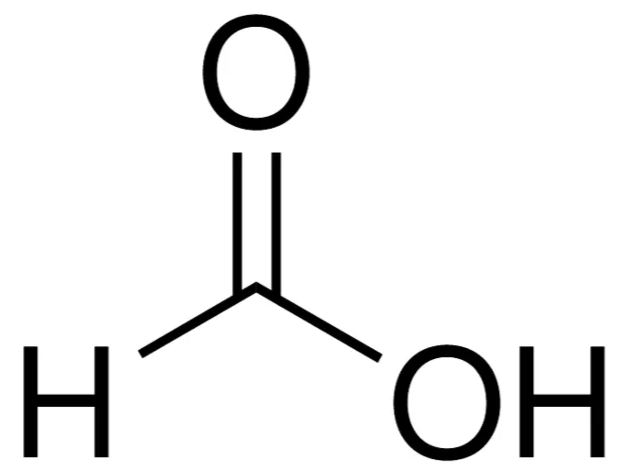
Formic acid, characterized by the molecular formula CH₂O₂, presents as a colorless, fuming transparent liquid with a strong pungent odor similar to acetic acid. It exhibits complete miscibility with water, ethanol, and ether at 25°C, while displaying limited solubility in non-polar solvents such as benzene. The dilute aqueous solution of this compound shows stable acidic characteristics and maintains stable chemical performance after conventional heating treatment. The substance possesses irritant and corrosive characteristics and is utilized as a high-efficiency reducing agent, organic synthetic raw material, industrial acidifier, and antibacterial preservative for multiple industrial production fields.
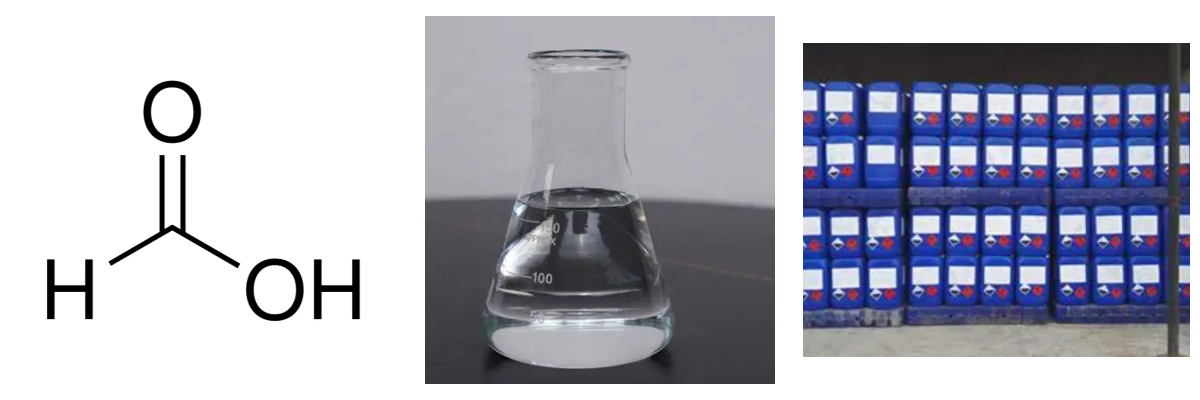
Formic Acid Chemical Properties
Property Item | Specification Data |
Melting point | 8.4 °C (lit.) |
Boiling point | 100.8 °C (lit.) |
Density | 1.22 g/cm3 |
Vapor density | 1.6 (vs air) |
Refractive index | 1.371-1.373 |
Storage temp | Store below +30°C, sealed and dry |
Solubility | Miscible with water, ethanol, ether, acetone; slightly soluble in benzene |
Form | Liquid |
Color | Colorless |
Odor | Strong pungent odor |
PH Range | 2.0-3.0 (10g/L aqueous solution) |
Water Solubility | Miscible infinitely (25 °C) |
Sensitive | Light and heat sensitive |
Stability | Stable under normal conditions. Incompatible with strong oxidizing agents, strong bases. |
InChIKey | BDAGIHXWWRDFAM-UHFFFAOYSA-N |
CAS DataBase Reference | 64-18-6 (CAS DataBase Reference) |
NIST Chemistry Reference | Formic acid (64-18-6) |
EPA Substance Registry System | Formic acid (64-18-6) |
Safety Information
Safety Item | Details |
Hazard Codes | C |
Risk Statements | 34-36/38 |
Safety Statements | 26-28-36/37/39-45 |
WGK Germany | 1 |
RTECS | LQ4900000 |
F | 10 |
TSCA | Yes |
HS Code | 29151100 |
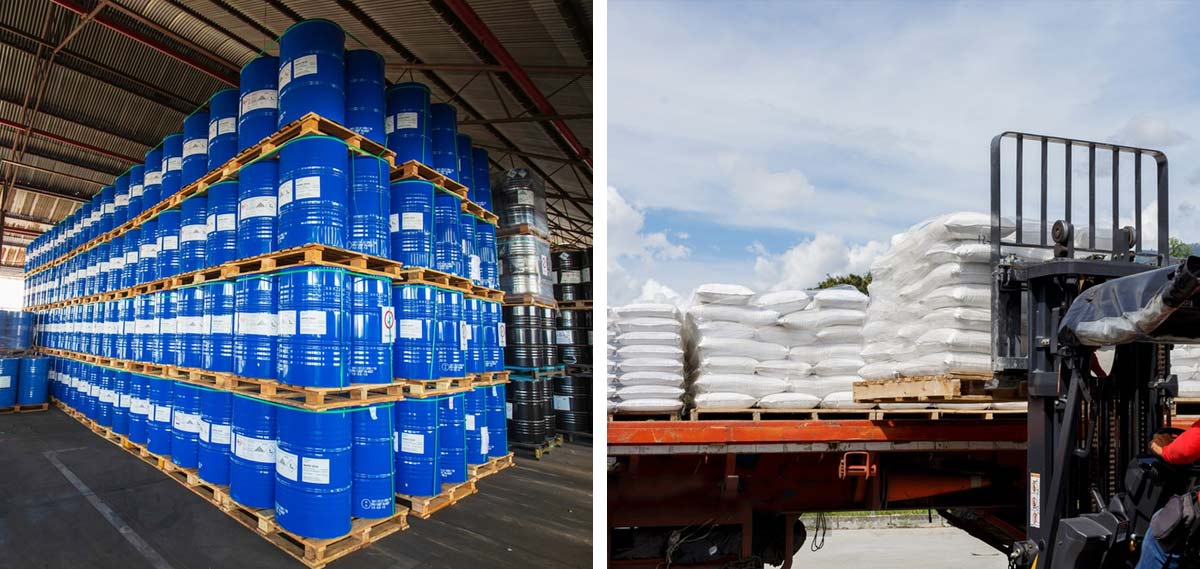
This compound is employed as a vital organic synthetic raw material and reducing agent in fine chemical production, widely used for manufacturing formate salts, formate esters and pharmaceutical intermediates. It acts as an efficient acidifier and tanning agent in leather and textile industries, improving product stability and processing efficiency. It also functions as a high-performance antibacterial preservative for feed and industrial raw materials. Additionally, it finds application as a cleaning agent for industrial equipment and metal surface descaling agent, serves as a reducing reagent for precious metal refining, and is utilized as a key auxiliary agent in pesticide processing and paper industry modification, covering multiple fields of fine chemical industry, light industry and environmental protection processing.